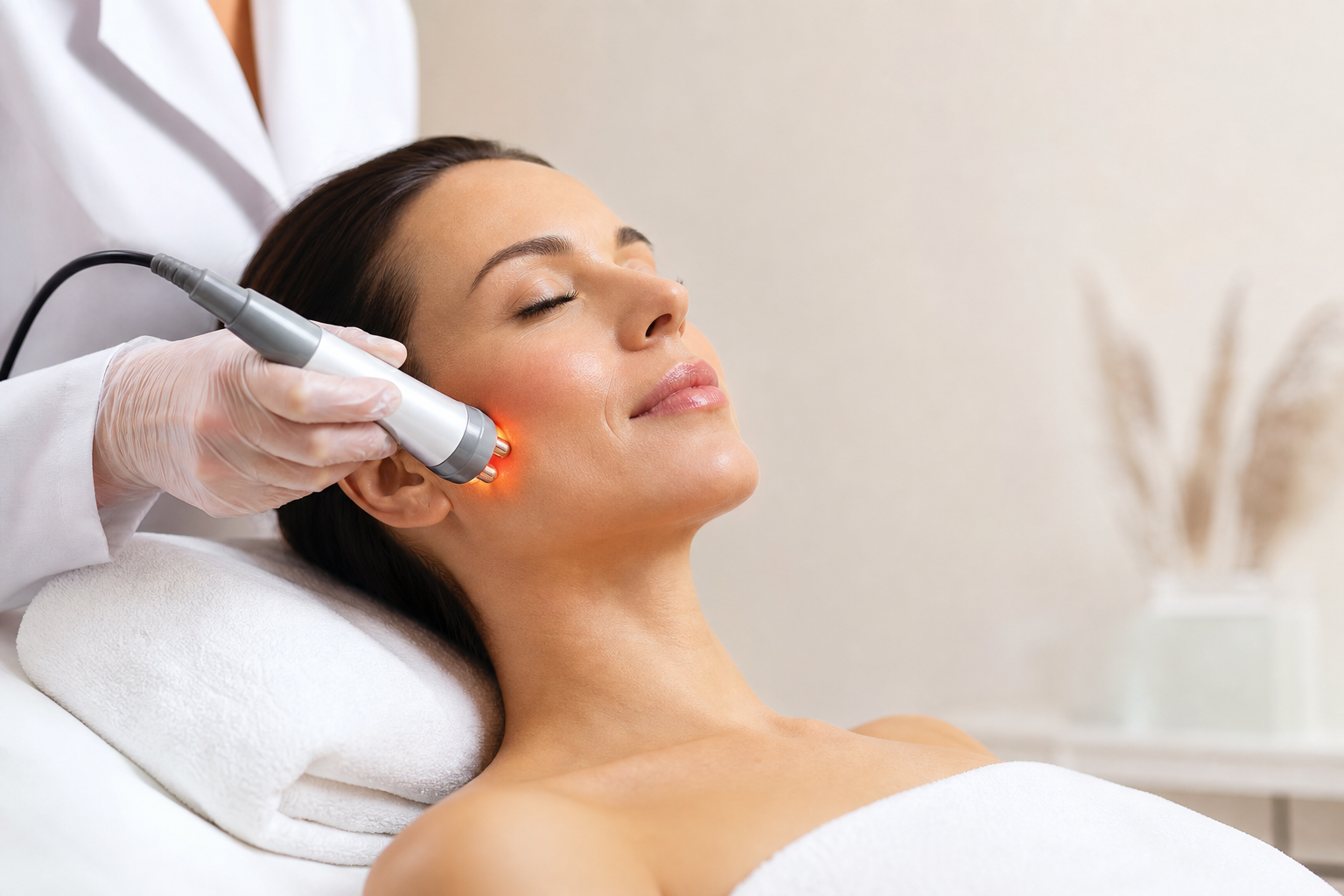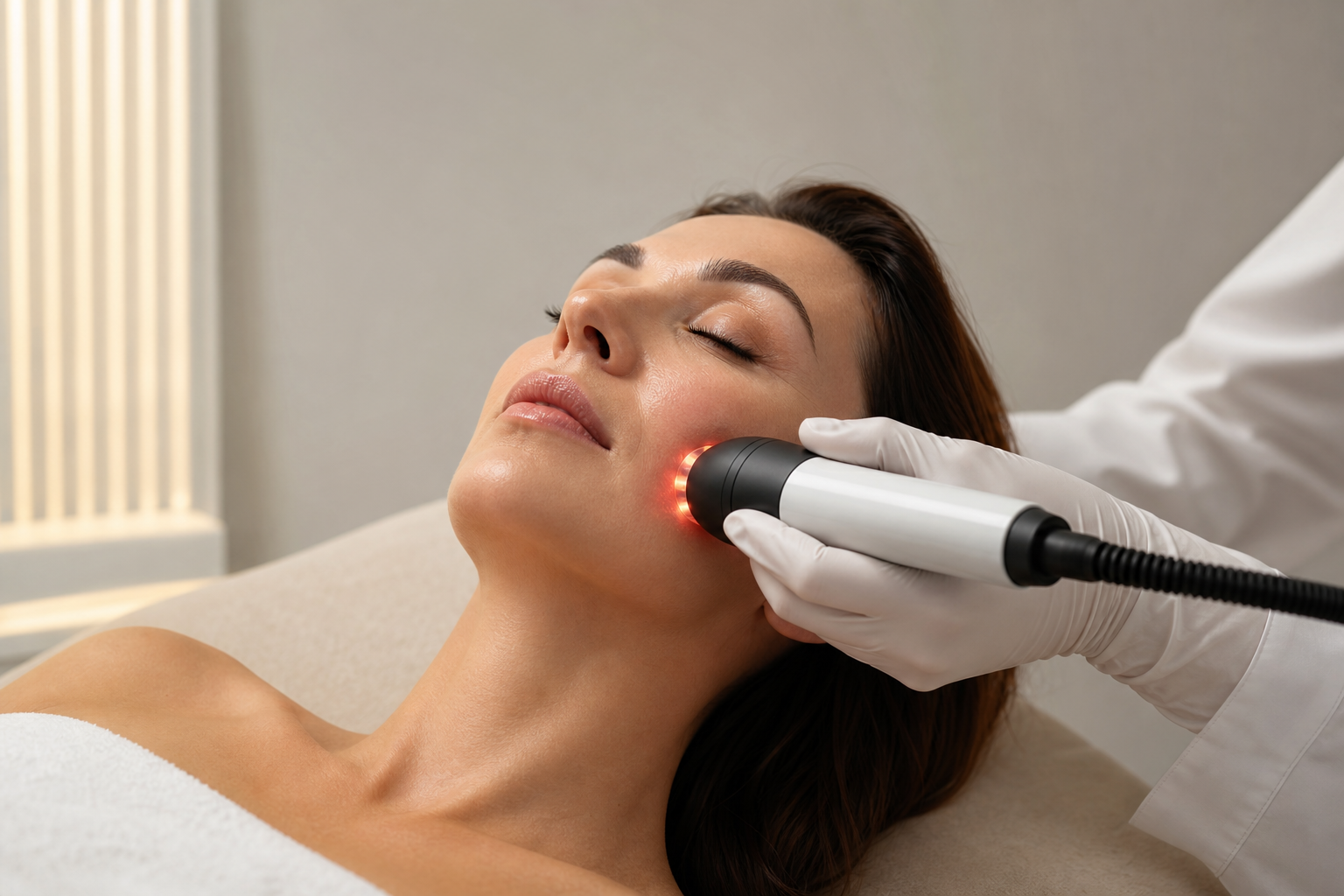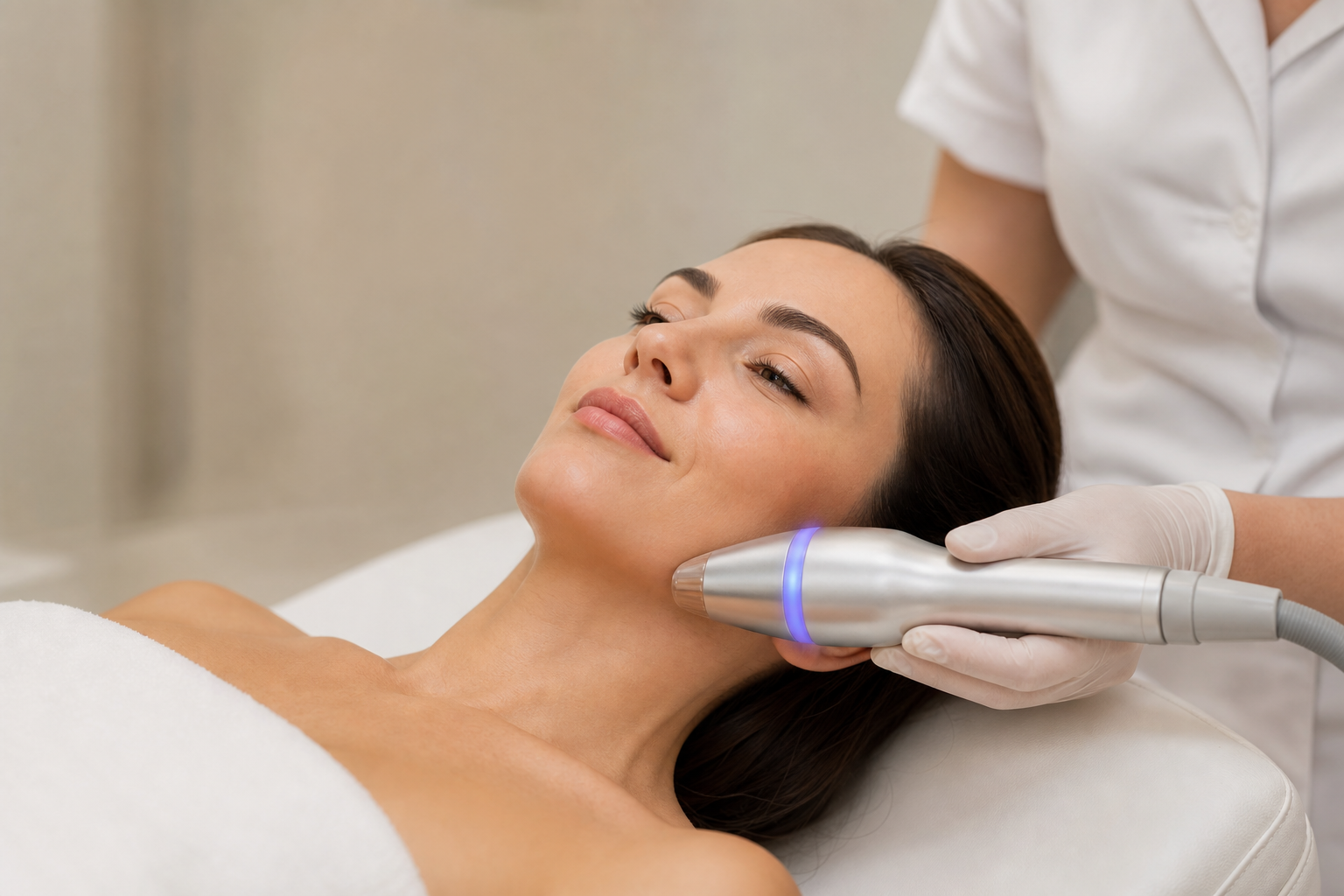
Radiofrequency treatments and skin tightening represent a sophisticated frontier in non-invasive facial care, designed for those seeking to restore firmness and youthful vitality to their skin without resorting to surgery. Rooted in advanced electromagnetic technology, these procedures harness the power of radiofrequency waves to stimulate the skin's natural reparative functions, notably the production of collagen, which is pivotal in maintaining skin elasticity and reducing the appearance of wrinkles. This form of treatment addresses a broad audience—from individuals noticing the early signs of aging to those with moderate skin laxity contemplating safer alternatives to surgical lifts.
The importance of these treatments is underscored by their balance of efficacy and safety. They offer a bridge between the simplicity of topical skincare and the invasiveness of surgical interventions, providing a compelling option for those who desire significant improvements in skin texture and tightness while preserving a natural look and experiencing minimal downtime. Understanding the mechanism, benefits, and procedural details of radiofrequency skin tightening is essential for anyone aiming to adopt a long-term, scientifically grounded approach to skin rejuvenation.
What Exactly Are Radiofrequency Treatments and How Do They Work?
Radiofrequency (RF) treatments utilize radio waves—specific electromagnetic waves—to penetrate the deeper layers of the skin, converting energy into gentle heat. This heating effect targets the dermis, the skin’s middle layer where collagen fibers reside. By raising the temperature in this layer to a carefully controlled degree, RF therapies induce contraction of existing collagen fibers and activate fibroblasts, the cells responsible for generating new collagen and elastin. As collagen synthesizes and accumulates, the skin’s structural integrity is improved, leading to a tighter, firmer, and more lifted appearance.
The decline in collagen production is a natural facet of aging, contributing to skin sagging, fine lines, and wrinkles. Radiofrequency treatments effectively combat this decline by reawakening the skin’s internal renewal mechanisms without damaging the epidermis, the outermost skin layer. Various RF devices employ monopolar, bipolar, or multipolar configurations, differing primarily in the depth of penetration and the pattern in which energy is delivered. This diversity allows tailored treatment approaches depending on the area and skin type, optimizing outcomes for each patient.
Who Benefits Most from Radiofrequency Skin Tightening?
Radiofrequency skin tightening is particularly suited for men and women demonstrating early to moderate skin aging signs, including mild sagging and loss of elasticity commonly observed in the face and neck areas. Unlike surgical facelifts or more invasive procedures, RF treatments appeal to those who prefer a gradual and natural enhancement, prioritizing safety and a minimal recovery period. This makes the technology a valuable option for individuals wary of the risks and downtime associated with surgery.
In addition to its applicability in aesthetic rejuvenation, RF therapy’s versatility extends to patients seeking improvement in skin texture, reduction of minor crepey skin, or a refreshed skin tone. It is also an appealing choice for individuals aiming to avoid injections or chemical interventions while still aiming to maintain a youthful complexion. The adaptability of treatment parameters makes it feasible for a variety of skin types and ages, although consultation with a skincare professional is crucial to ensure suitability and to tailor treatments accordingly.
What Are the Core Benefits of Radiofrequency in Skin Tightening?
The allure of radiofrequency treatments lies in their capacity to deliver substantive benefits without the invasiveness of surgical methods. Among the primary advantages is the non-invasive nature of the procedure, which circumvents the risks tied to anesthesia and recovery associated with more aggressive interventions. Patients typically report noticeable improvements in skin firmness, texture smoothness, and a lifted contour post-treatment series. Moreover, the improved blood circulation and stimulation of skin metabolism induced by RF energy contribute to enhanced skin hydration and luminosity, augmenting the overall radiance of the complexion.
Another prominent benefit is the versatility in targeting specific facial areas such as the jawline, cheeks, and under the eyes, as well as extending to other regions like the neck and décolletage. This precision allows focused treatment of sagging or crepey zones while enhancing the local skin quality. Additionally, RF treatments can be combined with other aesthetic modalities—such as RF microneedling—to amplify collagen stimulation and achieve synergistic effects.
How Is a Radiofrequency Skin Tightening Procedure Conducted?
The procedure for radiofrequency skin tightening is straightforward and usually completed within 30 to 60 minutes depending on the treatment area and protocol. Initially, the skin is cleansed thoroughly to remove any impurities. A conductive gel is often applied to facilitate smooth movement of the RF applicator and to enhance energy transmission. The clinician then gently maneuvers the device’s handset over the skin surface, delivering controlled doses of RF energy to the targeted tissue depths.
Throughout the session, patients typically feel a warming sensation, which most describe as comfortable and soothing rather than painful. The intensity and temperature are continuously monitored to maximize efficacy while ensuring safety. Since the treatment is non-invasive, the skin surface remains intact, eliminating the need for anesthesia or extensive aftercare. Mild redness can occur immediately after the session but generally subsides within hours, enabling patients to resume daily activities promptly.
When Should One Opt for Radiofrequency Treatments Over Other Skin Rejuvenation Options?
Choosing radiofrequency treatments is advantageous for individuals seeking a gradual, natural enhancement of skin tightness without the downtime or risks associated with surgery. It is especially effective during the early stages of skin laxity where conservative measures can yield meaningful improvements. Patients desiring to avoid injectable fillers or neuromodulators due to personal preference or medical considerations may also find RF therapy an excellent alternative.
However, for those with deep wrinkles or severe skin sagging, RF treatments are sometimes combined with other interventions to maximize results. Options such as microneedling with radiofrequency or collagen-stimulating injections can enhance outcomes, while more invasive procedures might be necessary for pronounced tissue laxity. Ultimately, the decision should be individualized, considering factors such as skin condition, desired results, medical history, and lifestyle.
What Are the Expected Outcomes and Maintenance Requirements Post-Treatment?
Unlike immediate results seen with some invasive methods, the benefits of radiofrequency skin tightening accrue gradually over several months as new collagen forms and remodels the dermal matrix. Typically, a series of five to eight treatments spaced one to two weeks apart is recommended to achieve optimal effect. Patients can anticipate firmer, smoother skin, diminished fine lines, and improved facial contours following the completion of their prescribed regimen.
Maintaining these outcomes involves adhering to a consistent skincare routine that supports skin health, including vigilant sun protection, hydration, and periodic professional treatments. Many opt for maintenance sessions every six to twelve months to sustain and enhance the treatment’s benefits. Such a proactive approach helps counteract the continuing effects of chronological aging and environmental exposure.
Common Questions About Radiofrequency Skin Tightening
Is radiofrequency treatment safe for all skin types? Generally, RF therapy is considered safe across all skin tones and types because it targets deeper layers without disrupting the epidermis. However, individual sensitivities and underlying skin conditions should be evaluated by a qualified professional prior to treatment.
How many sessions are needed for noticeable improvement? Most patients undergo between five and eight sessions to achieve significant tightening and rejuvenation, though this can vary depending on individual skin status and treatment goals.
Does the procedure cause pain or discomfort? The treatment is usually well tolerated, with sensations described as warming or mild heat on the skin. The technology incorporates safety features to keep the experience comfortable.
How long do the effects last? Results typically persist from several months up to a year, influenced by factors such as age, lifestyle, and skincare practices. Maintenance treatments can prolong and enhance these effects.
Can radiofrequency be used on other parts of the body? Yes, RF therapy is also effective for tightening skin on the neck, décolletage, abdomen, arms, and thighs and can assist with the reduction of cellulite and localized fat deposits.