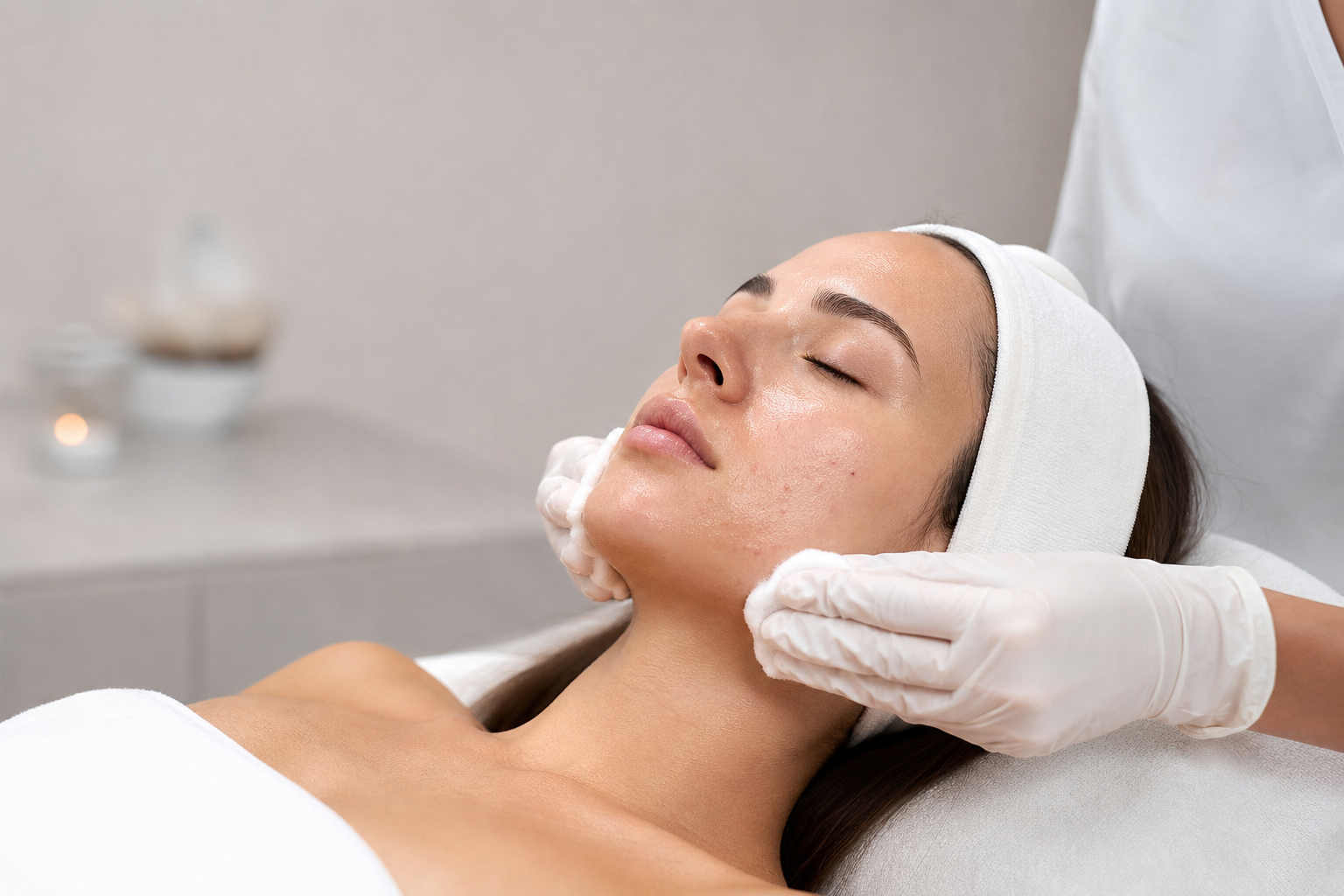
Professional facial cleansing for acne is a specialized skincare approach designed to address the complex challenges posed by acne-prone skin. Acne itself is a multifaceted condition involving inflammation of the sebaceous glands and hair follicles, often leading to blemishes, blackheads, whiteheads, and sometimes more severe lesions. Unlike routine facial cleaning performed at home, professional cleansing targets these deeper skin issues through expert techniques and carefully selected products. This treatment is essential not only for people actively managing mild to moderate acne but also for those aiming to maintain clearer, healthier skin and minimize scarring or discoloration associated with breakouts.
Understanding the role and importance of professional facial cleansing in acne care is crucial because it bridges the gap between daily skincare and dermatological interventions. For individuals grappling with frequent outbreaks or persistent skin congestion, professional treatment offers a safe, controlled environment to cleanse, exfoliate, and rejuvenate the skin, reducing inflammation and improving overall skin health. Furthermore, when integrated into broader anti-aging skincare routines, it helps combat the early signs of aging aggravated by inflammation and scarring, resulting in a more radiant and youthful complexion.
This article explores the key aspects of professional facial cleansing for acne, detailing the indications, expected outcomes, safety considerations, and optimal timing for consultation with specialists. With a comprehensive perspective, this guide aims to empower readers with actionable insights to make informed decisions about their acne treatment journey.
What Exactly Is Professional Facial Cleansing for Acne and How Does It Differ from Routine Cleansing?
Professional facial cleansing for acne is a meticulous dermatological or cosmetic procedure aimed at thoroughly purifying the skin beyond what standard home care can achieve. This process involves multiple stages tailored to the unique needs of acne-affected skin, including pore opening, deep impurity extraction, and controlled exfoliation. The ultimate goal is to remove excess sebum, dead skin cells, bacteria, and other debris that contribute to blocked follicles and inflammation.
Unlike at-home cleansing, which tends to focus on surface impurities, professional cleansing employs specialized tools and formulations such as enzymatic treatments, chemical peels (often with salicylic acid), microdermabrasion, and manual extraction techniques performed by trained experts. These methods help unclog stubborn comedones and reduce bacterial load, which is pivotal for managing acne effectively. Moreover, the professional setting ensures sterilization, minimizing the risk of infection or skin damage during extraction.
Of particular importance is the manual extraction step, where a skilled practitioner gently removes blackheads and whiteheads to support the skin's natural healing process. Improper extraction at home can exacerbate inflammation, cause scarring, or spread bacteria, underscoring the advantage of seeking professional care. Additionally, adjunct treatments like calming masks and antiseptic serums applied during the procedure soothe the skin and reinforce barrier function, setting the foundation for healthier skin.
Who Is the Ideal Candidate for Professional Facial Cleansing in the Context of Acne?
This treatment is most suitable for individuals experiencing mild to moderate acne characterized by occasional inflammatory lesions, blackheads, and whiteheads. People with oily or combination skin types prone to clogged pores and occasional breakouts can benefit significantly from professional cleansing sessions. Additionally, those recovering from medical acne treatments or dermatological procedures might find this method supportive in skin rehabilitation, helping to maintain cleanliness and reduce irritation.
It also serves as a preventive measure for younger individuals seeking to maintain clear skin before acne worsens. However, it is critical to understand that professional facial cleansing is not universally indicated for all acne types. Individuals with severe cystic or nodular acne, extensive open wounds, or active infections should prioritize medical therapies supervised by dermatologists before resorting to cleansing treatments, as improper care could worsen their condition.
Moreover, patients with known sensitivities or allergies to cleansing agents should conduct patch testing or discuss alternatives with professionals prior to undergoing facial cleansing to avoid adverse reactions. Consultation with a qualified skin specialist before initiating treatments ensures that the approach aligns precisely with the skin’s current health status and overall treatment goals.
What Are the Benefits of Professional Facial Cleansing for Acne-Prone Skin?
Among the principal advantages of professional cleansing for acne is its ability to effectively remove deep-seated impurities unreachable by daily cleansing routines. This precise process reduces the likelihood of new comedones forming, thereby decreasing the frequency and severity of acne breakouts over time. Enhanced removal of excess sebum also mitigates inflammatory triggers, promoting calmer skin.
Professional cleansing sessions facilitate improved absorption of topical skincare products, allowing medicines and serums with active ingredients such as retinoids, antioxidants, or antimicrobials to penetrate more deeply and act more efficiently. This synergy between cleansing and subsequent treatments accelerates acne improvement and skin repair.
Beyond addressing acne, the treatment offers anti-aging benefits by stimulating skin regeneration and improving circulation. The exfoliation and cleansing remove dull surface layers, resulting in a brighter complexion and smoother skin texture. Over repeated treatments, improvements in acne scarring, hyperpigmentation, and uneven tone become more apparent, contributing to a healthier and more youthful appearance.
How Is a Professional Facial Cleansing for Acne Performed Step-by-Step?
The process begins with a thorough skin evaluation by the aesthetician or dermatologist to assess inflammation levels, acne severity, and skin type. This evaluation directs the choice of treatment modalities best suited for the individual.
Initially, the skin is gently cleansed to remove surface makeup, oils, and dirt. Following this, warm compresses or steaming treatments open pores to facilitate impurity extraction. Specialized solutions or peels, often containing beta hydroxy acids like salicylic acid, are applied to exfoliate the top layers and dissolve debris within follicles.
The core of the treatment involves manual extraction, where the practitioner uses sanitized tools or gentle pressure to clear blocked pores. This step demands precision to avoid unnecessary trauma or infection. Once impurities are cleared, calming and disinfectant agents are applied to minimize redness, soothe irritation, and reinforce the skin's barrier.
Depending on skin tolerance and treatment goals, the session may conclude with a hydrating mask or application of serums enriched with antioxidants and acne-fighting compounds. These elements help restore moisture and enhance healing after extraction.
What Safety Measures and Limitations Should Be Considered?
Safety is paramount when performing professional facial cleansing, particularly on acne-prone skin vulnerable to irritation and sensitivity. Ensuring rigorous hygiene protocols and using appropriate techniques tailored to the acne type and skin condition are essential to avoid exacerbating problems.
Limitations include the procedure's unsuitability for severe inflammatory acne forms, where aggressive extraction might lead to scarring or deeper infection. Additionally, some patients may experience temporary redness, sensitivity, or minor peeling following treatment, which typically resolves with proper care.
Individuals on certain acne medications such as isotretinoin require special precautions, as their skin can be fragile and prone to damage. Consulting with healthcare providers before undergoing facial cleansing treatments is advised to ensure safety.
When Should You Consult a Dermatologist Before Opting for Professional Facial Cleansing?
Prior to scheduling a professional facial cleansing, individuals with moderate to severe acne should seek a dermatological evaluation. A dermatologist can diagnose the acne subtype and recommend medical treatments or combinations that may be necessary for optimal outcomes. If there is persistent redness, swelling, pain, or lesions suggestive of cystic acne, medical supervision is imperative before cosmetic interventions.
Consulting a dermatologist is also critical if you are currently using prescription medications or have underlying skin conditions, ensuring the selected procedures and products do not interfere with your treatment plan. This collaborative approach between medical and cosmetic professionals maximizes safety and efficacy in managing acne.
What Immediate and Long-Term Results Can Be Expected After Treatment?
Immediately following professional facial cleansing, you may notice reduced skin congestion, smoother texture, and a reduction in visible blackheads and whiteheads. Mild redness or sensitivity can be apparent but generally subsides within hours to days. With consistent treatments spaced appropriately, long-term benefits may include fewer breakouts, diminished inflammation, and less prominent acne scars or discolorations.
It is important to maintain complementary skincare practices at home, including gentle cleansing, moisturizing, and sun protection, to sustain and enhance treatment effects. Professional facial cleansing complements but does not replace conscientious daily skin maintenance.
How Does Professional Facial Cleansing Fit Within Anti-Aging Strategies for Acne-Prone Skin?
Acne and aging are often intertwined, as lingering inflammation and scarring from acne can accelerate the appearance of wrinkles and uneven skin tone. Professional facial cleansing supports anti-aging regimens by promoting cell turnover, reducing pigmentation irregularities, and enhancing skin texture and elasticity. When combined with anti-aging serums rich in antioxidants and peptides, it offers a comprehensive approach that addresses both acne management and the prevention of premature skin aging.
Thus, for individuals seeking a youthful, clear complexion despite acne challenges, integrating professional cleansing within an anti-aging routine can substantially improve skin resilience and visual appeal.


