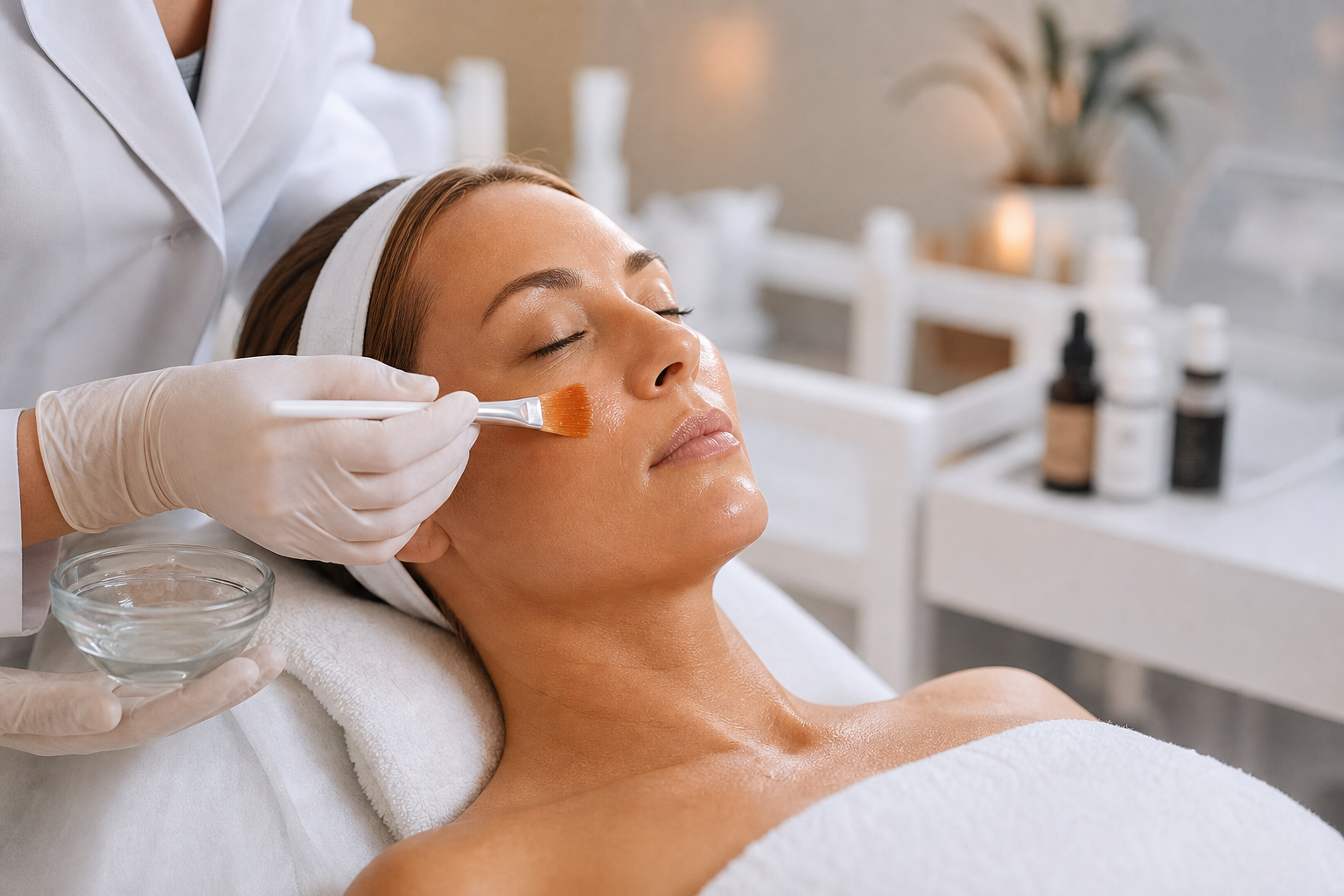
Chemical peels have emerged as a cornerstone in contemporary anti-aging facial treatments, offering individuals a scientifically grounded pathway to rejuvenated and youthful skin. At their core, chemical peels involve the application of carefully formulated acid solutions to the facial skin, designed to exfoliate damaged surface layers and stimulate regenerative processes beneath. This practice harnesses the skin's natural healing abilities to reduce the appearance of aging signs such as fine lines, wrinkles, uneven pigmentation, and sun damage.
This comprehensive guide is intended for anyone interested in exploring chemical peels as a non-invasive, effective approach to combating visible age-related skin changes. Whether you are noticing early signs of aging, seeking to maintain a vibrant complexion, or looking to address more pronounced textural irregularities and pigmentation concerns, understanding the precise mechanisms, benefits, risks, and appropriate professional care associated with chemical peels is essential.
The significance of chemical peels extends beyond mere cosmetic enhancement. These treatments offer a therapeutic avenue for skin renewal, contributing to improved skin tone, clarity, and elasticity. With advances in formulation and application, chemical peels can now be tailored to individual skin types and aging concerns, ensuring personalized treatment plans that optimize results while minimizing risks. This article will delve into the nuances of chemical peels in anti-aging care, outlining who can benefit, the types of peels available, procedural details, as well as safety considerations critical for informed decisions.
Understanding Chemical Peels: The Science Behind Anti-Aging Effects
Chemical peels work by employing active ingredients such as alpha-hydroxy acids (AHAs), beta-hydroxy acids (BHAs), trichloroacetic acid (TCA), and retinoids to selectively exfoliate the skin’s surface. This controlled injury removes dull, aged epidermal layers, allowing fresh, healthier skin cells to surface. Concurrently, the procedure induces dermal remodeling, stimulating collagen and elastin synthesis—proteins integral to skin firmness and elasticity.
The depth and intensity of the peel can vary significantly. Surface peels typically target only the outermost layer of skin, addressing mild textural concerns and serving as a maintenance modality. Medium-depth and deep peels penetrate further into the dermis, providing more dramatic improvements in wrinkles, pigmentation irregularities, and skin laxity but necessitating longer recovery times and expert administration.
Scientific insights clarify that the efficacy of chemical peels arises from this dual action: exfoliation coupled with regenerative induction. By encouraging cellular turnover and stimulating fibroblast activity in the dermis, peels help restore a smoother texture, even tone, and youthful resilience, thereby making them an essential tool in the anti-aging skincare repertoire.
Who Stands to Benefit Most From Chemical Peels as an Anti-Aging Solution?
Chemical peels cater to a broad demographic, particularly individuals beginning to experience or already displaying chronological and photo-induced aging signs. Typically, people in their mid-30s and beyond notice subtle to moderate skin changes such as fine lines, reduced elasticity, pigment spots, and a general dullness that peels can address effectively.
The treatment suits those seeking non-invasive options with measurable outcomes, including individuals desiring improvement in uneven skin tone, early wrinkles, and mild to moderate sun damage. Those with hyperpigmentation issues or post-inflammatory discolorations may find specific peel formulations particularly beneficial. Additionally, skin types that tolerate controlled exfoliation comfortably, such as normal to oily skin, often respond well to peeling procedures.
Conversely, patients with very sensitive skin or certain conditions like active rosacea, eczema, or infections may require alternative approaches or gentler peel variants to avoid exacerbating their conditions. It is paramount to undergo evaluation by a qualified dermatologist or skincare professional who can recommend a peel strategy aligned with one’s skin type, age, lifestyle, and overall skin health.
Exploring the Spectrum: Types of Chemical Peels Employed in Anti-Aging Care
The selection of the chemical peel type is fundamental to achieving targeted anti-aging results. Among the most commonly used acids are:
Glycolic Acid: An AHA derived from sugar cane, glycolic acid is prized for its tiny molecular size, allowing efficient penetration and effective exfoliation. Its ability to brighten discoloration and refine fine lines makes it a popular choice for mild to moderate anti-aging treatments.
Lactic Acid: Also an AHA, lactic acid is preferred for its hydrating properties and suitability for dry or sensitive skin types. It promotes gentle exfoliation while enhancing skin moisture levels, which can contribute to a plumper appearance.
Mandelic Acid: Due to its larger molecular structure, mandelic acid penetrates the skin more slowly, making it gentler while still providing beneficial exfoliating and antibacterial effects. It is especially useful for sensitive or mature skin seeking gradual improvement.
Trichloroacetic Acid (TCA): Available in varying concentrations, TCA peels are versatile, capable of delivering medium to deep peeling effects. TCA targets deeper layers for more pronounced improvements in wrinkles and pigment irregularities but require recovery time and are best performed by expert practitioners.
Retinol-Based Peels: These leverage vitamin A derivatives to intensify cell turnover and collagen production. Retinol peels can reduce fine lines and boost skin texture through repeated sessions, offering a less aggressive alternative to deeper acid peels.
The choice among these depends on individual skin characteristics, aging concerns, and tolerance levels. An expert’s guidance ensures that the appropriate peel type and strength optimize safety and outcomes.
Indications and Realistic Expectations With Chemical Peels in Anti-Aging Treatment
Chemical peels aim to diminish superficial signs of aging, including fine wrinkles, mild to moderate hyperpigmentation, uneven skin texture, and loss of radiance. Individuals may find that peels also benefit acne scarring and improve skin firmness through collagen stimulation.
While chemical peels are effective in refreshing the complexion and smoothing fine lines, it is important to recognize their limitations. Deep wrinkles, significant skin sagging, or advanced photodamage might require complementary treatments such as laser therapies, fillers, or surgical options for more substantial rejuvenation.
Outcomes are most favorable when patients maintain consistent skincare routines and undergo recommended series of treatments rather than relying on singular sessions. Patient education about gradual improvement, post-procedure care, and realistic goals helps align expectations and satisfaction.
Safety Profile and Precautions: Navigating the Risks of Chemical Peels
Though generally safe, chemical peels carry potential risks that necessitate cautious professional application and patient compliance. Side effects can include temporary redness, peeling, swelling, and sensitivity. Rarely, improper use can result in pigment changes, scarring, or infections.
To mitigate these risks, thorough pre-treatment consultation is essential to evaluate skin conditions, medication use, and previous dermatological history. Sensitive or reactive skin types need tailored peel strengths and post-care plans emphasizing photoprotection and skin barrier repair.
In addition, patients should avoid sun exposure before and after the procedure and commit to using broad-spectrum sunscreen rigorously. Adhering to the provider’s instructions regarding skin cleansing, moisturizing, and possible adjunctive topical medications optimizes healing and outcomes.
Timing and Tailoring Treatment: When and How to Choose the Right Chemical Peel
Seasonality plays an important role in chemical peel scheduling. Many dermatologists recommend autumn and winter months due to reduced ultraviolet (UV) exposure, decreasing the risk of post-inflammatory pigmentation and facilitating recovery. Nevertheless, with advancements in protective skincare, select peels may also be performed safely during other seasons if stringent sun avoidance is practiced.
Appropriate peel selection correlates with skin type and condition. Oily and combination skins generally tolerate glycolic and salicylic acid peels well, while drier or more delicate skin types benefit from gentler acids like lactic or mandelic acid. Medium and deep peels require greater recovery time and specialized clinical settings, reserved for cases needing intensive remodeling.
The personalization of peel choice, concentration, and frequency ensures that anti-aging goals are met efficiently while maintaining skin health and minimizing adverse reactions.
Preparing for Your Chemical Peel and Understanding the Post-Treatment Course
Proper preparation begins with a pre-peel regimen, which may include topical medications to enhance skin resilience, antiseptics to minimize infection risk, and cessation of photosensitizing products like retinoids days before treatment. Avoiding sun exposure and chronic irritation is advised.
On treatment day, patients can expect the application of the peeling solution to cause sensations ranging from mild tingling to moderate burning, dependent on peel depth and individual sensitivity. The procedure duration varies but is carefully monitored to prevent over-exposure.
Following the peel, the skin typically exhibits redness, dryness, and peeling over several days. Meticulous aftercare involving gentle cleansing, frequent moisturization, and strict sun protection is critical. Observing post-procedural instructions aids recovery and maximizes rejuvenation effects.
Facial Chemical Peels: An Effective Anti-Aging Treatment
Facial chemical peels are widely used in countries like the USA, UK, and Germany, where prices for superficial to medium-depth peels typically range from 50 to 120 USD per session. These treatments exfoliate damaged skin layers and stimulate collagen production, improving skin texture and reducing fine lines. Usually, about three sessions per year help maintain a youthful and even complexion. Deeper peels or combined protocols can incur higher costs but offer more dramatic rejuvenation effects.


