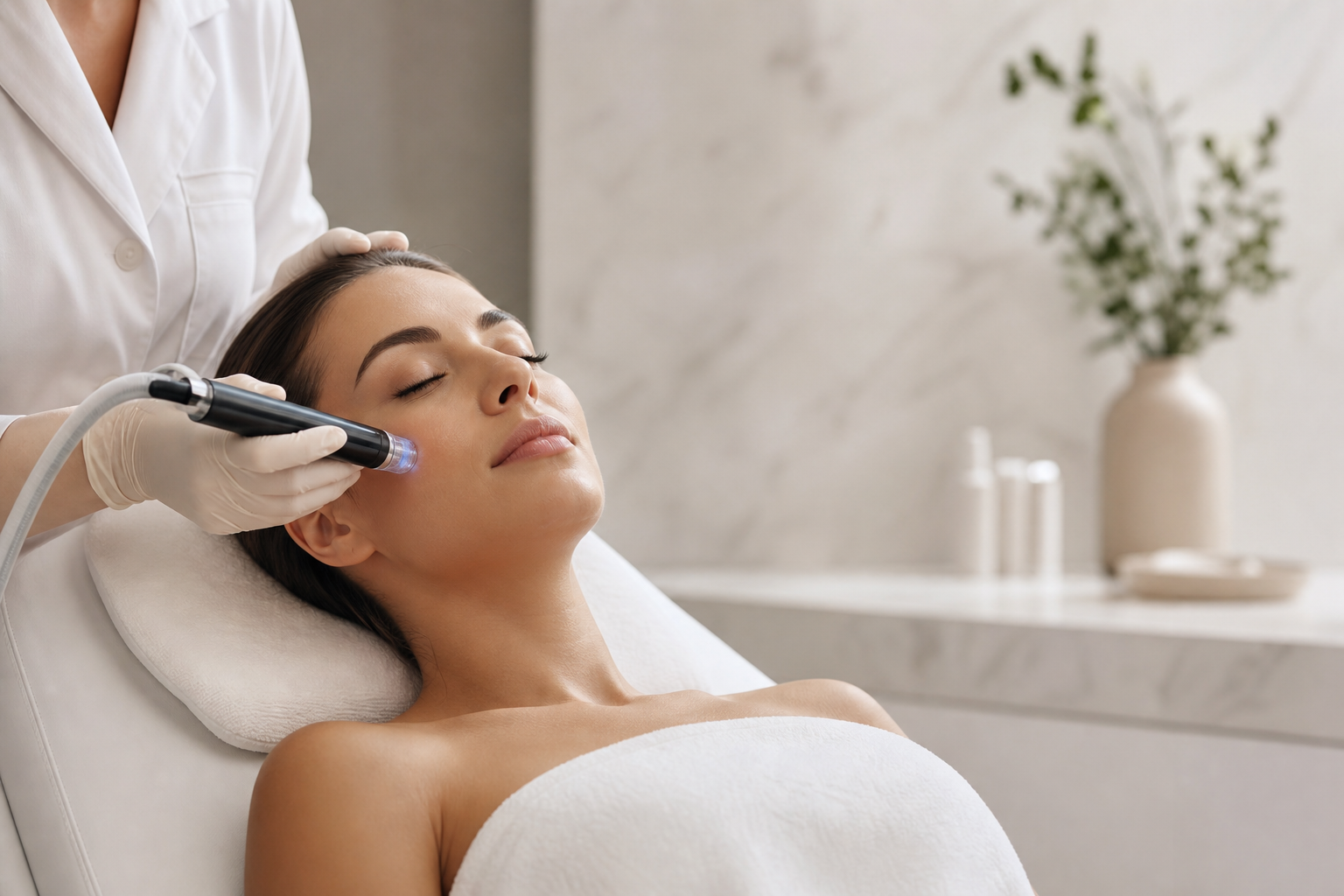
In the quest for youthful, radiant skin, anti-aging facial treatments have emerged as pivotal tools for those seeking to maintain their skin’s vitality or to reverse the visible signs of aging. These treatments encompass a variety of methods designed to target wrinkles, loss of elasticity, uneven texture, and other common concerns that develop with time. Understanding which anti-aging facial treatment is best for you requires a nuanced evaluation of your unique skin type, age, lifestyle factors, and specific aesthetic goals. This comprehensive discussion aims to provide a precise and expert overview, offering practical information to empower you to make informed decisions about your skincare journey.
This article is tailored for individuals eager to preserve their youthful complexion or those noticing the onset of fine lines and deeper wrinkles who want to explore effective, safe, and scientifically grounded solutions. The importance of selecting the appropriate anti-aging facial treatment resides not only in achieving desirable results but also in ensuring safety, considering the broad spectrum of available procedures that may not be equally suitable for all skin types or age groups.
We will delve into the mechanisms behind these treatments, their indications, expected outcomes, potential limitations, and safety considerations. Additionally, this guide highlights the critical role of consulting qualified skincare professionals to personalize your treatment approach for optimal satisfaction and longevity of results.
What Are Anti-Aging Facial Treatments and Why Are They Important?
Anti-aging facial treatments constitute a set of interventions aimed at slowing down or visibly reducing the signs of skin aging. These signs include wrinkles, diminished skin elasticity and firmness, dehydration, and uneven texture or pigmentation. The core objective of these treatments is to stimulate the skin’s natural regenerative processes, namely enhancing collagen and elastin synthesis, which are fundamental proteins that maintain the skin's structural integrity and youthful appearance.
The importance of such treatments extends beyond aesthetic enhancement. Factors like ultraviolet radiation, pollution, stress, and lifestyle choices accelerate skin aging through oxidative stress and cellular damage. Implementing anti-aging strategies helps counteract these effects, promoting healthier skin function and an improved complexion.
Regular and appropriate anti-aging care is valuable not only for its visible impact but also for reinforcing skin resilience. This, in turn, can delay the progression of aging signs and improve overall skin health.
Who Is an Ideal Candidate for Anti-Aging Facial Treatments?
Anti-aging facial treatments are suitable for a broad demographic, ranging from individuals in their late twenties who wish to implement preventive measures, to mature adults seeking rejuvenation and correction of advanced aging signs. The best candidates are those with specific concerns such as fine lines, loss of skin tone, dryness, and early to moderate signs of sagging. However, the suitability depends heavily on skin type, individual health considerations, and treatment goals.
Those with sensitive skin, chronic skin conditions like eczema or rosacea, or specific allergies should approach these treatments with caution and under medical supervision. Adequate professional assessment ensures that the chosen procedure aligns with one's skin’s condition, minimizing risks and enhancing efficacy.
Importantly, anyone considering anti-aging treatments should maintain realistic expectations and understand that results vary according to treatment type, skin response, and consistency of care.
How Is Skin Evaluated Before Choosing an Anti-Aging Treatment?
A thorough consultation with a dermatologist or certified skincare specialist is essential before undergoing any anti-aging facial treatment. This evaluation typically involves a detailed analysis of your skin type (oily, dry, combination, sensitive), elasticity, hydration level, pigmentation, and the depth and distribution of wrinkles.
Modern diagnostic tools, such as skin imaging devices and hydration meters, assist clinicians in visualizing subsurface damage and quantifying skin parameters objectively. These data points guide the selection of the most appropriate and effective treatment tailored to the individual’s needs.
Through this process, practitioners also consider external factors like sun damage and lifestyle habits that influence skin aging, ensuring a holistic and precise treatment plan.
Which Are the Most Common and Effective Anti-Aging Facial Treatments?
The array of anti-aging facial treatments is diverse, ranging from non-invasive procedures to minimally invasive techniques, each with distinct mechanisms and results. Popular non-invasive options include:
Chemical Peels: These involve the application of acids to exfoliate damaged outer layers, promoting new skin growth and improving texture and tone. They are effective for fine lines and pigmentation issues.
Laser Therapies: Lasers target deeper layers to stimulate collagen synthesis and address wrinkles, scars, and pigmentation. Fractional and non-ablative lasers are commonly employed for skin rejuvenation.
Radiofrequency (RF) Treatments: RF uses controlled heat to tighten skin by inducing collagen remodeling, enhancing firmness and reducing sagging.
Microneedling and Needle-Free Mesotherapy: These procedures stimulate skin repair mechanisms, enhancing nutrient absorption and hydration.
Topical Vitamin C and Hyaluronic Acid Treatments: These antioxidants and hydrators support skin repair, brightness, and moisture retention.
The best treatment often involves a combination approach customized to individual skin needs and aging progression.
How Do Anti-Aging Facial Treatments Work and What Safety Measures Are Important?
Anti-aging treatments function by activating the skin's intrinsic repair pathways. Collagen and elastin production, two key proteins that diminish with age, are stimulated through controlled injury or biochemical intervention depending on the treatment modality. Enhanced cell turnover reduces fine lines and improves skin texture.
Safety is paramount; thus, treatments conducted by trained professionals ensure appropriate technique, timing, and aftercare. Non-invasive treatments carry lower risks and shorter recovery periods, while minimally invasive procedures may require more skills and patient preparation.
Adherence to pre-treatment instructions such as avoiding sun exposure and certain skincare products reduces complications. Post-treatment care, including adequate hydration, sun protection, and avoiding irritants, supports optimal healing and outcomes.
How Does Age Influence the Choice of Anti-Aging Treatment?
Age is a guiding parameter for treatment selection, reflecting the skin's physiological changes at different life stages:
In Your 20s and 30s: The emphasis is largely on prevention and maintenance. Treatments focus on hydration, protection, and gentle stimulation, such as light chemical peels and antioxidant-rich therapies, to delay aging onset.
In Your 40s and 50s: Deeper lines and reduced elasticity become more prominent. Interventions like radiofrequency, laser therapies, and more intensive peels provide visible rejuvenation and firming effects.
60 and Beyond: Addressing sagging skin and volume loss requires a combination of firming treatments and moisturization strategies, sometimes integrating minimally invasive procedures to restore youthful contours.
Customization in each stage is essential to match the skin’s resilience and healing capacity.
Which Treatments Best Address Fine Lines Versus Deep Wrinkles?
The nature and depth of wrinkles guide treatment choice considerably. For fine lines, gentle interventions that promote hydration and skin cell renewal, such as mild chemical peels, hydrating mesotherapy, and topical antioxidants, are preferred. These improve skin texture and prevent progression.
Deep wrinkles often necessitate more intensive approaches. Fractional laser resurfacing and radiofrequency can tighten skin and boost collagen deeply. Injectable hyaluronic acid fillers may be used to restore volume and smooth deeper lines, although these involve minimally invasive procedures and require expert administration.
Accurate assessment ensures treatment efficacy and reduces overtreatment or unsatisfactory outcomes.
How to Identify the Most Effective Treatments for Sagging Skin?
Sagging or lax skin results from decreased collagen and elastin as well as loss of facial fat pads. Treatments stimulating collagen remodeling without surgery are highly sought after. Radiofrequency therapies and ultrasound-based lifting techniques penetrate deeper skin layers, inducing tightening and contour restoration.
Needle-free mesotherapy and microneedling further promote collagen production and skin firmness. Consistent application combined with lifestyle factors such as nutrition and sun protection enhances and sustains improvements.
Choosing a treatment regimen with ongoing professional evaluation ensures long-term maintenance of skin tone and vitality.
When Should You Consult a Specialist Before Starting Anti-Aging Treatments?
Consulting a qualified dermatologist or licensed aesthetician prior to initiating any anti-aging facial treatment is essential. Specialists perform comprehensive skin analyses, identify contraindications, and tailor treatments to individual conditions and goals.
Certain dermatological conditions—such as rosacea, eczema, or hypersensitivity—may contraindicate specific treatments or necessitate modifications. Furthermore, monitoring treatment progress and response requires professional oversight to adjust care plans appropriately and manage any adverse events.
What Should You Expect Before, During, and After an Anti-Aging Facial Treatment?
Preparation involves following expert recommendations, which may include avoiding sun exposure, discontinuing certain products, and cleansing the skin thoroughly prior to treatment. Understanding the procedure helps mitigate anxiety and improves cooperation.
During treatment, sensations may range from mild tingling to slight discomfort, depending on the modality. Visible side effects such as redness or swelling are typically temporary and subside within hours to days.
Post-treatment care is critical; patients are advised to maintain hydration, apply sunscreen rigorously, and avoid harsh skincare products or mechanical exfoliation until the skin has fully recovered. Scheduled follow-ups enable practitioners to evaluate results and plan subsequent sessions if necessary.


