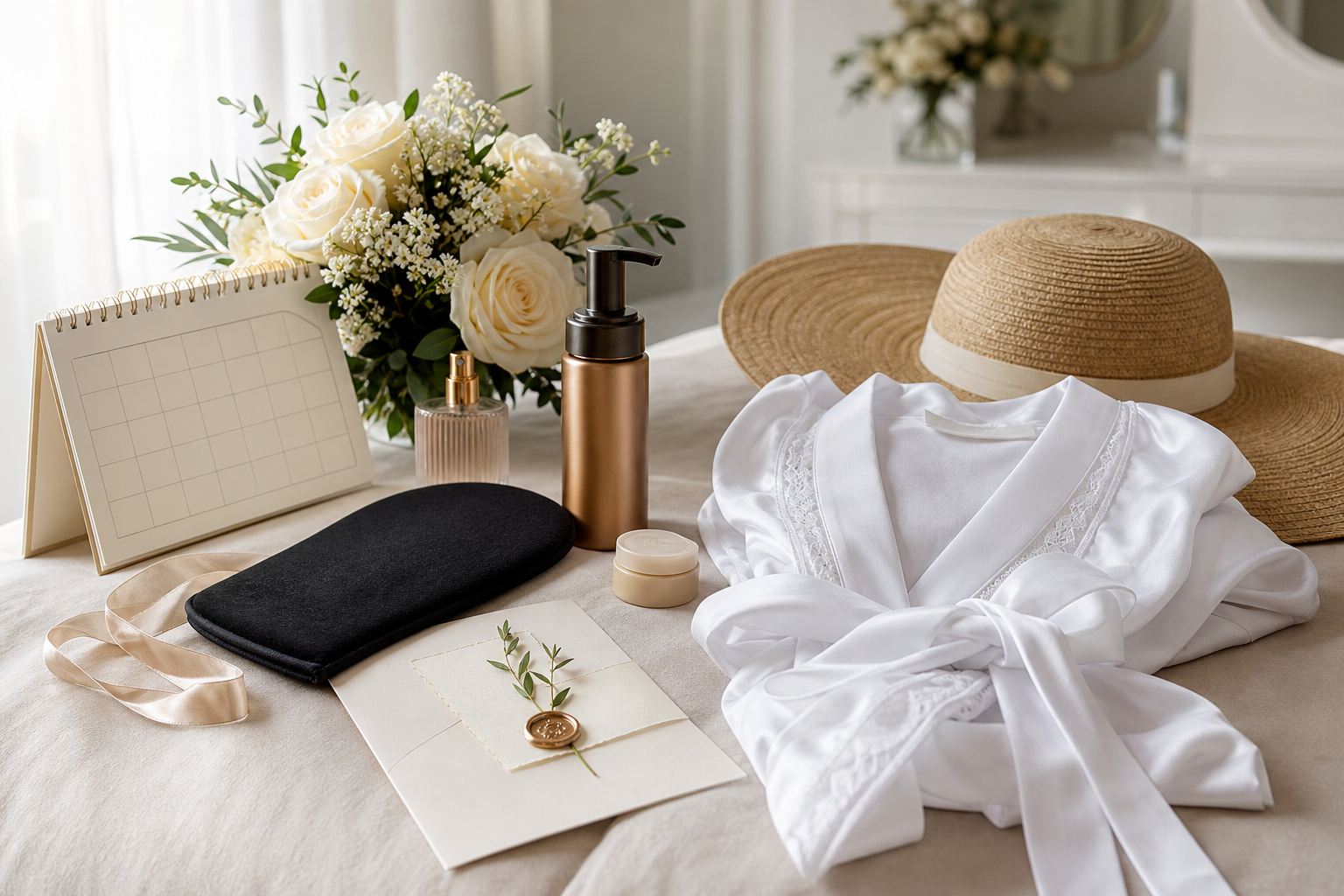
Spray tans have emerged as a contemporary and practical alternative for individuals seeking a beautifully even sun-kissed complexion without the risks associated with prolonged ultraviolet (UV) exposure. This cosmetic treatment’s popularity has surged particularly among those preparing for weddings, holidays, proms, photoshoots, and other high-profile occasions where appearance is paramount. Unlike traditional tanning methods that rely on sunbathing or tanning beds, spray tanning offers a controlled and customizable solution, allowing users to achieve their desired shade of bronze safely and efficiently.
Spray tanning is ideal for anyone wishing to enhance their natural glow while minimizing skin damage. It addresses the needs of individuals with fair or sensitive skin prone to burning, people who want immediate tan results or those who prefer to avoid unpredictable outdoor tanning outcomes. This treatment is especially important for brides and grooms, vacationers longing for a radiant beach-ready look, and performers or models requiring flawless skin tone on their big day. Because it works by applying a specialized active ingredient that interacts with the outer skin layer, spray tanning provides a natural, streak-free tan that develops gradually over hours.
With the increasing awareness of skin health and the desire for impeccable appearances on special days, understanding how spray tans function, their timing, preparation, maintenance, and coordination with other beauty elements has become essential. This article offers an in-depth exploration tailored to those considering spray tans for weddings, holidays, and other special events, highlighting practical advice to maximize results and achieve a balanced, healthy glow.
What Is Spray Tanning and How Does It Work?
Spray tanning is a form of cosmetic bronzing that leverages the chemical dihydroxyacetone (DHA) to create an artificial tan without exposure to UV rays. DHA is a colorless sugar that reacts with amino acids in the outermost dead skin cells, resulting in a temporary darkening effect visible within a few hours.
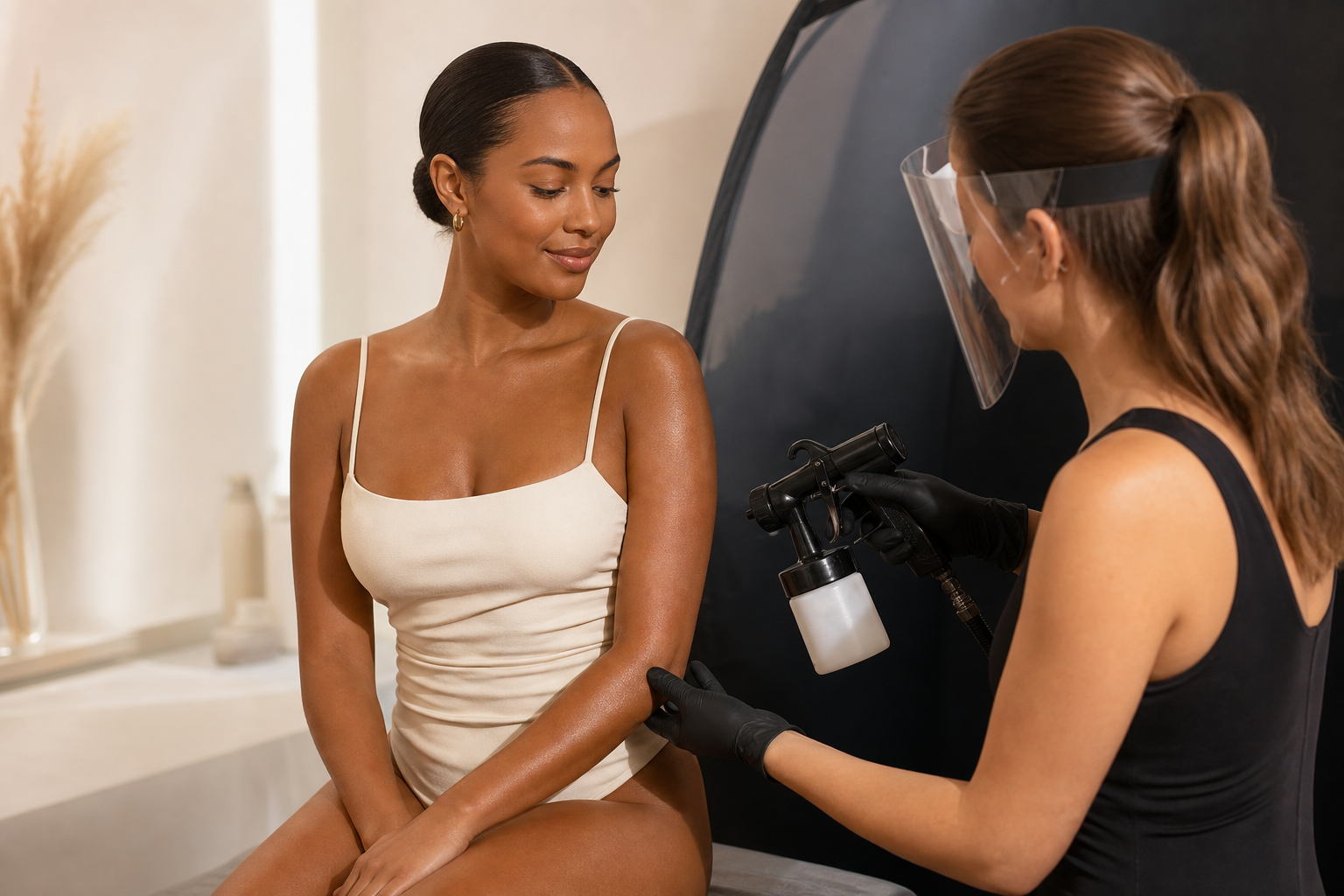
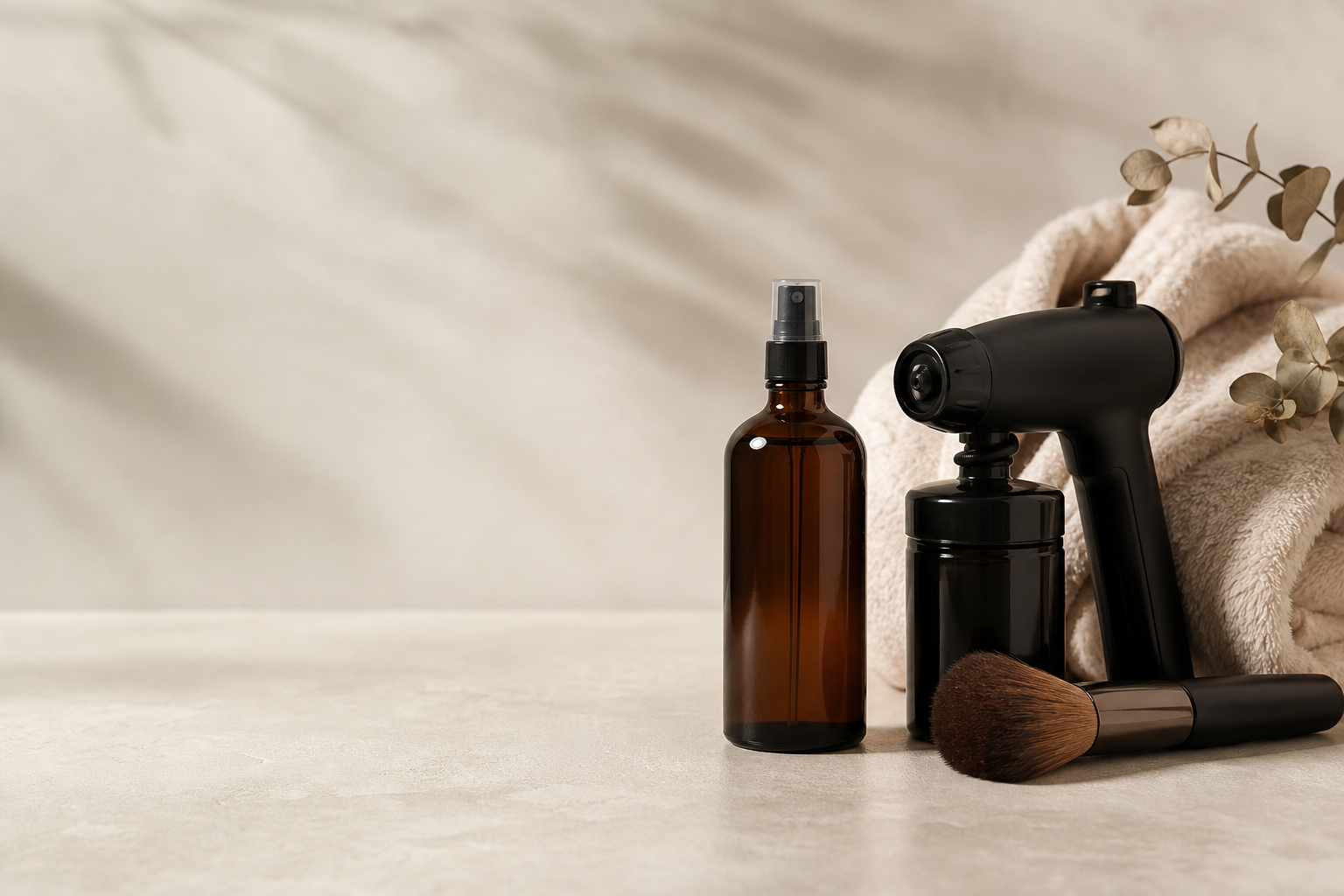
The process involves the application of a finely misted solution over the skin using either automated booths or manual spray guns handled by trained technicians. This method ensures an even distribution of color across large areas or targeted zones, enabling customization from subtle bronze hues to deeper golden tones based on personal preference.
The full color develops typically within 6 to 8 hours, evolving gradually rather than appearing instantaneously, which mimics the natural tanning process. Importantly, because DHA only interacts superficially, spray tans are non-invasive and safe when performed under professional supervision using quality products. However, it is critical to understand that spray tans do not offer protection against UV radiation; thus, applying broad-spectrum SPF sunscreen remains necessary whenever skin is exposed to sunlight.
Why Choose Spray Tan for Weddings and Other Special Occasions?
The desire to look flawless on significant occasions such as weddings is a primary motivator for opting for spray tanning. On these special days, every detail is scrutinized, and skin tone plays a vital role in complementing photography, makeup, and attire. Spray tans impart a radiant glow that accentuates facial features and body contours, contributing to a vibrant and youthful appearance without the unpredictability of sun tanning.
Unlike sunbathing, which can result in uneven tone or sunburn, spray tans offer precise control over the shade and longevity, enabling clients to align their tan perfectly with their complexion and event timing. Additionally, for individuals who are attempting to avoid UV damage or who live in regions with limited sunshine, spray tanning presents a risk-free way to obtain a healthy bronze complexion when it matters most.
Beyond weddings, spray tans benefit prom attendees, holidaymakers preparing for beach vacations, models participating in photoshoots, and anyone attending milestone celebrations. In all these contexts, a natural, sun-kissed appearance enhances confidence and overall presentation. By selecting professional applications, users can avoid the often undesirable orange hues or patchy results associated with untutored self-application.
How to Schedule Your Spray Tan Around Important Events
Timing is critical when planning a spray tan before any major occasion. To achieve optimum results, experts recommend scheduling the treatment approximately 1 to 3 days prior to the event. This window allows the color to fully develop and any minor imperfections to be addressed. For example, brides are advised to have a trial spray tan at least several weeks ahead of the wedding day to test color compatibility and skin reaction, with the final full-body tan appointment closer to the actual event.
For holiday departures, spray tanning just before leaving ensures a fresh tan that will endure for the initial phase of vacation. Photographic shoots may allow slightly more flexibility in scheduling but should still avoid last-minute applications to reduce the chance of streaking or unevenness. Avoiding last-minute experiments or multiple treatments in quick succession helps maintain a natural appearance and prevents over-darkening.
Adhering to a thoughtfully crafted timeline also facilitates the seamless integration of your spray tan with other beauty preparations such as waxing, exfoliation, and moisturizing routines.
What Preparations Are Necessary Before a Spray Tan?
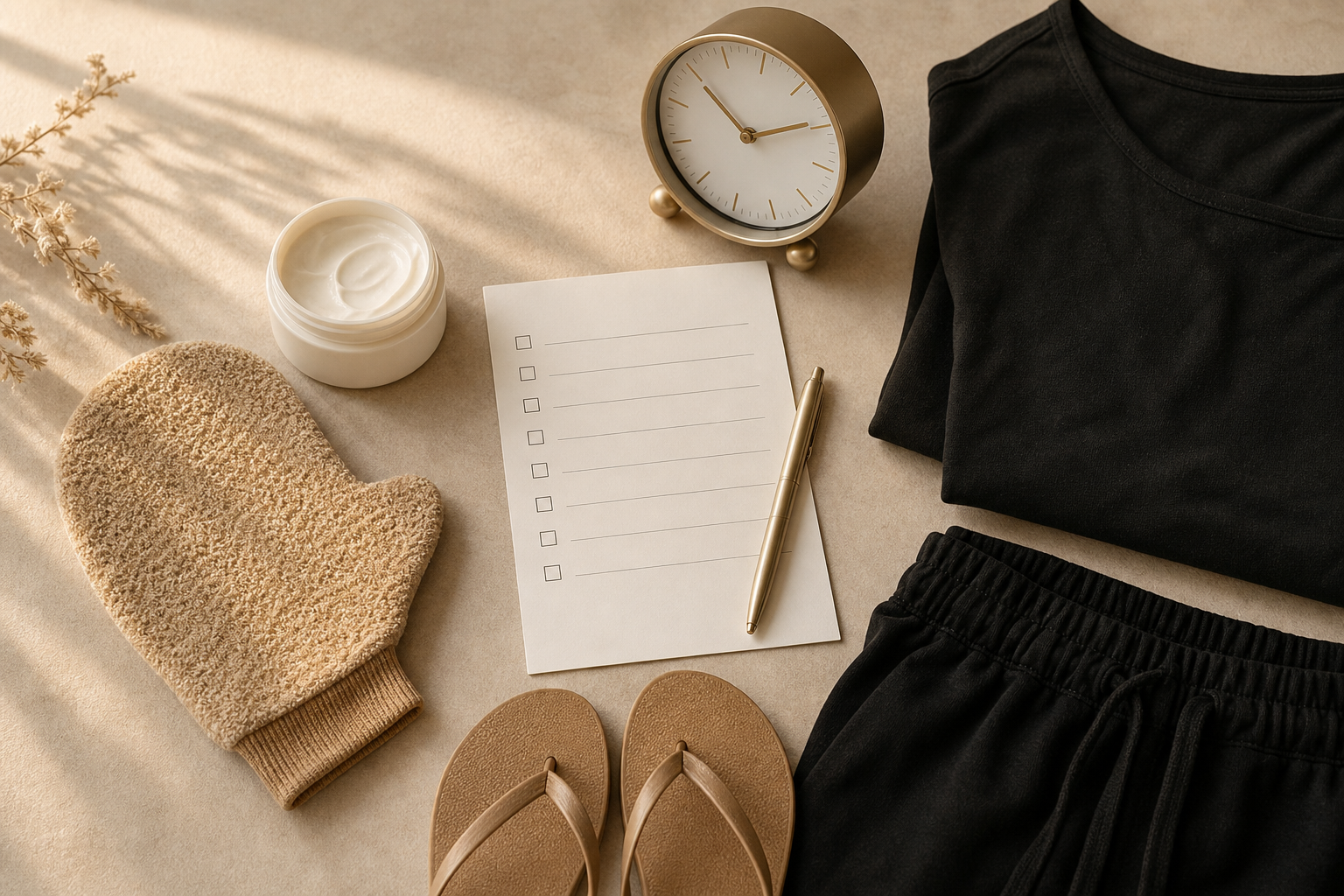
Achieving a flawless spray tan heavily relies on proper skin preparation. Ideally, the day before your session, perform a full-body exfoliation to remove dead skin cells and oils that might interfere with tanning solution absorption. This step ensures a smooth, uniform surface, reducing blotchiness and patchiness.
On the day of your spray tan, avoid moisturizing, deodorants, perfumes, or makeup, as these can create a barrier preventing even application. Wearing loose, dark-colored clothing to your appointment and afterward minimizes friction and staining, helping the tan set properly.
It is also important to be mindful of body hair removal schedules, preferably completing waxing or shaving at least 24 hours before tanning to prevent skin irritation. Clear communication with your spray tan technician regarding your desired tan depth and any sensitive areas will help tailor the treatment to your skin type and event requirements.
How to Coordinate Your Spray Tan with Makeup and Wardrobe Choices
A key consideration for any special occasion is the harmony between your tan, makeup, and clothing. Spray tans generally complement warm-toned makeup palettes, enhancing natural warmth in the complexion. Subtle bronzers, peachy blushes, and nude lip colors work beautifully with lighter tans, whereas deeper sprays can accommodate richer hues such as copper eyeshadows and berry lipsticks.
Wardrobe choices should ideally avoid stark contrasts with your tan shade to maintain a cohesive look. For example, very light or white clothing may show transfer marks if worn immediately after the treatment. Fabrics should be soft and non-abrasive to prevent rubbing off the developing color. Planning outfits in advance and consulting with styling professionals when possible ensures that your overall appearance is polished and balanced.
Is a Trial Spray Tan Session Necessary Before the Event?
Conducting a trial spray tan is highly advisable, particularly for weddings or other major celebrations. This preliminary session helps you evaluate how your skin responds to the tanning formula, identifies the most flattering shade, and familiarizes you with the post-application care required.
Moreover, a trial reduces anxiety on the day of the event, as unexpected unevenness or reactions can be addressed well before the main spray tan appointment. It also allows you to coordinate the spray tan with your makeup artist and stylist for a harmonious final look.
While some individuals may feel confident foregoing a trial, the benefits of this precaution often outweigh the costs, especially when aiming for perfection on once-in-a-lifetime occasions.
What to Expect and How to Maintain Your Spray Tan Longevity?
Post-application, most clients notice gradual color development over 6 to 8 hours as the DHA reacts with the skin. To avoid streaking, it is best to refrain from showering or sweating excessively within this timeframe. Once the color has fully developed, the tan usually lasts between 5 and 10 days, fading evenly as dead skin cells naturally exfoliate.
Maintaining hydration is paramount to prolong your spray tan. Moisturize daily with gentle, fragrance-free lotions and avoid exfoliating products that can accelerate fading. Limiting long hot baths or swimming sessions can also help preserve the tan’s vibrancy.
Remember, spray tans do not provide UV protection; therefore, applying sunscreen with SPF 30 or higher whenever outdoors remains essential for skin health and to prevent tanning unevenness.
Common Challenges Associated with Spray Tanning and How to Avoid Them
While spray tans offer numerous benefits, they may present challenges such as uneven color distributions, orange hues, staining of clothing, or an unnatural appearance if not properly managed. To minimize these issues, selecting reputable salons with experienced technicians and high-quality tanning solutions is crucial.
Adhering to pre- and post-tanning instructions diligently, including exfoliation, appropriate attire, and moisturization, also mitigates the risk of imperfections. Avoid last-minute applications and experimentation with untested products, especially before important events, to ensure the best outcomes.
Should irregularities occur, experienced professionals can often perform corrective applications or suggest treatments to even out the color, highlighting the importance of professional guidance throughout your tanning journey.