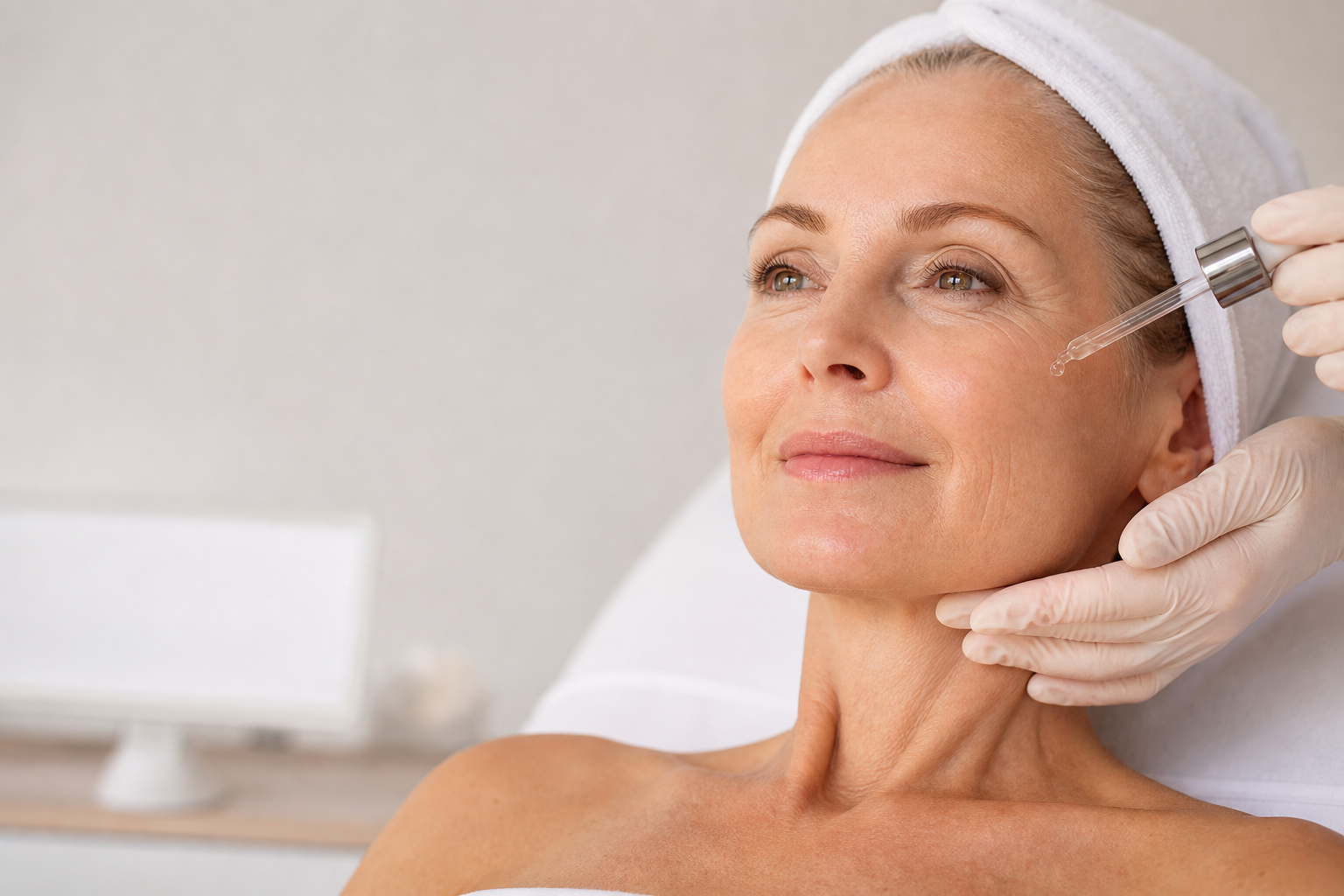
Benzoyl peroxide is widely known for its effectiveness in treating acne, a common skin condition characterized by inflammation, clogged pores, and bacterial growth. While it has historically been utilized primarily to combat acne vulgaris, recent developments have highlighted its potential role within anti-aging facial treatments. This evolution broadens the appeal of benzoyl peroxide beyond younger individuals prone to acne, extending its relevance to mature skin seeking to maintain a fresh, smooth appearance.
Understanding the proper use of benzoyl peroxide in anti-aging skincare regimens is essential for safely maximizing its benefits while minimizing unwanted side effects. This article addresses key aspects of benzoyl peroxide's function, indications for use in anti-aging contexts, practical application methods, safety considerations, and integration within broader facial routines.
Such information is relevant primarily to skincare enthusiasts, dermatology patients, and anyone considering incorporating benzoyl peroxide into an anti-aging plan—particularly those managing acne-prone or inflamed skin associated with aging or environmental damage. Clarifying the nuances of benzoyl peroxide use empowers informed decisions conducive to healthier, younger-looking skin.
What Is Benzoyl Peroxide and How Does It Function on the Skin?
Benzoyl peroxide (BP) is an organic compound renowned for its potent antibacterial and keratolytic properties, targeting acne-causing bacteria and promoting exfoliation. Mechanistically, benzoyl peroxide decomposes upon application to generate free oxygen radicals, which selectively eradicate anaerobic bacteria such as Cutibacterium acnes (previously Propionibacterium acnes). This bacterial reduction disrupts inflammation within hair follicles, a critical factor in acne development.
Additionally, BP facilitates desquamation—removal of dead skin cells—by mildly thinning the stratum corneum. This keratolytic effect helps prevent comedones (clogged pores) by discouraging accumulation of skin debris, thereby maintaining more breathable, clearer skin.
Beyond acne treatment, benzoyl peroxide's oxidative activity encourages cellular turnover and renewal processes. While more commonly associated with retinoids or alpha hydroxy acids in anti-aging care, BP’s mild exfoliative function can aid in reducing texture irregularities and soften fine lines caused by age or photodamage.
However, the oxidative mechanism also poses a risk of irritation, especially in sensitive individuals. Consequently, appropriate formulation selection and measured usage are crucial to balancing efficacy versus side effects.
Who Benefits from Incorporating Benzoyl Peroxide into Anti-Aging Facial Treatments?
Benzoyl peroxide is particularly suitable for adults experiencing persistent acne or post-acne inflammation alongside age-related skin concerns. This includes individuals whose skin demonstrates signs of premature aging—such as fine lines, uneven texture, and dullness—aggravated by chronic inflammatory processes.
Mature skin types that retain a tendency toward breakouts, clogged pores, or sebaceous follicle dysfunction may find BP a valuable adjunct to anti-aging routines. By controlling inflammation and clearing debris, it supports the preservation of skin’s radiance and may reduce secondary signs of aging linked to environmental stressors and physiological changes.
Conversely, those with extremely dry, irritated, or compromised skin should approach BP cautiously or avoid it, as its oxidative nature can exacerbate sensitivity and dryness. Consultation with a dermatologist can clarify suitability and guide individualized treatment strategies.
What Are the Practical Guidelines for Using Benzoyl Peroxide in Your Facial Care Regimen?
Proper use is paramount to harnessing the benefits of benzoyl peroxide while minimizing irritation. Start with low-concentration preparations (typically 2.5% to 5%) to assess skin tolerance. These concentrations can effectively reduce acne-related inflammation without excessive drying.
Apply BP products to thoroughly cleansed, dry skin once daily in the evening. After initial acclimation, usage may increase to twice daily based on response and comfort. Avoid contact with sensitive areas such as the eyes, nostrils, and lips.
Complement application with a non-comedogenic, fragrance-free moisturizer rich in ceramides or hyaluronic acid immediately after BP absorption to soothe potential dryness and strengthen the skin barrier.
A key consideration is avoiding simultaneous use of other potentially irritating actives like retinoids, salicylic acid, or glycolic acid unless under expert supervision, as combination regimens can escalate sensitivity.
Furthermore, due to BP-induced photosensitivity, daily use of broad-spectrum sunscreen is mandatory to prevent UV damage and photoaging.
What Limitations and Side Effects Should Users Expect With Benzoyl Peroxide?
While benzoyl peroxide is effective, users should anticipate some degree of irritation, especially during initial treatment phases. Common side effects include redness, peeling, dryness, and mild burning or stinging sensations.
These reactions signify a normal adjustment period but can be mitigated by gradual introduction, spacing applications, or employing gentle moisturizers.
Severe allergic responses are rare but warrant immediate discontinuation and medical assessment. Additionally, BP’s oxidative properties may bleach colored fabrics and hair, so care during application and use of appropriate protective clothing or towels is advisable.
In terms of functional limitations, BP is not a comprehensive anti-aging agent—it primarily addresses acne and inflammation. Hence, expectations should be calibrated accordingly.
How Can Benzoyl Peroxide Be Safely Integrated Alongside Other Anti-Aging Ingredients?
Effective anti-aging regimens often involve multiple actives targeting diverse pathways of skin aging. Benzoyl peroxide can complement such formulations by managing inflammatory components, thereby enhancing the skin’s receptiveness to other agents.
To incorporate BP safely, avoid concomitant application with retinoids or chemical exfoliants unless staggered—e.g., BP in the evening and retinoids in the morning. This spacing reduces irritation risk while promoting synergistic benefits.
Moisturizers enriched with niacinamide or antioxidants (vitamin C, E) further support barrier function and enhance anti-inflammatory effects, potentially soothing side effects.
Such strategic layering requires patience and often professional guidance to optimize concentration, timing, and compatibility for individual skin profiles.
When Should Consultation With a Dermatology Specialist Be Considered Before Using Benzoyl Peroxide?
Professional advice is recommended particularly for individuals with sensitive skin, existing skin conditions such as eczema or rosacea, or when acne persists or worsens despite treatment. Dermatologists can recommend appropriate BP strengths, complementary therapies, or alternative treatments better suited to one's skin type and concerns.
Moreover, mature adults seeking to integrate BP within anti-aging treatments should obtain expert assessment to tailor protocols that mitigate irritation while addressing complex, multifactorial skin aging processes.
What Outcomes Can Users Realistically Expect From Benzoyl Peroxide in Anti-Aging Facial Treatments?
With consistent use under recommended guidelines, benzoyl peroxide can reduce acne lesions, decrease redness and swelling, and improve pore clarity. In the context of anti-aging, these improvements translate into smoother, more even-toned skin with diminished inflammatory signs that could otherwise accelerate aging.
Visible changes typically emerge within several weeks, although full benefits might require months of continual treatment. Users should monitor skin responses carefully and adjust regimens as needed to maintain comfort and efficacy.
Importantly, BP does not reverse intrinsic aging but supports a clearer foundation upon which other anti-aging strategies can build.
Are There Alternative Ingredients to Benzoyl Peroxide for Managing Acne and Aging Skin?
For those intolerant of benzoyl peroxide or seeking complementary options, ingredients such as salicylic acid, azelaic acid, niacinamide, and retinoids provide valuable alternatives or adjuncts.
Salicylic acid, a beta-hydroxy acid, exfoliates pores and reduces inflammation with less irritation risk. Azelaic acid offers antimicrobial and anti-inflammatory actions suited for sensitive skin. Niacinamide improves barrier function and helps reduce hyperpigmentation, a common aging concern. Retinoids accelerate cell turnover, stimulate collagen, and counteract fine lines.
Choosing among these depends on individual skin needs, sensitivities, and treatment goals, reinforcing the importance of personalized consultation.
How Does Benzoyl Peroxide Fit Within Contemporary Non-Invasive Facial Rituals?
In modern facial care, benzoyl peroxide complements non-invasive treatments by tackling inflammation and pore congestion—factors that impair skin luminosity and texture. Its inclusion supports clear, resilient skin that responds favorably to hydration boosters, antioxidants, and tightening procedures commonly used in anti-aging protocols.
Combined thoughtfully, BP adds a therapeutic dimension that can enhance overall facial quality without resorting to more aggressive interventions.
Thus, when integrated carefully alongside hydrating masks, serums, and sunscreen, benzoyl peroxide empowers a holistic approach to managing aging skin characterized by residual acne or inflammation.


