In the realm of modern beauty and skincare, spray tanning has emerged as a favored alternative to traditional sunbathing and tanning beds. It offers a quick, UV-free method to achieve that coveted sun-kissed glow. Yet, for many considering or using spray tan treatments, a persistent question arises: does a spray tan appear the same in real life as it does in photographs? This inquiry is crucial not only for those seeking a seamless natural look but also for influencers, models, and everyday users who want confidence in how their tan translates visually across various settings.
This article is crafted to dissect the nuances behind the appearance of spray tans in person and on camera, offering clarity based on scientific principles, cosmetic practices, and lighting variables. It is tailored for anyone curious about how a spray tan behaves outside the salon environment—whether social media posts reflect reality—and what factors impact these visual differences. Understanding this dynamic will help users set realistic expectations, approach spray tanning safely, and optimize outcomes without misconceptions or disappointment.
Spray tan's popularity hinges on its ability to deliver a safer, pleasant bronzed complexion without the hazards of UV exposure. However, its visual outcome can be subject to misinterpretation if one does not consider critical aspects such as skin chemistry, lighting conditions during photo capture, and the product formulation itself. A transparent, informed discussion on these points ensures responsible use and appreciation of spray tanning's benefits while acknowledging its limitations and the need to complement it with sun protection.
What Is Spray Tan and How Does It Work?
Spray tan is a cosmetic procedure involving the application of a fine mist containing dihydroxyacetone (DHA), a colorless sugar that interacts with amino acids in the skin's outermost layer to produce a temporary darkening effect. Unlike traditional tanning methods that rely on ultraviolet (UV) radiation to stimulate melanin production leading to pigment darkening, spray tans create a superficial, artificial tan by this chemical reaction.
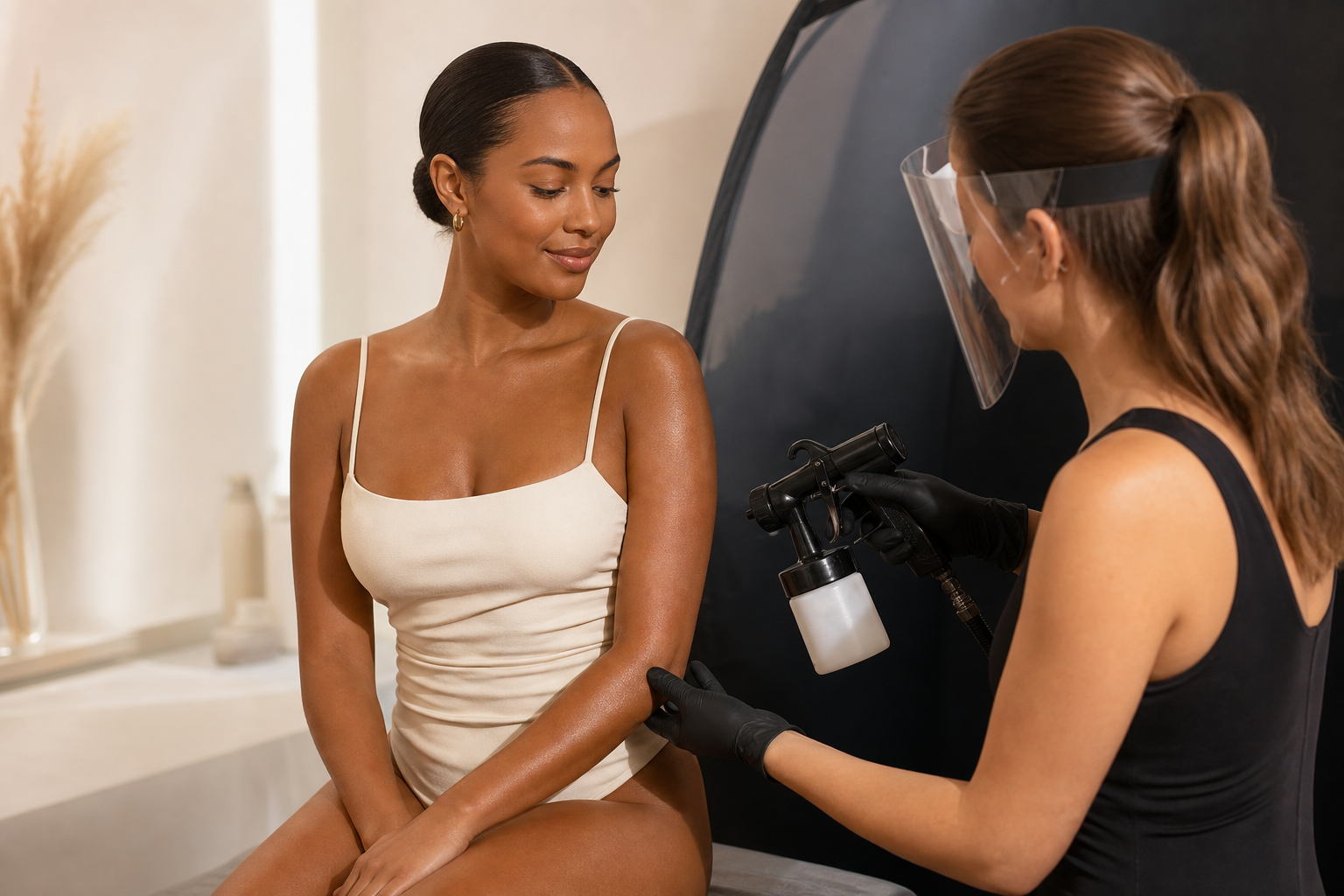
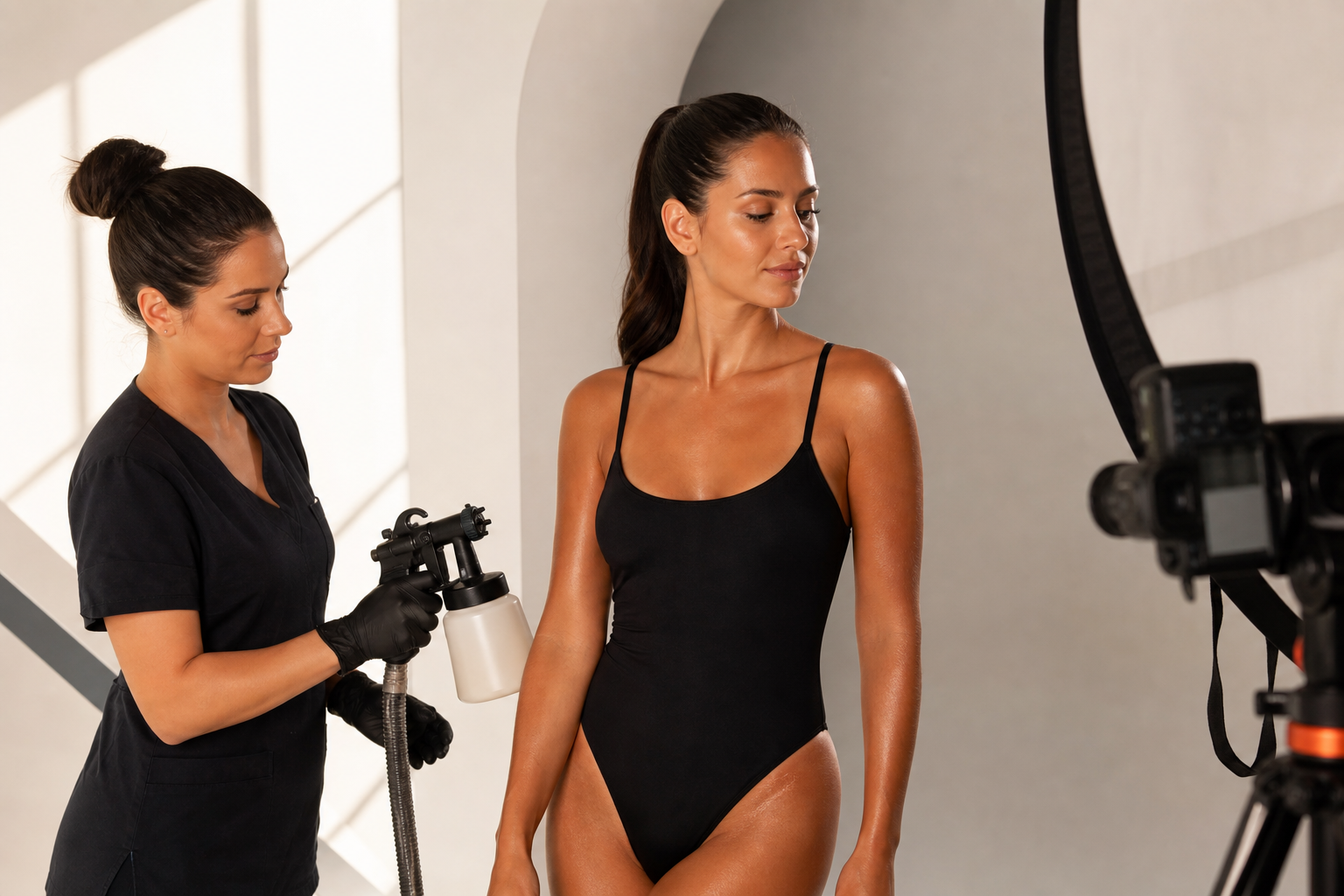
The treatment is typically performed using a specialized spray gun operated by a professional or through at-home spray kits. The result is an even tone that develops over several hours and lasts approximately five to ten days depending on skin type, care, and exposure. Because the coloration only affects the stratum corneum and is not integrated into deeper layers, it gradually fades as skin naturally exfoliates.
This mechanism is critical to know because it outlines the fundamental differences between spray tanning and UV tanning, emphasizing safety benefits but also explaining why the color's long-term stability and visual presentation can vary uniquely from natural sunbathing results.
Why Might Spray Tan Look Different in Photos Compared to Real Life?
The disparity between a spray tan's appearance in person and through a camera lens often causes confusion. This difference fundamentally results from how light interacts with the skin and is processed by the camera sensor and post-processing software. Various lighting settings—from natural daylight and studio flash to incandescent or LED lighting indoors—affect the visual depth and warmth perceived in the tan.
For instance, bright daylight can amplify the gold and bronze undertones, making the tan appear more radiant or even subtly orange, while softer indoor light may flatten the hue or conceal fine gradations. Photography equipment also plays a role: camera sensors interpret colors via a combination of white balance settings, exposure levels, and color profiles, which can skew the natural skin tone’s appearance. Furthermore, photo editing or filters applied after the fact often enhance or alter the tan’s look dramatically compared to the untreated eye.
Surface factors such as skin texture, natural oils, sweat, and the presence of moisturizers can create reflections or matte finishes that also influence photographic capture. Because spray tan color sits exclusively on the skin’s surface, these effects alter how light bounces off, leading to notable discrepancies between real life and images.
What Factors Influence the Visual Outcome of Spray Tan Treatments?
The final look of a spray tan is not solely dependent on the product but also on several linked factors that shape its finish and longevity. Primary among these is the individual's skin type and its preparatory condition. Drier skin typically absorbs DHA more intensely, yielding a deeper, sometimes more orange tint, whereas oily or hydrated skin may yield a lighter, softer tan.
Proper exfoliation prior to application is essential for uniform coloring; dead skin cell buildup can result in patchiness or uneven tone. Equally, the concentration and formula of the DHA product—ranging from lighter bronzers to darker, more saturated hues—directly affect how the tan appears. Professional skill in the even and thorough application is critical to eliminating streaks or blotches that photographs make especially noticeable.
Post-tan care is also vital. Avoiding water, excessive sweating, and abrasive clothing or scrubbing for the initial period post-application allows the color to fully develop and set. Continuous hydration with gentle moisturizers extends tan lifespan and maintains visual smoothness. Conversely, exposure to harsh soaps, prolonged baths, or chlorinated water accelerates fading, often highlighting uneven patches.
How Can One Achieve Consistency Between Natural and Photographed Appearances?
Achieving a spray tan that translates faithfully from real life to photographs requires a holistic approach—from selecting appropriate products to managing environmental conditions during imaging. Collaboration with certified spray tan technicians who understand skin chemistry and color theory helps tailor treatments to individual skin tones, ensuring a natural finish that resists orange or overly dark undertones.
Moreover, individuals should be mindful of the lighting and camera settings when photographed. Photographers skilled in flattering lighting can reduce harsh shadows and overexposure that distort color perception. Soft, diffused light, and properly calibrated white balance contribute to accurate representations of the tan on screen or print.
Consumer education about optimal pre- and post-care routines enhances result consistency, as does the use of complementary makeup and skincare products designed not to interfere with the tan’s integrity. Understanding that slight variations between appearance in different contexts are normal yet manageable further aids in setting realistic expectations.
Does Spray Tan Offer Any Sun Protection?
A common misconception is that spray tanning provides some level of sun protection. It is essential to clarify that DHA-based spray tans do not function as a sunscreen. They do not block or absorb harmful UVA or UVB rays, nor do they contain ingredients with sun-filtering properties.
Dermatologists widely recommend that spray tan users continue applying broad-spectrum sunscreen with an SPF of 30 or higher whenever exposed to daylight. This practice protects against skin damage and photoaging regardless of any tanning treatment. Equating spray tan with sun protection can foster risky behaviors leading to sunburn or increased skin cancer risk, underscoring the critical need for accurate public information.
What Safety Considerations Should Be Observed During Spray Tan Application?
Spray tanning is considered safe when performed with regulated products and methods, but precautions must be observed. Since the treatment involves inhalation risk of misted DHA and other chemical constituents, professional applications usually utilize ventilation systems and protective measures such as nose filters or eye protection.
People with sensitive skin or allergies should conduct patch tests before full application to avoid reactions. If skin shows irritation, inflammation, or open wounds, postponing spray tanning is advisable until the skin heals. At-home kits, while convenient, must be used strictly according to manufacturer instructions to prevent uneven color or respiratory exposure.
Furthermore, since spray tanning does not permanently modify skin, repeated treatments over time are necessary to maintain the desired look, which mandates attentiveness to cumulative skin responses and product ingredient quality.
What Post-Treatment Expectations and Maintenance Practices Are Recommended?
After a spray tan session, the immediate color development occurs gradually within 4 to 8 hours. It is advised to avoid water contact during this phase to ensure optimal DHA interaction with the skin. The developed tan generally lasts up to 10 days, progressively fading as the top skin layers shed.
Gentle cleansing routines—using mild, non-abrasive soaps and lukewarm water—prolong the tan's visibility. Regular moisturizing prevents flaky skin patches that could compromise visual smoothness. Protective clothing to minimize friction and limiting exposure to chlorinated or salt water also help sustain the tan's evenness.
Planning timely reapplications based on skin exfoliation cycles maintains a consistent and fresh appearance. Users should also be aware that physical activities causing excessive sweating might accelerate fading.