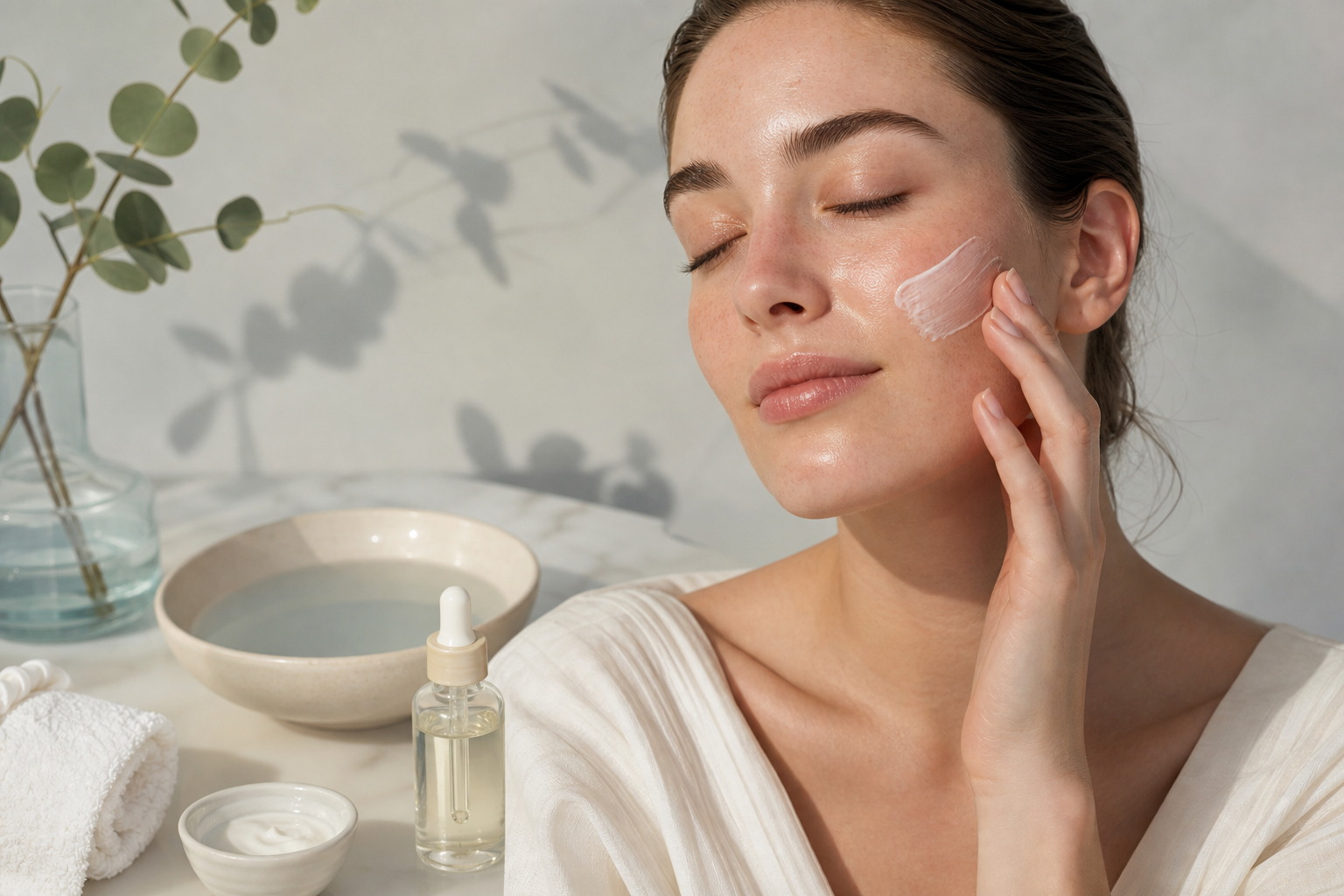
Chemical peels have become a favored non-invasive treatment for those seeking to enhance their skin's texture, tone, and overall radiance. By applying controlled chemical solutions to the skin, this procedure exfoliates the outer damaged layers, triggering regeneration and revealing fresher, smoother skin underneath. Yet, like any aesthetic intervention that disrupts the skin’s natural barrier, chemical peels demand meticulous aftercare. Proper post-peel care is essential not only to optimize the visible results but also to safeguard skin health, prevent complications, and support the delicate recovery phase.
This extensive guide is designed for anyone who has recently undergone a chemical peel or is considering one as part of their skin renewal journey. Whether you are a first-time recipient or regularly incorporate chemical peels into your skincare routine, understanding how to care for your skin after the treatment matters deeply. It influences not just the speed of healing but also the longevity and quality of your skin's rejuvenation.
In the following sections, we will explore what chemical peels are and their skin benefits, who is best suited for these treatments, detailed post-peel care practices, indications for professional follow-up, potential side effects to watch, and the place of chemical peels within a broader skin health strategy. By the article's conclusion, you will gain a confident, well-rounded comprehension of how to effectively nurture your skin during the vulnerable period after a peel, enhancing results while maintaining skin integrity.
What Is a Chemical Peel and How Does It Work?
Chemical peeling involves the application of acidic solutions—commonly alpha hydroxy acids (AHAs), beta hydroxy acids (BHAs), trichloroacetic acid, or phenol—to the skin to deliberately exfoliate and remove the outer layers of damaged epidermis. Depending on the type and concentration of the acids used, peels can be categorized as superficial, medium, or deep, each designed to address skin concerns of varying severity.
On a cellular level, this controlled injury stimulates accelerated skin cell turnover and activates the production of collagen and elastin within the dermis. These proteins help restore skin elasticity, minimize wrinkles, even pigmentation, and improve texture. The treatment is widely sought for addressing photoaging effects such as sunspots, fine lines, uneven tone, as well as for reducing acne scars and promoting an overall refreshed skin appearance.
Because the chemical agents disrupt the skin barrier, triggering inflammation and peeling over the days that follow, the skin becomes temporarily more sensitive and vulnerable. This is why comprehensive post-treatment care is fundamental—not only to ease discomfort and speed repair but also to avoid adverse outcomes like hyperpigmentation, excessive redness, or infection.
Who Should Consider a Chemical Peel, and Why Is Aftercare Crucial?
Chemical peels are suitable for a diverse group of individuals aiming to improve skin imperfections without resorting to surgical procedures. Ideal candidates include those with mild to moderate sun damage, uneven skin pigmentation, textural irregularities, superficial acne scars, and early signs of skin aging.
However, individuals with very sensitive skin, active skin conditions such as eczema or rosacea, or those prone to keloid scarring should seek professional dermatological advice prior to treatment. Effective aftercare is pivotal because the skin’s protective barrier is compromised during peeling, leaving it susceptible to irritation and environmental aggressors.
Neglecting post-peel instructions can exacerbate inflammation, prolong healing, and potentially cause lasting issues like post-inflammatory hyperpigmentation or infection. A disciplined, informed aftercare regimen helps navigate the transition from peeling skin to restored, resilient skin, maximizing the benefits of the procedure while maintaining skin's natural health.
What Happens Immediately After a Chemical Peel and What to Expect During Recovery?
Right after the application of the chemical peel solution, the skin often appears red, flushed, or mildly swollen—a direct effect of chemical exfoliation and inflammation. The intensity depends heavily on the peel's depth and your individual skin sensitivity.
Within the first 24 to 48 hours, you may notice a warming or tightening sensation. This period represents the onset of the skin's natural exfoliation process. Over the next several days, peeling typically becomes evident, ranging from delicate flaking to moderate shedding of skin layers, depending on the peel’s strength. This peeling phase is a visual confirmation that dead skin cells are sloughing off, making way for new, healthier skin to emerge.
It is common for the skin to feel dry, tight, or slightly itchy during recovery. Avoid picking at the peeling skin to prevent scarring or infection. Additionally, skin photosensitivity is heightened, making strict sun protection mandatory to protect against UV damage and uneven pigmentation during healing.
How to Care for Your Skin at Home Following a Chemical Peel?
Home care after a chemical peel hinges on consistent hydration, gentle handling, and rigorous sun protection. Here are the cornerstone principles to guide your daily routine during the recovery phase:
Hydration and Moisture Support: Applying soothing, fragrance-free moisturizers rich in hydrating ingredients like hyaluronic acid, ceramides, and panthenol helps replenish the skin’s moisture barrier and alleviates dryness and tightness. Keeping skin well-hydrated encourages faster barrier restoration and less discomfort.
Gentle Cleansing: Use mild, pH-balanced cleansers free from abrasive scrub particles or harsh detergents. Avoid hot water when washing your face, opting instead for lukewarm to prevent further irritation. Pat skin dry without rubbing.
Avoidance of Irritants: Discontinue use of active ingredients such as retinoids, strong exfoliants (AHAs, BHAs), alcohol-based toners, and fragranced products until skin fully recovers. These can exacerbate irritation and delay healing.
Sun Protection: Daily use of a broad-spectrum sunscreen with at least SPF 30 is imperative from the day of treatment and for a minimum of two weeks afterward. Physical barriers like wide-brimmed hats and seeking shade reduce sun exposure and protect against post-peel pigmentation changes.
Restrain from Mechanical Exfoliation: Do not manually peel, pick, or rub away the flaking skin. Allow the peeling process to occur naturally, minimizing risks of inflammation or scarring.
Adherence to these guidelines supports a comfortable healing process and helps ensure the longevity of your peel's benefits.
When Should You Seek Professional Care During Post-Peel Recovery?
While many individuals recover uneventfully with diligent home care, certain situations warrant dermatological evaluation. Contact your skin specialist promptly if you experience:
- Prolonged redness or swelling beyond expected recovery times.
- Significant pain, severe itching, or burning sensations.
- Appearance of blistering, pustules, or signs of infection such as oozing or crusting.
- Uneven discoloration or persistent hyperpigmentation.
A dermatologist can provide targeted treatments such as calming masks, prescription topical agents, or low-level laser therapies to promote healing. Professional monitoring also allows timely intervention if complications arise, safeguarding your skin's health and aesthetic results.
Possible Side Effects and How to Recognize Complications After a Chemical Peel
Although generally safe when performed properly, chemical peels may occasionally produce side effects or complications. Common, transient effects include redness, mild swelling, dryness, and peeling—all part of the normal healing process.
More serious issues to be vigilant for include:
1. Infection: Characterized by pain, swelling, pus formation, or fever. This requires immediate medical attention.
2. Scarring: Usually arising from premature peeling or skin picking; can be minimized by avoiding trauma to healing skin.
3. Hyperpigmentation or Hypopigmentation: Uneven color changes can be triggered by sun exposure or improper aftercare.
Being observant and responsive to your skin's signals during recovery empowers you to address problems promptly and maintain a healthy outcome.
How Do Chemical Peels Fit Within a Holistic Skin Renewal Strategy?
Chemical peels are often one component of comprehensive skin care regimens aimed at long-term improvement rather than a single fix. They can be effectively combined with other non-invasive aesthetic treatments such as microdermabrasion, microneedling, or targeted hydration therapies to amplify benefits.
Importantly, post-treatment skin care routines should evolve in response to previous procedures and current skin condition to maximize efficacy and skin resilience. Maintaining consistent hydration, sun protection, and gentle cleansing supports all forms of skin rejuvenation.
For a deeper understanding of skin recovery beyond chemical peels These provide valuable insights into cultivating healthy skin over time through scientifically informed methods.


