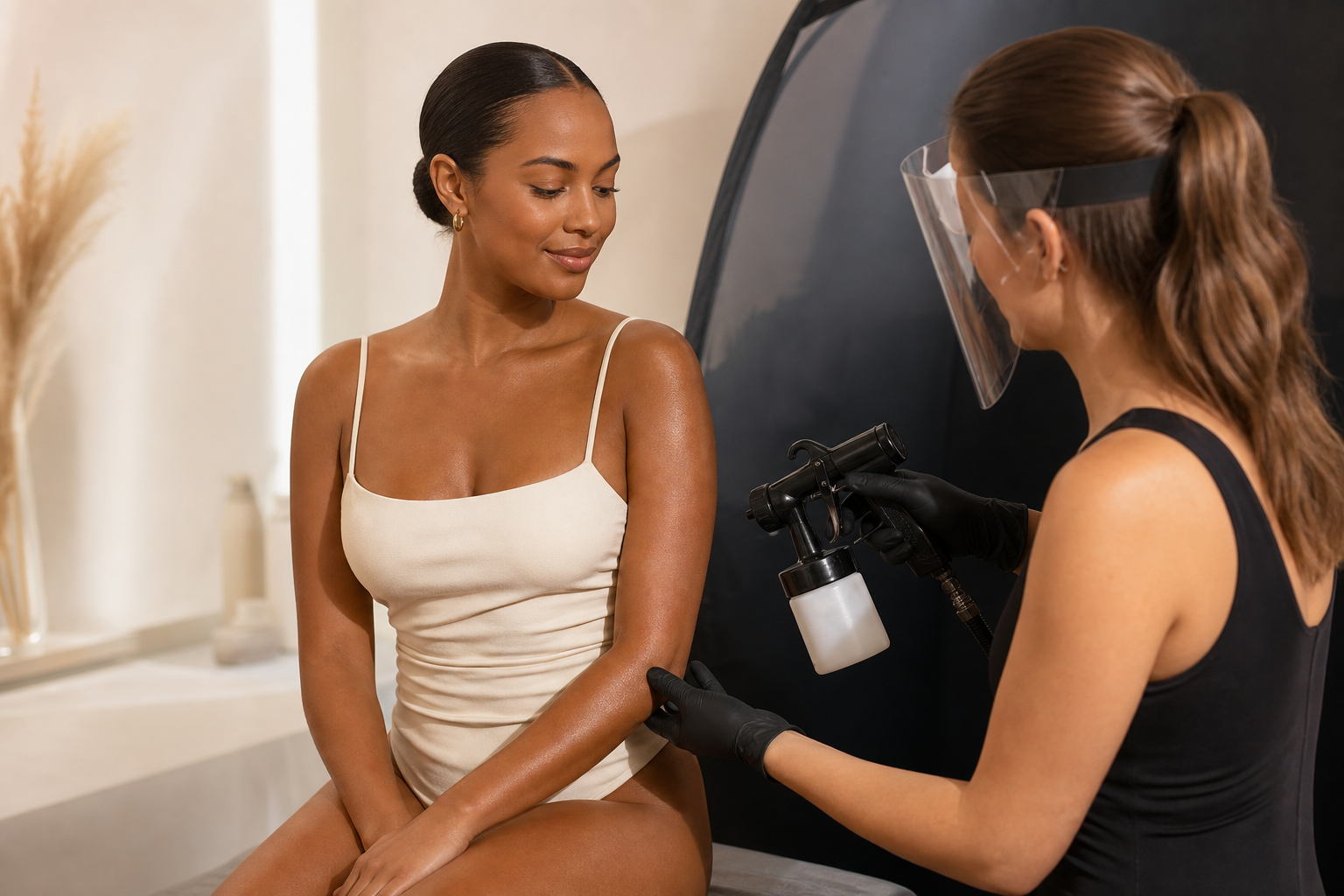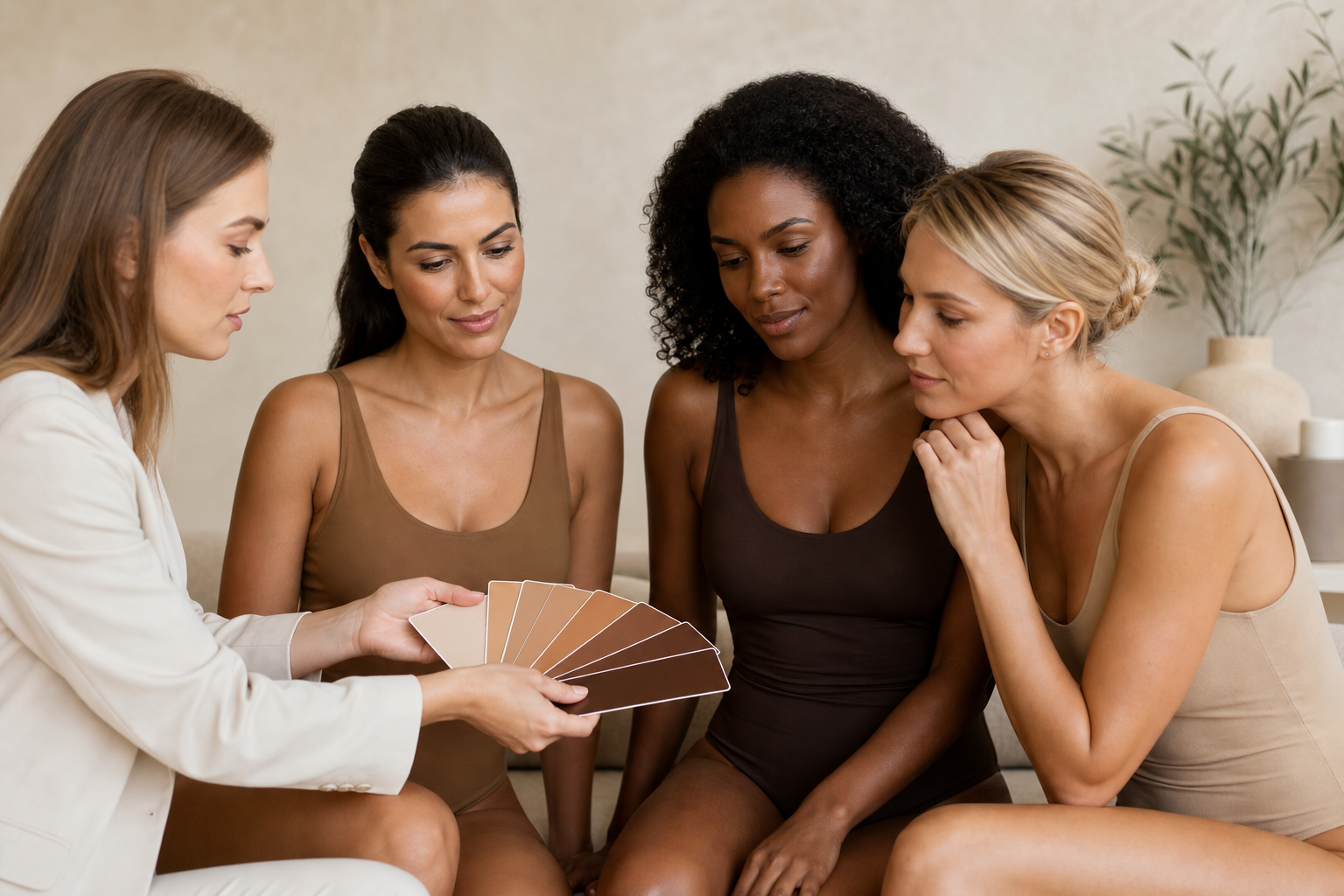
In the modern world of skincare and cosmetic treatments, achieving a flawless, natural-looking tan without harmful exposure to ultraviolet (UV) rays has become a prime beauty goal for many. Spray tanning stands out as a popular, safe alternative to traditional sunbathing or tanning beds, offering a quick and customizable way to enhance one’s complexion. However, the quest for a perfect spray tan is more nuanced than merely choosing a darker shade; it requires understanding an essential aspect of your skin—the undertone.
Skin undertone refers to the subtle, underlying hue that influences how colors reflect on your skin and ultimately shapes the appearance of a spray tan. Recognizing your undertone is crucial for selecting the most suitable spray tan formula, which can dramatically affect the tan’s naturalness, evenness, and longevity. This insight is valuable for anyone—from beginners trying spray tanning for the first time to seasoned users aiming to avoid patchy or unnatural results. In this comprehensive editorial, we delve into how skin undertone affects spray tan formula choice and guide you through making informed decisions to achieve the best sun-kissed glow safely and attractively.
Understanding the influence of skin undertone matters not only for aesthetic harmony but also for maintaining a confident and radiant appearance. When a spray tan formula complements your undertone, it avoids common pitfalls such as an orange tint or uneven fading, which can detract from the intended bronzed effect. In addition, a carefully matched spray tan can enhance your natural complexion and reduce the need for heavy corrective makeup or repeated applications, making your tan a confidence-boosting asset rather than a cosmetic challenge.
What Is Skin Undertone, and Why Does It Matter for Spray Tan Formulas?
Skin undertone is the inherent color that sits beneath the surface of your skin and differs from your actual skin tone, which can change due to sun exposure or other external factors. The undertone remains consistent and generally falls into three categories: cool, warm, and neutral. Cool undertones tend to have hints of blue or pink, warm undertones reflect golden or yellow hues, and neutral undertones sit comfortably between the two.
This baseline color influences how your skin interacts with the pigments in spray tan formulas. For example, a person with a warm undertone will usually look best with golden, bronze, or honey-colored tans, which enhance the natural warmth without clashing. In contrast, someone with a cool undertone benefits from neutral or slightly olive-toned formulas that help balance pinkish or reddish hues and avoid an artificial orange glow. Neutral undertones enjoy more flexibility but must still consider intensity and tone to maintain a seamless appearance.
Ignoring undertones when selecting a spray tan risks creating discordant or exaggerated colors. A mismatched formula might darken the skin unevenly, emphasize imperfections, or result in unnatural shades that reveal the presence of the tan rather than a genuine sun-kissed look. And since spray tans do not provide UV protection, the right choice also encourages responsible tanning habits alongside effective skincare.
How Can You Identify Your Skin Undertone Before Choosing a Spray Tan Formula?
Knowing your skin’s undertone is the foundational step toward picking the ideal spray tan. Fortunately, simple methods can help you determine your undertone at home. One common technique involves examining the veins on the inside of your wrist under natural light. If they appear predominantly blue or purple, your undertone is likely cool. Greenish veins suggest a warm undertone, while a mixture or unclear coloration often indicates a neutral undertone.
Another effective approach is to observe how your skin responds to sun exposure. Those who tan easily with little or no burning usually possess warm or neutral undertones, whereas individuals prone to burning and difficulty developing a tan tend to have cool undertones. Additionally, consider which jewelry complements your complexion best; silver tends to suit cool undertones, gold flatters warm undertones, and both metals look equally appealing on neutral undertones.
Identifying your undertone informs which spray tan shades will harmonize with your skin’s unique characteristics. For a more comprehensive understanding, consulting resources such as "How to Choose a Spray Tan Shade for Your Skin and Desired Result" provides detailed guidance on tailoring spray tans to skin specifics.
What Are the Main Types of Spray Tan Formulas, and How Do They Interact with Different Undertones?
Spray tan formulas vary widely, primarily differentiated by their color base and ingredient composition. Most are categorized by intensity—light, medium, or dark—and by underlying tone, described as golden, olive, bronze, or neutral. Each formulation is crafted to produce specific tonal effects aligning with particular skin undertones and coloring goals.
For those with fair, cool undertones, formulas that lean toward neutral or light bronze shades often produce the most natural appearance. These avoid the orange tint that cool undertones are susceptible to from warmer formulas and help impart a delicate, soft glow. Individuals with warm undertones generally thrive with golden or honey-tinted formulas, which enrich their natural warmth and add luminosity.
Medium skin tones with warm undertones may select medium to dark golden or bronze formulations to boost vibrancy, while neutral undertones can explore a broader array of shades. Those with deeper skin tones and warm undertones often choose darker bronzed formulas for a radiant, even finish. For additional nuanced advice on these nuances, references like "Golden, Olive, Bronze and Neutral Spray Tan Results" and "Spray Tanning for Deeper Skin Tones: Evenness and Radiance" offer valuable insights tailored to diverse skin palettes.
Why Is Matching Your Spray Tan Formula to Your Skin Undertone Beneficial?
Aligning your spray tan formula with your skin’s undertone yields multiple advantages beyond mere aesthetics. First and foremost, it guarantees a more authentic and flattering tan that enhances your natural complexion instead of masking it. Proper pairing reduces the appearance of unnatural hues, such as orange or ashiness, which can undermine confidence.
Moreover, the correctly matched formula tends to fade more evenly, as it interacts harmoniously with your skin’s pigment, reducing blotchy or patchy wear. This prolongs the visual life of the tan and diminishes the frequency of reapplications and corrective measures. It also helps maintain skin health by minimizing the temptation to overuse products or resort to harsh treatments in pursuit of desired coloration.
In addition, a spray tan selected with your undertone in mind supports smoother transitions with everyday makeup and clothing choices, contributing to an effortless, polished look. Understanding this relationship between undertone and spray tan formula can elevate your tanning routine from guesswork to expert-level personalization.
What Common Mistakes Should You Avoid When Choosing and Applying a Spray Tan Based on Undertone?
One prevalent error is opting for the darkest spray tan formula available, under the assumption that the deepest color delivers the best or most dramatic result. However, darkest formulas often do not produce a natural effect and can accentuate skin irregularities or create stark contrasts that reveal the tan’s artificiality. Consulting insights from articles like "Why Isn't the Darkest Spray Tan Formula Always the Best Choice?" helps in understanding appropriate intensity selection to enhance rather than overpower your skin.
Another frequent misstep is neglecting adequate skin preparation before tanning. Incomplete exfoliation or moisturizing can lead to inconsistent absorption of the spray tan product, resulting in patchy areas or uneven color development. Such outcomes distract from the beauty of a correctly matched undertone and complicate maintenance.
It is also critical to avoid harsh chemicals, abrasive scrubbing, or unverified tanning mixtures, which can damage the skin or interfere unpredictably with the spray tan formula’s performance. Adhering to professional guidance and selecting safe, gentle products ensures both effective and skin-friendly results. For practical tips, referring to "How to Avoid an Orange Tone After Spray Tanning" offers useful strategies to maintain an appealing hue.
What Realistic Expectations Should You Have When Using Spray Tan, Especially Considering Undertone Matching?
Although spray tanning is an excellent approach for achieving a gorgeous bronzed look, it does not confer ultraviolet (UV) protection against sun damage. Therefore, applying broad-spectrum sunscreen with at least SPF 30 remains essential when spending time outdoors. Understanding this distinction supports safe skin care alongside aesthetic enhancement.
Matching the spray tan to your undertone improves the likelihood of a satisfactory outcome but cannot alter the intrinsic qualities of your skin or fully conceal every imperfection. The tan will subtly highlight or tone down features according to your natural coloration. Hence, approaching spray tanning with balanced expectations fosters greater satisfaction with your tan and reduces disappointment.
Additionally, while modern spray tan formulas are generally safe and suitable for most, individuals with sensitive skin should proceed cautiously, perhaps performing patch tests or consulting a dermatologist before full-application. This precaution helps avoid adverse reactions and ensures that the chosen formula complements both undertone and skin health.