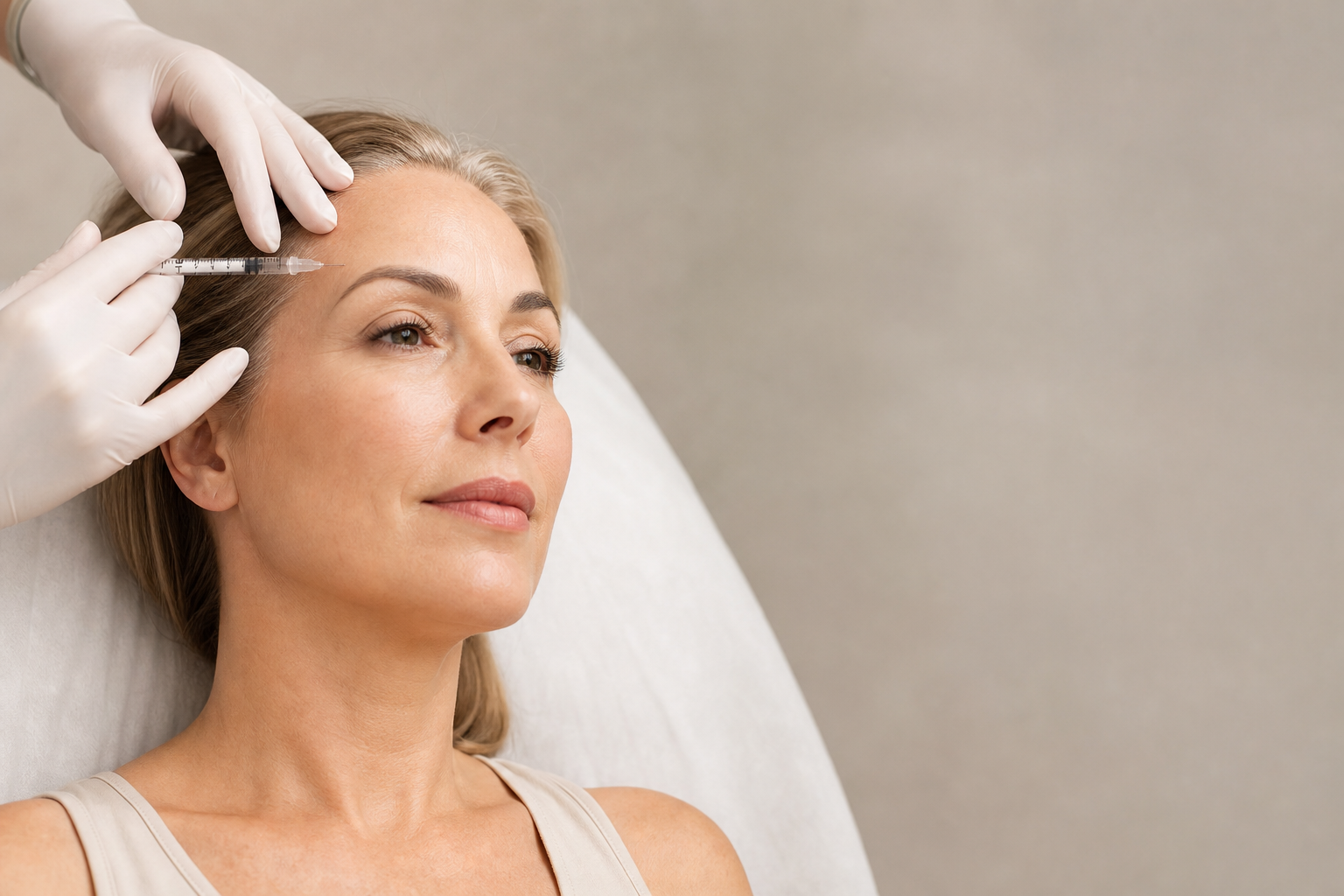
Botox for wrinkles has become one of the most sought-after anti-aging treatments in facial care, appealing to both women and men aiming to maintain a youthful complexion. This popular procedure involves the controlled administration of botulinum toxin type A to reduce dynamic wrinkles—those facial lines that appear due to muscle contractions—particularly on the forehead, between the eyebrows, and around the eyes (commonly referred to as crow's feet). Understanding what Botox is, its target audience, mechanism of action, limitations, and safety considerations is essential for anyone contemplating this form of rejuvenation.
This comprehensive guide offers an expert, practical overview of Botox as an anti-aging facial treatment. It details the indications for its use, expected results, potential constraints, and necessary precautions, along with guidance on when consulting a qualified specialist is critical. With the significant role Botox plays among injectable anti-aging treatments, an informed approach ensures natural-looking outcomes, minimized risks, and long-lasting benefits.
With an increasing number of people motivated by the desire to look younger and nurture their skin, Botox remains a leading non-invasive option. This guide will navigate through the core aspects of Botox treatment for wrinkles, enriching your knowledge with precise information and helping you make decisions aligned with your aesthetic goals and health.
What Is Botox and How Does It Work on Wrinkles?
Botox is the commercial name for botulinum toxin type A, a neurotoxic protein produced by the bacterium Clostridium botulinum. While the toxin is notorious in its natural form, when utilized in tiny, regulated doses, it serves therapeutic and cosmetic purposes. In esthetic dermatology, Botox functions by temporarily paralyzing specific facial muscles responsible for dynamic wrinkles—lines that manifest due to repeated facial expressions like smiling, frowning, or squinting.
When injected into targeted muscle groups, Botox blocks the nerve signals that instruct muscles to contract. This leads to a relaxation of the muscles, smoothing out the overlying skin and diminishing the appearance of wrinkles. The effect isn't instantaneous; typically, visible results emerge within three to seven days post-treatment, reaching full expression around two weeks later.
It's important to note that Botox treats primarily dynamic wrinkles. Static wrinkles, which appear due to aging-related volume loss, decreased skin elasticity, and collagen degradation, usually require complementary treatments such as hyaluronic acid dermal fillers or biorevitalization procedures to restore fullness and texture.


