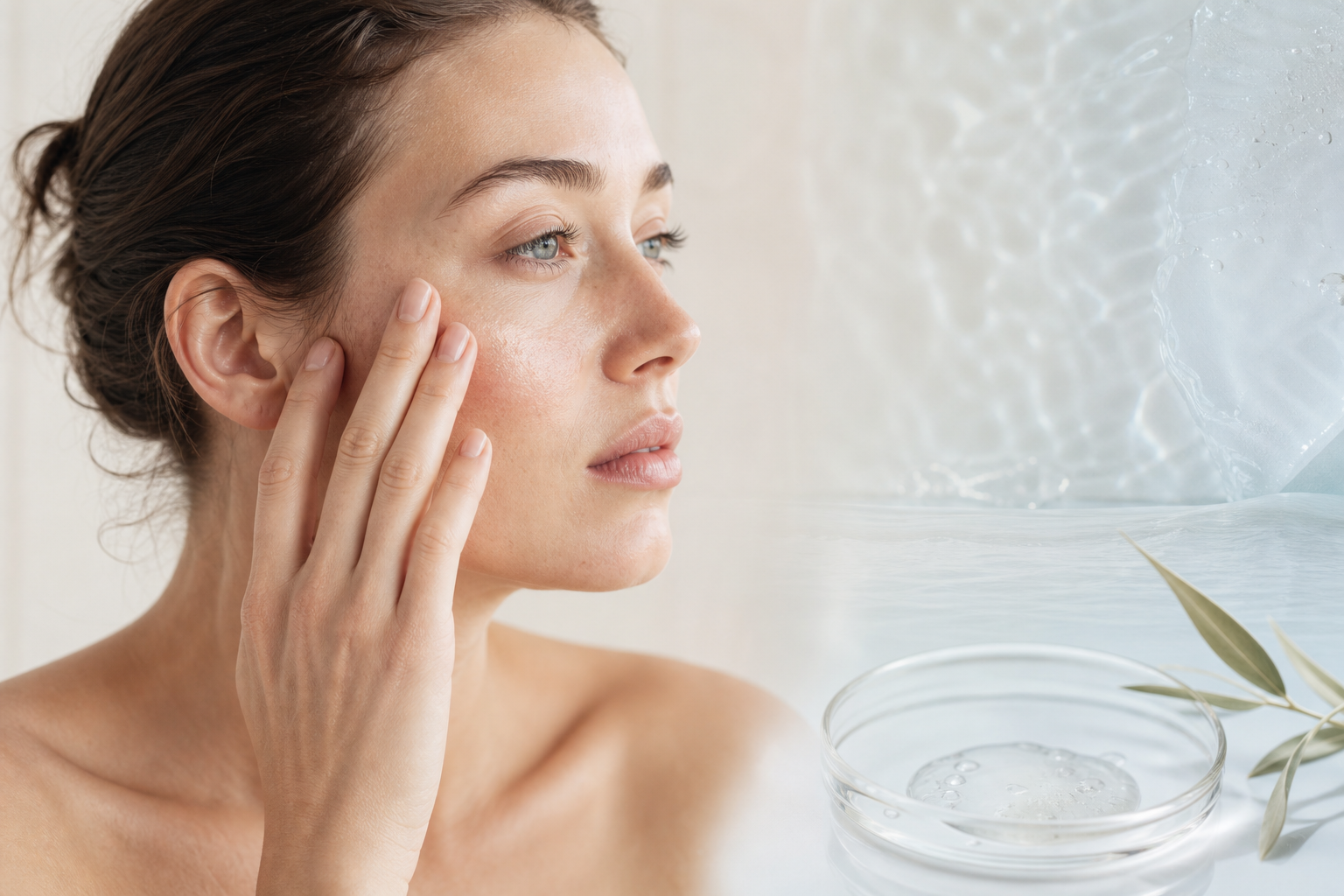
The skin serves as the body's frontline defense against environmental aggressors, playing a critical role in retaining moisture and protecting internal systems from irritants, allergens, and harmful microorganisms. This protective function is primarily carried out by the skin barrier—a specialized layer that maintains hydration and blocks entry of damaging agents. However, when this skin barrier is compromised or damaged, it can lead to a host of dermatological issues ranging from dryness and redness to sensitivity and inflammation.
Identifying a damaged skin barrier is essential for anyone concerned about maintaining healthy, resilient skin. This topic is especially relevant to individuals experiencing persistent dryness, irritation, or sensitivity, as well as to professionals in dermatology, esthetics, and skincare advisory roles. Recognizing the early signs of a damaged barrier allows for prompt intervention, which can prevent chronic skin problems and promote effective healing.
Understanding how to identify damage to the skin barrier involves correlating the visible symptoms with underlying physiological changes, grasping the common causes of such disruptions, and implementing appropriate care strategies. This article provides a comprehensive guide on how to recognize a damaged skin barrier, explore the contributory factors, and undertake suitable remedial actions, whether at home or under professional guidance. By doing so, readers will be equipped to restore and maintain strong, healthy skin, enhancing both appearance and comfort.
What Defines a Damaged Skin Barrier and Why Early Recognition Matters
The skin barrier is largely located within the outermost layer of the epidermis, known as the stratum corneum. This layer is comprised of dead skin cells embedded in a lipid matrix, which collectively form a protective seal. This seal ensures that moisture remains locked within the skin while repelling environmental hazards like pollutants, microorganisms, and irritants.
Damage to this barrier disrupts the integrity of the lipid layers and cell cohesion. As a consequence, the skin loses moisture excessively, leading to dehydration, and becomes permeable to external irritants. The resulting inflammation can manifest as redness, itching, burning sensations, tightness, and visible scaling, undermining the skin’s health and appearance.
Timely identification of these changes is critical. Ignoring the signs of barrier disruption can escalate skin sensitivity and trigger chronic dermatological conditions such as atopic dermatitis, rosacea, or persistent dryness. Early intervention enhances the likelihood of restoring barrier function and preventing more serious or prolonged skin issues.
What Are the Common Signs and Symptoms Indicating Skin Barrier Damage?
A damaged skin barrier presents with distinct clinical and sensory symptoms that provide clues to its compromised state. These include:
Redness and Inflammation: Persistent or intermittent redness accompanied by warmth suggests the skin’s defensive layer is weakened, facilitating an inflammatory response to external stimuli.
Skin Tightness and Dryness: When the barrier fails, transepidermal water loss increases, leaving the skin dry and tight. This sensation is often exacerbated after washing or exposure to dry air.
Flaking and Scaling: Impaired cohesion of skin cells causes abnormal exfoliation, manifesting as visible flakes or scales, which deteriorate the skin’s texture and smoothness.
Erythema and Burning Sensations: A compromised barrier may lead to heightened nerve sensitivity. This can result in stinging or burning feelings, especially after applying skincare products that would normally be well tolerated.
Additional symptoms might include increased sensitivity or allergic reactions to cosmetics and environmental allergens, pointing to a weakened protective function allowing irritants to penetrate more easily.
What Factors Commonly Cause Damage to the Skin Barrier?
Understanding the causes of skin barrier impairment is essential for prevention and management. Several interrelated factors can contribute to its disruption:
Excessive or Improper Skincare: Overuse of exfoliants and strong cleansers or applying harsh chemical agents (such as high concentrations of alpha or beta hydroxy acids or retinol products) can strip the lipids and damage cellular cohesion.
Environmental Stressors: Chronic exposure to cold, wind, low humidity, or strong sunlight can dehydrate and inflame the skin, weakening its natural defenses.
Physiological and Medical Conditions: Stress, hormonal fluctuations, and inflammatory skin diseases (like eczema or psoriasis) often compromise barrier integrity and slow repair mechanisms.
Inadequate Protection Against UV Rays: Ultraviolet radiation accelerates skin aging and disrupts barrier lipids, exacerbating dryness and sensitivity if sun protection is insufficient.
An appreciation for these risk factors facilitates better skincare choices and lifestyle adjustments to protect the skin’s natural barrier function.
How Can You Distinguish Temporary Skin Irritations from Persistent Barrier Damage?
Many individuals experience occasional skin discomfort or dryness that resolves with normal care; however, distinguishing these transient events from a true barrier breach is crucial for selecting the right response:
Duration of Symptoms: Temporary irritations generally subside within a few days of regular moisturizing and avoiding irritants. In contrast, symptoms like redness, scaling, or sensitivity persisting beyond two weeks often indicate deeper barrier disruption.
Severity and Scope: Widespread or worsening symptoms, such as the development of fissures or persistent burning, suggest that the skin’s protection is compromised more extensively.
Response to Skincare Routine: If standard hydration routines fail to improve symptoms or if irritation escalates upon exposure to routine products, it may point to an impaired barrier.
When in doubt, reducing the use of potentially irritating products and consulting a dermatologist or skincare professional is advisable to prevent further damage and to tailor suitable therapies.
What Are the Best Practices for Home Care When Dealing with a Damaged Skin Barrier?
Restoring the skin barrier at home focuses on gentle hydration and lipid replenishment while minimizing further aggression:
Use Mild Cleansers: Select cleansers that preserve skin pH and avoid stripping essential oils. Products like micellar waters or non-foaming cleansers with soothing ingredients are beneficial.
Apply Hydrating and Barrier-Repairing Ingredients: Formulations containing ceramides, fatty acids, cholesterol, hyaluronic acid, and glycerin support reconstruction of the lipid matrix and increase moisture retention.
Avoid Aggressive Exfoliation or Retinoid Use: These can further disrupt the weakened barrier. Allow the skin to recover before gradually reintroducing active ingredients as tolerated.
Ensure Sun Protection: Use broad-spectrum SPF products suited for sensitive skin to prevent UV-induced barrier damage, a critical preventive step.
Consistency and patience in adhering to a simplified, protective skincare routine are paramount for effective recovery.
When Should You Seek Professional Dermatological Advice or Specialized Treatments?
If barrier-associated symptoms are severe, persistent, or worsening despite home care, professional assessment becomes necessary. Dermatologists can accurately diagnose the extent of barrier damage and rule out secondary infections or allergic reactions.
Medical-grade products and procedures designed to restore barrier function can be recommended. These may include barrier-repair creams with advanced formulations, prescription topical agents to reduce inflammation, or non-invasive facial treatments aimed at replenishing moisture and accelerating repair.
Additionally, estheticians skilled in facial rituals focusing on hydration and skin renewal—without the use of needles or invasive procedures—can complement clinical treatments. These approaches meticulously target deep hydration and epidermal regeneration, helping to restore skin quality and resilience over time.
What Is the Expected Timeline and Experience During Skin Barrier Recovery?
Barrier restoration is a gradual process that typically unfolds over several weeks. The timeline depends on the severity of damage and adherence to recommended routines:
Initial Phase: You might notice ongoing discomfort such as mild tightness or sensitivity, which gradually diminishes as the skin adapts and heals.
Intermediate Phase: Hydration levels improve, redness recedes, and texture normalizes as lipid synthesis restores the protective matrix.
Maintenance Phase: With consistent care, the skin regains its natural barrier function, resilience, and radiance, capable of defending against daily environmental stressors.
Overzealous or premature use of exfoliants or strong actives can impede healing, so gentleness and regular evaluation of skin responsiveness are crucial throughout recovery.
Why Ongoing Education and Preventive Practices Are Vital for Skin Barrier Health
Empowering oneself with knowledge about the skin’s protective mechanisms and how to sustain them encourages mindful skincare decisions that prevent chronic damage. Understanding the effects of ingredients, environmental factors, and lifestyle on barrier function helps optimize product choices and behaviors.
Regular review of skin condition and appropriate adaptation of routines help maintain balance, avoiding the common pitfalls of over-treatment or neglect. Such proactive stewardship ensures the skin remains supple, hydrated, and resilient across all seasons.


