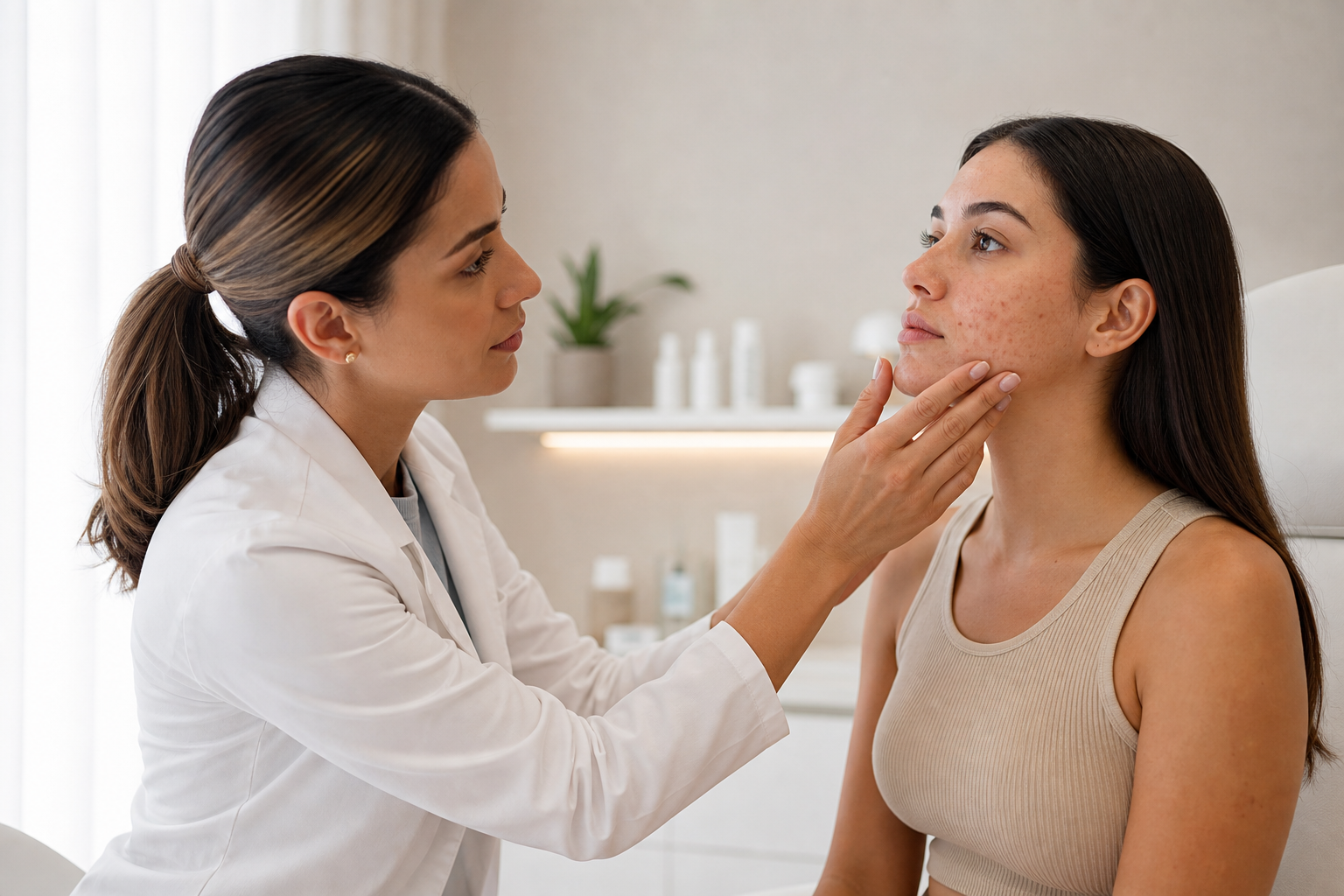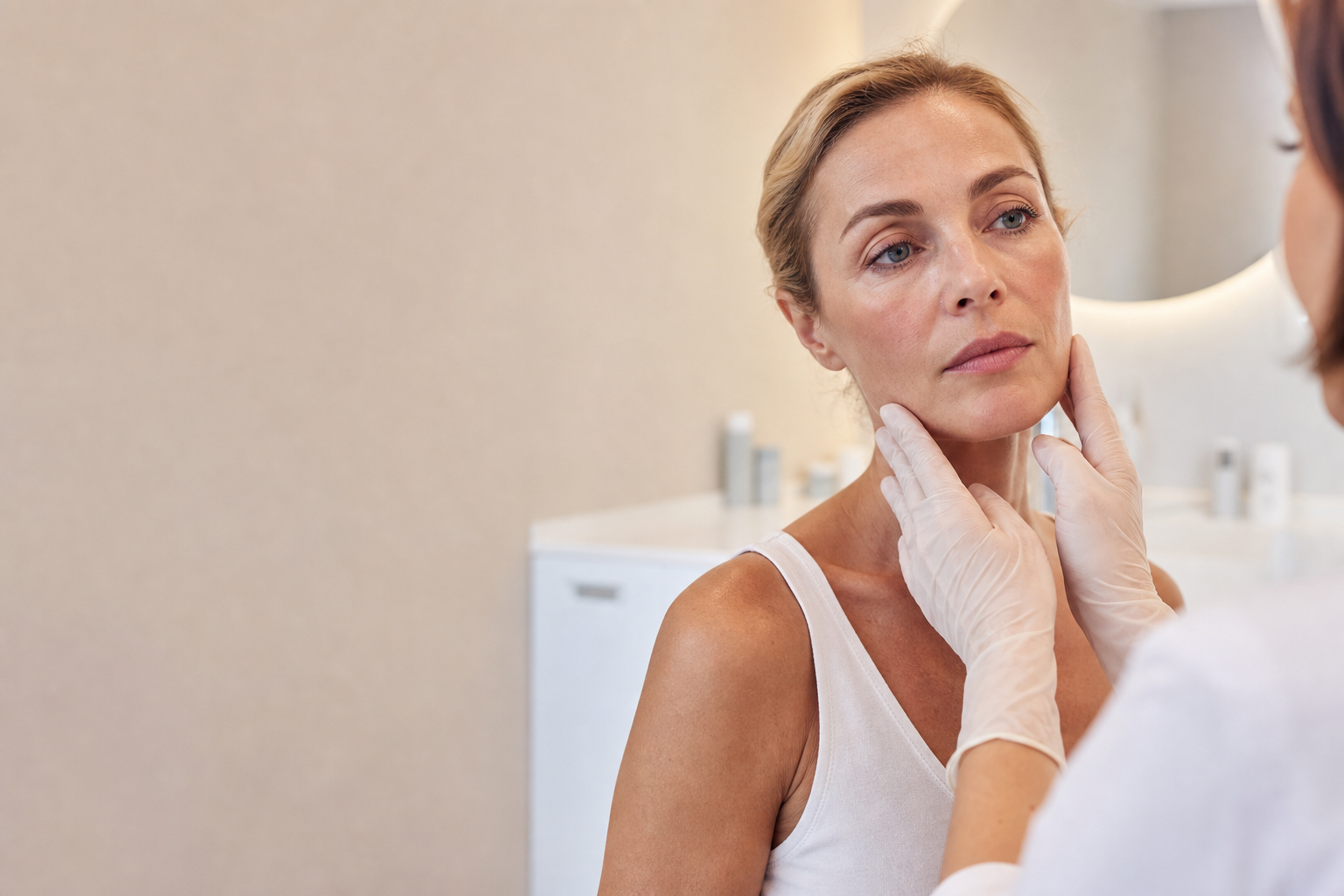
Acne is among the most prevalent dermatological conditions affecting individuals across diverse age groups, yet it predominately emerges during adolescence and extends into early adulthood. While often dismissed as a transient cosmetic nuisance, acne carries profound implications for one’s self-esteem, social interactions, and overall emotional well-being. Beyond its surface-level manifestations, acne represents a complex inflammatory skin disease that necessitates medically guided intervention to achieve effective management and prevent long-term sequelae such as scarring.
Understanding the scope of dermatological treatments available for acne is essential not only for those grappling with stubborn or severe outbreaks but also for individuals aspiring to support and empower loved ones navigating this condition. This detailed exploration focuses on the spectrum of topical and systemic medications employed in contemporary acne therapy, clarifying their mechanisms, appropriate usage, potential side effects, and the crucial role of professional medical oversight. Emphasizing a balanced and expert perspective, this guide also delineates the boundaries between cosmetic skincare, salon procedures, and medically supervised treatment, thus enabling informed decisions and realistic expectations.
The significance of this discourse lies in its capacity to demystify the complexity surrounding acne therapy, helping readers discern when over-the-counter measures suffice and when referral to a dermatologist becomes indispensable. It also underscores the tailored nature of dermatologic care, where treatment modalities are intricately selected based on individual patient profiles, acne severity, and concomitant health considerations such as pregnancy and hormonal status. In a landscape where misinformation and stigma frequently cloud judgment, this article strives to present acne treatment with clarity, sensitivity, and scientific rigor.
What Constitutes Acne and Why Do Dermatological Treatments Matter?
Acne vulgaris is a chronic inflammatory disease characterized by a constellation of lesions including open and closed comedones (commonly known as blackheads and whiteheads), papules, pustules, nodules, and sometimes cysts. Predominantly appearing on the face, chest, and back, these lesions are the outward signs of underlying pathophysiologic mechanisms. The development of acne is multifactorial, rooted primarily in increased sebum production driven by androgenic stimulation, follicular hyperkeratinization leading to clogged pores, colonization by the bacteria Cutibacterium acnes (formerly Propionibacterium acnes), and subsequent inflammatory responses.
Effective dermatological treatments target one or more of these pathogenic pathways. Unlike cosmetic regimens limited to cleansing and superficial care, medical therapies aim to reduce sebum secretion, normalize desquamation, control bacterial proliferation, and diminish inflammation. Failure to appropriately manage these factors can result in persistent lesions, risk of infection, and permanent consequences like pitted scars or post-inflammatory hyperpigmentation. Furthermore, timely dermatologic intervention curbs the psychosocial burden associated with acne and can enhance treatment adherence and outcomes.
Who Should Seek Dermatological Intervention for Acne?
While mild acne may often respond to general skincare measures and over-the-counter products, certain patient groups stand to benefit significantly from professional evaluation and tailored therapy:
Adolescents and young adults with moderate to severe inflammatory acne: Individuals exhibiting numerous papules, pustules, or nodules that are resistant to basic care should be assessed by a dermatologist to prevent worsening or scarring.
Adults experiencing recurrent or persistent acne: Acne persisting beyond adolescence or recurring despite prior treatments often implicates hormonal or systemic factors requiring expert assessment.
Individuals with acne scarring or pigmentation changes: Dermatological guidance is crucial not only to halt active disease but also to implement corrective measures for residual skin defects.
Pregnant or breastfeeding women: Special consideration governs medication safety and selection to protect maternal and fetal health.
Patients dissatisfied with cosmetic and salon treatments: When home care or superficial procedures fail to improve skin condition, medical intervention is warranted to address underlying pathology.
Consulting with a dermatologist facilitates a comprehensive evaluation, including clinical examination and sometimes laboratory investigations, to identify contributory factors such as hormonal imbalances or medication effects. This personalized diagnostic process enables the selection of the safest, most effective, and patient-appropriate therapeutic regimen.
Exploring Topical Medications: Fundamentals, Applications, and Considerations
Topical agents are typically the cornerstone of treatment for mild to moderate acne. Applied directly to the skin lesions or affected areas, these medications modulate pathological mechanisms locally while generally minimizing systemic exposure. Their convenient formulations — creams, gels, lotions, or solutions — facilitate adaptable and targeted use. Key categories of topical acne treatments include:
Retinoids: As vitamin A derivatives, retinoids such as adapalene and tretinoin help to normalize follicular epithelial turnover, thereby preventing follicular plugging and comedone formation. They also exhibit anti-inflammatory properties. Despite their efficacy, retinoids can provoke initial irritation manifesting as dryness, redness, and peeling, suggesting the importance of a gradual introduction under dermatological guidance. Caution is emphasized in pregnancy due to potential teratogenicity.
Benzoic peroxide: This agent functions primarily through antibacterial actions against C. acnes and mild comedolytic effects. It is frequently combined with antibiotics or retinoids to enhance efficacy. Skin irritation and bleaching of clothing are common considerations advising careful application.
Topical antibiotics: Clindamycin and erythromycin reduce bacterial colonization and associated inflammation; however, monotherapy with topical antibiotics is discouraged to prevent antimicrobial resistance. Instead, they are prescribed in combination with benzoyl peroxide or retinoids for synergistic effects.
Adjunct topical treatments such as azelaic acid may also be employed for their antibacterial, anti-inflammatory, and pigment-lightening properties, particularly beneficial in individuals with post-inflammatory hyperpigmentation or sensitive skin.
Implementing topical therapies demands patient education regarding application techniques, expected onset of improvement (which may span several weeks), and management of side effects. Regular follow-ups enable monitoring tolerance and effectiveness, facilitating regimen adjustments where necessary.
When Are Systemic Treatments Indicated and What Options Exist?
Systemic or oral medications are generally reserved for patients presenting with moderate to severe inflammatory acne or those who do not respond adequately to topical regimens. By acting internally, these drugs influence the disease at a broader physiological scale. Principal systemic therapies include:
Oral antibiotics: Agents like doxycycline and minocycline suppress C. acnes proliferation and mitigate inflammatory pathways. Typically used short-term to reduce the risk of resistance, they require cautious prescription and monitoring for side effects such as gastrointestinal disturbances and photosensitivity.
Hormonal treatments: Particularly effective in females with hormonally driven acne, therapies may involve combined oral contraceptives or anti-androgens like spironolactone. Coordination with gynaecological care and comprehensive patient counseling are essential components.
Isotretinoin: A potent oral retinoid reserved for severe, recalcitrant, or scarring acne, isotretinoin effectively reduces sebaceous gland size and sebum production, normalizes follicular keratinization, and exerts anti-inflammatory effects. Its administration warrants thorough baseline assessments and ongoing monitoring owing to possible adverse outcomes, including mucocutaneous dryness, elevated liver enzymes, lipid abnormalities, and its highly teratogenic nature, necessitating strict pregnancy prevention programs.
The decision to initiate systemic therapy must weigh clinical severity, psychosocial impact, contraindications, and patient preferences. Ongoing communication and laboratory evaluation are paramount to ensure safety and therapeutic success.
Safety Profiles and Managing Potential Side Effects of Acne Treatments
While dermatological interventions for acne hold promise for substantial improvement, vigilance regarding adverse reactions ensures optimized care and patient confidence. Common safety considerations include:
Topical treatments: Initial skin dryness, redness, peeling, and occasional hypersensitivity reactions are frequent but usually transient. Proper moisturization and staged introduction can mitigate discomfort.
Systemic antibiotics: Potential side effects range from gastrointestinal upset to photosensitivity and, in rare cases, drug-induced lupus or vestibular disturbances. The risk of antimicrobial resistance underscores the importance of limited duration and combined therapy.
Hormonal therapies: Possible effects include menstrual irregularities, breast tenderness, or mood changes. Thorough assessment against contraindications such as thromboembolic risk is essential.
Isotretinoin: Given its potency, adverse effects can be significant. Patients must be educated about signs of depression, musculoskeletal pain, and advised regular blood testing to monitor laboratory parameters. Absolute avoidance of pregnancy during and after treatment is mandatory.
Prompt recognition of serious symptoms such as allergic reactions, severe mucosal dryness, or worsening acne must trigger immediate consultation with a healthcare professional. This proactive approach facilitates timely interventions and adjustment of therapy.
Integrating Dermatological Treatment with Cosmetic Care: Guidelines and Precautions
While medically supervised therapies address acne’s root causes, complimentary cosmetic procedures can play a supportive role in managing symptomatic skin concerns. Procedures like deep cleansing facials, chemical peels, microneedling, or laser treatments may enhance skin texture, reduce residual pigmentation, and reinforce healing. Nevertheless, appropriate timing and professional discretion are critical to avoid aggravating inflammation or disrupting active lesions.
Coordination between dermatologists and skincare practitioners ensures that cosmetic interventions complement medical regimens rather than conflict with them. For example, aggressive exfoliation or inappropriate products may lead to barrier disruption and exacerbation of acne.
Patients should refrain from self-administered combinations of various therapies without professional counsel, which can complicate treatment response or provoke adverse reactions. Prioritising a staged, integrated approach under clinical supervision maximizes benefits and preserves skin health.
Frequently Asked Questions About Dermatological Acne Therapies
How does a dermatologist tailor acne treatment?
A dermatologist assesses acne type, severity, skin sensitivity, medical history, and lifestyle factors to customize a treatment plan, aiming for maximal efficacy with minimal side effects.
Why is antibiotic mono-therapy discouraged in acne?
Using antibiotics alone fosters bacterial resistance and diminishes therapeutic effectiveness. Combining with agents like benzoyl peroxide reduces this risk.
What monitoring is essential when on isotretinoin?
Periodic blood tests to check liver function and lipid levels, assessment for mood changes, and strict pregnancy testing protocols are integral to isotretinoin therapy.
Can acne treatments be safely used during pregnancy?
Certain topical agents and systemic medications, notably isotretinoin, are contraindicated in pregnancy. Safer alternatives are selected based on trimester and risk evaluation.
How soon can one expect to see improvement?
Acne therapies commonly require several weeks to months before noticeable results manifest, underscoring the necessity of patience and adherence.