In the evolving world of skin care and beauty procedures, the triad of safety, recovery, and results stands as the cornerstone of every successful treatment. Whether you are considering anti-aging facial treatments or interested in skin rejuvenation techniques, understanding these interconnected aspects is essential. This article delves into the critical components of ensuring a safe experience, navigating the recovery journey effectively, and setting realistic expectations for results. It aims to equip individuals seeking to enhance their skin health and appearance with the knowledge needed to make informed decisions and achieve lasting, satisfying outcomes.
The realm of non-invasive facial treatments has expanded significantly, providing a plethora of options such as chemical peels, microneedling, radiofrequency, and ultrasound-based procedures like HIFU. For those who prioritize skin health alongside aesthetic improvement, choosing the right treatment involves more than just the promise of visible results. It demands a thoughtful consideration of safety protocols, an understanding of the body’s natural healing processes, and a clear communication of expected benefits. This editorial is directed at anyone contemplating anti-aging facial treatments or other skin revitalization methods and seeks to elucidate why an integrated approach to safety, recovery, and results is paramount.
Addressing these elements not only safeguards the skin against potential adverse effects but also enhances the efficacy and longevity of the treatment’s benefits. As such, this comprehensive guide emphasizes evidence-based practices, expert consultation, and patient education—cornerstones in achieving the radiant, youthful skin many desire.
What Does Safety Mean in the Context of Facial Treatments?
Safety in facial treatments encompasses a range of considerations designed to protect the skin and overall health during and after the procedure. It starts with ensuring that all interventions—be they professional cosmetic anti-aging treatments or over-the-counter products—comply with established medical standards. This involves the use of certified equipment, verified topical agents, and protocols administered by licensed practitioners trained in dermatology or aesthetic medicine.
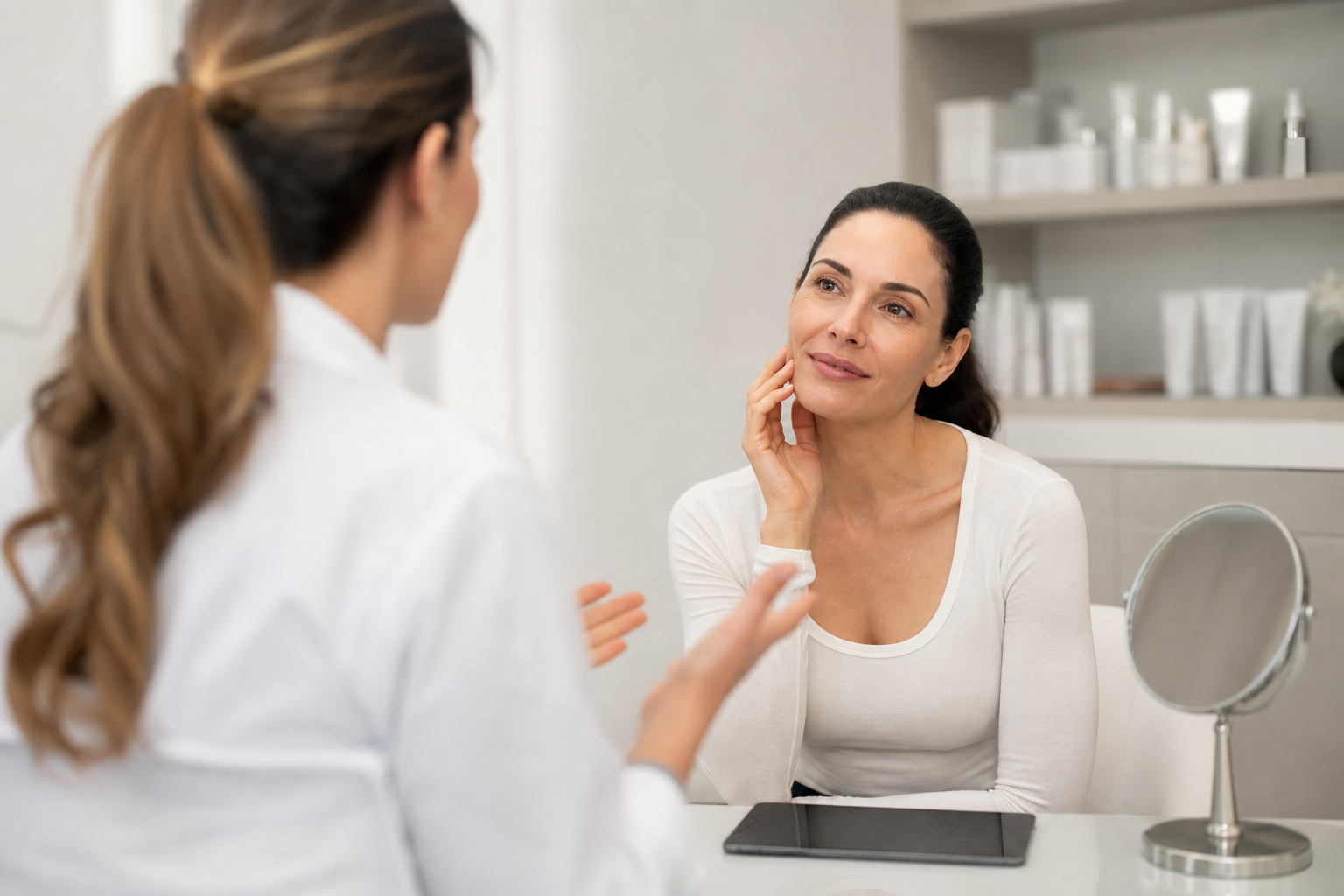
The specific anatomical and physiological nuances of different skin types necessitate individualized approaches. Practitioners must conduct thorough consultations prior to treatment to assess skin condition, medical history, allergies, and any factors that might increase risk. This precaution minimizes possibilities like allergic reactions, infections, or unintended tissue damage that could jeopardize both cosmetic outcomes and patient wellbeing.
Moreover, safety extends beyond the treatment room. It is essential that patients are educated about pre-treatment preparations such as avoiding sun exposure, certain medications, or harsh skincare products. Equally important is understanding post-treatment care and recognizing when a normal recovery phase transitions into a complication requiring professional attention. This comprehensive emphasis on safety cultivates trust and empowers patients with the autonomy to protect their skin and overall health.
How Should Patients Approach Recovery After Facial Procedures?
Recovery is a vital phase that reflects the skin's response to treatment and heavily influences the durability of results. Depending on the specific intervention—be it a gentle chemical peel or more intense radiofrequency therapy—the skin may exhibit transient effects such as redness, swelling, or peeling. These reactions are often signs that the skin is regenerating, but they require careful management.
A structured regimen of post-treatment care is fundamental. This usually entails the application of gentle, non-irritating moisturizers, diligent sun protection, and avoidance of makeup or active skincare ingredients that could exacerbate sensitivity. Hydration and nutrition also play key roles in supporting skin repair.
Patients should maintain open communication with their healthcare providers during recovery to monitor progress and promptly address any abnormalities like persistent pain, prolonged swelling, or signs of infection. Understanding the typical timeline for returning to normal activities, such as exercise or cosmetic application, helps patients balance healing with lifestyle demands.
Importantly, recovery tends to be less demanding with non-invasive anti-aging facial treatments without needles compared to surgical or injectable alternatives. This makes these treatments attractive options for individuals seeking effective skin rejuvenation with minimal downtime.
What Can You Realistically Expect from Needle-Free Anti-Aging Facial Treatments?
Needle-free anti-aging facial treatments have gained prominence for their ability to enhance skin firmness, reduce wrinkle depth, and restore youthful radiance without the risks associated with injections or surgery. These procedures often utilize modalities such as microneedling combined with collagen stimulation enhancers, radiofrequency-induced skin tightening, and ultrasound therapies like HIFU to promote natural rejuvenation.
Results are typically gradual and cumulative. Patients might observe improved skin texture, increased hydration, and a diminished appearance of fine lines over several sessions. Unlike immediate but sometimes dramatic changes afforded by invasive methods, needle-free treatments favor a more subtle and natural aesthetic, which can be preferable for many.
Outcomes depend on individual factors including baseline skin condition, age, and adherence to prescribed care routines. The role of a skilled practitioner is crucial in tailoring protocols that align treatment intensity with patient goals. Collaboration between patient and provider enhances the likelihood of achieving manageable, yet meaningful improvements, reinforcing the merit of personalized therapy over one-size-fits-all solutions.
What Are the Common Concerns and Questions About Non-Invasive Anti-Aging Treatments?
Prospective patients often express concerns about the pain associated with treatments, the safety of ingredients and devices used, potential side effects, and the extent to which daily activities might be disrupted. Addressing these queries involves transparent communication during consultation, where the procedure’s nature, expected sensations, and typical recovery experiences are detailed candidly.
Questions about risks—such as allergic reactions or unexpected skin changes—are addressed by thorough pre-treatment screening and ongoing monitoring. The reassurance that specialists are equipped to handle complications, should they arise, provides additional comfort.
Another frequent enquiry pertains to the longevity of results and the necessity for maintenance sessions. Understanding that skin aging is an ongoing process helps patients appreciate the role of continual care and lifestyle choices in prolonging treatment benefits.
Finally, guidance on preparing the skin before and after treatment sets realistic expectations and minimizes surprises. Comprehensive education empowers patients to participate actively in their skin health journey.
How Can You Prepare Effectively for a Safe and Successful Anti-Aging Facial Treatment?
Preparation is a critical, yet sometimes overlooked, component of facial treatments. Before undergoing any procedure, prospective patients should engage in detailed consultations with licensed experts to evaluate skin type, medical history, and aesthetic objectives. Discussing current medications, supplements, and skincare products ensures compatibility and reduces risks.
Pre-treatment care may involve avoiding ultraviolet exposure to reduce skin sensitivity, discontinuing irritant skincare actives, and adopting a gentle cleansing regimen to optimize skin condition. Setting realistic goals informed by clinical insights helps align expectations with achievable outcomes.
By taking a proactive and informed approach to preparation, patients create a supportive foundation for their treatment. This helps smooth the course of the procedure itself and facilitates a more comfortable and predictable recovery, ultimately contributing to enhanced satisfaction with results.