Acne and problematic skin represent common yet complex dermatological challenges that affect a diverse demographic, spanning from adolescents to adults of all ages. Often dismissed merely as cosmetic nuisances, these skin conditions can significantly influence an individual's psychological well-being, self-esteem, and overall quality of life. Professional treatments for acne and problematic skin extend beyond simple aesthetic improvement; they encompass medically informed interventions targeting underlying inflammatory processes, excess sebum accumulation, bacterial colonization, and disruptions in the skin’s natural barrier function.
This editorial guide is meticulously designed for readers of beauty and aesthetic magazines who seek clarity in understanding the nuances between cosmetic care, salon procedures, and dermatological treatments. It aims to aid individuals in recognizing when professional consultation is indispensable—particularly for severe forms of acne, scarring manifestations, the use of potent medications such as isotretinoin, antibiotic courses, hormonal therapies, or laser interventions. The emphasis is on presenting realistic expectations, clear contraindications, potential side effects, and critical signs warranting immediate professional attention, all articulated in medically precise yet accessible language that eschews sensationalism and stigmatization.
By elucidating the indispensable collaboration between esthetic and medical domains, this article empowers readers to navigate their skin health journey judiciously, selecting treatments tailored to their unique acne types, severity levels, and individual needs. It underscores the significance of professional qualifications and thorough risk assessment in treatment selection—the cornerstone for achieving sustained skin health and mitigating complications.
Distinguishing Cosmetic Care, Salon Procedures, and Dermatological Treatments in Acne Management
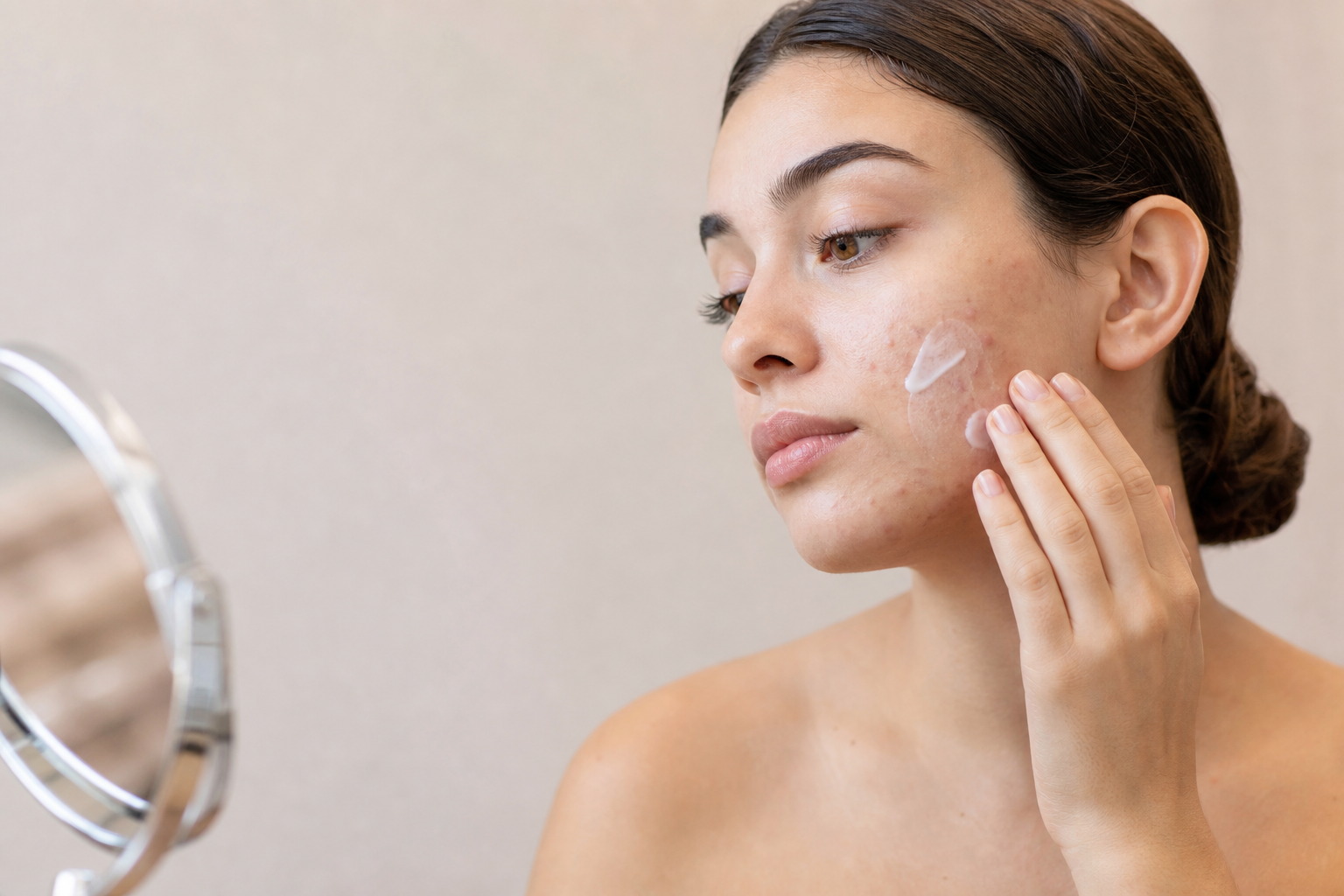
Understanding the distinctions among cosmetic care, salon treatments, and dermatological interventions is fundamental to effective acne management. Cosmetic care typically involves daily and professionally guided use of skincare products, including antibacterial cleansing agents, moisturizers formulated for oily or acne-prone skin, and gentle exfoliants that serve a preventive role. While vital as supportive care, cosmetic routines are insufficient as standalone solutions for moderate to severe acne manifestations.
Salon procedures are professionally administered treatments in controlled environments aimed at improving visible symptoms. These include manual comedone extraction, low-strength chemical peels, microneedling, and ultrasonic cleansing. Such interventions can reduce inflammation and lesion visibility but do not substitute for medical diagnosis and prescribed therapies, especially in advanced acne cases. Coordination with dermatological care optimizes outcomes and minimizes procedural risks.
Dermatological treatments involve medically supervised use of topical and systemic agents—such as antibiotics, retinoids (including isotretinoin), hormonal modulators—and advanced laser or photodynamic therapies. These approaches are essential for managing moderate to severe acne, inflammatory lesions, scarring, and complications that exceed the scope of cosmetic or salon care. Monitoring by a dermatologist ensures treatment safety, adapts regimens to patient responses, and addresses potential adverse effects.
Choosing Treatments Based on Acne Type and Severity
Acne classification guides treatment strategies and predicts outcomes. Commonly, acne is categorized into comedonal, inflammatory, cystic/nodular, and scarring types, each necessitating tailored approaches. Comedonal acne—characterized by blackheads and whiteheads—is often managed with topical agents and non-invasive procedures like light chemical peels (e.g., salicylic acid) that penetrate pores and reduce follicular hyperkeratinization.
For inflammatory lesions such as papules and pustules, combining gentle chemical peels, careful manual extraction, and possibly systemic antibiotics may be indicated, although aggressive mechanical manipulation is discouraged to avoid exacerbating inflammation or spreading infection. Dermatological assessment becomes imperative for treatment planning at this stage.
Cystic and nodular acne represent more severe disease with deep, painful lesions that often necessitate systemic therapies including isotretinoin or hormonal treatment. Adjunctive laser treatments can also facilitate scar minimization and regeneration. These interventions require comprehensive evaluation due to their potent effects and potential adverse reactions.
The Role of Professional Facial Cleansing in Acne Treatment
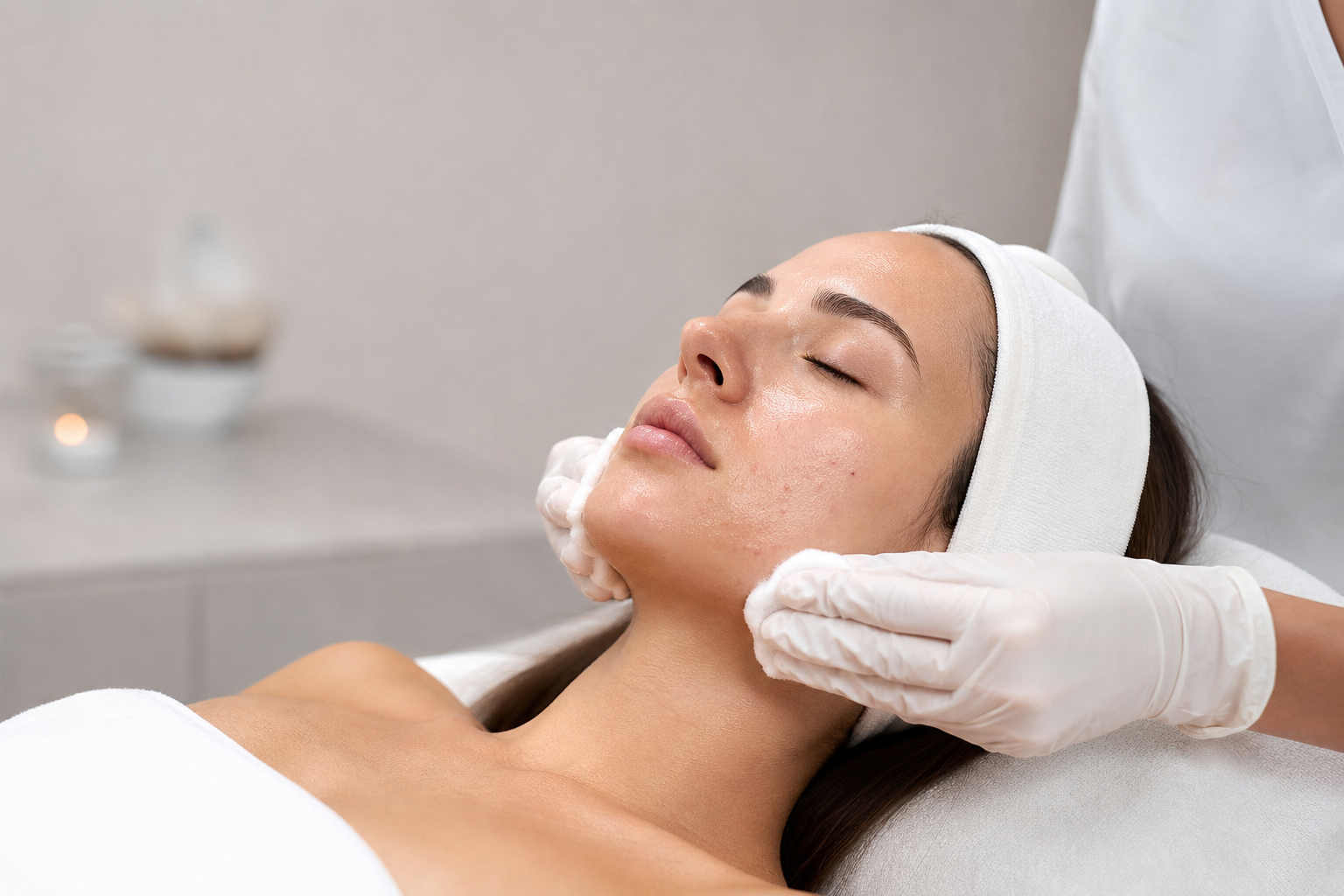
Professional facial cleansing serves as a cornerstone in acne management by reducing pore blockage, sebum buildup, and bacterial load. This procedure involves individualized skin assessment, utilization of sterile techniques, and manual extraction of comedones performed by trained professionals in hygienic settings. Properly conducted, it minimizes irritation and risk of secondary infection, which is crucial in delicate, acne-prone skin.
However, it is contraindicated for active inflammatory or cystic lesions where mechanical pressure can worsen inflammation, cause lesion rupture, and precipitate scarring. Therefore, selection of candidates and timing for professional cleansing should be carefully determined, ideally in consultation with a dermatologist to ensure compatibility with concurrent medical treatments.
Indications and Selection of Chemical Peels for Problematic Skin
Chemical peels remain one of the most versatile professional treatments for acne and skin texture improvement. They function by exfoliating superficial skin layers, promoting cellular renewal, and reducing hyperkeratosis that leads to clogged follicles. Among various peel agents, salicylic acid is particularly efficacious in oily and acne-prone skin due to its lipid solubility and anti-inflammatory properties.
Choosing the right peel concentration and type demands careful consideration of skin sensitivity, acne severity, and coexisting treatments. Overly aggressive peeling can provoke irritation, exacerbate inflammation, and impair the skin barrier. When combined with systemic medications such as retinoids or antibiotics, medical supervision is advised to mitigate adverse effects.
In addition to acne lesion improvement, chemical peels can aid in alleviating post-inflammatory hyperpigmentation and mild scarring, though they do not eliminate all forms of skin damage. Realistic treatment goals and expectations, together with professional guidance, underpin successful outcomes.
Complementary Salon Therapies for Enhancing Acne-prone Skin Health
Modern salon therapies offer adjunctive benefits in managing acne by stimulating skin regeneration and modulating inflammation without invasive procedures. Techniques such as ultrasonic cleansing, LED phototherapy, microneedling, and application of active serums can improve microcirculation, enhance collagen synthesis, and facilitate better absorption of skincare products.
These treatments are most effective when integrated with a comprehensive dermatological plan and are performed by certified clinicians ensuring stringent hygiene protocols to prevent infection risk. Patients should approach such therapies as supportive rather than primary treatments, maintaining close communication with their dermatology providers to align care plans.
When to Seek Dermatological Evaluation and Prescription Treatments
Severe acne presentations, characterized by extensive nodules, cysts, scarring, persistent inflammation, or inadequate response to over-the-counter and salon methods, necessitate prompt dermatological evaluation. A dermatologist can tailor therapeutic regimens incorporating oral antibiotics, systemic retinoids like isotretinoin, hormonal therapies, or laser interventions, customized to the patient's clinical profile.
These medical treatments entail consideration of contraindications, potential side effects, and require ongoing monitoring for safety and efficacy. Special populations—such as pregnant or lactating women—should not self-medicate but seek expert guidance to avoid harm. The presence of signs such as escalating redness, swelling, pain, or emergence of new lesions during any treatment phase should prompt immediate medical reassessment.
Setting Realistic Expectations and the Necessity of Continual Care
Effective acne management is a multifaceted, longitudinal process demanding tempered expectations. While professional treatments can substantially ameliorate skin condition, reduce inflammation, and minimize scarring, there is no universal or instantaneous cure. Individual responses vary due to genetic predispositions, hormonal influences, environmental factors, and treatment compliance.
Sustained improvement relies on ongoing coordination among patients, estheticians, and dermatologists, promoting adherence to personalized skincare regimens and periodic evaluations. Avoiding impulsive, aggressive measures and embracing evidence-based strategies preserves skin integrity and discourages detrimental sequelae.
Common Inquiries about Professional Acne Treatments
Is it advisable to manipulate or extract inflamed pimples? Generally, active inflammatory lesions should not be mechanically pressed or extracted, as this may aggravate infection, increase inflammation, and encourage scarring.
Which chemical peels are most effective for acne? Salicylic acid peels are widely regarded as beneficial for oily and acne-prone skin. For deeper effects, glycolic or lactic acid peels may be employed under medical supervision.
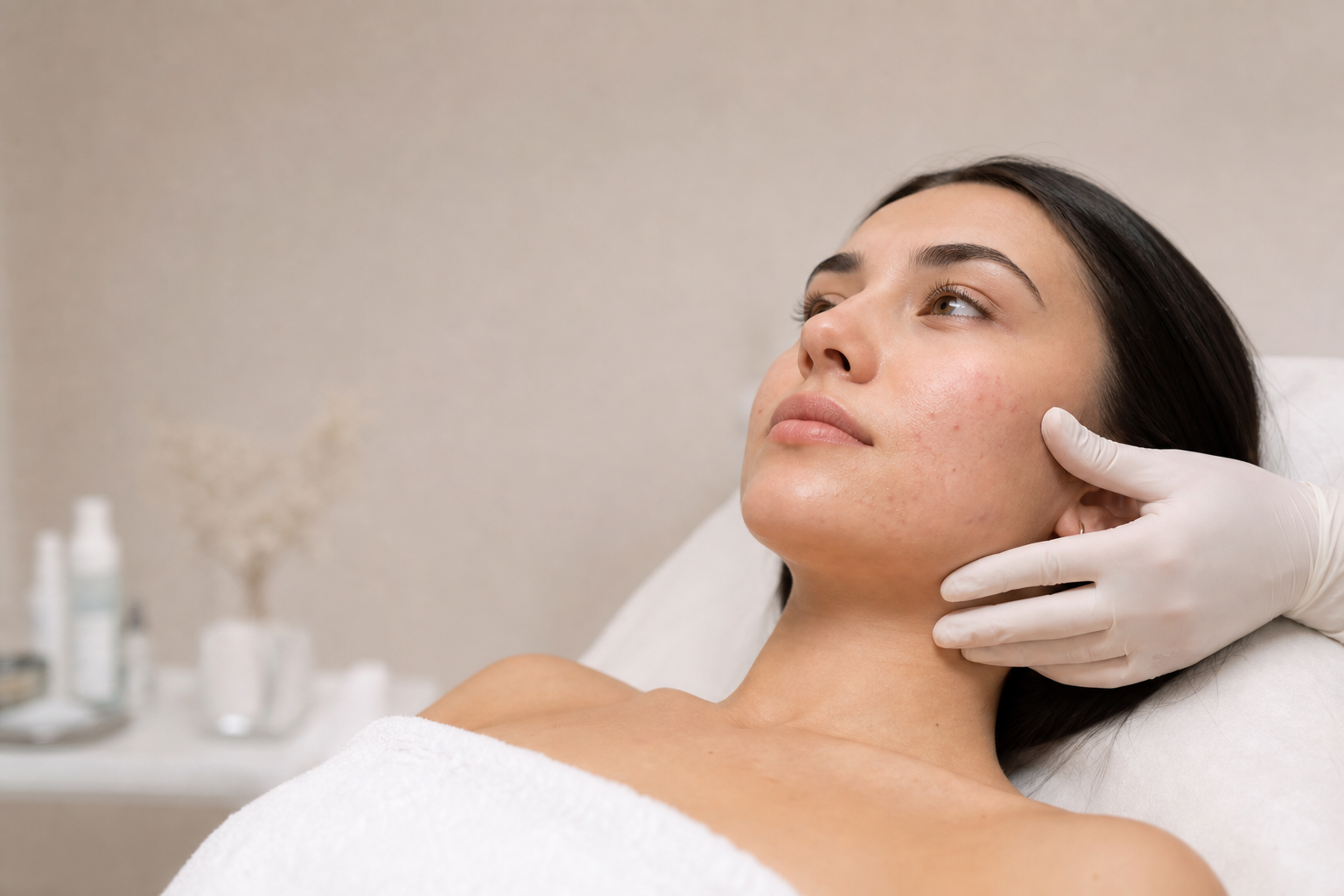
How is treatment determined based on skin type? Professional skin analysis assessing oiliness, sensitivity, and lesion type informs the selection of appropriate salon or medical therapies.
When is a dermatological consultation necessary? Dermatologic evaluation is critical for persistent, severe, or scarring acne, the presence of pain, rapid lesion progression, or when prescription medications are contemplated.