The use of sunbeds has become a common practice for those seeking a tan without direct sun exposure. Sunbeds emit ultraviolet (UV) radiation to artificially tan the skin, presenting an appealing convenience during months when natural sunlight is scarce. However, understanding the individual risk factors associated with sunbed use is crucial for anyone considering this method of tanning. This article aims to provide a thorough, evidence-based examination of the health risks posed by sunbed exposure, focusing on how personal characteristics and conditions can influence these risks. It is intended for individuals curious about or currently using sunbeds, healthcare professionals who advise patients on skin health, and those interested in safe tanning practices.
Why does this topic matter? The International Agency for Research on Cancer (IARC) classifies UV radiation from sunbeds as a Group 1 carcinogen—meaning there is sufficient evidence that it causes cancer in humans. Importantly, no safe threshold or exposure time is established for the UV radiation delivered by sunbeds. Beyond cancer risk, individual differences such as skin type, genetic predisposition, and medical history affect how harmful sunbed use can be. Addressing these factors allows for informed decisions, emphasizing prevention of skin damage and potential malignancies.
By elucidating the complex interplay between sunbeds and individual risk factors, this article seeks to support readers in understanding why certain precautions are recommended and when medical advice is essential. It also highlights the rationale behind existing age restrictions and advises caution in the context of pregnancy, medications, and skin conditions.
What Are Sunbeds and Why Is UV Radiation a Concern?
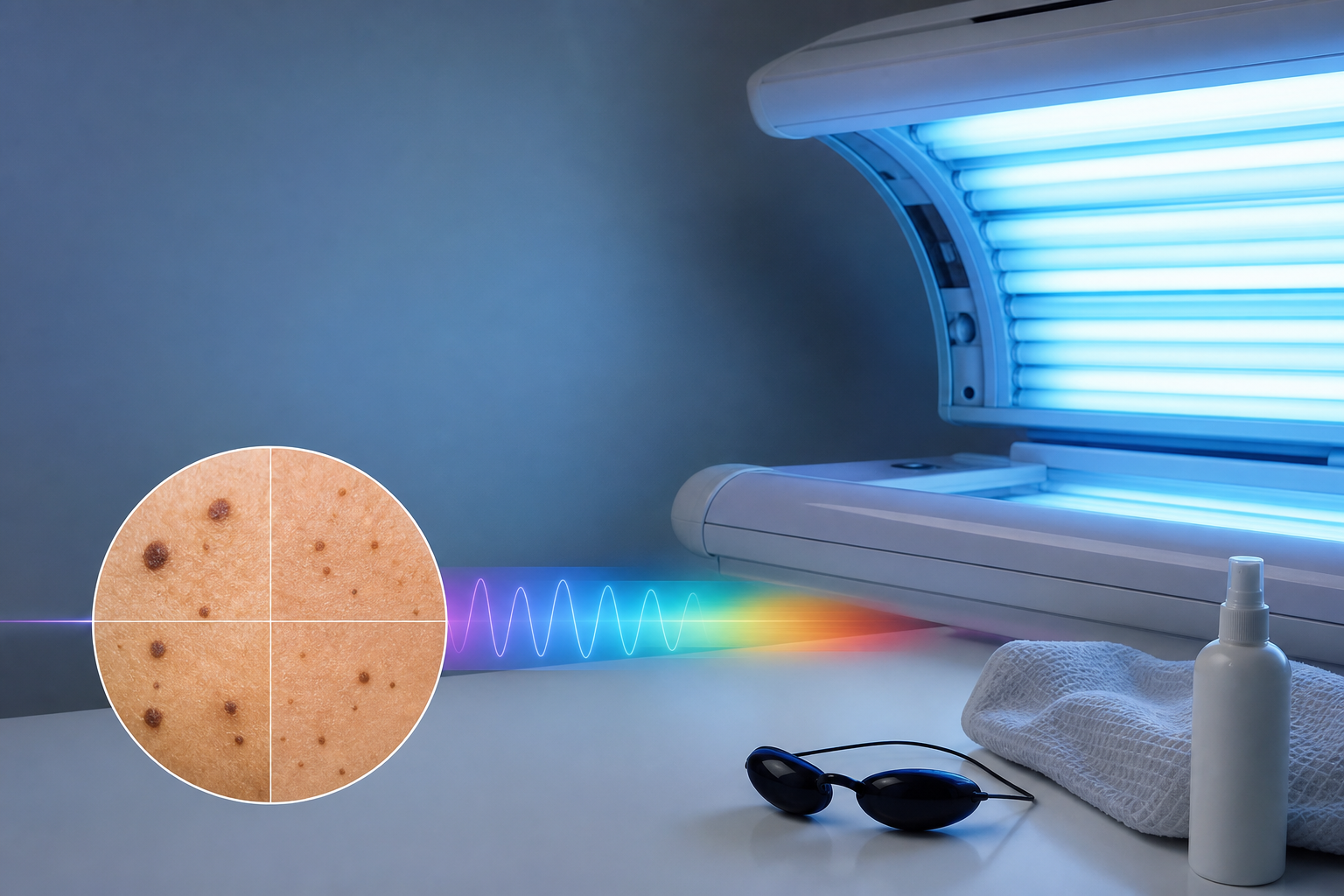
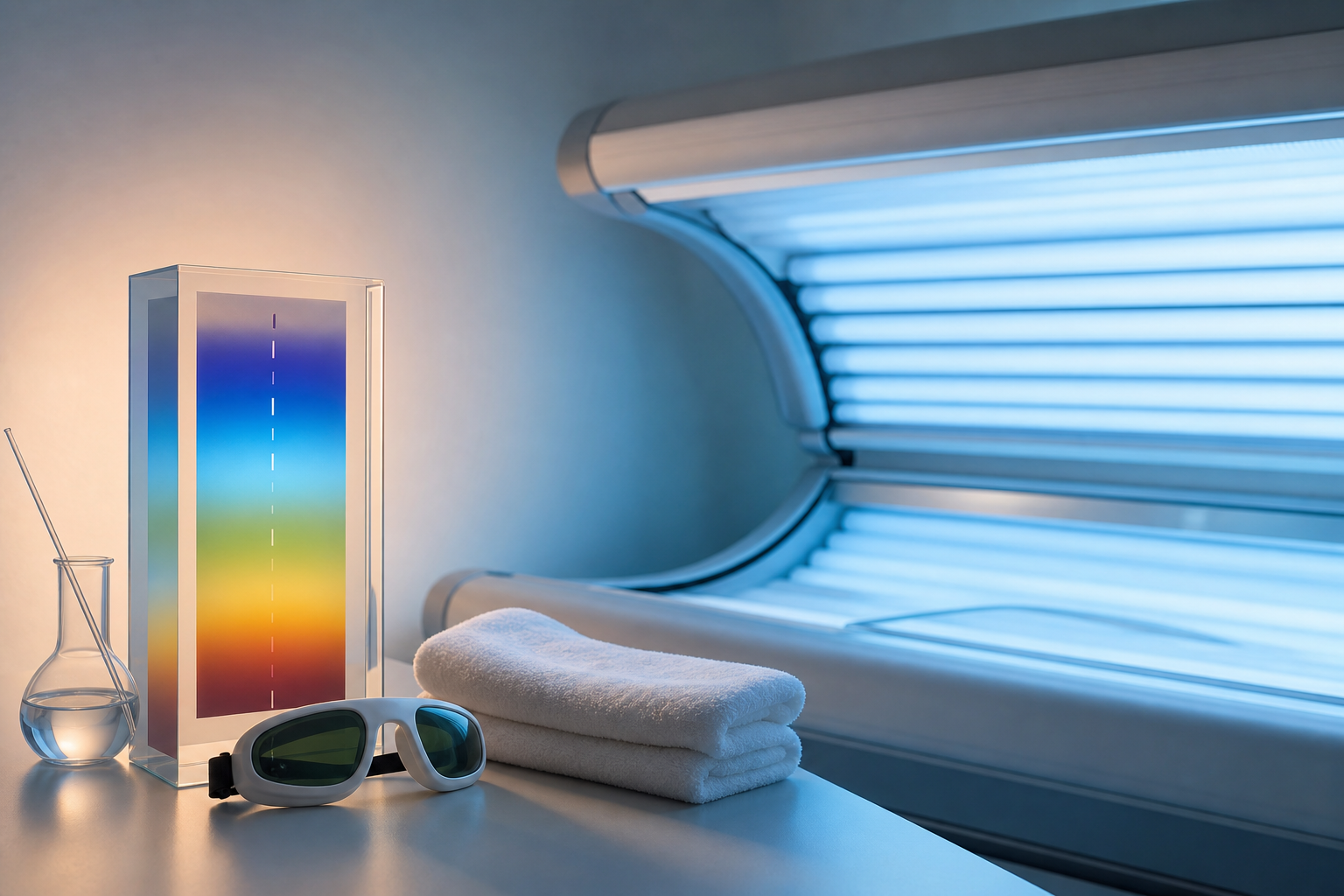
Sunbeds are devices that emit ultraviolet (UV) light, primarily UVA and some UVB rays, simulating the tanning effect of the sun. UVA rays penetrate deep into the skin, while UVB rays affect the outer skin layers. Both forms can cause DNA damage in skin cells, which may initiate mutations leading to skin cancer.
The IARC has unequivocally categorized UV radiation from sunbeds as carcinogenic to humans (Group 1). This classification reflects a consensus in the scientific community about their carcinogenic potential, particularly for melanoma and other skin cancers. The risk arises because UV radiation can induce genetic alterations that accumulate over time, potentially leading to malignant transformations.
Notably, research indicates no safe minimal exposure level to UV radiation from sunbeds—any use contributes to increased risk. Early or frequent exposure, especially in youth, magnifies this hazard. Besides cancer, sunbed use can accelerate photoaging, resulting in wrinkles, pigmentation changes, and skin texture alterations.
How Do Individual Skin Types Affect Risk from Sunbeds?
Skin phototypes categorize how skin responds to UV exposure, largely based on melanin content, which provides natural protection against UV radiation. Type I skin is very fair, often burns easily, and rarely tans, while Type VI skin is deeply pigmented and rarely burns.
Individuals with fair skin (phototypes I and II) are particularly vulnerable to UV damage from sunbeds. Reduced melanin means diminished natural defense, increasing the likelihood of sunburn and DNA injury. Such individuals face higher risks of developing melanoma and non-melanoma skin cancers when using sunbeds.
The importance of considering phototype is reflected in public health guidance, with Personalized risk assessments are necessary because even minimal sunbed use can cause significant harm to sensitive skin types.
In What Ways Does a High Number of Moles Influence Sunbed Safety?
The presence of numerous moles (nevi) or atypical moles is a recognized risk factor for melanoma. Moles represent collections of melanocytes, the pigment-producing cells in the skin, and mutations in these cells can lead to cancer.
Individuals with many moles should exercise heightened caution with sunbed use, as UV exposure can stimulate the mutation and malignant transformation of these cells. Medical professionals often recommend regular skin examinations to monitor mole changes, especially in sunbed users.
Understanding this connection plays a key role in personal risk assessment. People with high mole counts are advised to consult dermatologists before engaging in UV tanning to evaluate potential dangers and develop tailored skin surveillance plans.
What Impact Does Family History of Melanoma Have on Sunbed Use?
Genetic predisposition contributes substantially to melanoma risk. A family history of melanoma, particularly among first-degree relatives, significantly elevates an individual's likelihood of developing this serious skin cancer.
For those with such a background, UV exposure from sunbeds increases the risk disproportionately compared to the general population. This heightened susceptibility stems from inherited factors affecting DNA repair mechanisms and immune surveillance.
It is crucial for individuals with familial melanoma history to seek professional advice before considering sunbed use. Early consultation enables assessment of personal risk and supports decisions aligned with preventive strategies.
How Do Underlying Skin Conditions Modify the Risk Associated with Sunbeds?
Certain dermatological conditions make the skin more susceptible to UV damage. Photosensitive disorders, such as lupus erythematosus and other autoimmune diseases, manifest increased skin sensitivity to light, resulting in exacerbated symptoms and potential complications upon UV exposure.
People with these conditions should approach sunbed use with extreme caution, ideally avoiding it altogether unless under strict medical supervision. Dermatologists play a pivotal role in evaluating the risks and providing individualized guidance.
Failure to account for photosensitivity can lead to flare-ups, increased inflammation, and accelerated skin deterioration. Therefore, understanding one’s skin condition is fundamental before any exposure to artificial UV sources.
Why Is It Important to Consult Healthcare Professionals Regarding Medications and Sunbed Use?
Many medications have photosensitizing properties, meaning they increase the skin's sensitivity to UV radiation. Classes including certain antibiotics, retinoids, and antidepressants, among others, may enhance the risk of burns and other adverse effects when combined with sunbed exposure.
Given the complex interactions between medications and UV light, individuals taking such treatments must consult their healthcare provider or pharmacist before using sunbeds. This consultation is critical to avoid unintended skin damage and ensure safe management.
Since the photosensitizing potential varies widely among different drugs and doses, personalized professional advice is indispensable rather than relying on generalized waiting periods or protocols.
How Do Pregnancy and Recent Aesthetic Procedures Influence Sunbed Safety?
Pregnancy induces hormonal changes that can cause pigmentation disorders such as melasma, resulting in darkened skin patches. Exposure to UV radiation, including from sunbeds, can worsen these pigmentation changes, making skin tone uneven and more difficult to manage.
Similarly, recent aesthetic procedures—like chemical peels or laser treatments—leave the skin temporarily more vulnerable to UV damage. Post-procedure skin may have compromised barrier function and increased photosensitivity, elevating the risk of burns and scars when exposed to UV radiation.
These circumstances require consultation with healthcare providers to determine individualized safe timelines for sunbed use or to seek alternative beauty solutions instead of UV tanning during sensitive periods.
Why Is Sunbed Use Discouraged for Individuals Under 18 Years of Age?
Children and adolescents possess skin that is still developing and is particularly vulnerable to UV-induced DNA damage. Early exposure to UV radiation correlates with a considerably increased risk of melanoma and other skin cancers in later life.
In recognition of this danger, health organizations worldwide recommend that persons under 18 avoid sunbed use entirely. Many jurisdictions have enacted legal restrictions to enforce this prohibition as a protective public health measure.
The exclusion of minors from sunbed use underscores the principle that there is no safe UV dose for younger skin and highlights the necessity of protective regulations to preserve long-term skin health.
What Are Safe Alternatives to Achieve a Tanned Appearance Without UV Exposure?
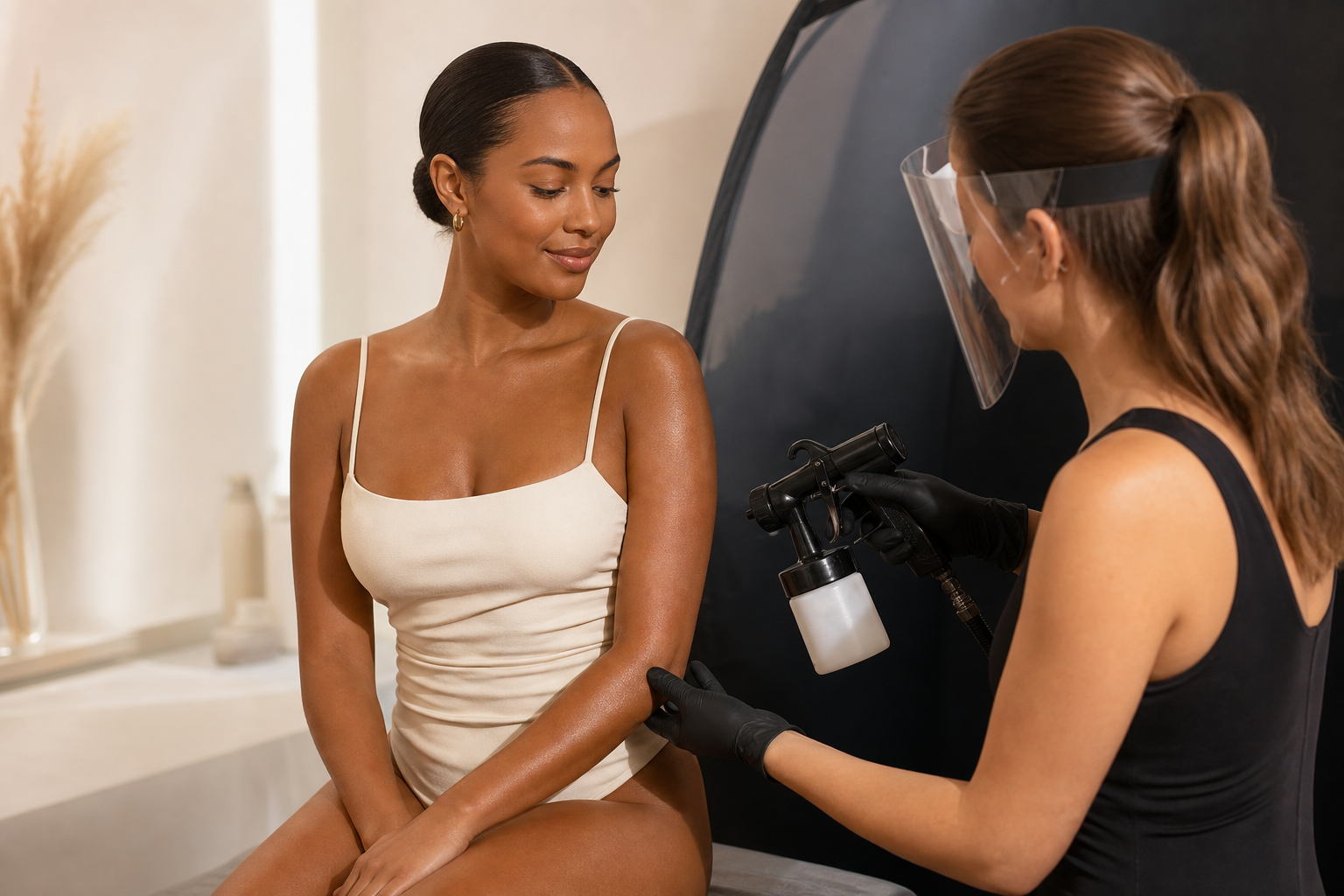
For those desiring a tanned look without incurring the risks of UV radiation, multiple alternatives are available that do not compromise skin health. Self-tanning products containing dihydroxyacetone (DHA) provide a safe and effective means to develop a tanned appearance by chemically darkening the skin’s outer layer.
These options avoid DNA damage and the associated cancer risks posed by UV exposure. Proper selection and application of such products can yield natural-looking results that meet aesthetic preferences without endangering skin integrity.
Educating users about these alternatives enriches the toolkit for safe skin care and emphasizes preventive health, particularly among individuals with high sensitivity or risk factors.
How Do Individual Risk Assessments Enhance Long-Term Skin Health?
Adopting an individualized approach to evaluating sunbed use integrates knowledge about skin type, medical history, genetics, and lifestyle factors to form a comprehensive risk profile. This personalized assessment facilitates safer decision-making regarding UV exposure.
Regular dermatological check-ups and self-monitoring of skin changes are vital components of this strategy. Such vigilance enables early detection of suspicious lesions and optimizes interventions to prevent progression to skin cancer.
Ultimately, understanding and respecting individual risk factors align with global health guidelines and contribute significantly to maintaining healthy skin throughout life.