Choosing the right anti-aging treatment is a nuanced decision that intersects with individual skin health, aesthetic goals, and lifestyle considerations. With an increasing array of options available—ranging from topical serums and minimally invasive procedures to advanced laser therapies—understanding how to navigate and select the optimal path can feel overwhelming. This guide serves those who wish to preserve their youthful complexion, enhance skin vitality, and address signs of aging effectively and safely.
Whether you are just beginning to notice early signs of aging such as fine lines or seeking interventions for deeper wrinkles and skin laxity, making informed choices greatly influences the outcome. Anti-aging treatments are not a one-size-fits-all solution; rather, they require a personalized approach that respects your skin type, age, and specific concerns. By demystifying the available options and aligning each with particular skin challenges, this article empowers you to approach anti-aging care with clarity and confidence.
Understanding what anti-aging treatments entail, who stands to benefit, and how to customize your regimen is essential in maintaining skin health and achieving subtle yet meaningful rejuvenation. This discourse will explore the varieties of treatments, criteria for matching them to individual needs, and practical advice on timing and expectations. Equipped with this knowledge, you can navigate the landscape of skincare more effectively and make selections that harmonize with your overall wellness journey.
What Defines Anti-Aging Treatments and Their Mechanisms?
Anti-aging treatments encompass a spectrum of procedures and skincare interventions designed to slow or partially reverse the visible effects of skin aging. These effects commonly include wrinkles, uneven texture, dryness, and diminished elasticity—symptoms arising from decreased collagen and elastin production, sun exposure, environmental pollutants, and the natural wear of time.
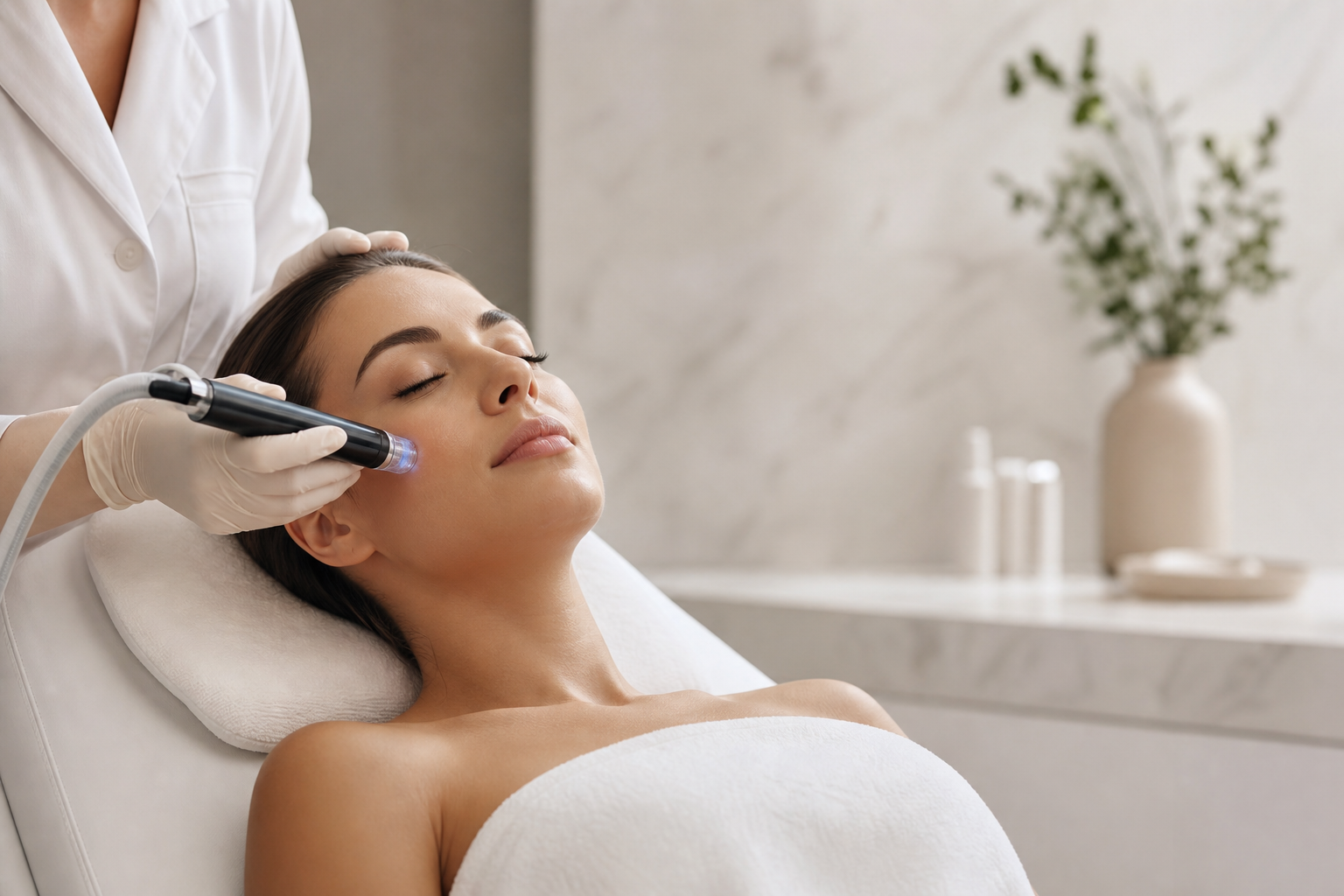
The fundamental principle behind these treatments involves stimulating the skin’s regenerative capacity to restore firmness, moisture balance, and luminosity. Techniques vary from non-invasive topical applications imbued with active ingredients like retinoids, vitamin C, peptides, and hyaluronic acid, to minimally invasive modalities such as chemical peels, microneedling, platelet-rich plasma (PRP) therapy, ultrasound, radiofrequency, and laser resurfacing.
Each method targets different layers and mechanisms within the skin. For instance, retinoids promote cellular turnover and enhance collagen synthesis; PRP therapy leverages growth factors to accelerate tissue repair; and laser treatments can precisely remodel dermal proteins while improving pigmentation and texture. The selection of a suitable intervention depends on the desired depth of correction, skin type, and individual tolerance.
Who Should Consider Anti-Aging Treatments and When to Begin?
Anti-aging care is increasingly embraced not only by mature adults but also by younger individuals keen on preventive strategies. Commencing appropriate regimens in the twenties can serve as a proactive measure to mitigate damage from UV exposure and environmental stressors known to accelerate skin aging.
Those in their thirties and forties may encounter initial wrinkles and subtle loss of elasticity, welcoming treatments that bolster hydration and sustain collagen production before deeper lines emerge. For individuals in later decades, particularly the fifties and beyond, interventions often focus on correcting more pronounced features such as deep wrinkles, sagging skin, and age spots.
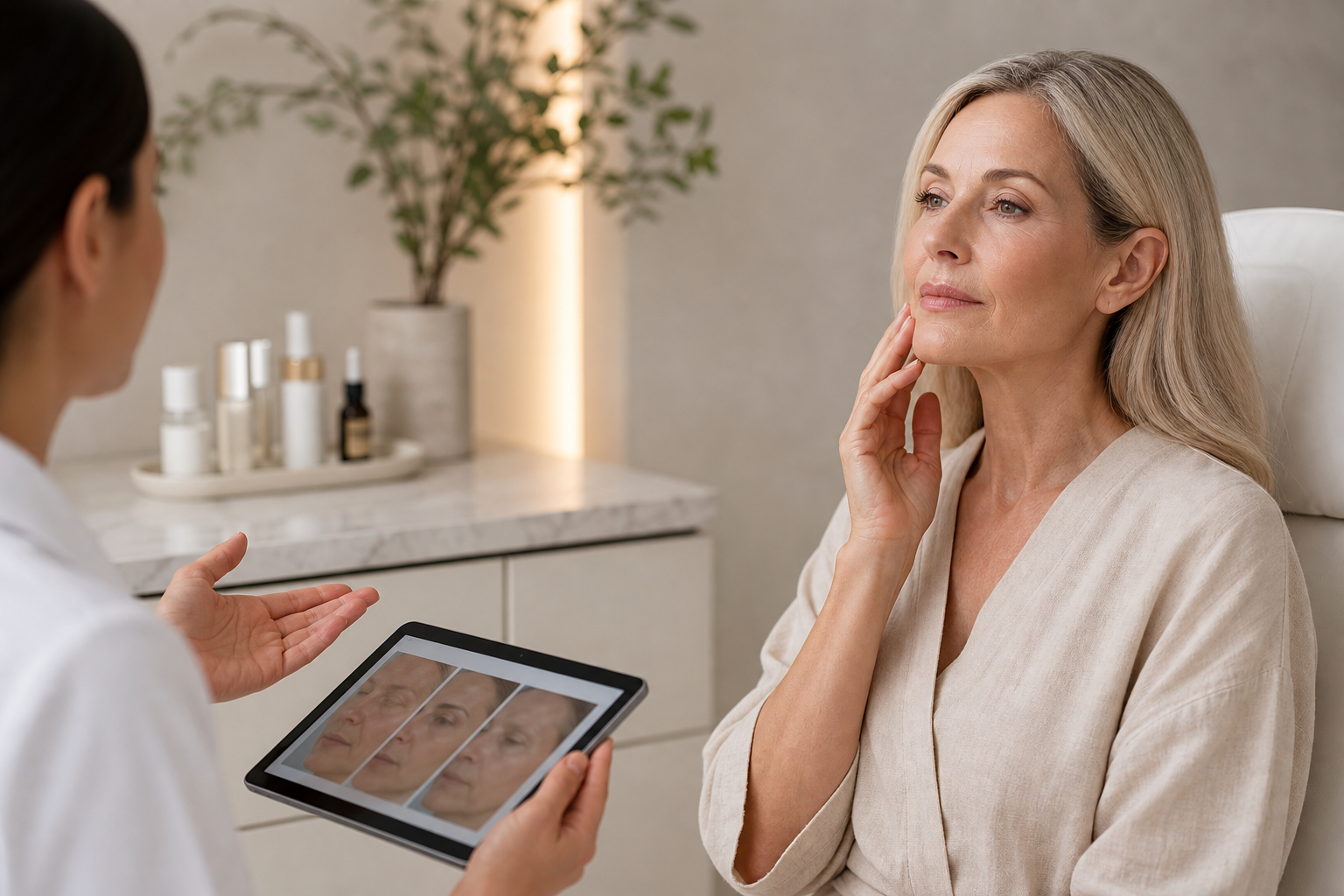
Importantly, treatment plans must be individualized, taking into account not only chronological age but also biological age, lifestyle habits, and skin condition. Consulting with a skincare specialist or dermatologist is crucial to determine the most appropriate starting point and regimen intensity.
How Is Skin Assessed to Determine the Best Anti-Aging Approach?
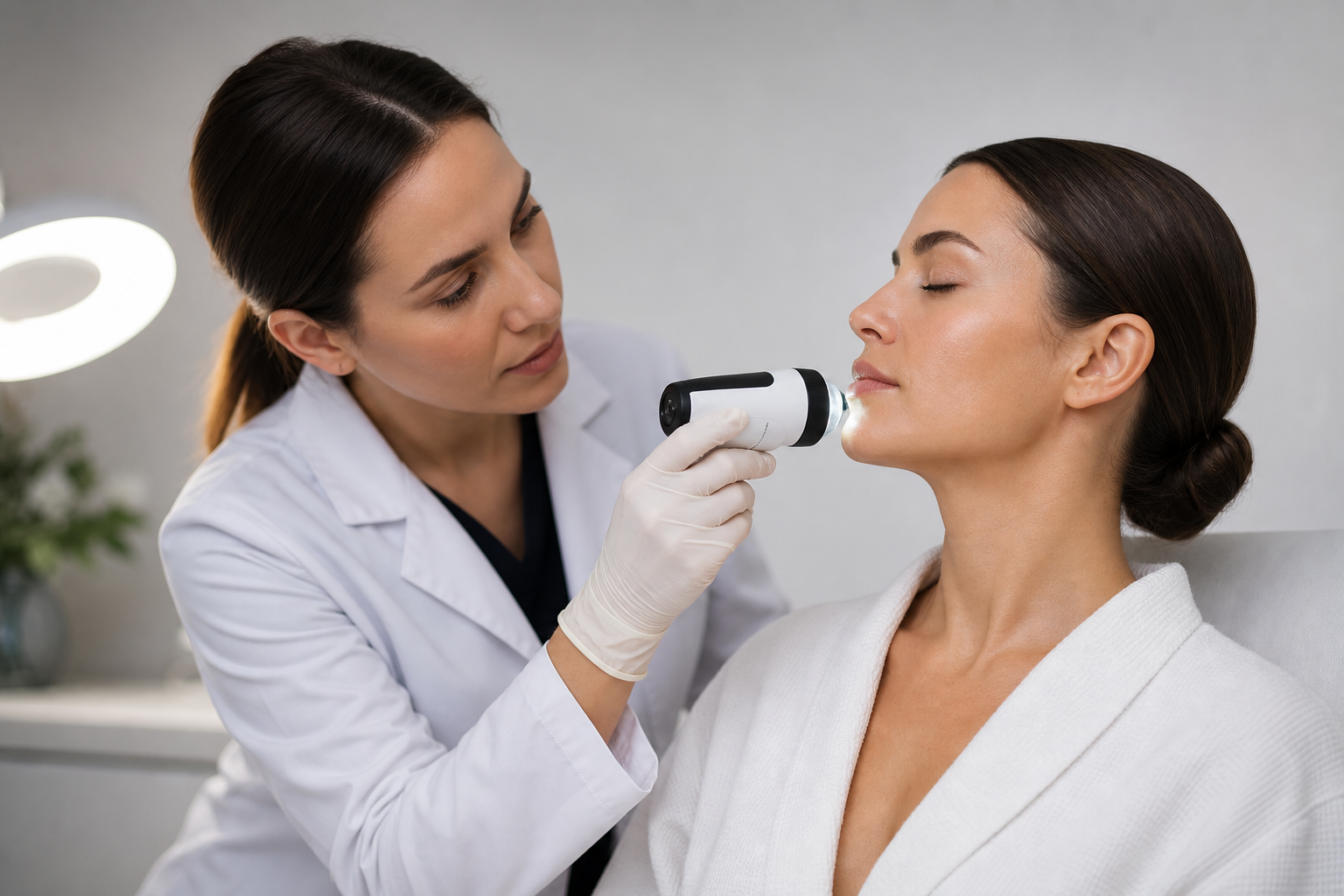
A thorough skin evaluation is the foundation for selecting effective anti-aging treatments. Professionals typically analyze various parameters including skin type (dry, oily, combination, sensitive), texture, elasticity, hydration levels, pigmentation irregularities, sun damage, and the presence and depth of wrinkles.
This assessment often involves visual inspection augmented by diagnostic tools and may be complemented by an in-depth history covering skincare routines, lifestyle factors such as sun exposure, smoking, diet, and any previous cosmetic interventions. Understanding these variables helps to identify contraindications and tailor therapies to minimize risks and maximize benefits.
Realistic expectations are set in this dialogue, emphasizing achievable improvements rather than presumed perfection. This consultative process fosters a collaborative relationship where treatment strategies are aligned with individual needs and preferences.
What Are the Most Prevalent Anti-Aging Treatment Modalities and Their Distinct Roles?
Various anti-aging treatments differ in their mechanisms, invasiveness, recovery times, and target outcomes. An overview of common procedures includes:
Chemical Peels: These involve applying acid solutions to exfoliate damaged outer skin layers, stimulating renewed cell growth and enhancing skin texture and tone. Peels range from superficial to deeper formulations, appropriate for differing severity levels.
Mesotherapy: A method where blends of vitamins, hyaluronic acid, and antioxidants are injected or infused into the skin to nourish and hydrate, promoting regeneration at a cellular level.
Platelet-Rich Plasma (PRP): Utilizing the patient’s own blood, PRP concentrates growth factors that naturally stimulate collagen formation and tissue repair, offering gradual and natural-looking rejuvenation.
Laser and Ultrasound Therapies: Technologies such as fractional lasers or high-intensity focused ultrasound (HIFU) stimulate deep skin layers to remodel collagen and elastin fibers, effectively tightening and lifting sagging skin.
Topical Active Ingredients: Daily use of serums and creams containing retinoids, vitamin C, peptides, and hyaluronic acid supports ongoing skin health and complements clinical treatments.
When Should One Opt for Preventive Versus Corrective Anti-Aging Treatments?
Preventive anti-aging focuses on maintaining youthful skin through hydration, sun protection, and mild stimulation of skin renewal, ideally initiated in the twenties or early thirties. These treatments are generally gentle, designed to delay the appearance of wrinkles and prevent environmental damage.
Corrective procedures are considered when visible signs like deeper wrinkles, skin laxity, or pigmentation changes have developed. These interventions are typically more intensive and might include combined modalities to address multiple concerns effectively.
Deciding between prevention and correction often depends on one’s current skin condition, age, genetic predispositions, and personal goals, underscoring the importance of expert guidance.
How Should Anti-Aging Treatments Be Tailored Across Different Decades of Life?
As skin biology evolves with age, so too should the approach to its care:
In the 20s: Emphasis lies on hydration, sun protection, and mild antioxidants to safeguard and reinforce skin resilience.
In the 30s: Early fine lines and slight textural changes prompt the introduction of collagen-supportive treatments such as gentle peels and peptides.
In the 40s: As visible ageing intensifies, stronger agents like retinoids and more active procedures may be warranted to enhance firmness and reduce lines.
In the 50s and 60s: Focus shifts to restoring volume, tightening, and combating dryness with potent modalities including PRP, laser therapies, and rich nourishing topical agents.
Adjusting treatments to the skin’s changing needs not only enhances effectiveness but also supports long-term skin health.
Which Treatments Are Best Suited for Addressing Initial Versus Advanced Wrinkles?
First wrinkles often manifest as thin, dynamic lines resulting from mimetic muscle activity and moisture loss. Treatments favoring hydration and mild collagen stimulation—such as mesotherapy with hyaluronic acid, gentle chemical peels, and daily use of retinoid or peptide serums—can soften these early signs.
For deeper, static wrinkles that are less responsive to superficial care, more assertive interventions are appropriate. PRP therapy, fractional laser resurfacing, and carefully-administered dermal fillers or neuromodulators may be recommended. These procedures promote structural restoration and tissue volume replacement, thereby achieving more noticeable wrinkle reduction.
Which Anti-Aging Therapies Effectively Combat Facial Skin Laxity?
Skin laxity arises from diminished collagen and elastin compromised by aging and external factors. Non-invasive energy-based modalities such as ultrasound therapy (e.g., HIFU), radiofrequency treatments, and laser tightening effectively stimulate dermal collagen synthesis, resulting in firmer skin contours.
Adjunctive treatments like mesotherapy and specialized lifting serums enhance tissue nourishment and support skin tone improvement. Sustaining these outcomes commonly involves a combination of in-clinic procedures and consistent homecare, supplemented by lifestyle modifications that reduce UV exposure and oxidative stress.
Common Concerns When Selecting Anti-Aging Treatments
Prospective patients frequently wonder about the optimal timing to begin anti-aging care, procedural discomfort, downtime, and the longevity of results. Starting early, under professional supervision, helps maximize benefits and minimize the need for aggressive procedures later on.
Many modern anti-aging treatments are designed to be minimally invasive and bear little to no pain, allowing rapid return to daily activities. However, experiences vary by procedure, and thorough consultation is necessary to align expectations with realities.
Durability of results depends on treatment type, skin health, and individual factors. Generally, multiple sessions combined with diligent skincare yield the best outcomes, and maintenance treatments extend these benefits.