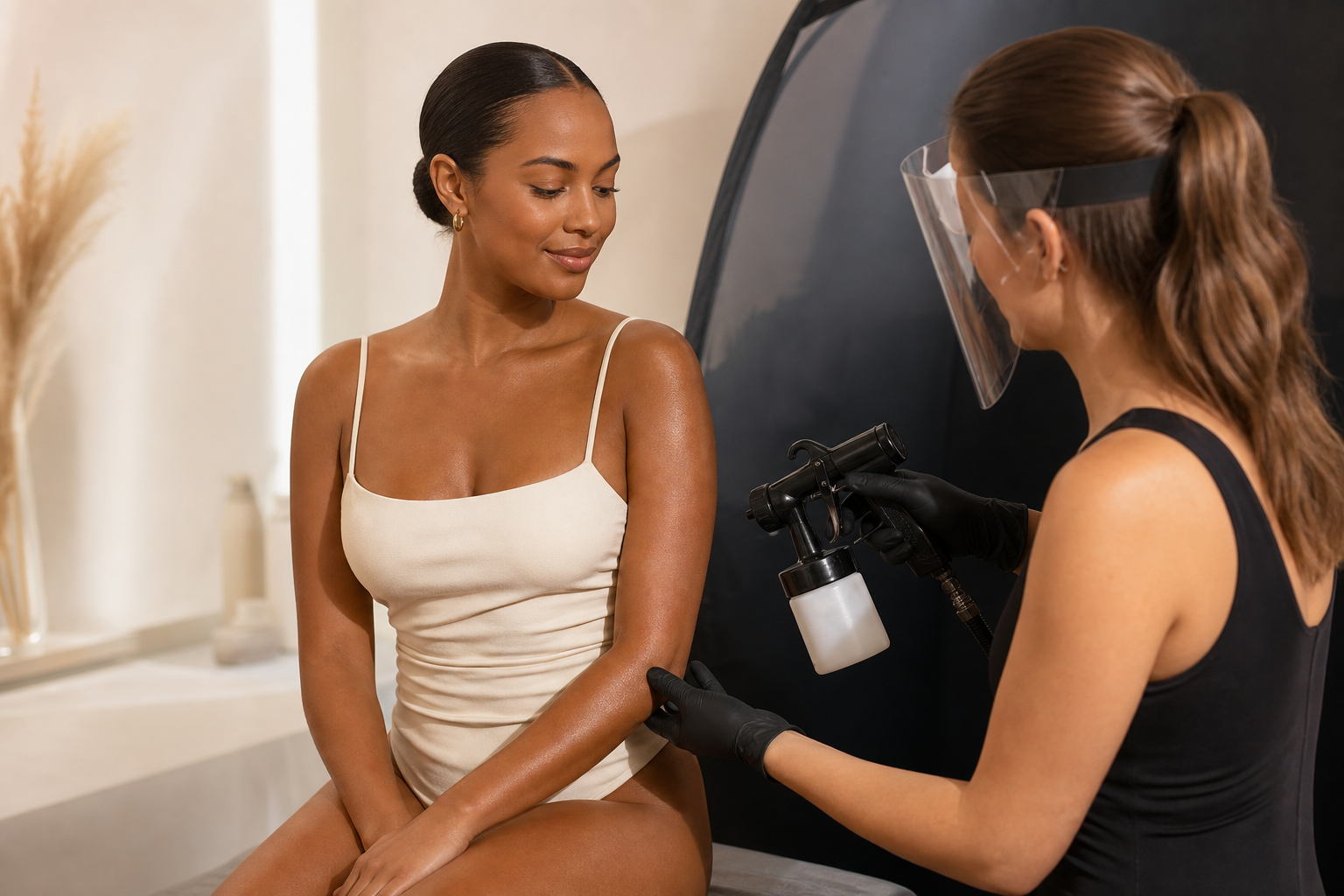
Spray tans have become a go-to solution for many seeking the coveted sun-kissed glow without the risks associated with prolonged sun exposure. By applying a fine mist of tanning solution to the skin, individuals can achieve a bronzed appearance safely and quickly. Despite the popularity and convenience of spray tans, a common concern persists among users: does every spray tan look orange? This question is more than a cosmetic curiosity; it reflects the desire for a natural-looking tan and the fear of an unnatural, artificial finish.
This editorial aims to provide an authoritative, transparent insight into the world of spray tans, particularly focusing on the coloration — why some spray tans appear orange, and whether that is inevitable. It is intended for anyone considering a spray tan, whether beginners or those with prior experience who have been disappointed by an undesirable hue. Understanding the factors that influence the outcome can arm readers with knowledge to make informed choices, select appropriate products and services, and set realistic expectations.
Knowing what contributes to the final color and how to avoid the dreaded orange glow matters deeply because skin appearance dramatically affects confidence and personal presentation. This discussion will also clarify the limitations of spray tanning, its safety parameters, and how one can maintain a natural aesthetic. Let us delve into the science, techniques, and myths surrounding spray tanning hues to decode the orange question once and for all.
What Causes Some Spray Tans to Appear Orange?
The crux of why some spray tans look orange lies primarily in the chemistry of the tanning agents used—most notably, dihydroxyacetone (DHA). DHA is a simple carbohydrate that reacts with the amino acids in the uppermost layer of dead skin cells, creating a browning effect similar to the Maillard reaction in foods. This reaction results in the temporary pigmentation that mimics a natural tan but does not involve melanin production.
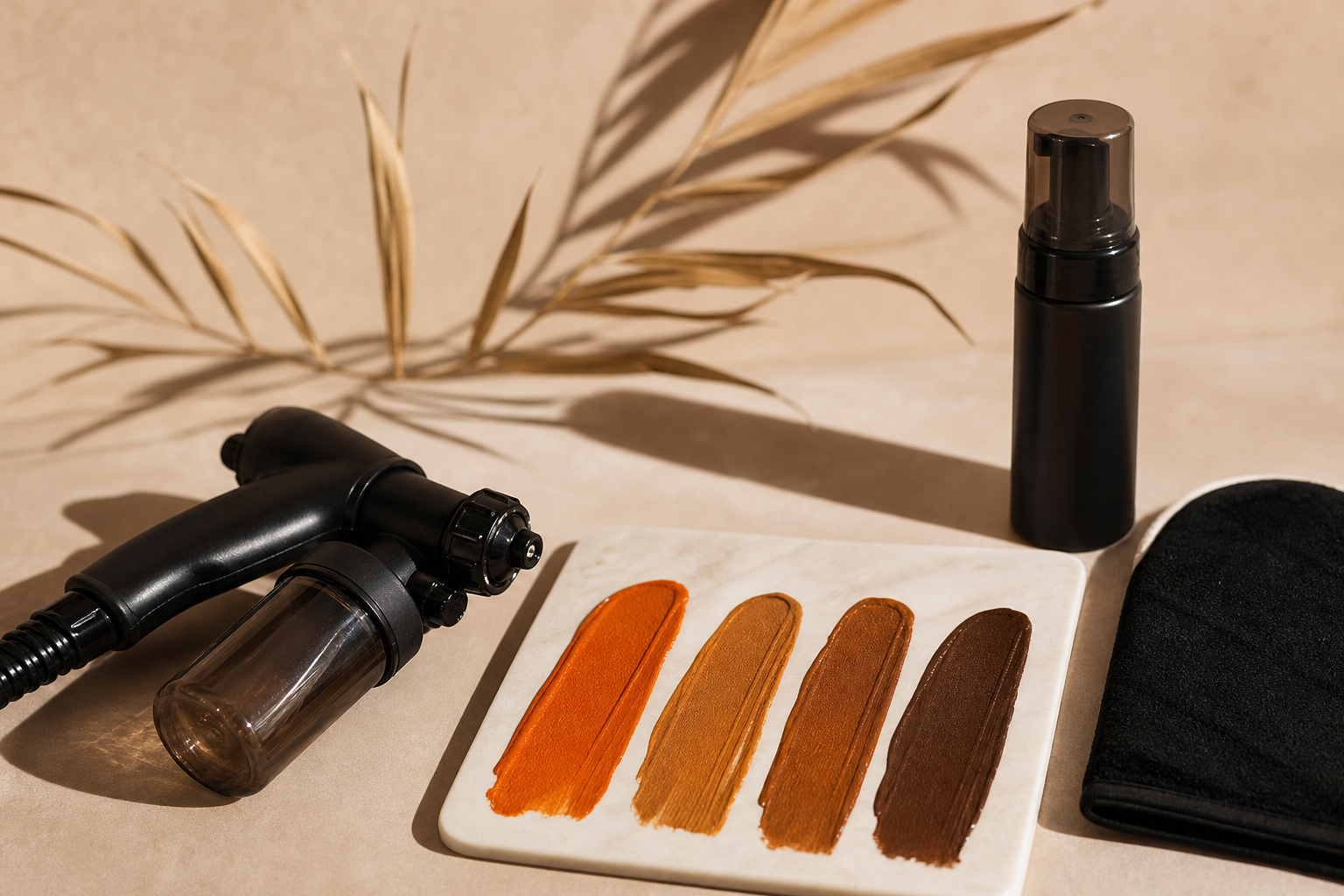
The orange hue often associated with spray tans arises when the concentration or quality of DHA is suboptimal. Low-quality DHA or formulations with excessive DHA percentages might trigger uneven or excessively warm-toned pigmentation. Moreover, some products incorporate additional colorants such as erythrulose or vegetal extracts, which can interact to produce warmer, sometimes orange-tinged results.
Another contributor is the type of skin chemistry of the individual. Because the reaction depends on the skin's surface proteins, variations in skin pH, hydration, and baseline coloration influence how the tan develops and appears. Additionally, the oxidative processes post-application can alter color, sometimes pushing it towards an orange spectrum.
It is important to note that the perception of 'orange' is partly subjective and can vary based on lighting, surrounding colors, and individual color sensibilities. What registers as an attractive bronze tan to one eye may feel unnatural to another.
How Do Skin Characteristics Affect Spray Tan Results?
The natural condition and characteristics of the skin playing host to the spray tan significantly dictate how the color settles and matures. Dry or flaky skin tends to absorb tanning solutions unevenly, leading to patchy or splotchy areas that can appear more orange against paler skin. Conversely, well-moisturized and exfoliated skin usually promises a more even and natural outcome.
Skin types also influence the resultant hue. Fair or very light skin may display more noticeable warmth or orange undertones post spray tan as the contrast is more pronounced. Darker skin tones may mask minor orange shifts but still benefit from precise color balancing in the product used.
Preparatory skin care routines before a spray tan session—like exfoliation to remove dead skin cells and proper hydration—are crucial steps towards minimizing unwanted color tones. Skipping these steps can exacerbate uneven application and color discrepancy, leaving the appearance less refined.
Can Professional Spray Tan Services Prevent the Orange Look?
Engaging experienced technicians who use high-quality products tailored to individual skin types can greatly reduce the likelihood of an orange tint. Professionals often have access to formulations with optimized DHA concentrations and added ingredients designed to provide a more natural beige or bronze tone rather than an overtly orange one.
Moreover, professionals control the spray application process, ensuring even coverage and matching the tan depth to the client’s skin tone and desired result. They are also knowledgeable about how to prepare the skin properly and provide aftercare guidance to preserve color integrity and fade evenly.
However, even with professional intervention, the final result may vary. The uniqueness of each person's skin chemistry means that no product can guarantee the same outcome on everyone, making personalized consultation and patch testing valuable steps before a full application.
Does the Concentration of DHA Influence the Shade and Intensity?
The concentration of DHA in a tanning solution is undeniably linked to the intensity and shade of the spray tan. Higher DHA percentages tend to generate a deeper, darker color, which if not balanced or formulated carefully, might veer into unnatural orange territory. Lower concentrations result in lighter, subtler tans but may require more frequent reapplications to maintain vibrancy.
Manufacturers often blend DHA with other agents, such as erythrulose, to moderate color development and reduce orange undertones. These combinations tend to produce tans that fade more naturally and have a better resemblance to genuine sun-induced tans.
Choosing a product or service with DHA concentration aligned to your skin tone and the desired tan depth is essential. Overestimating the needed intensity can cause the orange effect, while underestimating it may yield too faint a result, satisfying neither desire nor intention.
Is Achieving a Naturally-Looking Spray Tan Possible?
Achieving a natural-looking spray tan is very much attainable with the right products, application technique, and skin preparation. Modern spray tan formulations have evolved considerably, incorporating color-correcting components that refine the hue to resemble a natural bronze rather than an artificial orange.
The inclusion of ingredients such as erythrulose extends the development process and yields warmer, creamier tones that are more flattering across a range of skin types. Furthermore, many professional salons customize their sprays or blend shades to tailor the tan specifically for clients’ undertones and preferences.
Meticulous preparation and following pre- and post-tan protocols—such as exfoliation, avoiding moisturizers or oils immediately before treatment, and careful maintenance afterward—also play crucial roles in the tan's appearance and longevity.
What Are the Realistic Expectations Concerning Spray Tan Color and Longevity?
It is imperative to understand that spray tans provide a surface-level pigment that mimics a tan temporarily. The color generally lasts between five to ten days, gradually fading as the skin naturally exfoliates. The intensity and fading pattern depend on the formulation used, skin type, and personal care practices.
A spray tan does not deepen or permanently alter skin pigmentation and will not protect against ultraviolet radiation. Unlike a natural tan, it is a cosmetic enhancement that needs upkeep and does not confer the health or damage effects associated with sun tanning.
Because of these limitations, managing expectations is vital; expecting a spray tan to replicate exactly the warm glow of a natural tan or last extensively without reapplication can lead to dissatisfaction.
Does Spray Tan Affect Skin Pores or Cause Breakouts?
Contrary to some beliefs, spray tan solutions do not clog pores because they work solely on the surface dead skin cells. They do not penetrate the dermis or alter skin functions at a deeper level. However, improper removal or lack of skin cleansing following the lifespan of the tan can cause residue build-up, potentially leading to irritation or breakouts, especially in acne-prone skin.
Consulting with skincare professionals or dermatologists is advisable for individuals with sensitive or compromised skin before pursuing spray tanning to avoid any adverse reactions.
Can Spray Tan Transfer to Clothes or Bedding?
One practical consideration with spray tanning is the possibility of color transfer shortly after application. Freshly applied tanning solutions can stain fabrics if the spray has not fully dried or absorbed. This is why post-tanning care involves wearing loose, dark clothing and avoiding bed linens or upholstery contact until the tan sets.
Professional salons usually advise clients to allow several hours before dressing fully and recommend precautions to preserve clothing and avoid embarrassment caused by transfer stains.
Can You Safely Sunbathe After a Spray Tan?
Sun exposure immediately following a spray tan is discouraged, as water, sweat, and UV rays can interfere with color development and longevity. Additionally, because spray tans do not provide sun protection, using a broad-spectrum SPF 30+ sunscreen remains mandatory to prevent skin damage.
Clients are advised to wait at least 8 to 12 hours post-application before sunbathing and to continue using sunscreen diligently to safeguard skin health regardless of their spray tan status.
When is Spray Tanning the Preferred Choice Over Natural Sun Tanning?
Spray tanning is preferable for individuals seeking to minimize UV exposure and reduce risks such as premature aging, sunburn, or skin cancer. Those with sensitive skin, certain medical conditions, or in geographic locations with limited sunlight may benefit significantly from spray tanning as a safe alternative.
It also offers rapid, controlled, and customizable results without the need to tan gradually over time, making it suitable for special events or seasonal color refreshment. However, selecting reputable salons and proven products remains essential for safety and satisfaction.