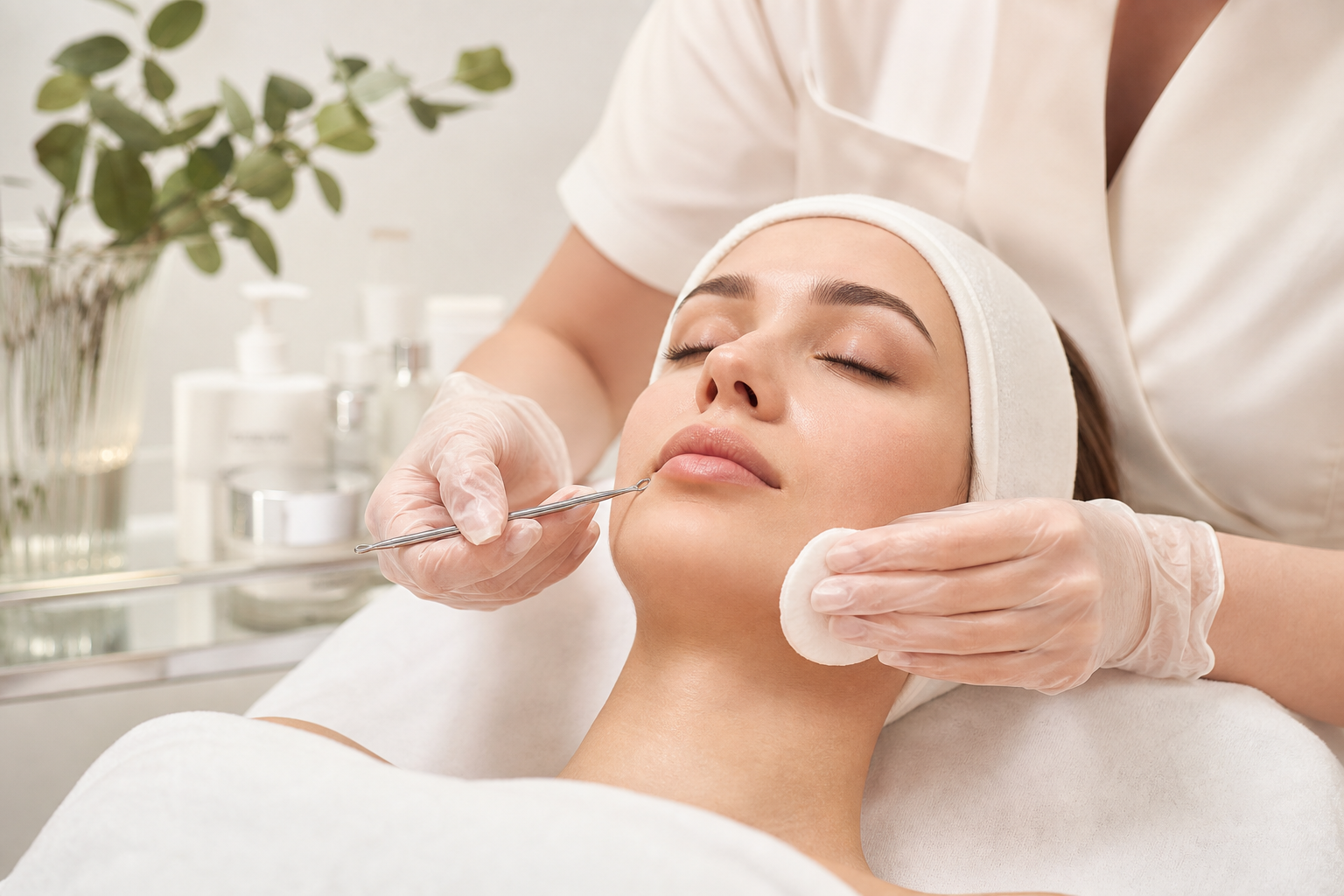
In the realm of skincare, achieving a radiant and healthy complexion often requires more than just daily cleansing and moisturizing. Deep facial cleansing stands out as a transformative treatment designed to thoroughly purify the skin beyond the surface level. This method targets accumulated dirt, excess oil, dead skin cells, and impurities lodged deep within the pores, aiming not only to enhance aesthetic appeal but also to support skin health. It's particularly sought-after by individuals concerned with addressing issues such as blackheads, acne, clogged pores, or dullness, regardless of age or skin type.
Understanding the process of deep facial cleansing is essential for anyone considering this treatment, whether performed professionally or at home. Proper knowledge informs preparation, execution, and aftercare, ensuring effective and safe results while preventing complications. This article provides a comprehensive, step-by-step guide to deep facial cleansing, elucidating each phase of the treatment, its benefits, and practical advice to help you achieve a revitalized complexion.
By delving into the intricacies of this skincare ritual, you can make informed choices tailored to your skin’s unique needs—embracing a regimen that promotes clarity, balance, and a natural glow.
What Is Deep Facial Cleansing and Who Can Benefit From It?
Deep facial cleansing is a specialized skincare treatment designed to remove impurities lodged deep within the pores that everyday washing cannot target. Unlike routine face washing, which primarily cleanses the skin's surface, deep cleansing aims to purify the skin at a microscopic level, targeting excess sebum, blackheads, and dead cells that accumulate and potentially lead to various skin concerns.
This treatment is suitable for a broad range of individuals, from teenagers battling acne to adults seeking to maintain healthy, balanced skin. People with oily or combination skin often find deep cleansing particularly beneficial due to their skin's tendency to produce more sebum and develop clogged pores. However, those with dry or normal skin can also experience improvements, such as enhanced brightness and texture, by incorporating deep cleansing into their skincare routine at appropriate intervals.
It's important to note, though, that deep facial cleansing is not suitable for everyone. Individuals with active skin infections, severe inflammations, or highly sensitive and damaged skin should consult a dermatologist before pursuing this treatment. Customization and timing are crucial to avoid exacerbating existing skin conditions.
Breaking Down the Deep Facial Cleansing Process Step by Step
The intricacies of deep facial cleansing revolve around a series of carefully orchestrated steps designed to cleanse, extract, soothe, and protect the skin. Below is a detailed walkthrough of each phase to clarify what to expect and how each component contributes to the overall efficacy of the treatment.
Step 1: Makeup Removal and Surface Cleansing
The initial phase focuses on eliminating surface makeup, sunscreen, and environmental pollutants. This is achieved using gentle cleansing balms, oils, or milk-based products tailored to your skin type. These agents dissolve surface oils and debris without stripping natural moisture, providing a clean canvas for deeper purification.
Step 2: Deep Cleansing and Pore Preparation
Following surface cleansing, a more intensive cleansing product such as a foaming gel, a mild chemical exfoliant containing fruit acids, or botanical tonics is applied. These help to open pores and soften the contents trapped within, making extraction easier and less traumatic for the skin.
Step 3: Manual Extraction of Comedones and Blackheads
This vital step involves the careful removal of blackheads, whiteheads, and clogged sebum plugs. Professional aestheticians or dermatologists perform this using sterilized tools and techniques designed to minimize skin injury. Attempting to extract at home without proper tools or training can increase the risk of scarring and infection.
Step 4: Application of Soothing and Regenerative Masks
Post-extraction, the skin benefits from calming masks infused with ingredients like aloe vera, chamomile, or green tea extracts. These soothe inflammation, reduce redness, and support skin barrier repair. Hydrating or clay masks may also be chosen based on your skin’s unique demands at the time of treatment.
Step 5: Hydration and Protective Finishing
The final stage involves applying moisturizers and serums rich in antioxidants and healing agents. These nourish the skin, lock in moisture, and provide a protective layer against environmental aggressors. Sunscreen application is essential if exposure to sunlight is imminent, to safeguard the skin during its heightened sensitivity post-cleansing.
How to Prepare for a Deep Facial Cleansing Treatment
Preparation significantly influences the comfort and outcome of deep facial cleansing. In the days leading up to the treatment, avoid aggressive exfoliation techniques or products containing strong acids or retinoids, which can sensitize the skin. Also, minimize sun exposure and refrain from activities that may irritate your skin such as waxing or chemical peels.
Disclose any medications or topical treatments you are using to your skincare professional, especially those affecting skin sensitivity or healing processes. This allows the practitioner to tailor the treatment accordingly or suggest postponement if necessary.
If performing the treatment yourself at home, select products designed for deep cleansing that suit your skin type. Follow instructions meticulously, and consider patch testing any new product before full application.
Professional Treatment Versus Home Care: Understanding Your Options
One of the essential considerations when deciding to undertake deep facial cleansing is choosing between professional services and at-home care, both offering distinct advantages and limitations.
Home Care
Routine deep cleansing treatments at home typically involve the use of exfoliating scrubs, chemical peels, masks, and specialized cleansers. These methods help maintain skin clarity and prevent buildup but cannot substitute the precision and safety of professional extractions.
Professional Treatments
Visiting a licensed aesthetician or dermatologist ensures a more comprehensive approach using professional-grade equipment and sterile techniques. These sessions often include manual extraction and advanced modalities such as ultrasonic scalpels or specialized light therapies, enhancing safety and effectiveness.
Dermatological Procedures
For those with more severe skin concerns like cystic acne, scarring, or persistent hyperpigmentation, dermatologists provide advanced treatments such as chemical peels or laser therapy alongside deep cleansing protocols. These interventions necessitate medical oversight but can offer transformative results.
What to Expect After a Deep Facial Cleansing Session
Post-treatment, your skin is likely to appear refreshed, smoother, and may display a natural glow. Some mild redness or slight swelling is common due to the extraction and exfoliation processes, typically subsiding within a day or two.
It is critical to protect your skin during this sensitive period by avoiding sun exposure, harsh skincare products, and excessive touching or picking of the skin. Following the recommended aftercare regimen provided by your skincare professional helps maximize benefits and minimize irritation.
Should you notice any prolonged redness, discomfort, or signs of infection, contacting your skincare provider or dermatologist is advisable to address potential complications promptly.
Integrating Deep Facial Cleansing Into Your Everyday Skincare Routine
Deep facial cleansing is not merely a one-off treatment but a component of holistic skincare engagement. To maintain and enhance the results, regular cleansing with gentle products suited to your skin type is essential. Hydration through quality moisturizers and day-time sun protection support skin health and resilience.
Incorporating mild exfoliation one to two times weekly can prevent buildup that leads to blackheads and uneven texture. Additionally, targeted serums addressing specific concerns like pigmentation, fine lines, or acne can complement cleansing treatments, yielding a healthier, balanced complexion over time.
A healthy lifestyle—including balanced nutrition, sufficient hydration, and stress management—further augments skin vitality, ensuring your deep cleansing efforts translate into lasting radiance.


