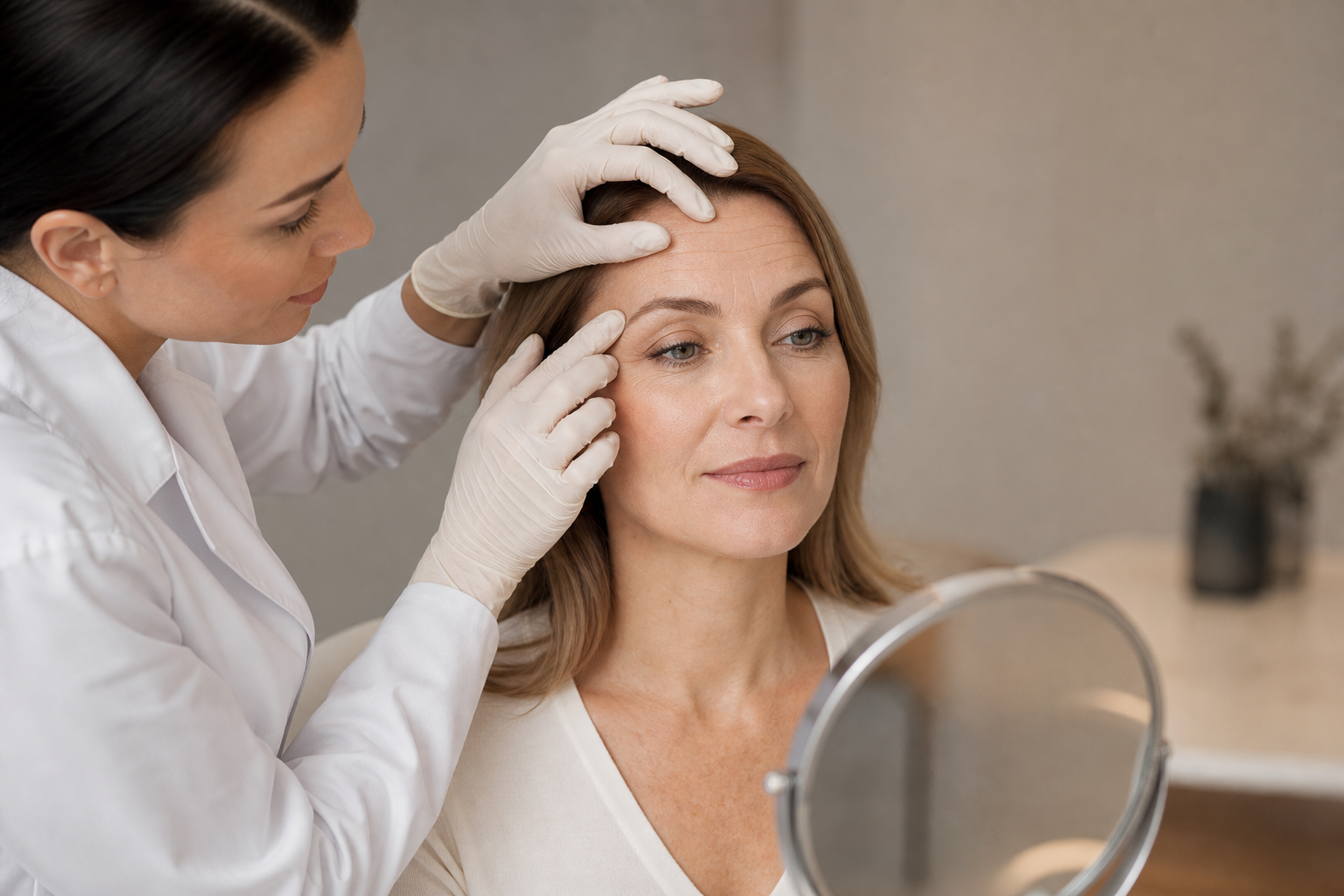
Forehead wrinkles, often referred to as horizontal lines or furrows, are among the earliest visible signs of skin aging. Appearing on the upper face, these lines can impart an unintended impression of fatigue, seriousness, or advanced age that may not align with how an individual truly feels. As such, the pursuit of effective forehead wrinkle treatments resonates with a wide audience—from those noticing the initial fine lines to individuals seeking to diminish deeper, more pronounced creases.
This editorial explores the landscape of top treatments for forehead wrinkles within the scope of facial anti-aging therapeutics. It aims to serve readers who wish to understand precisely what options exist, for whom these treatments are suitable, their benefits and limitations, the mechanisms involved, safety considerations, and the importance of expert consultations. With a blend of professional insight and practical guidance, this article aspires to equip readers with knowledge enabling confident, informed decisions in their skincare journeys.
Recognizing the unique characteristics of forehead skin and the multifactorial causes of wrinkle formation is crucial for selecting the optimal treatment modality. This discussion delves deeply into contemporary approaches—from non-invasive to minimally invasive procedures—analyzing each with regard to efficacy and safety. By addressing common concerns and expectations, the article highlights a responsible framework for achieving rejuvenation tailored to individual needs.
What Are Forehead Wrinkles and Why Do They Develop?
Forehead wrinkles typically manifest as horizontal lines traversing the upper region of the face. Unlike static wrinkles formed primarily by skin laxity, these lines often begin as dynamic wrinkles, resulting from repeated facial expressions involving muscle movements such as raising the eyebrows in surprise or furrowing the brow during worry. Over time, the persistent folding of the skin combined with intrinsic aging processes leads to permanent creases.
The skin on the forehead is relatively thin and delicate, making it especially susceptible to structural changes. Central to wrinkle formation are reductions in collagen and elastin production—the proteins responsible for skin strength and elasticity—stemming from inherent aging and external stressors. Ultraviolet radiation from sun exposure accelerates collagen breakdown, while lifestyle factors such as smoking and chronic stress further exacerbate deterioration.
Additionally, individual genetic predispositions impact the onset and severity of forehead wrinkles. Some may develop early and deeper lines, while others retain smoother skin longer. Environmental influence and skincare habits, including hydration and protection measures, also shape the skin's aging trajectory. Consequently, understanding these underlying factors is paramount for professionals crafting personalized treatment strategies that address root causes rather than surface symptoms alone.
Who Are the Ideal Candidates for Forehead Wrinkle Treatments?
The suitability of forehead wrinkle treatments varies according to age, skin type, wrinkle depth, and overall health. Typically, individuals in their late 20s to 40s noticing initial fine lines are excellent candidates for preventive or early intervention therapies. These treatments aim to maintain skin quality and delay the progression of wrinkles through gentle, non-invasive methods.
Older adults presenting with more pronounced or deeper wrinkles may benefit from more intensive procedures such as neuromodulator injections or dermal fillers. Such candidates usually seek noticeable improvement in skin smoothness and volume restoration to regain a youthful appearance.
However, candidacy is not universal. Persons with certain dermatological conditions, autoimmune disorders, allergies to treatment agents, or who are pregnant or breastfeeding should undergo thorough medical evaluation before proceeding. Open communication with a qualified dermatologist or aesthetic specialist ensures treatment decisions prioritize safety and align with individual medical profiles.
What Are the Most Effective Treatments for Forehead Wrinkles?
The anti-aging and aesthetic medicine fields have advanced a variety of treatments to tackle forehead wrinkles, ranging from gentle skincare techniques to minimally invasive procedures. The choice depends on wrinkle characteristics and patient preferences, balancing efficacy, safety, and downtime.
Botulinum Toxin (Botox) Treatments: One of the most renowned approaches, botulinum toxin injections work by temporarily relaxing the underlying muscles that cause dynamic wrinkles. This relaxation smooths the skin surface, reducing the visibility of lines and preventing further deepening. Results typically become evident within a few days post-treatment and last approximately three to six months, after which follow-up sessions may be scheduled to maintain effects.
Hyaluronic Acid Fillers: For static or deeper wrinkles that persist even at rest, hyaluronic acid-based dermal fillers provide volume restoration and hydration beneath the skin's surface. This approach effectively lifts depressed lines, improving skin texture and suppleness. Treatment longevity can vary from six months to over a year, influenced by the type of filler and individual metabolism.
Chemical Peels: Applying controlled chemical exfoliants removes damaged skin layers, promoting regeneration and stimulating collagen synthesis. Ranging from mild to medium-depth peels, this treatment enhances skin tone and softness while diminishing fine lines. Recovery time depends on peel strength but generally involves some redness and peeling, manageable with proper aftercare.
Laser and Radiofrequency Therapies: These modalities harness energy to penetrate skin layers, inducing collagen remodeling and skin tightening without incisions. They provide gradual yet noticeable wrinkle reduction with minimal discomfort and downtime, making them increasingly popular for facial rejuvenation.
Mesotherapy: A technique involving microinjections of vitamins, antioxidants, and hydrating agents directly into the dermis. Mesotherapy nourishes the skin, enhances elasticity, and can reduce the appearance of early wrinkles by improving overall skin health.
How Do Forehead Wrinkle Treatments Work and What Results Can You Expect?
Each treatment method operates through distinct biological or mechanical mechanisms. Botulinum toxin interrupts nerve signals to muscles, thereby preventing contraction-induced skin folding responsible for dynamic wrinkles. This muscle-relaxing effect allows skin to rest smoother and heal from repetitive creasing. The treatment is brief, usually under 20 minutes, and requires no anesthesia or extensive recovery.
Fillers supplement lost facial volume by physically occupying space under the skin, smoothing out creases. Injection techniques demand precision to achieve natural-looking contours and avoid undesired lumps or asymmetry. While immediate results are gratifying, slight swelling or bruising may occur transiently.
Chemical peels facilitate skin renewal by peeling off old, damaged layers and promoting new cell growth. The regimen's success hinges on patient compliance with post-procedure care, including sun protection to minimize pigmentation changes or irritation.
Laser and radiofrequency treatments promote gradual enhancement by stimulating new collagen and elastin production over weeks to months. Patients can expect incremental yet sustained improvements in forehead skin texture, tone, and firmness.
It is important to maintain realistic expectations: while these therapies substantially improve forehead wrinkles, none can completely halt aging or permanently erase all lines. Combining professional treatments with diligent home skincare optimizes results and prolongs benefits.
When Should You Seek Professional Consultation and How to Choose the Right Specialist?
Prior to undertaking any anti-aging procedure for forehead wrinkles, a comprehensive consultation with a board-certified dermatologist or licensed aesthetic physician is imperative. Such professionals assess your skin’s condition, analyze wrinkle depth and patterns, review medical history, and evaluate lifestyle factors influencing skin health.
Selecting a qualified practitioner safeguards against potential complications and ensures the treatment plan aligns with personal goals and skin needs. Prospective clients should inquire about the specialist’s credentials, experience with similar treatments, and review before-and-after portfolios. Additionally, treatments should be conducted in accredited facilities adhering to stringent hygiene and safety standards.
Open dialogue regarding treatment options, possible outcomes, side effects, and maintenance requirements fosters trust and empowers patients to make well-informed decisions. Never hesitate to seek second opinions or request detailed explanations to clarify any doubts or concerns.
Safety Considerations and Potential Risks in Forehead Wrinkle Treatments
Although modern forehead wrinkle treatments are generally safe when administered by experts, each carries inherent risks and side effects. Botulinum toxin injections may cause minor bruising, transient headaches, or ptosis (drooping eyelid) if injected improperly. These effects tend to resolve naturally within weeks.
Hyaluronic acid fillers can result in localized swelling, redness, or bruising. Rarely, more serious complications such as vascular occlusion may occur if filler is unintentionally injected into blood vessels, underscoring the need for experienced injectors.
Chemical peels and laser treatments require careful patient selection and pre- and post-procedure protocols. Improper application or inadequate aftercare may provoke irritation, prolonged redness, pigmentary changes, or scarring.
It is crucial to disclose all relevant medical information, including allergies, medications, and skin sensitivities during consultation to mitigate risks. Promptly reporting any adverse reactions to the treating physician enables timely intervention and minimizes complications.
Maintaining Treatment Results and Preventative Skincare Strategies
Effective management of forehead wrinkles extends beyond clinical treatments. Ongoing maintenance through consistent skincare routines plays a vital role in prolonging therapeutic benefits and delaying further wrinkle formation.
Key elements of preventive care include daily application of broad-spectrum sunscreen to shield against UV-induced collagen degradation, hydration with suitable moisturizers, and incorporation of topical agents containing antioxidants, peptides, or retinoids that support skin renewal.
Adopting healthy lifestyle habits such as balanced nutrition, adequate hydration, avoidance of tobacco and excessive alcohol, and stress management positively impact skin resilience. Additionally, regular follow-up with aesthetic specialists enables timely touch-ups or adjustments to treatment protocols, ensuring sustained improvement.


