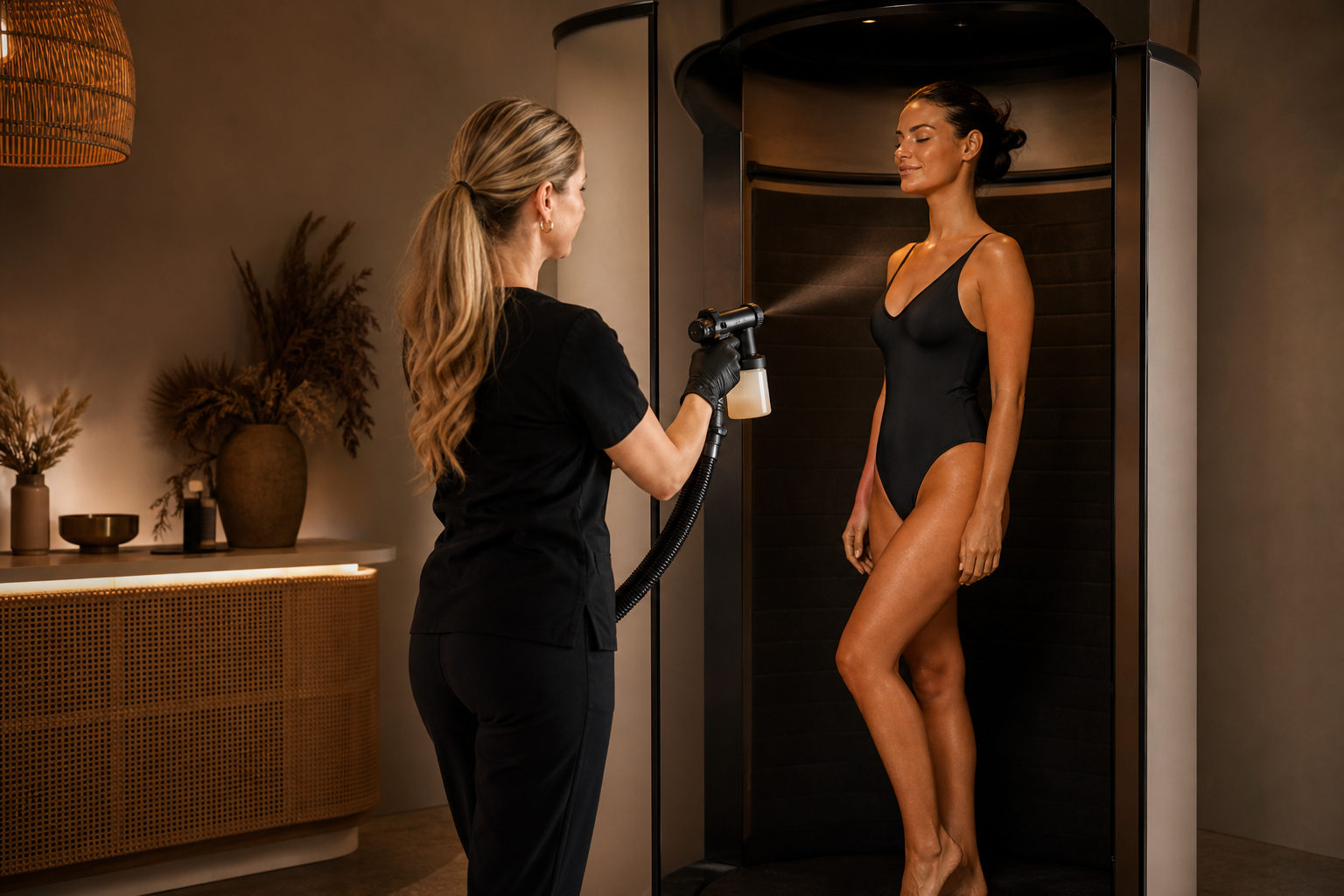
In an era where appearance and self-confidence are increasingly intertwined, the desire for a beautiful, sun-kissed glow without the risks associated with UV exposure has made professional spray tan treatments a sought-after solution. This method promises a natural-looking bronzed complexion, achieved through the application of specially formulated tanning solutions delivered in a fine mist that evenly coats the skin. The result is a safe, immediate, and consistent tan without subjecting the body to harmful ultraviolet rays.
Professional spray tan treatment is ideal for individuals who want to avoid sun damage, reduce their risk of skin cancer, or simply enjoy a convenient route to the flawless bronze that traditional sunbathing or tanning beds can compromise. It appeals not only to those conscious about their skin health but also to anyone preparing for special occasions such as weddings, vacations, or photo shoots, where an even and radiant tan enhances overall appearance. Understanding the entire process—from pre-treatment consultation and shade selection to the actual application technique and post-treatment care—is essential to achieving the best possible outcome.
Because a spray tan does not offer any protection against harmful UV rays, it remains crucial to apply a high-quality sunscreen, such as SPF 30 or higher, during outdoor activities. This editorial will delve into the details of professional spray tan treatments, exploring each phase of the experience, and addressing common questions to inform and prepare prospective clients for their tanning journey with confidence.
What Does the Professional Spray Tan Consultation Involve?
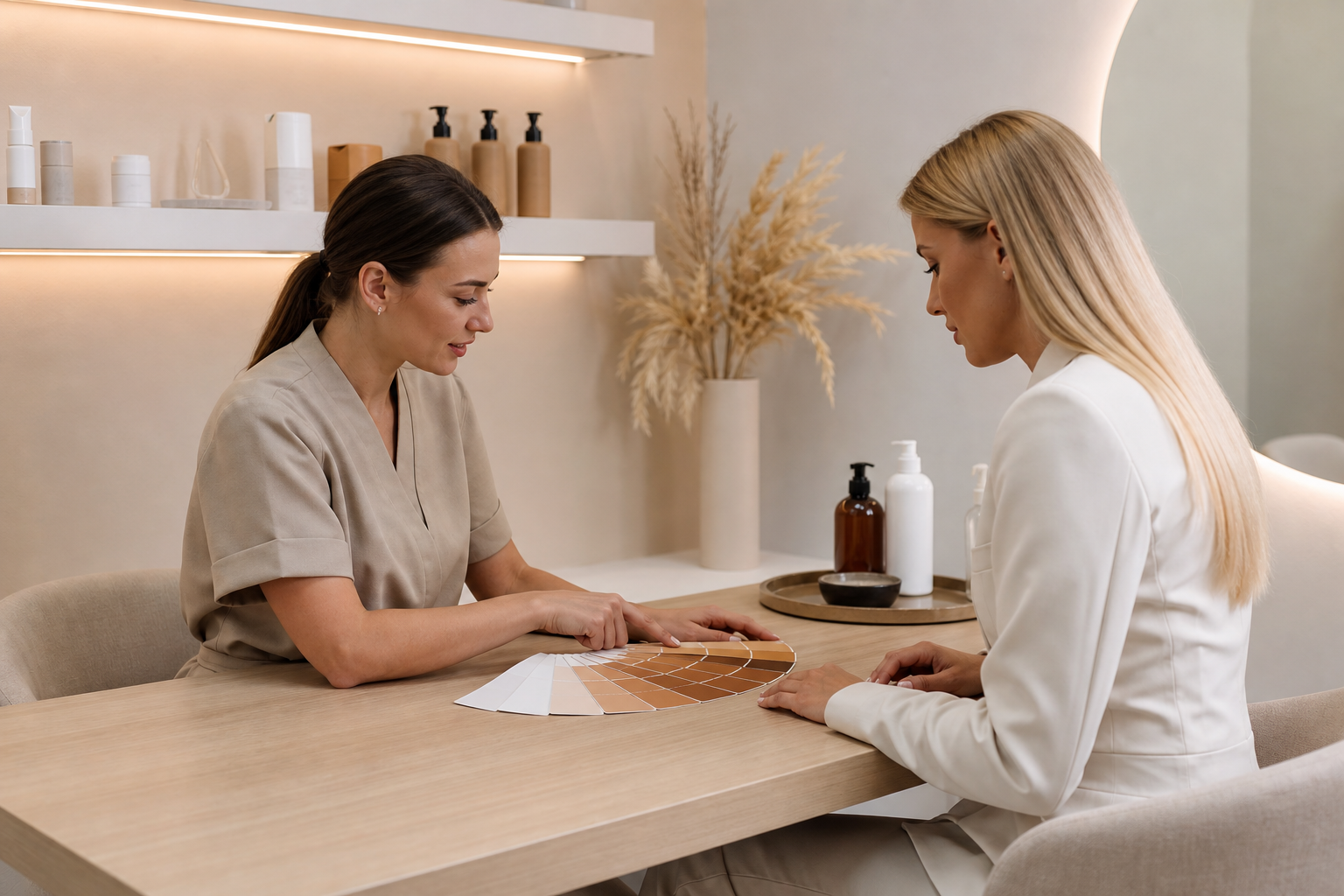
The consultation is the foundational step of any professional spray tan session. During this initial meeting, a tanning specialist gathers vital information about the client's skin type, tone, and personal tanning goals. They assess the natural color and undertone of the client's skin to tailor the experience precisely. This careful evaluation helps prevent unwanted hues, such as unwanted orange or streaky appearances, ensuring the tan complements the client's complexion authentically.
Additionally, the consultation serves as an educational moment. The professional explains the different tanning formulas available, such as classic versus express, their respective development times, longevity, and any skincare benefits incorporated into the formulas. They also discuss the importance of shower timing after the treatment and proper maintenance steps for lasting color. Clients are encouraged to share any history of allergies, skin sensitivities, or previous tanning experiences so that the technician can adjust products and techniques accordingly.
Importantly, the consultation clarifies that spray tans offer cosmetic enhancement only and should not replace sun protection strategies. Tanning experts stress the necessity of wearing sunscreen post-treatment to protect the skin from UV damage, reinforcing the message that a spray tan is an aesthetic choice, not a shield against sunlight.
How Is the Perfect Spray Tan Shade and Formula Selected?
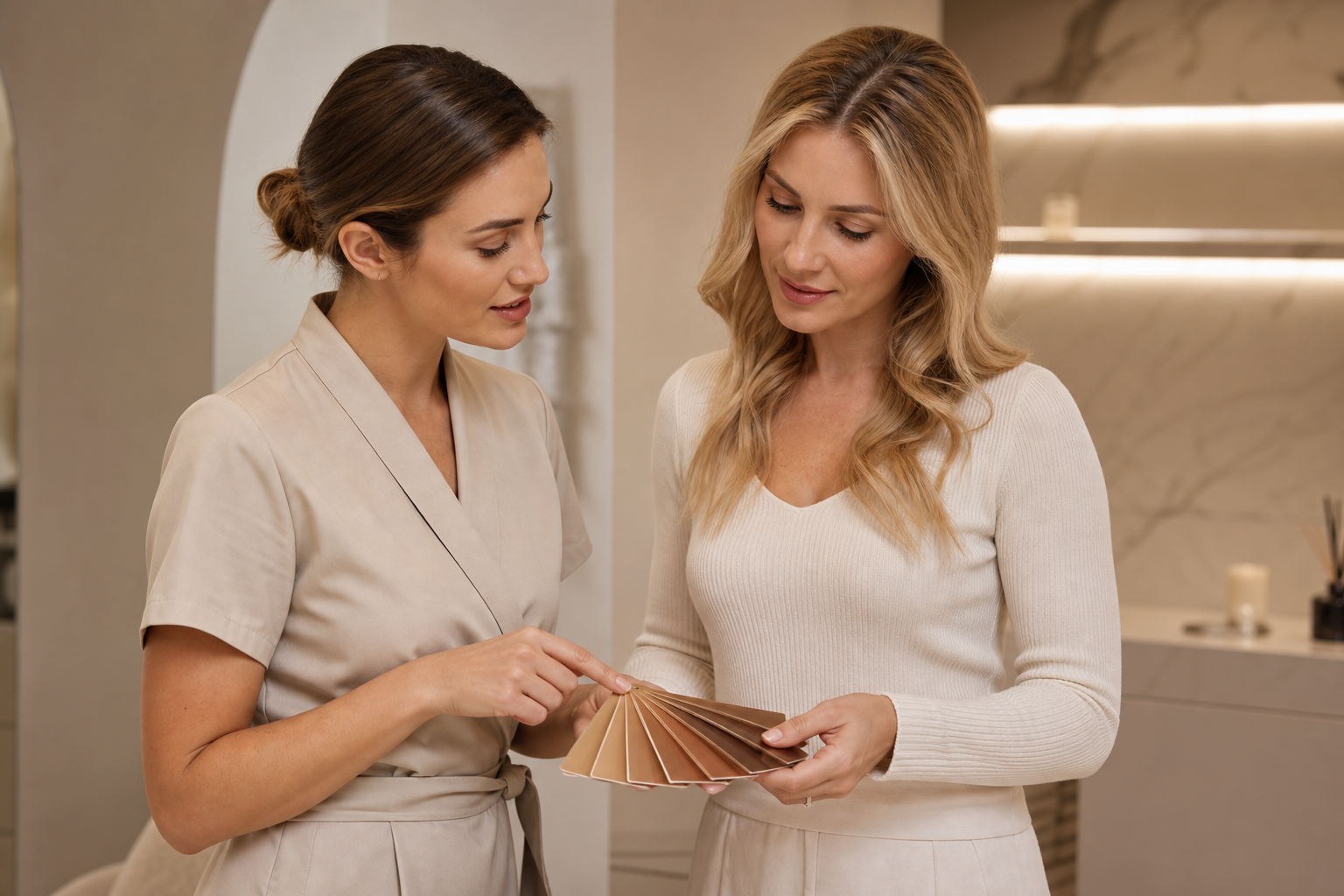
A well-chosen shade is crucial for a natural, flattering tan. Professionals analyze skin tones categorized as fair, medium, or deep, and undertones as cool (pinkish), warm (yellow/golden), or neutral. Understanding these subtleties guides the technician in selecting a formulation that mimics natural tanning results specific to each individual.
Two primary types of spray tan formulas are typically offered: the classic and the express versions. The classic formula produces a deeper, more durable tan but requires a longer development period before showering—often up to 8 hours. The express formula, on the other hand, allows clients to rinse after as little as 4 to 6 hours, catering to those with tight schedules or who desire a quick touch-up rather than a full bronze.
Moreover, many formulas now include hydrating agents, vitamins, and antioxidants to nourish the skin during the tanning process. Such additions can make a significant difference for individuals with dry or sensitive skin, contributing not only to hue but to overall skin health and glow.
What Happens During the Spray Tan Application Process in the Booth?
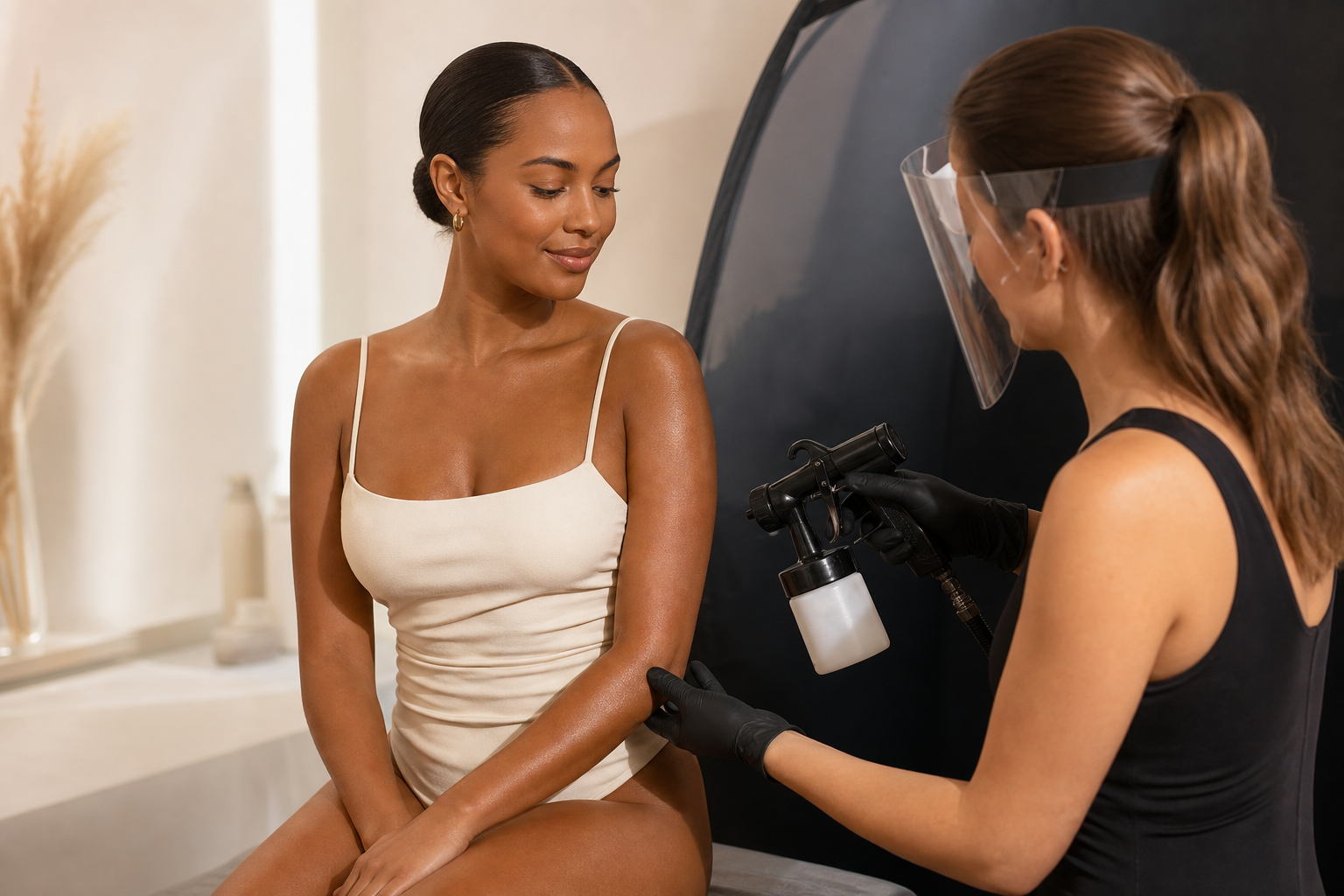
The application takes place in a specially designed spray tan booth, providing a controlled environment for uniform product dispersal. Equipped with advanced spray systems often integrating ventilation, these booths enable the technician to apply the tanning solution evenly over the client’s body with a fine mist, minimizing the risk of streaking or blotching.
Clients typically wear minimal clothing or disposable garments to ensure comprehensive coverage, depending on comfort and desired tan areas. Prior to entry, skin should be clean, exfoliated, and free of oils or lotions to guarantee maximal absorption and longevity of the spray tan. The professional guides the client through a series of poses—raising arms, bending slightly, or turning—to expose all regions of the body suitably to the spray.
Throughout the session, attention is paid to ensure even application. The mist technology coupled with precise body positioning facilitates flawless coverage, resulting in a natural sun-kissed finish. Proper ventilation guarantees client comfort and helps the tanning solution to dry promptly.
Why Are Body Positions and Barrier Creams Important During Application?
Body positioning is not arbitrarily chosen; it plays a vital role in the final quality of the spray tan. Specific poses help expose often difficult-to-reach areas such as behind the knees, under the arms, or along the sides of the torso. This technique reduces the risk of color build-up or missed spots that can detract from an even finish.
Barrier creams are another professional secret that enhance the spray tan's appearance. Applied by the technician to high-absorption areas such as the palms of the hands, soles of the feet, and around the nails, these creams create a protective layer that prevents these sensitive zones from becoming excessively dark or blotchy. This method also helps prolong the overall evenness of the tan as the product wears off naturally.
Such meticulous steps distinguish a salon-quality spray tan from do-it-yourself or rushed applications, underscoring the value of seeking treatment from experienced professionals who prioritize detail and client satisfaction.
What Should Clients Expect After Their Spray Tan Treatment?
Following a professional spray tan, it is normal for the color to intensify over 6 to 8 hours as the active ingredient, dihydroxyacetone (DHA), reacts with the skin’s surface layers. Clients are advised to delay showering until this development period has elapsed to achieve the deepest, most even color possible.
When it is time to rinse, gentle washing with lukewarm water and mild, fragrance-free soap is recommended, avoiding vigorous scrubbing that can shorten the tan’s duration. The resulting bronze typically lasts between 7 to 10 days, fading gradually and naturally as the skin exfoliates. Maintaining hydration through moisturizers helps prolong the vibrancy and smoothness of the tan.
It is critical to remember that although the appearance of a tanned complexion is achieved, the skin remains vulnerable to UV damage. Clients must continue using broad-spectrum sunscreen—preferably SPF 30 or higher—whenever they are outdoors to shield their skin from sunburn, premature aging, and carcinogenic effects.
Common Questions About Professional Spray Tan Treatments
Concerns about potential allergic reactions are common, but reputable salons use hypoallergenic, dermatologist-tested solutions. Nevertheless, performing a patch test before a full session is often recommended, especially for those with sensitive or reactive skin conditions.
The duration of a typical professional spray tan session ranges from 15 to 30 minutes, depending on the extent of coverage and choice of formula. Many clients opt for sessions every 1 to 2 weeks to maintain their desired glow, adjusting frequency as needed for skin turnover and lifestyle.
Spray tanning can also be safely applied to the face, using products specifically formulated for delicate facial skin. A professional consultation can help determine the best approach, ensuring even coverage and minimizing any risk of clogging pores or irritation.