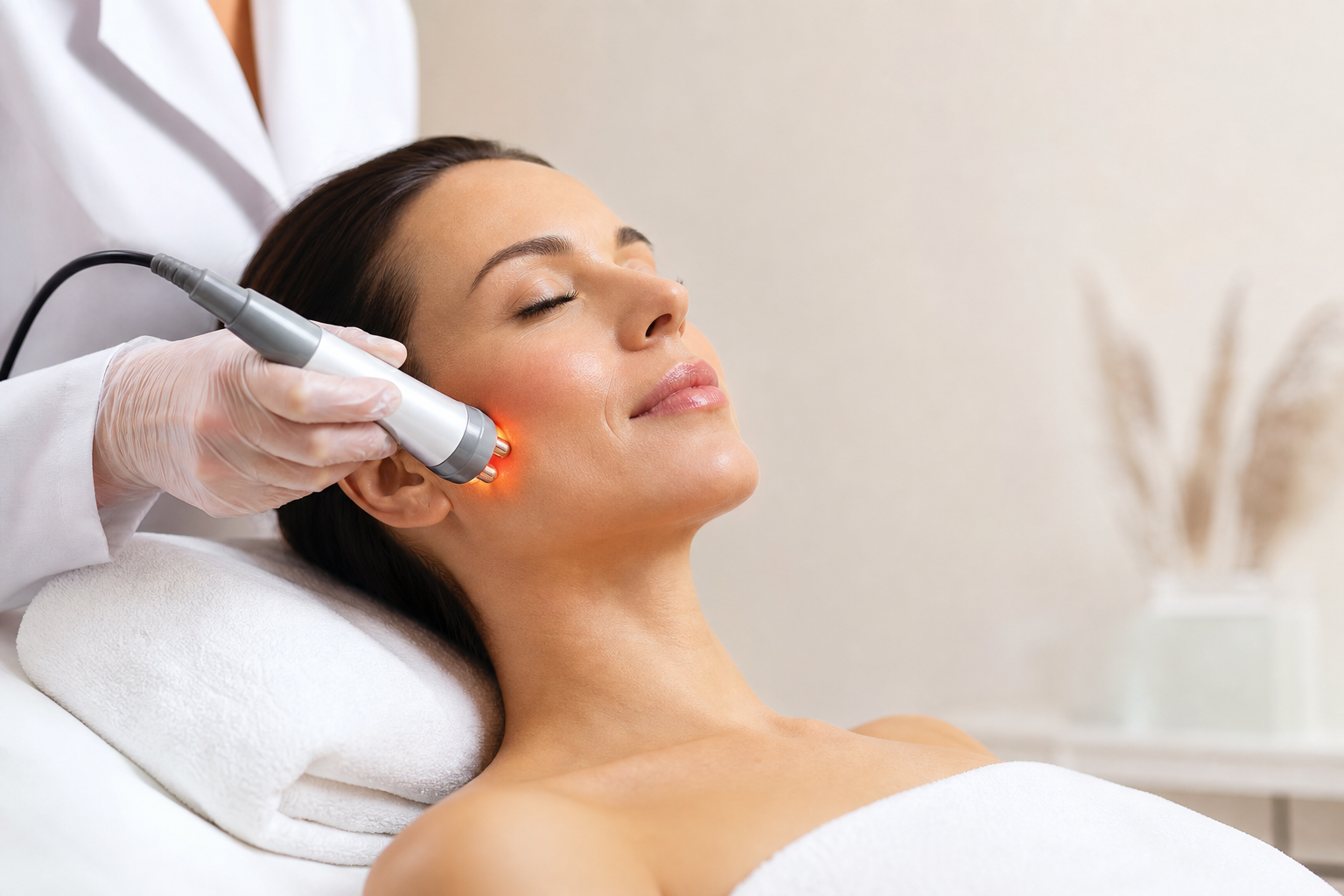
In the quest for youthful, firm skin without the drawbacks of surgical procedures, radiofrequency (RF) facial lifting has emerged as a prominent and sought-after treatment in modern anti-aging skincare. This non-invasive therapy harnesses electromagnetic waves to stimulate the skin’s natural collagen and elastin production, effectively revitalizing and tightening facial contours without needles or incisions. Ideal for individuals looking to diminish the signs of aging such as sagging skin, fine lines, and loss of elasticity, RF facial lifting offers a scientifically grounded approach to skin rejuvenation with minimal downtime.
This comprehensive guide aims to demystify RF facial lifting, outlining its mechanisms, who can benefit from it, practical considerations, expected outcomes, and safety parameters. Whether you are considering an introduction to anti-aging procedures or looking to diversify your skincare regimen with effective non-invasive options, understanding the full scope and limitations of RF facial lifting is essential. By providing an expert overview, this guide ensures you are equipped to make informed decisions and engage meaningfully with skincare professionals.
Radiofrequency facial lifting holds a pivotal role in non-surgical aesthetic treatments because it addresses core aging-related concerns: diminished skin tone, decreased elasticity, and wrinkle development. Delivering energy deep into the dermal layers, RF treatments restore skin texture and firmness, making it a compelling choice for a diverse population—from those starting preventative skincare to older individuals seeking to refine established signs of facial aging.
What Is RF Facial Lifting and How Does It Work?
RF facial lifting utilizes carefully controlled radiofrequency energy to target the deeper layers of the skin, particularly the dermis. By delivering electromagnetic waves at specific frequencies, the procedure generates heat within the skin tissues, prompting fibroblasts to increase collagen and elastin production. These proteins are fundamental to the skin’s structural integrity, providing firmness and elasticity that deteriorate naturally with age.
The technology behind RF facial lifting includes various device types, primarily monopolar, bipolar, and multipolar RF machines. Monopolar RF devices penetrate the deepest, making them effective for significant skin tightening, while bipolar and multipolar technologies offer more localized heating, suitable for delicate or superficial areas of the face. Operators choose the appropriate system based on individual skin conditions and targeted treatment zones.
Unlike invasive procedures, RF facial lifting does not require incisions or injections, which minimizes risks such as scarring or infection, and generally allows for same-day resumption of normal activities. The non-destructive nature of RF energy means the epidermis—the outermost skin layer—remains unharmed, focusing the therapeutic effect where it matters most.
Who Benefits Most from RF Facial Lifting?
RF lifting caters to a broad demographic, encompassing individuals across various age groups who seek to improve their facial appearance through safe, non-surgical means. Typically, candidates exhibit mild to moderate signs of aging including sagging skin on cheeks, jawlines, and neck, as well as fine to medium wrinkles.
Younger clients often approach RF therapy preventively, aiming to sustain skin firmness and delay the onset of aging signs. This proactive strategy helps maintain youthful skin health and appearance over time. Conversely, middle-aged and senior clients frequently pursue RF lifting to reverse or diminish existing age-related skin laxity and textural irregularities without undergoing surgical facelifts.
However, RF facial lifting is not universally recommended. Contraindications include pregnancy, active skin infections, certain autoimmune disorders, and the presence of implanted electronic devices such as pacemakers. A pre-treatment consultation with a qualified dermatologist or aesthetic specialist is vital to evaluate suitability and ensure safe application.
What Are the Key Advantages of RF Facial Lifting?
The primary benefit of RF facial lifting lies in its capacity to tighten and rejuvenate the skin by enhancing natural collagen and elastin synthesis. This leads to improved skin texture, increased elasticity, and the softening of wrinkles, offering a refreshed, youthful appearance.
Additionally, RF treatments promote improved blood circulation and lymphatic drainage within the facial tissues. Enhanced microcirculation supports better skin hydration and nutrient delivery, which contributes to healthier skin glow and may reduce puffiness and discolorations such as dark circles under the eyes.
One of the most attractive aspects of RF facial lifting is its minimally invasive character. The treatment avoids cuts, bruising, or extended downtime. Patients can quickly resume their daily routines without the need for prolonged recovery periods, making RF lifting remarkably convenient compared to surgical interventions.
How Is an RF Facial Lifting Treatment Performed and What Can Patients Expect?
The procedure begins with a thorough skin assessment and medical history review to tailor the treatment plan appropriately. The aesthetic professional cleanses the skin and applies a coupling gel, which facilitates the transmission of radiofrequency energy and protects the skin's surface.
Using a handheld applicator, the practitioner moves it gently in circular motions over the target areas. Patients commonly describe a warming sensation that is comfortable and soothing rather than painful. Sessions typically last between 30 and 60 minutes depending on the extent of treatment and device specifications.
Following the treatment, skin redness or mild swelling is infrequent and, if present, usually disappears within hours. No special downtime is required, and most patients return to their routine immediately. Some may notice transient tightness or warmth in the treated areas, which resolves naturally and signals collagen remodeling.
How Many Sessions Are Required and When Do Results Become Visible?
Optimal outcomes usually necessitate a series of 3 to 6 sessions spaced 2 to 4 weeks apart. This regimen allows for cumulative collagen synthesis and skin remodeling, progressively enhancing firmness and smoothness. Maintenance treatments every few months can prolong and stabilize results.
Initial improvements, such as increased skin tightness and glow, may be apparent shortly after the first treatment. However, the most significant benefits develop gradually over 2 to 3 months, correlating with the skin’s natural collagen regeneration cycle. Patient adherence to recommended treatment intervals is essential for maximizing effectiveness.
What Are the Limitations of RF Facial Lifting and When Should You Consult a Specialist?
While RF facial lifting is effective for mild to moderate skin laxity and textural concerns, it is not a substitute for surgical facelifts or treatments addressing advanced aging features such as severe sagging or deep folds. The results are subtler and require patience to appreciate fully due to their gradual nature.
It's imperative to seek consultation with a certified dermatology or aesthetic medicine professional before initiating RF treatment. A specialist can determine candidacy, select appropriate device settings, and design a personalized care plan that aligns with the patient’s skin condition and aesthetic goals. Entrusting treatment to experienced operators ensures higher safety standards and better outcomes.
Safety Profile and Potential Side Effects of RF Facial Lifting
RF facial lifting is widely regarded as safe when administered by trained professionals using approved devices. The procedure’s non-invasive mechanism avoids damage to the skin’s outer layers, significantly reducing risks commonly associated with invasive procedures.
Side effects, if any, are typically mild and transient. These may include temporary redness, slight swelling, warmth, or a sensation of skin tightness, most of which resolve within hours to a day. Allergic reactions are uncommon and generally preventable through pre-treatment assessment.
Adherence to contraindications and careful pre-procedural evaluation further enhances the safety of RF facial lifting therapies.
Choosing the Appropriate RF Treatment and Device for Facial Lifting
Selecting the right RF technology depends on individual patient needs, aging severity, and treatment goals. Understanding the distinctions among monopolar, bipolar, and multipolar RF devices is essential. Monopolar RF is favored for deeper penetration and more extensive tightening, while bipolar and multipolar devices enable precision in delicate or superficial facial zones.
Prospective patients should seek clinics with certified equipment and experienced practitioners, ensuring that treatments are conducted under optimal conditions. Personalized consultations allow for comprehensive evaluation and an individualized protocol, which are critical determinants of success.


