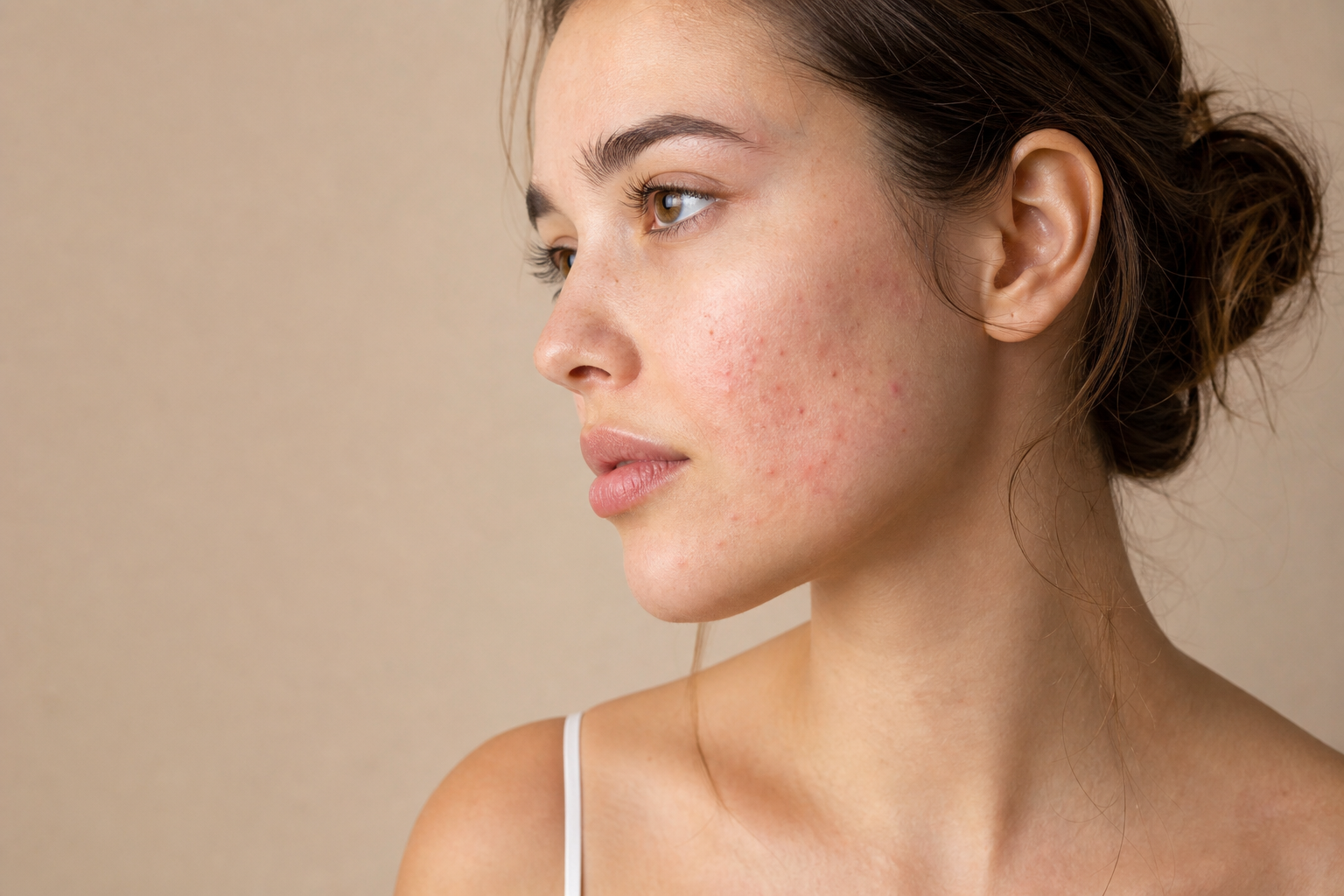
Red spots after acne, medically known as post-inflammatory erythema (PIE), are a common and often persistent skin concern that emerges once active acne lesions have healed. Unlike hyperpigmentation, which manifests as dark marks, PIE presents as red or pinkish discolorations, resulting from vascular changes beneath the skin's surface due to previous inflammation. This condition affects individuals recovering from acne and can be a significant source of frustration for those seeking a clearer, more uniform complexion.
Understanding post-inflammatory erythema is crucial not only for people dealing with acne scarring but also for professionals engaged in facial skincare and anti-aging treatments. The presence of these red marks can impact one’s self-esteem and has implications for the overall health and regenerative capacity of the skin. Comprehensive knowledge about PIE aids in setting realistic expectations, choosing appropriate treatment strategies, and navigating the limitations and safety considerations intrinsic to managing these lesions.
This article delves into the nature of post-inflammatory erythema, exploring why it occurs, who is most susceptible, and how it can be effectively treated with contemporary non-invasive methods commonly integrated into facial rituals aimed at both acne recovery and anti-aging benefits. It underscores when specialist consultation is warranted and highlights practical strategies for prevention and care, offering an informative and refined resource for anyone addressing this common dermatologic challenge.
What Exactly Is Post-Inflammatory Erythema and How Does It Develop?
Post-inflammatory erythema is a vascular response that manifests as red or pink spots on the skin following the resolution of inflammatory acne lesions. It arises from injury to superficial blood vessels in the dermis caused by the inflammatory process associated with acne. When acne lesions become inflamed, the skin increases blood flow to the area as a natural immune response, resulting in those vessels becoming more prominent or permanently dilated, which leads to the characteristic redness of PIE.
Unlike post-inflammatory hyperpigmentation, which is caused by excess melanin deposited in the skin due to inflammation and appears as brown or dark spots, PIE represents a vascular rather than pigmentary disturbance. This distinction is essential as it guides specific treatment approaches. PIE is not true scarring but rather a lingering discoloration that, with appropriate therapy and time, may fade significantly or resolve completely.
The development of post-inflammatory erythema also depends on factors such as skin type—individuals with lighter skin tones often display PIE more prominently—as well as the severity and duration of inflammation, and how the acne was managed during active phases (for instance, picking or squeezing lesions tends to exacerbate vessel damage and prolong redness).
Who Is Most Susceptible to Developing Red Spots After Acne?
Post-inflammatory erythema can affect anyone who experiences inflammatory acne, but certain populations have a higher predisposition. People who frequently manipulate their acne lesions, such as through picking, squeezing, or scratching, tend to inflict greater trauma on the skin, resulting in extended inflammation and more pronounced vascular damage.
Individuals with sensitive skin or those predisposed to skin redness and rosacea-like features are more likely to develop persistent erythema following acne. Additionally, insufficient sun protection aggravates PIE by exposing already fragile capillaries to ultraviolet radiation, which can prolong vasodilation and slow down healing.
Both men and women across a broad age spectrum may encounter this condition, especially in cases of moderate to severe inflammatory acne. For those invested in facial aesthetics and skin rejuvenation, knowledge of PIE is vital to tailor treatments that minimize these unwanted red markings while supporting skin health.
What Are the Challenges in Treating Post-Inflammatory Erythema?
One of the principal challenges in managing PIE stems from its vascular nature. Common skin-lightening agents effective on hyperpigmentation do not address the capillary changes causing erythema, necessitating alternative therapeutic strategies. This can sometimes lead to confusion and ineffective treatments if the underlying condition is misdiagnosed.
Furthermore, the skin’s individual variability means that treatment responsiveness varies considerably across patients. Factors such as skin sensitivity, the extent of vascular damage, and co-existing skin conditions influence outcomes. Overly aggressive treatments risk further irritation and can exacerbate redness, complicating recovery.
The chronicity of PIE and its unpredictable resolution often require patients and clinicians to exercise patience and persistence. Setting realistic expectations and emphasizing ongoing skin protection and maintenance form integral parts of any management plan.
Which Non-Invasive Treatments and Ingredients Are Effective in Reducing Post-Inflammatory Erythema?
Contemporary non-invasive facial treatments designed for anti-aging and skin recovery often incorporate modalities and ingredients that specifically target redness and support skin healing. Among these, formulations containing niacinamide have gained prominence for their anti-inflammatory properties and ability to strengthen the skin’s barrier, reducing sensitization and visibly diminishing red marks.
Azelaic acid is another beneficial agent. It has multiple mechanisms including anti-inflammatory effects and modulation of keratinization, making it useful in calming acne-related inflammation and gradually reducing erythema.
Antioxidant ingredients such as vitamin C can aid vascular repair by combating oxidative stress, while peptides and growth factors contribute to enhanced collagen production and skin regeneration.
In terms of procedural interventions, LED light therapy employing red and near-infrared wavelengths is valued for its efficacy in reducing vascular inflammation and promoting tissue repair without downtime. Such treatments can be seamlessly integrated into regular facial care routines and often complement topical therapies.
Gentle chemical peels tailored for sensitive skin types may accelerate cell turnover, diminish residual redness, and improve overall skin texture when administered judiciously within professional settings.
When Should One Seek Professional Dermatological Advice or Specialist Intervention?
If post-inflammatory erythema persists beyond several months or worsens despite diligent home care, consulting a dermatologist or qualified skincare professional is advisable. Expert evaluation can differentiate PIE from other conditions such as scarring, rosacea, or vascular malformations, ensuring appropriate therapy.
Professionals may offer advanced treatments including pulsed dye laser (PDL) or intense pulsed light (IPL) therapy, which target dilated blood vessels more directly and can provide significant improvements under clinical supervision. Chemical peels and microneedling performed by specialists further expand the options for managing stubborn erythema.
Additionally, individuals with known sensitivities, underlying skin diseases, or those who have experienced adverse reactions to prior treatments should prioritize seeking expert guidance before introducing new products or procedures.
What Are Realistic Expectations and the Typical Course of Recovery from Post-Inflammatory Erythema?
The resolution of red spots after acne is inherently gradual. With consistent, appropriate treatment and sun protection, many patients observe perceptible improvement within several weeks, though full fading may take several months. Patience and adherence to a tailored skincare regimen are essential components of success.
Since PIE is linked to blood vessel dilation and inflammation, complete eradication can be elusive, but significant diminution is achievable. Early intervention tends to yield more favorable outcomes, emphasizing the importance of addressing acne inflammation promptly to minimize vascular sequelae.
It is also crucial to understand that overly aggressive or frequent treatments can impair the skin barrier and prolong recovery. Therefore, cautiously balancing efficacy and gentleness in treatment planning is key.
How Can Prevention and Daily Skin Care Practices Minimize Post-Inflammatory Erythema?
Preventing PIE begins during active acne management by avoiding lesion manipulation such as picking or squeezing which exacerbates inflammation and damages blood vessels. Employing gentle acne therapies that reduce inflammation without irritating the skin helps diminish the risk of subsequent erythema.
Daily use of broad-spectrum sunscreen is vital to protect already compromised skin from ultraviolet damage that can sustain redness and hinder repair. Incorporating calming and barrier-supportive products like moisturizers with ceramides or niacinamide reinforces skin resilience and reduces further irritation.
Routine facial rituals that emphasize hydration, anti-inflammatory ingredients, and protection not only guard against PIE but also contribute to anti-aging benefits by maintaining the skin’s structural integrity and appearance over time.


