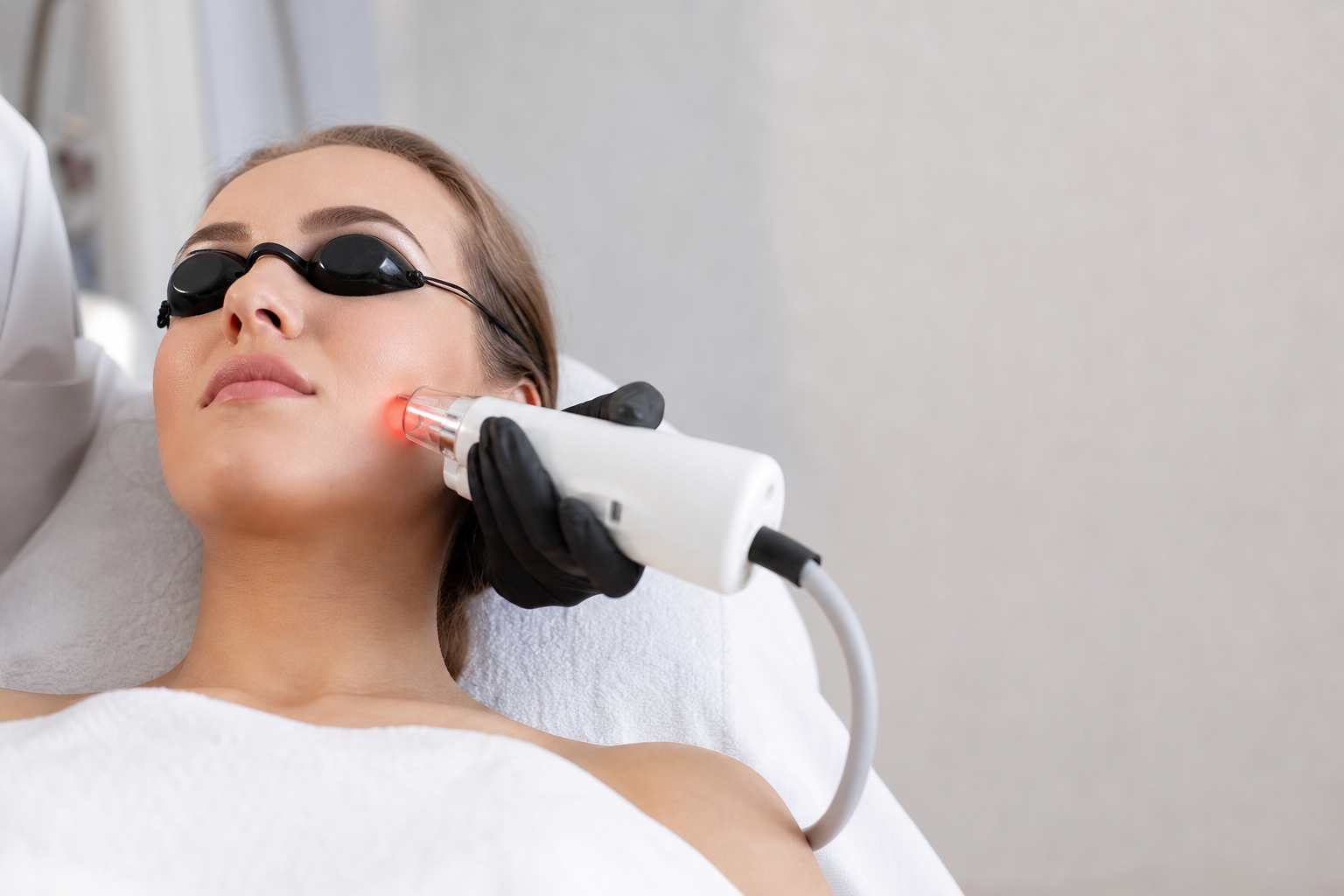
Laser facial rejuvenation is an innovative and increasingly popular approach to reversing the visible signs of aging and enhancing skin vitality without the need for invasive surgical interventions. This treatment utilizes advanced laser technology to stimulate the skin's natural regenerative processes, targeting issues such as fine lines, wrinkles, uneven pigmentation, and loss of elasticity. It offers a scientifically grounded method for skin renewal that appeals to adults seeking to refresh their appearance with minimal downtime and risk.
The primary audience for laser facial rejuvenation includes individuals in their 30s to 60s who observe the early to moderate effects of aging or sun damage and desire effective anti-aging solutions beyond topical creams and traditional skincare. It is particularly relevant for those hesitant to undergo surgery or those looking for preventive treatments to maintain a youthful complexion. Given the variety of laser modalities and skin conditions, understanding the indications, benefits, potential limitations, and safety considerations is essential for anyone exploring this option.
Why does laser facial rejuvenation matter? In a skincare landscape overloaded with temporary or superficial treatments, laser technology stands out due to its capacity to induce long-lasting cellular changes. It not only improves surface texture but also acts deeply within the dermis, stimulating collagen and elastin production fundamental to skin firmness and resilience. For many, it bridges the gap between intensive surgical procedures and non-invasive skincare, providing an optimized balance of efficacy and gentle recovery.
What Exactly Is Laser Facial Rejuvenation and How Does It Work?
Laser facial rejuvenation harnesses targeted light energy to initiate controlled injury in the skin, which in turn triggers a healing response, promoting the generation of new, healthier skin cells and supporting the synthesis of structural proteins like collagen. Unlike topical treatments that work superficially, laser treatments reach the dermal layers, birthing changes that improve skin tone, texture, and elasticity more profoundly.
The process involves the application of specific wavelengths of laser light that are absorbed differently depending on the skin's chromophores, such as water or melanin. This absorption leads to localized heating and micro-injury, causing the body to respond by renewing the skin matrix. Over time, this results in diminished wrinkles, reduced pigmentation, and tighter, more resilient skin.
Laser facial rejuvenation falls generally into two categories: ablative and non-ablative lasers. Ablative lasers remove the outer facial layers, effectively exfoliating damaged skin and promoting the growth of new tissue. Non-ablative lasers work beneath the surface without damaging the epidermis, stimulating collagen remodeling and tightening from within. Each type varies in intensity, recovery time, and treatment goals, which must align carefully with the patient's skin condition and expectations.
Who Benefits Most from Laser Facial Rejuvenation?
Ideal candidates for laser facial rejuvenation typically are adults aged between 30 and 60 who exhibit early to moderate signs of aging or sun damage. Commonly, these include fine lines around the eyes and mouth, uneven pigmentation such as sun spots, mild acne scarring, and skin laxity. Patients who seek a more youthful appearance without invasive surgery or those looking to maintain a healthy skin condition proactively can also benefit.
Individuals with healthy skin, realistic expectations, and no active skin infections are best suited for laser treatments. Additionally, those who have previously experienced positive outcomes with skin resurfacing techniques or other Anti-Aging Facial Treatments may find laser rejuvenation complements their skincare regimen effectively.
Conversely, people with certain medical conditions like uncontrolled diabetes, propensity for hypertrophic or keloid scarring, active herpes simplex infections on the face, or those using photosensitizing medications may need to avoid or postpone laser interventions. It is crucial for potential patients to undergo a thorough consultation with a trained dermatologic or aesthetic specialist to evaluate suitability and individual risk factors.
Key Advantages of Laser Facial Rejuvenation Over Traditional Methods
Laser facial rejuvenation offers numerous benefits that distinguish it from both surgical and topical anti-aging strategies. Foremost, it is minimally invasive, requiring no incisions and reducing the risk of infection or significant complications. This aspect allows many patients to resume daily activities swiftly, often within days.
The treatment provides remarkable improvements in skin texture by stimulating collagen production, which firms the skin and smooths out fine lines and wrinkles. It also addresses pigmentary irregularities by breaking down melanin deposits, resulting in a more uniform and radiant complexion.
Precision is a hallmark benefit. Laser devices can selectively treat targeted skin areas with controlled depths and intensities, sparing surrounding tissues and adapting to the needs of delicate or problematic zones.
Many patients appreciate the safety profile of modern lasers, which include built-in cooling mechanisms and calibrated settings to ensure comfort and minimize side effects such as erythema or swelling. Moreover, the versatility of laser facial rejuvenation allows it to be combined with other treatments, like dermal fillers or chemical peels, to enhance overall results.
Preparing for a Laser Facial Rejuvenation Treatment
Preparation is crucial to maximizing safety and effectiveness of laser facial rejuvenation. A detailed medical and dermatological history intake identifies contraindications and tailors the approach to each patient’s skin type and condition.
Practitioners generally advise patients to avoid sun exposure for a minimum of two weeks before treatment, as sunburned or tanned skin increases the risk of post-treatment discoloration or injury. Ceasing certain skincare products containing retinoids or alpha hydroxy acids in the weeks prior minimizes irritation and allows the skin barrier to normalize.
Patients should disclose all medications and supplements to the provider, especially those affecting blood clotting or photosensitivity. Mental preparedness for potential transient redness, swelling, or discomfort during and after the session aids compliance and reduces treatment anxiety.
Exploring the Different Laser Technologies in Facial Rejuvenation
Understanding the types of lasers used enriches the decision-making process and helps set realistic expectations. Two main laser categories exist: ablative and non-ablative.
Ablative lasers such as fractional CO₂ lasers and erbium-doped yttrium aluminum garnet (Er:YAG) lasers physically vaporize the epidermal layer of the skin. This removal accelerates skin renewal and significantly reduces deeper wrinkles, substantial pigmentation irregularities, and scarring.
While ablative lasers tend to offer more dramatic results, they are accompanied by longer downtime (typically up to two weeks), increased redness, and potential discomfort as the skin heals.
Non-ablative lasers penetrate deeper layers of the skin without destroying the surface. Examples include pulsed dye lasers and intense pulsed light devices. They promote collagen synthesis over multiple sessions and present minimal recovery time, making them attractive for patients with busy lifestyles or those needing subtle skin improvements.
Choosing the appropriate laser technology depends on several factors: skin type and color, severity of skin aging or damage, lifestyle considerations, and the patient's goals. Expert consultation ensures the modality aligns with patient-specific parameters.
What Patients Can Expect Before, During, and After Treatment
Before the procedure, patients typically undergo a comprehensive skin assessment and photographic documentation to track progress. Numbing creams or local anesthetics may be applied to reduce discomfort.
The laser session usually lasts between 30 minutes to an hour depending on the treatment area and laser type. During treatment, patients may feel sensations of warmth, tingling, or mild stinging. Protective eyewear is worn throughout the session.
Immediately after the procedure, the skin may appear red, swollen, or sensitive, similar to a mild sunburn for non-ablative lasers or more pronounced for ablative treatments. Post-treatment care involves applying soothing creams, protecting the skin from sunlight with broad-spectrum sunscreen, and avoiding irritants.
Recovery timelines vary: non-ablative treatments might require a day or two of redness with quick return to routine, whereas ablative treatments can necessitate one to two weeks of healing time. Over subsequent weeks, patients notice gradual improvements in skin tone, texture, and firmness as new collagen forms.
Limitations and Safety Considerations in Laser Facial Rejuvenation
Despite its many advantages, laser facial rejuvenation is not a panacea. Results may vary based on individual biology, skin type, and adherence to aftercare protocols. Some skin conditions or pigmentations might not respond optimally to laser therapies.
There are potential side effects including temporary redness, swelling, hyperpigmentation, or rare instances of scarring. These risks emphasize the importance of treatments being performed by qualified professionals experienced in laser safety and dermatologic principles.
Patients with darker skin tones require special laser settings and approaches to mitigate pigmentary complications. Similarly, individuals with certain systemic diseases or skin sensitivities must be carefully evaluated.
When Is It Necessary to Consult a Qualified Specialist Before Proceeding?
Consultation with a trained and board-certified dermatologist or aesthetic practitioner is indispensable before undergoing laser facial rejuvenation. They will assess personal and medical history, skin type, the extent of skin aging or damage, and any contraindications.
This expert evaluation helps identify the safest, most effective treatment plan tailored to the patient's unique needs. It also offers an opportunity to discuss expected outcomes, risks, session frequency, and maintenance strategies.
Patients should also inquire about the practitioner's credentials, laser equipment used, and review before-and-after images from previous clients to ensure confidence in the procedure.


