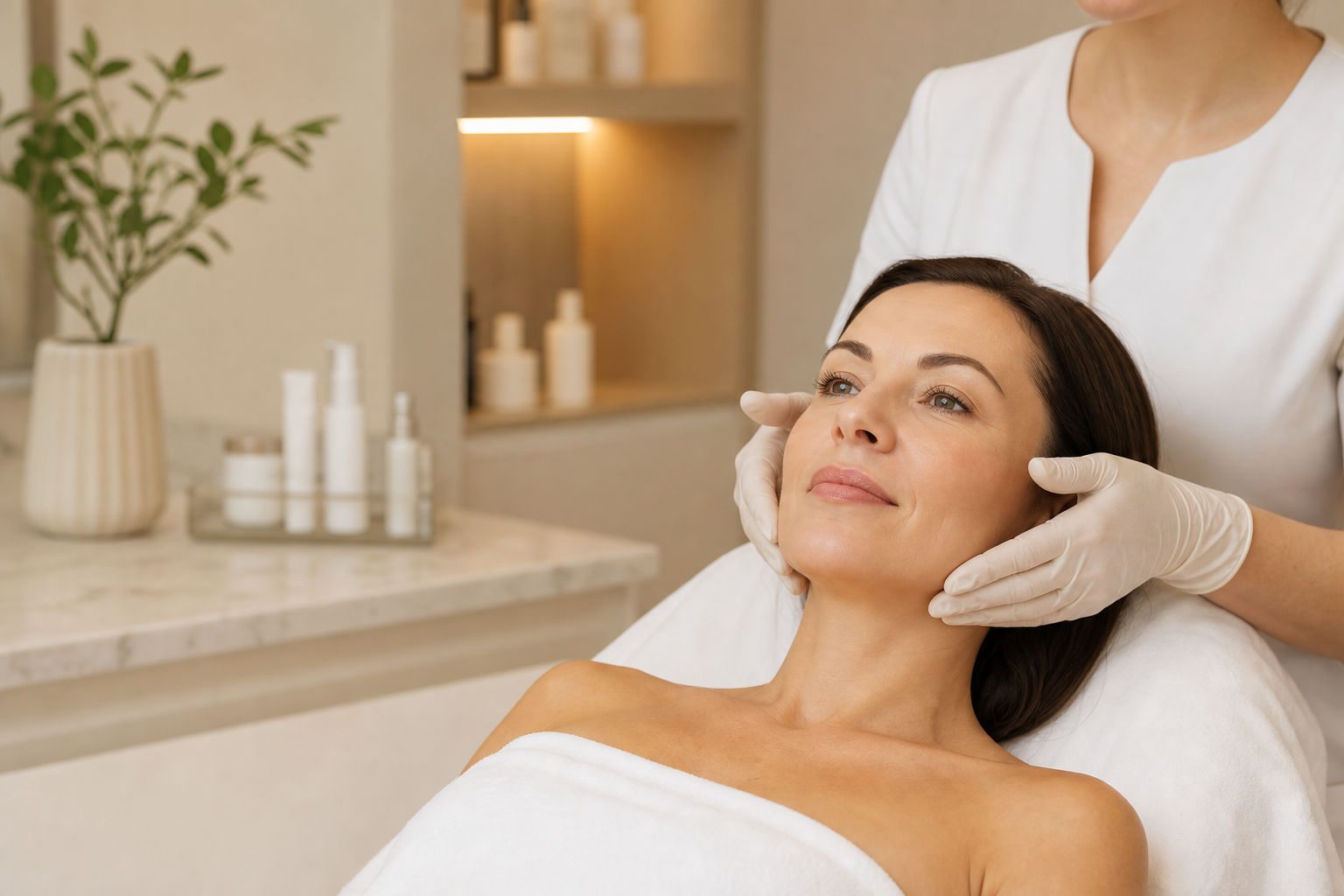
In the quest for youthful, radiant skin, anti-aging facial treatments have gained immense popularity among individuals seeking to diminish the visible signs of aging. These treatments, encompassing a broad spectrum from gentle skincare routines to advanced minimally invasive procedures, serve as valuable tools in reviving skin vitality, reducing wrinkles, improving texture, and restoring firmness. However, achieving optimal results from these therapeutic interventions requires more than just the procedure itself—it necessitates careful and informed preparation.
Preparing properly for an anti-aging facial treatment is an essential aspect that ensures safety, maximizes effectiveness, and minimizes potential side effects. This guide is crafted for adults typically aged 30 and above who are contemplating such interventions to enhance their skin's youthfulness and glow. Regardless of whether one opts for chemical peels, microneedling, laser therapy, or injectables like Botox and dermal fillers, thoughtful preparation tailored to the specific treatment can dramatically influence outcomes.
Understanding the nature of anti-aging facial treatments, what they entail, who they benefit, and how to ready the skin effectively is crucial. This article will walk you through the indications for these treatments, the critical preparatory steps, what to expect during and after the procedure, safety considerations, and when to seek professional consultation. By providing clear, expert advice, we aim to empower you to approach your anti-aging facial treatment with confidence, ensuring the best possible rejuvenation experience.
What Constitutes an Anti-Aging Facial Treatment and Who Should Consider It?
Anti-aging facial treatments encompass diverse procedures designed to combat the physical signs of aging on the skin. These include, but are not limited to, chemical peels that exfoliate the skin’s surface, laser therapies targeting collagen stimulation, microneedling to encourage regeneration, and injectable treatments such as Botox and hyaluronic acid fillers that smooth wrinkles and restore volume.
The primary indications for seeking these treatments typically include the presence of fine lines and wrinkles, skin laxity leading to sagging, hyperpigmentation such as age spots, rough texture, and an overall dull complexion. Although often associated with the aging process starting in one’s 30s or beyond, preventive or maintenance treatments might be suitable earlier or later, depending on individual skin condition and lifestyle factors.
Ideal candidates are those who maintain realistic expectations, acknowledging that these treatments aid in skin revitalization and delay certain signs of aging but do not halt or reverse aging entirely. Individuals should ideally seek assessment from qualified dermatologists or licensed cosmetologists specialized in aesthetic procedures to ensure the chosen treatment aligns with their skin’s needs and health status.
Why Is Proper Skin Preparation Essential Before Anti-Aging Procedures?
Effective preparation is far more than a mere formality—it profoundly influences treatment efficiency and minimizes the risk of adverse effects. Pre-treatment care serves to optimize the skin's condition, reducing sensitivity and increasing its resilience to the procedure.
Routine adjustments such as enhanced hydration, temporary cessation of certain topical products like retinoids or exfoliants, and avoidance of sun exposure strengthen the skin’s barrier function and promote a favorable response to treatment. Moreover, some treatments necessitate lifestyle modifications, including suspending specific medications or supplements that might increase bleeding or interfere with healing.
The preparatory period’s length and requirements are contingent on the treatment type. For instance, minimizing sun exposure and discontinuing potent skincare acids weeks before a chemical peel or laser resurfacing is often recommended to prevent complications like hyperpigmentation or irritation. Similarly, for injectable therapies, avoiding anti-inflammatory medications several days prior reduces bruising risk. The bottom line is that a well-planned preparatory protocol enhances safety and ensures the skin is primed to achieve maximal benefits from the intervention.
What Happens During the Initial Consultation and Which Questions Should You Ask?
The consultation phase is the foundation of a successful anti-aging facial treatment journey. It involves a thorough evaluation of your skin, medical history, lifestyle, and aesthetic goals. A skilled professional will assess factors such as skin type, degree of photodamage, presence of underlying conditions, and potential contraindications to tailor the treatment plan accordingly.
This session is crucial for setting realistic expectations and addressing any concerns. It is wise to prepare questions in advance to cover essential aspects such as:
What are the likely side effects and how common are they?
What is the expected recovery timeline?
Are multiple sessions necessary and how frequently?
What pre- and post-treatment care will optimize outcomes?
Are there any signs that warrant immediate medical attention post-treatment?
Open, transparent dialogue with your provider ensures informed consent and aligns the treatment process with your individual needs and safety profile.
How Should You Prepare for Various Types of Anti-Aging Facial Treatments?
The optimal preparatory steps differ depending on the specific procedure chosen. Below are detailed guidelines catering to common treatments:
Chemical Peels: Discontinue use of retinoids, exfoliating agents, and other irritating products 1-2 weeks prior. Protect the skin from sun exposure rigorously for at least 2 weeks, using broad-spectrum sunscreen and avoiding tanning beds. Maintain hydration with gentle moisturizers, and inform your clinician about any history of cold sores, as prophylactic treatment may be needed.
Laser Therapies: Avoid direct sun exposure and tanning for at least 4 weeks pre-treatment. Discontinue photosensitizing medications unless advised otherwise. Skin should be clean, well-hydrated, and free of active infections or inflammations. Abstain from waxing or other hair removal methods on the face for several weeks if relevant to your treatment area.
Microneedling: Cease application of exfoliants and retinoids 3-5 days before the session. Avoid recent sunburn or skin irritation. Discuss all skincare products you use with your provider. Adequate hydration and a clean facial canvas enhance results and reduce complications.
Injectable Treatments (Botox, Fillers): Avoid aspirin, non-steroidal anti-inflammatory drugs (NSAIDs), certain supplements such as fish oil and vitamin E, and alcohol 3-7 days prior to treatment to reduce bleeding or bruising. Plan the procedure during a period of good general health to facilitate smooth recovery.
In all preparations, consistent skincare routines emphasizing gentle cleansing, hydrating, and sun protection are foundational to readying the skin for treatment.
What Are the Safety Considerations and Potential Limitations of Anti-Aging Facial Treatments?
While anti-aging facial treatments offer substantial benefits, awareness of their limitations and safety concerns is vital. Contraindications such as pregnancy, certain autoimmune disorders, active skin infections, or hypersensitivity to treatment agents must be disclosed during consultations.
Procedural risks, though generally low with qualified providers, can include transient redness, swelling, pigmentary changes, scarring, or infection. Meticulous adherence to pre- and post-care guidelines mitigates these risks significantly. Equally important is ensuring treatments are conducted in sterile, professional settings by licensed practitioners with expertise in dermatologic aesthetics.
Understanding that no single treatment can deliver permanent results underscores the importance of managing expectations. Many anti-aging procedures are part of ongoing maintenance regimens, which require periodic sessions to sustain improvements.
What Can You Expect After an Anti-Aging Facial Treatment: Recovery and Aftercare?
Post-treatment reactions vary based on the procedure’s intensity. Mild redness, swelling, or dryness is common and often signals that the skin is engaging in repair and renewal. These reactions typically subside within a few hours to several days.
Adhering to aftercare instructions is fundamental to a smooth recovery. This commonly involves applying prescribed soothe agents, avoiding direct sunlight, refraining from vigorous physical activity that may exacerbate swelling, and limiting makeup use initially to prevent irritation. Hydration and gentle cleansing help restore skin balance.
Timelines for returning to normal activities differ; while injectables often have minimal downtime, treatments like deep chemical peels or intensive laser resurfacing may necessitate several days of rest. Monitoring skin’s response during recovery and maintaining ongoing communication with your provider equips you to address any unexpected issues promptly.
When Should You Seek Further Consultation After Treatment?
Most patients recover uneventfully following anti-aging facial procedures. However, recognizing signs that require immediate professional attention is critical. These include severe or persistent pain, extensive swelling, blistering, pus formation, intense redness disproportionate to the treatment, or systemic symptoms such as fever.
Routine follow-up appointments allow assessment of the treatment's effectiveness and skin health, enabling timely interventions if needed. Your skincare specialist can also advise on supplementary treatments or adjustments to your regimen to optimize long-term benefits.


