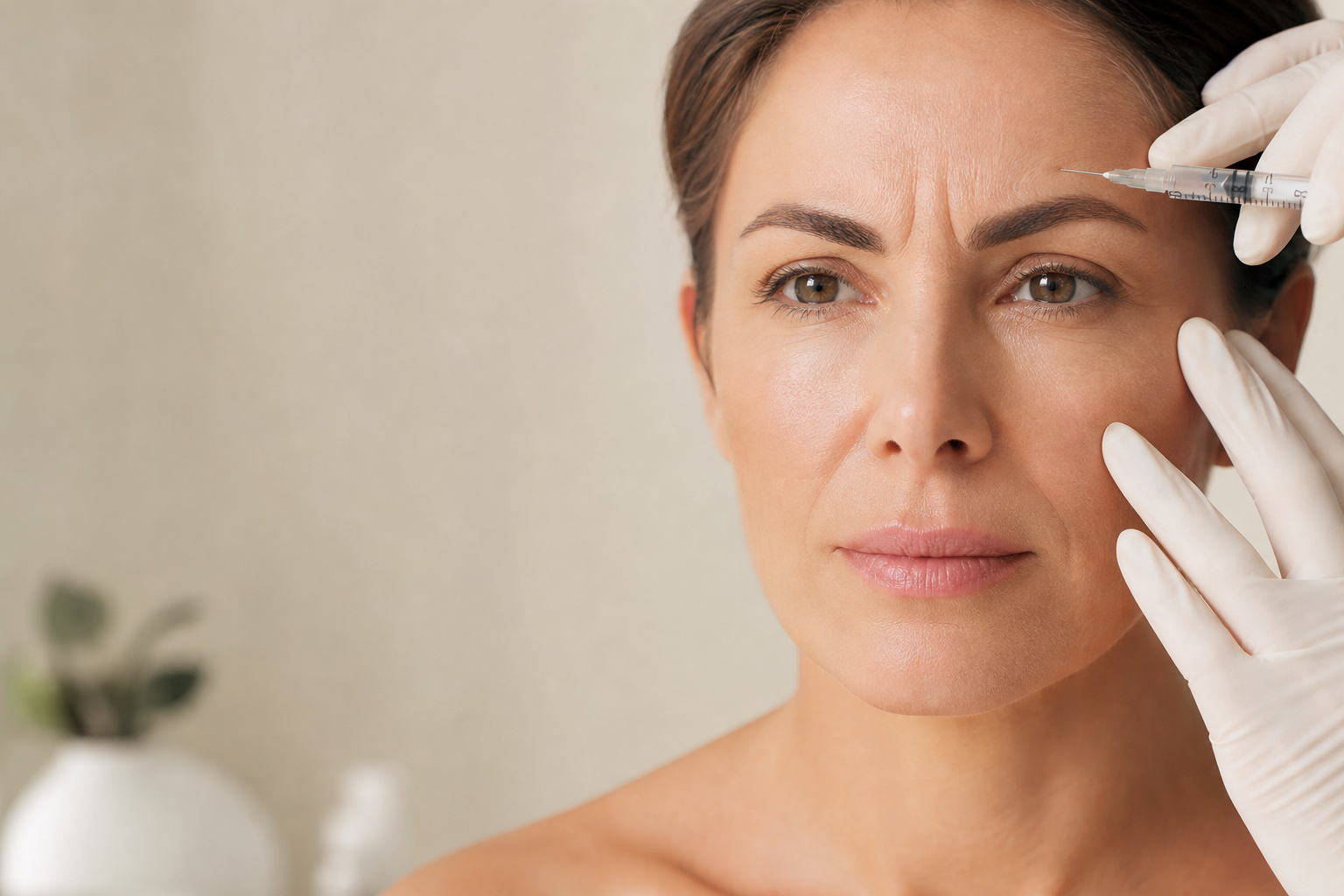
Frown lines between the eyebrows, commonly known as glabellar lines, are a frequently encountered concern in the realm of anti-aging facial care. These vertical lines, often referred to as "11" lines or "angry" wrinkles, form due to repeated movements of facial muscles associated with expressions such as frowning, squinting, or concentration. Over time, these lines become more pronounced, contributing to an overall appearance of fatigue, sternness, or age beyond one's actual years. Addressing these lines has become a priority for many seeking to rejuvenate their facial appearance and achieve a softer, more approachable expression.
This comprehensive article is directed toward individuals considering treatments to reduce the visibility of frown lines for either aesthetic purposes or to modulate their facial expression for psychological and social benefits. Whether you are new to the concept of facial rejuvenation or have prior experience with anti-aging treatments, understanding the scope of available options, their indications, expected outcomes, and safety considerations is essential for making informed decisions. Herein, we explore the nuances of treatment modalities aimed at these specific wrinkles and provide guidance on when professional consultation is imperative for safe and effective intervention.
Frown lines are more than just surface markings; they reflect complex interactions between muscular activity and skin physiology shaped by intrinsic aging and environmental influences. As a high-impact facial feature, their management involves tailored strategies integrating modern dermatological and cosmetic approaches. Recognizing the factors underlying these lines enables a more targeted, efficient, and sustainable treatment plan, thereby enhancing patient satisfaction and skin health.
What Are Frown Lines Between the Eyebrows and Why Do They Form?
Frown lines between the eyebrows, anatomically situated in the glabellar region, develop primarily due to repetitive contraction of the corrugator and procerus muscles. These muscles are responsible for expressions related to frowning, scowling, or intense focus. With repeated movement, the overlying skin creases repeatedly, gradually leading to permanent lines or wrinkles as the skin loses elasticity.
The formation of these lines is influenced by several key factors. Natural aging diminishes the skin's production of collagen and elastin — proteins essential for skin resilience and flexibility. Moreover, hyaluronic acid levels, which maintain skin hydration and volume, decline. This biochemical shift weakens the skin’s ability to withstand repetitive folding, causing lines to deepen over time.
Genetic predisposition also plays a role, as some individuals are intrinsically more prone to developing prominent glabellar lines earlier or more deeply. Additionally, external factors such as chronic sun exposure accelerate collagen degradation via ultraviolet radiation damage. Lifestyle habits, including smoking and inadequate skin hydration, compound this effect. The visible severity of frown lines often mirrors a composite of these intrinsic and extrinsic elements, which must be considered in any treatment approach.
Who Are Ideal Candidates for Frown Line Treatments?
Individuals seeking treatment for frown lines typically fall into one of a few categories. Primarily, those noticing vertical or horizontal lines between their eyebrows that impart a fatigued, stern, or angry appearance find these treatments beneficial. This includes people who perceive a mismatch between their facial expression and emotional state; for instance, appearing upset despite feeling neutral or happy.
Some candidates exhibit early static lines—wrinkles visible even when the face is at rest—while others may have deeper dynamic wrinkles noticeable during facial movements. Preventive treatment may be appropriate for younger adults aiming to forestall line deepening, whereas others seek restoration of a more youthful look as lines become established.
Other considerations include the individual’s overall skin quality, health status, and aesthetic goals. Patients should maintain realistic expectations regarding the outcomes, understanding that these interventions refine appearance subtly rather than produce drastic alterations. Those with certain medical conditions or skin disorders should pursue a specialist's opinion before proceeding, as some treatments carry contraindications.
What Are the Most Common Treatments for Frown Lines and How Do They Work?
Several effective treatments currently address frown lines between the eyebrows, each varying in mechanism, invasiveness, duration, and outcome. The choice depends on the specific characteristics of the lines, patient preference, and expert assessment. Here are the leading options:
Botulinum Toxin (Botox) Injections: Botox is a neurotoxin that temporarily inhibits muscle contractions by blocking nerve signals. By targeting the corrugator and procerus muscles, Botox reduces their activity, softening dynamic wrinkles and preventing further deepening. It is minimally invasive, with rapid application times and generally a favorable safety profile when administered by qualified professionals.
Hyaluronic Acid Dermal Fillers: These injectable gels replenish lost volume and stretch skin taut over furrowed areas. Fillers can smooth deeper static wrinkles that Botox alone cannot fully address. Unlike Botox, fillers do not influence muscle movement but provide immediate volumizing and contouring effects. Their longevity typically ranges from six months to over a year, depending on product type.
Non-invasive Skin Resurfacing and Rejuvenation Therapies: Methods like laser therapy, radiofrequency, microdermabrasion, and chemical peels stimulate collagen remodeling and skin renewal. By improving overall skin texture and firmness, these treatments can reduce fine lines and enhance the effectiveness of other procedures. Multiple sessions may be required, and results tend to develop gradually.
What Should Patients Expect During and After Treatment?
The treatment experience varies by method but is typically straightforward. Botox sessions usually take less than 30 minutes, involving several small injections between the eyebrows. Initial effects appear within a few days, reaching peak impact around two weeks, and lasting three to six months.
Dermal fillers are administered with fine needles or cannulas, often causing mild discomfort or transient swelling. Results are immediate, with optimal contouring evident within days. Duration depends on filler type but generally persists six to twelve months.
Non-invasive resurfacing requires preparatory skin assessments and multiple visits, with gradual improvement over weeks. Temporary redness, peeling, or sensitivity can occur, but these effects subside promptly.
Post-treatment care commonly includes avoiding intense sun exposure, refraining from strenuous exercise shortly after procedures, and following personalized skincare regimens to support healing and maintenance. Follow-up consultations are advisable to assess outcomes and determine the need for subsequent treatments.
How to Choose the Right Treatment and When to Consult a Specialist?
Selecting the appropriate intervention hinges on several factors: the depth and type of lines, skin condition, patient health, and desired outcomes. A thorough assessment by a board-certified dermatologist or aesthetic medicine specialist is indispensable.
Specialist consultation ensures that treatment plans are tailored, addressing not only cosmetic concerns but also any underlying skin health issues. Additionally, trained professionals mitigate risks by screening for contraindications, such as allergies or autoimmune disorders, and manage expectations realistically.
Patients experiencing unusual symptoms like persistent redness, pain, or skin changes should seek expert evaluation before and after treatments. Also, for individuals wishing to combine procedures—for example, treating frown lines alongside drooping eyelids or forehead wrinkles—comprehensive appraisal ensures cohesiveness and safety.
What Are the Safety Considerations and Potential Side Effects?
Safety is fundamental in anti-aging facial treatments. When conducted by licensed, experienced practitioners using high-quality products, risks are low. Nevertheless, patients should be informed about potential adverse effects.
Common mild side effects include redness, swelling, bruising, and transient discomfort at injection sites. These typically resolve within days. Rarely, allergic reactions or infections may occur, highlighting the necessity of receiving care in reputable clinical settings.
Post-procedural adherence to care instructions minimizes complications. Avoiding manipulation of treated areas, maintaining hygiene, and reporting unexpected symptoms promptly contribute to optimal safety.
Are There Complementary Methods to Enhance or Prevent Frown Lines?
Beyond clinical treatments, lifestyle modifications and skincare practices play supportive roles in frown line management. Consistent use of moisturizers enriched with antioxidants and retinoids can improve skin elasticity and resilience.
Facial exercises and massage, sometimes termed facial yoga, may aid in reducing muscle tension, promoting circulation, and preventing deep creasing. However, evidence for their effectiveness is mixed, and they should complement rather than replace professional interventions.
A balanced diet, proper hydration, sun protection, and avoidance of smoking significantly influence skin aging and wrinkle formation. Integrating these habits fosters healthier skin and improves responses to clinical treatments.
When Is the Optimal Time to Begin Treatment and What Outcomes Are Realistic?
Early intervention, at the onset of fine lines or the appearance of dynamic wrinkles during facial movement, often yields the most satisfying results. Preventive treatment can delay the development of deep static lines and maintain skin pliability.
For well-established lines, combined modalities may be necessary to achieve noticeable improvement. It is important to maintain a mindset oriented toward gradual enhancement rather than instantaneous transformation.
Consistency and periodic maintenance treatments are integral to preserving results. A natural, refreshed look that maintains expressive flexibility is the desired target, minimizing the risk of unnatural stiffness or frozen appearance.


