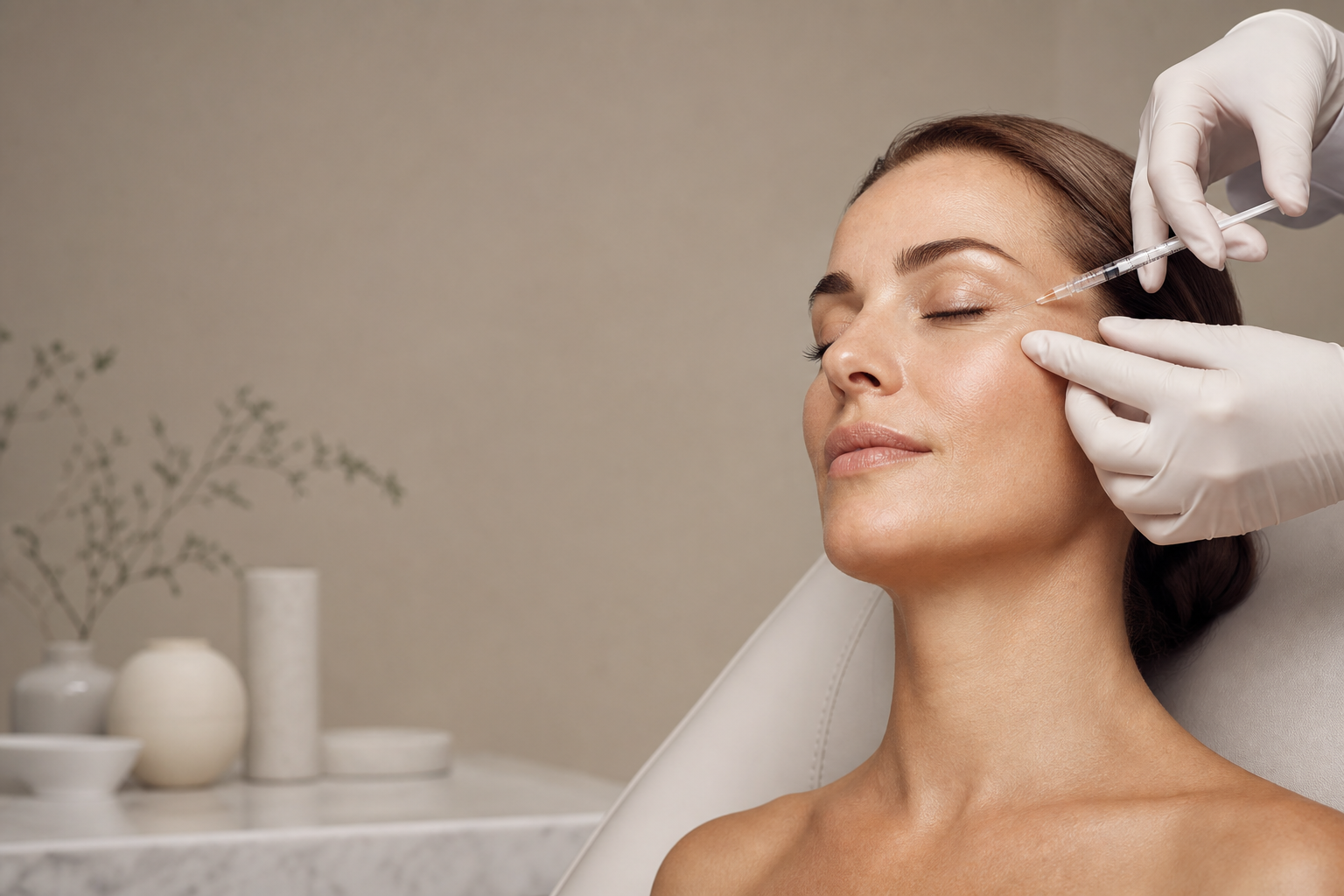
Injectable anti-aging treatments have become a cornerstone in contemporary skin care, appreciated by many for their capacity to address the visible signs of aging with precision and relatively minimal downtime. These treatments involve the administration of various substances directly into the skin or subcutaneous tissue, aiming to reduce wrinkles, restore facial volume, and improve skin tone and texture. They cater to a broad audience—from those beginning to notice the first signs of aging and seeking preventive measures, to individuals desiring more pronounced correction of deeper lines and volume loss.
As we progress beyond our thirties, external factors such as environmental stress, pollution, and lifestyle habits accelerate skin aging, leading to diminished elasticity, increased laxity, and the appearance of dynamic and static wrinkles. While topical products remain foundational, their effect is limited to the superficial skin layers. Consequently, injectable anti-aging treatments emerge as a valuable option for targeting deeper dermal structures, delivering more immediate and tangible rejuvenation results. This editorial aims to provide a comprehensive, professional overview of injectable options, clarifying their indications, outcomes, limitations, and safety considerations to empower informed decisions.
Understanding injectable anti-aging treatments, their mechanisms, and appropriateness is essential for individuals considering facial rejuvenation options. This exploration will detail the main types of injectables, including neuromodulators like botulinum toxin, various hyaluronic acid-based dermal fillers, skin boosters, and biorevitalization agents. Each modality serves distinct purposes based on the nature of facial aging changes and patient goals. Recognizing when to consult with a qualified specialist and what expectations are realistic can greatly influence treatment satisfaction and safety.
What Are the Primary Types of Injectable Anti-Aging Treatments?
Injectable anti-aging therapies encompass several distinct categories, each formulated to address specific aspects of facial aging. The most commonly employed are neuromodulators, dermal fillers, skin boosters, and biorevitalization treatments. Below is an exploration of each type:
Neuromodulators (e.g., Botulinum Toxin): These agents act by blocking the transmission of nerve impulses to facial muscles, resulting in temporary muscle relaxation. This reduces the formation of dynamic wrinkles caused by repetitive facial expressions, such as frown lines, crow’s feet, and forehead lines. Results typically manifest within a few days post-injection and last approximately 4 to 6 months. Neuromodulators are indicated primarily for dynamic wrinkles rather than static lines established by underlying volume loss.
Hyaluronic Acid Dermal Fillers: Hyaluronic acid is a naturally occurring polysaccharide found in skin connective tissues. Injectable fillers composed of stabilized hyaluronic acid restore lost facial volume, smooth static wrinkles, and enhance facial contours, including cheeks, lips, and jawline. Immediate cosmetic improvements are visible following treatment, with longevity ranging from six months to over a year, contingent on product formulation and injection site. Fillers serve to replenish volume rather than alter muscle activity.
Skin Boosters: These treatments involve microinjections of hyaluronic acid-based solutions in smaller doses dispersed throughout the skin. Their purpose is to enhance skin hydration, elasticity, and overall quality rather than fill wrinkles or restore volume. Skin boosters can improve fine lines and skin texture subtly and are often used as adjuncts to other injectable procedures or preventive regimens.
Biorevitalization: Biorevitalization includes injections of bioactive substances such as vitamins, antioxidants, and amino acids that stimulate dermal fibroblasts to produce collagen and elastin. This promotes gradual skin rejuvenation, improving firmness, brightness, and resilience. The effect typically requires a series of sessions and is suitable for individuals seeking enhancement of skin health and vitality rather than immediate wrinkle correction.
Who Are Injectable Anti-Aging Treatments Suitable For?
Injectable anti-aging treatments are designed to accommodate a diverse range of skin aging concerns and patient profiles. Understanding the suitability criteria is crucial to optimizing outcomes and patient satisfaction.
Individuals in Early Adulthood: Younger adults in their late twenties to early thirties often seek injectable treatments as preventive interventions. Neuromodulators can be used to moderate muscle activity and delay wrinkle formation, while skin boosters enhance skin hydration and texture maintenance.
Aging Adults with Mild-to-Moderate Signs: Those in their forties and fifties with visible dynamic and some static wrinkles, volume loss in the midface, and decreased skin firmness may benefit from a combination of neuromodulators and dermal fillers. Treatment plans can be customized to address specific areas such as forehead lines, nasolabial folds, and cheek volume restoration.
Individuals with Advanced Signs of Aging: Patients exhibiting pronounced volume depletion, deep static wrinkles, and skin laxity often require more comprehensive injectable approaches, possibly alongside surgical or laser interventions. Dermal fillers with higher lifting capacity and multiple sessions of biorevitalization might be incorporated to improve skin quality alongside volume restoration.
Those with Specific Skin Concerns: Skin boosters and biorevitalization can be particularly suitable for individuals focusing on skin hydration, dullness, and uneven texture without needing significant volume correction or wrinkle relaxation.
What Are the Expected Outcomes of Injectable Anti-Aging Treatments?
The results of injectable anti-aging procedures vary according to product type, the area treated, and individual skin characteristics. Nevertheless, common aesthetic goals and measurable improvements include:
Reduction of Dynamic Wrinkles: Neuromodulators diminish lines caused by muscle movement, resulting in a smoother, more relaxed appearance across the forehead, glabella, and around the eyes.
Restoration of Facial Volume: Hyaluronic acid fillers replenish lost subcutaneous and deep fat volume, lifting sagging tissues and recontouring cheekbones, jawline, and lips for a youthful facial silhouette.
Improved Skin Hydration and Texture: Skin boosters provide enhanced moisture retention within the dermis, promoting increased elasticity, improved skin tone uniformity, and reduction in fine lines.
Enhanced Skin Vitality: Biorevitalization stimulates collagen and elastin synthesis, leading to firmer, brighter skin with improved resistance to environmental damage over time.
Importantly, these treatments aim to deliver natural-looking rejuvenation rather than drastic transformation. When performed correctly by skilled professionals, injectable anti-aging therapies preserve individual facial expressions and character while addressing aging signs.
What Are the Limitations and When to Manage Expectations?
While injectable anti-aging treatments offer significant advantages, understanding their inherent limitations fosters realistic anticipation and informed consent.
Temporary Effects: Most treatments require repeat sessions to maintain results, as substances such as botulinum toxin and hyaluronic acid gradually metabolize. The duration varies but is generally between four months to over a year.
Scope of Correction: Injectables cannot address severe skin laxity, deep creases originating from bone loss, or structural changes that surgery might better manage. They are complementary to comprehensive skin and facial rejuvenation strategies.
Individual Variability: Patient responses can differ based on metabolism, lifestyle, and genetics. Some may require adjustment of dosages or combination therapies to achieve optimal outcomes.
Side Effects and Risks: Though generally safe, injectables carry risks such as bruising, swelling, asymmetry, or rare complications like vascular occlusion. Proper selection, technique, and expertise are paramount.
How Are Injectable Anti-Aging Procedures Performed and What Can Patients Expect?
The procedural aspects of injectable anti-aging treatments depend on the specific agents used but share common features:
Consultation and Assessment: A thorough facial evaluation and medical history review are essential to tailor treatment plans. This step identifies appropriate candidates and highlights contraindications.
Preparation: Cleansing of the skin and, in some cases, topical anesthesia may be applied to enhance comfort.
Injection Technique: Using fine needles or cannulas, the practitioner administers the product into predetermined sites. Precision is critical to achieve symmetrical, natural results and avoid complications.
Post-Treatment Care: Patients are advised to avoid strenuous activity, extreme temperatures, and certain medications that may exacerbate bruising immediately after treatment. Adequate hydration and sun protection support healing.
Follow-Up: Evaluation within one to two weeks allows assessment of results and potential touch-ups if necessary.
What Safety Considerations Should Be Taken Into Account?
Safety is paramount in injectable anti-aging treatments, necessitating adherence to best practices and awareness of contraindications.
Qualified Medical Provider: Selecting a board-certified specialist with experience in facial anatomy and injectables reduces risks and improves aesthetic outcomes.
Pre-Existing Conditions: Patients with neurological diseases, allergies to product components, active skin infections, or bleeding disorders may not be suitable candidates.
Product Authenticity: Use of FDA-approved or internationally certified injectables ensures quality and consistency.
Technique and Sterility: Compliance with sterile protocols and proper injection methods minimizes infection and adverse events.
Patient Education: Informing patients about realistic expectations, potential side effects, and aftercare instructions enhances cooperation and satisfaction.
When Is It Necessary to Consult a Specialist for Injectable Treatments?
Consultation with a qualified medical professional is essential prior to any injectable anti-aging procedure. Situations warranting specialist involvement include:
First-Time Treatment Seekers: Expert guidance helps set appropriate goals, select suitable products, and establish a safe treatment plan.
Complicated Facial Anatomy or Previous Procedures: Individuals with asymmetries, past surgeries, or previous injectable treatments benefit from customized assessment to avoid undesired results.
Any History of Allergic Reactions or Medical Conditions: Pre-existing health issues necessitate careful evaluation to prevent complications.
Uncertain About Treatment Options: Specialists can provide comprehensive education and help navigate choices between various injectable modalities.


