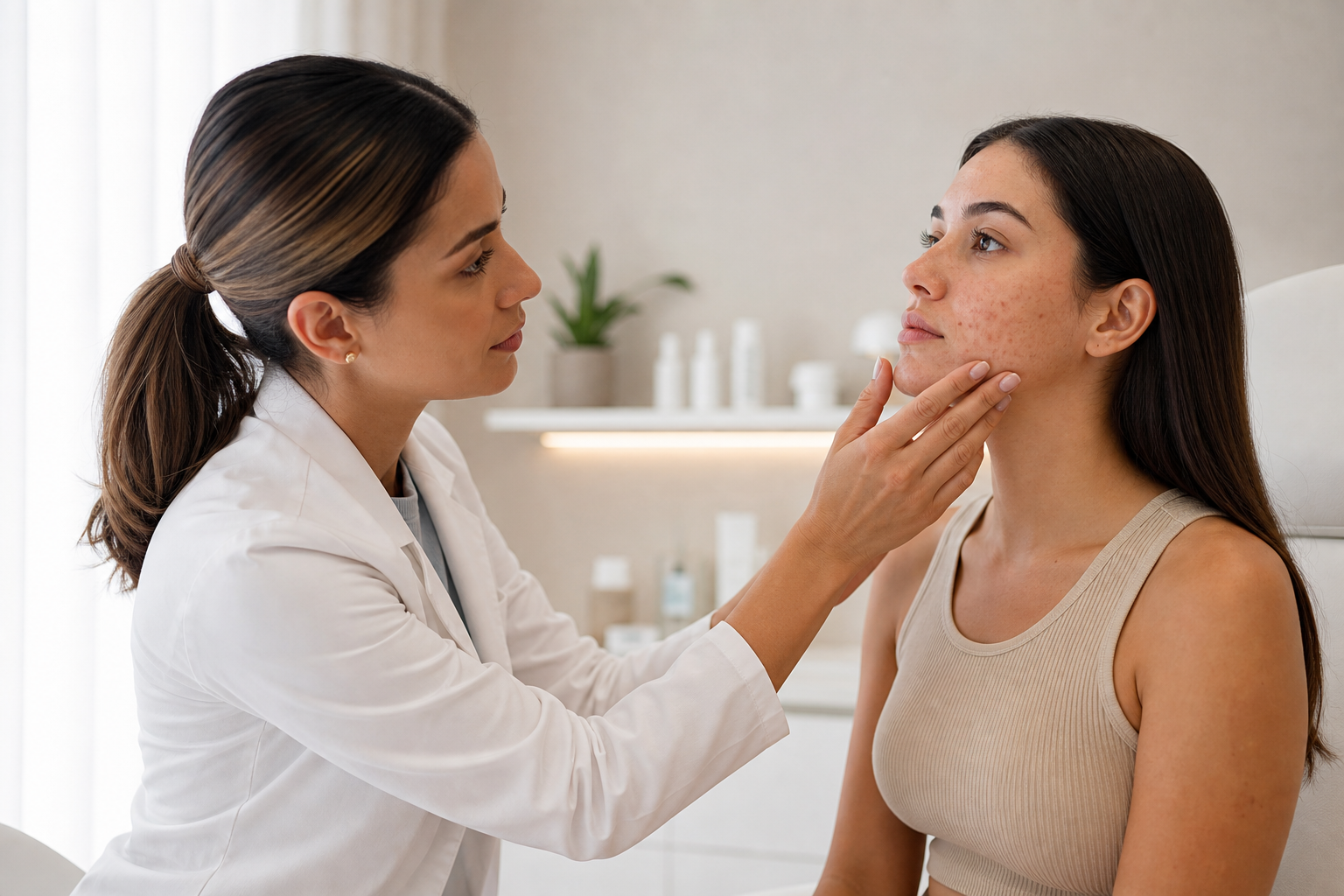
Acne, a common but multifaceted skin condition, presents a significant dermatological challenge that extends beyond mere cosmetic concern. It affects individuals across various age groups, prominently adolescents and adults with persistent manifestations. Understanding how dermatologists determine acne treatment is crucial for patients seeking effective, safe, and personalized care. This editorial delves into the clinical considerations, therapeutic options, and the nuanced approach that underpins evidence-based acne management.
For those grappling with acne, or for their families and caregivers, comprehending the rationale behind dermatological decisions offers empowerment and sets realistic expectations. Acne's impact transcends skin appearance, often influencing psychological well-being and quality of life, thereby underscoring the need for a holistic treatment strategy. This article explicates the criteria used by dermatologists to classify acne, select appropriate interventions, navigate limitations, and decide when specialist consultation is indispensable.
Such knowledge is instrumental not only in facilitating collaborative patient-doctor relationships but also in distinguishing dermatological treatment from non-specific cosmetic procedures. Although the skincare landscape abounds with anti-aging facial treatments that focus on hydration and texture enhancement without needles, the targeted therapy of acne requires a medical approach attuned to underlying pathophysiology and patient-specific variables. Recognizing these differences is fundamental to achieving optimal outcomes.
What Clinical Factors Guide Dermatologists in Acne Treatment Selection?
The foundation of any acne treatment begins with a comprehensive clinical evaluation. Dermatologists meticulously assess the type, severity, distribution, and presence of complications such as nodules or scarring. Acne severity ranges from mild comedonal lesions to severe cystic presentations, each demanding tailored therapeutic protocols.
Beyond visible skin manifestations, a thorough patient history encompasses age, hormonal status, familial predispositions, dietary and lifestyle habits, and psychosocial context. Hormonal fluctuations, for example, are known to exacerbate acne in both adolescents and adults, influencing drug selection to include hormonal modulators. Lifestyle factors may contribute to acne pathogenesis or treatment response and are considered in holistic management plans.
Psychological aspects also command attention. Acne’s visible nature can precipitate stress, anxiety, and lowered self-esteem; thus, treatment strategies often integrate psychological support or counseling frameworks alongside medical interventions. Dermatologists prioritize an individualized approach, ensuring that the therapeutic journey addresses both cutaneous and emotional health.
How Do Dermatologists Categorize Acne to Inform Treatment Choices?
Accurate classification of acne is critical, serving as a roadmap for choosing effective treatments. Dermatologists distinguish acne types—such as comedonal, inflammatory papulopustular, or nodulocystic acne—and grade severity based on lesion count, inflammation extent, and scarring risk.
Localization patterns on the face, back, or chest can suggest differing etiologies. For instance, acne predominating in the mandibular and chin areas often correlates with hormonal imbalances, necessitating consideration of systemic agents like anti-androgens. Conversely, truncal acne might respond differently to topical versus systemic regimens.
This detailed lesion mapping and categorization enable dermatologists to recommend specific medications: topical agents suffice for mild forms, while moderate to severe cases often require systemic therapies. Proper assessment fosters precision medicine, improving therapeutic success rates and minimizing unnecessary side effects.
Which Dermatological Treatments Are Most Commonly Prescribed for Acne, and What Influences These Decisions?
The therapeutic armamentarium for acne spans topical and systemic agents, often used in combination to target multiple pathogenic mechanisms: follicular hyperkeratinization, excess sebum production, bacterial colonization (particularly Cutibacterium acnes), and inflammation.
Lighter presentations typically receive topical retinoids that promote cell turnover and prevent follicular plugging; benzoyl peroxide, which exhibits antibacterial and anti-inflammatory properties; azelaic acid for its antimicrobial and keratolytic effects; and topical antibiotics administered judiciously to forestall resistance.
When topical monotherapy proves insufficient or when acne demonstrates moderate to severe intensity, systemic treatments enter the equation. Oral antibiotics such as tetracyclines exert anti-inflammatory and antimicrobial effects. Hormonal therapies, including combined oral contraceptives and anti-androgens like spironolactone, modulate sebaceous gland activity, particularly in hormonally driven acne.
Isotretinoin, a vitamin A derivative with profound sebosuppressive and keratolytic action, remains the treatment of choice for severe, recalcitrant acne. However, its use mandates careful patient selection, monitoring, and counseling due to potential adverse effects and teratogenicity. Dermatologists weigh treatment benefits against risks, customizing regimens based on individual patient profiles.
What Are the Limitations and Risks of Acne Treatments, and How Do Dermatologists Mitigate Them?
Despite therapeutic advances, acne management encounters intrinsic challenges. No single treatment universally eradicates all acne types or eliminates relapse risk. Response variability is influenced by genetic, environmental, and adherence factors.
Adverse effects—ranging from local irritation, dryness, and photosensitivity with topical agents to systemic side effects like gastrointestinal upset or mood alterations with oral medications—can complicate treatment. The emergence of antibiotic resistance also necessitates cautious use of antibacterial drugs.
Dermatologists strive to minimize risks through gradual dosing, patient education, regular follow-ups, and early modification of therapies in case of intolerance. Skin barrier enhancement measures and sun protection are incorporated to bolster treatment tolerability. Additionally, the recognition of when acne therapy alone is insufficient—such as in cases with significant scarring—allows timely integration of adjunctive procedures like laser therapy under experienced supervision.
When Should Patients Seek Consultation with a Qualified Dermatologist for Acne?
Professional dermatological evaluation is advisable whenever acne eludes control by over-the-counter remedies or home care, manifests with significant inflammation or pain, induces psychological distress, or when scarring appears imminent. Adults developing new or worsening acne also benefit from specialist input to rule out underlying systemic conditions.
Only a qualified dermatologist can perform the nuanced differential diagnosis needed to exclude mimicking dermatoses, select appropriate pharmacotherapy, and monitor for potential complications. The expert guidance ensures that acne management aligns with current clinical standards, maximizing safety and efficacy.
This consultation becomes particularly pertinent given the proliferation of cosmetic treatments, which, although beneficial for skin hydration and texture, do not substitute for targeted acne therapies. Recognizing appropriate treatment modalities empowers patients to make informed decisions about their skin health.
What Outcomes Can Patients Expect from Dermatological Acne Treatment?
Treatment results vary with disease severity, adherence, and individual skin characteristics. Most patients experience a noticeable reduction in inflammatory lesions within weeks to months of initiating therapy. Continued treatment and maintenance protocols are essential to prevent relapse and to improve skin texture.
Patients are educated about realistic timelines, skin care routines that complement medical treatments, and potential side effects to foster adherence. With consistent care, long-term improvements can be achieved, including diminished lesion frequency, minimized scarring risk, and enhanced psychological well-being.
The holistic strategy integrating lifestyle modifications, medical therapy, and psychodermatological support offers the best chance at durable remission, empowering patients not only to improve their skin but also to regain confidence and quality of life.
Conclusion: The Importance of Professional Dermatological Guidance in Acne Management
Determining acne treatment is a complex process encompassing precise clinical assessment, individualized therapy selection, and vigilant monitoring. Dermatologists employ their expertise to navigate the diversity of acne presentations, balancing efficacy with safety to optimize outcomes.
The professional dermatological approach transcends superficial symptom management, addressing pathophysiological and psychosocial dimensions. Unlike non-specific skincare or cosmetic interventions, prescribed acne therapies mitigate inflammation, control bacterial proliferation, and correct follicular occlusion, thereby preserving skin health and appearance in the long term.
For individuals contending with acne, timely consultation with a qualified dermatologist ensures access to comprehensive care crafted to their unique needs. Such expert guidance is indispensable in an era marked by numerous non-invasive facial treatments, ensuring that acne, a condition with potential lasting consequences, receives the targeted, evidence-based attention it warrants.
Ultimately, understanding how dermatologists determine acne treatment enriches patient engagement, fosters therapeutic adherence, and enhances the journey toward clearer, healthier skin.


