Achieving a flawless, sun-kissed glow without exposure to harmful UV rays has become increasingly desirable in today's wellness and beauty landscape. Professional spray tanning offers just that—an advanced, safe alternative for those seeking a natural-looking bronze complexion. However, the key to unlocking the full benefits of a spray tan lies not only in the application itself but equally in the preparation of your skin beforehand. Proper skin preparation ensures even color absorption, longevity of the tan, and a healthy overall appearance.
This detailed guide is tailored to anyone considering a professional spray tan—whether a first-time client eager to understand how to get the best results or an experienced tanner looking to refine their routine. Preparing your skin correctly ahead of the session not only maximizes the cosmetic outcome but also helps set realistic expectations about what a spray tan can achieve safely.
Understanding the fundamentals of skin readiness for tanning sprays, the significance of exfoliation, timing of hair removal, and products to avoid before appointment will empower you to enjoy a radiant and durable tan. Moreover, awareness of areas prone to uneven coloration, such as elbows and knees, enriches your preparation strategy. In the following sections, we explore every essential aspect of skin preparation for a professional spray tan to ensure your experience is nothing short of perfect.
Why Is Skin Preparation Critical for a Professional Spray Tan?
The cornerstone of an impeccable spray tan is the condition of your skin leading into the treatment. Spray tanning involves applying a solution, typically containing dihydroxyacetone (DHA), which reacts with dead skin cells to generate a bronzed hue. Because this reaction only occurs on the outermost layer of skin, the evenness and cleanliness of this layer significantly influence the final appearance.
Without adequate preparation, residual oils, makeup, deodorants, lotions, or dead skin can create barriers or irregularities on the skin’s surface. This results in patchy coloration, streaks, or areas where the tan fades prematurely. Moreover, certain skin textures, like the thicker, rougher skin on elbows, knees, and ankles, tend to absorb color more intensely, necessitating special attention before spraying to avoid an unnatural look.
Proper preparation improves how the tanning solution adheres and develops, ensuring a more uniform, longer-lasting glow that reflects the skill of the technician and the quality of the product used. In essence, your skin acts as the canvas; the cleaner and smoother it is, the more beautiful the artistry of the spray tan.
What Are the Essential Steps to Prepare Your Skin Before a Spray Tan?
A systematic approach to skin preparation culminates in superior results. Professionals recommend the following preparatory steps:
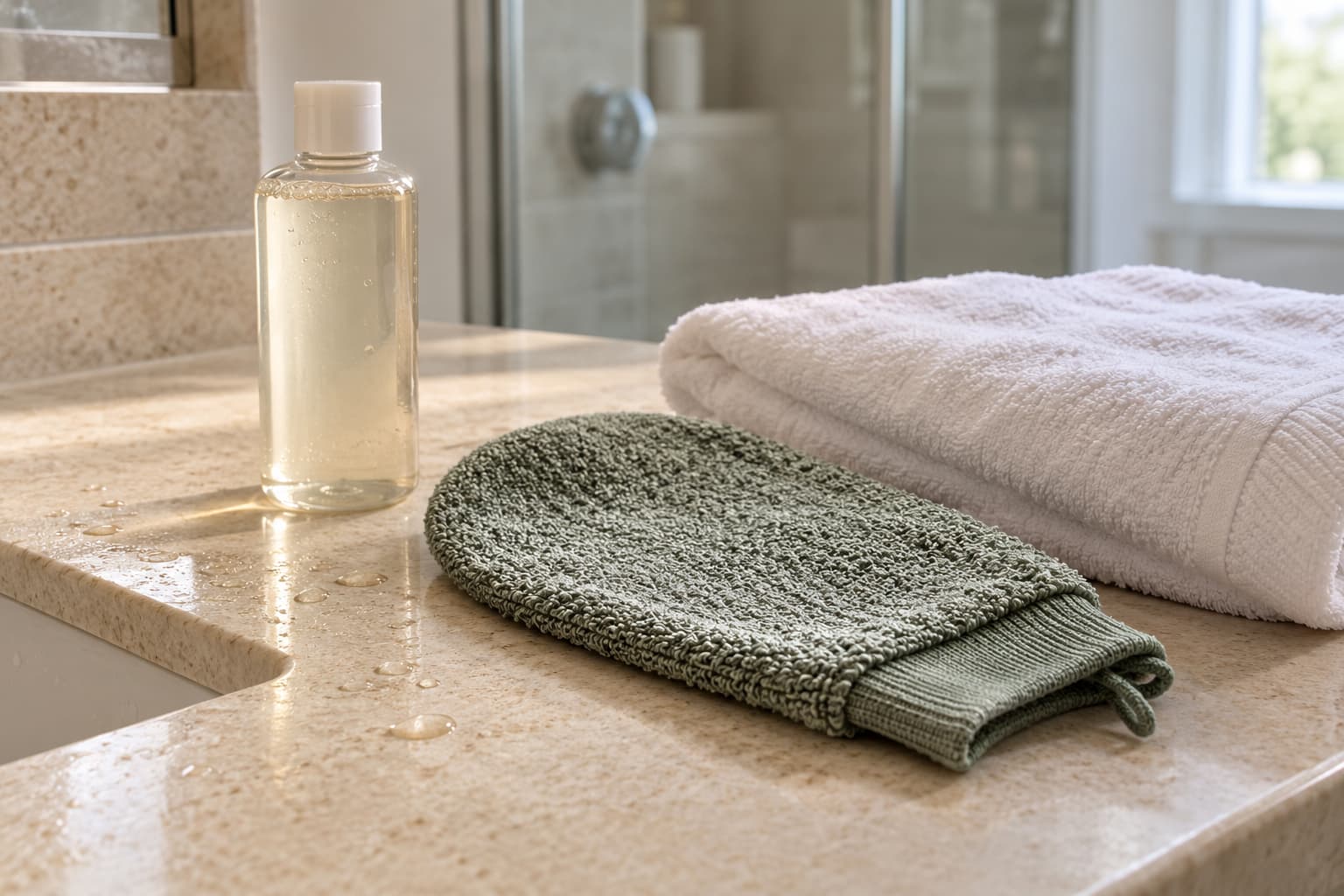
Exfoliate Gently: Removing dead skin cells is vital. A mild exfoliation 24 to 48 hours before your appointment smooths the skin’s surface, promoting even absorption of the tanning solution. Using a gentle body scrub or exfoliating mitt helps particularly with rougher areas. Avoid aggressive scrubbing immediately before the session to minimize irritation.
Schedule Hair Removal Thoughtfully: Shaving or waxing should be done at least 24 hours prior. This timing minimizes the risk of skin sensitivity and irregular tanning. It is advisable to plan these treatments well ahead of your spray tan, coordinating with your technician if possible.
Cleanse Thoroughly Before Arrival: On the day of your appointment, arrive with clean skin free from moisturizers, makeup, deodorants, and fragrances. These products form layers that impede the tan’s adherence and can lead to uneven or blotchy patches. Your skin should be freshly washed and dry.
Wear Appropriate Clothing: Opt for loose-fitting, dark-colored, and breathable garments post-treatment. Tight or light-colored clothes can rub and damage your developing tan or cause stains that are difficult to remove from fabric.
How Does Exfoliation Impact the Quality and Longevity of Your Spray Tan?
Exfoliation plays a pivotal role in both the appearance and durability of a spray tan. By sloughing off dead skin cells using a gentle scrub or exfoliating cloth, the skin becomes a clean, even surface that reacts consistently to the tanning formula. This eliminates dull or flaky patches that could absorb excess pigment and create blotchy spots.
Experts emphasize that exfoliating 1 to 2 days before the session strikes the best balance. It gives the skin time to recover from the mild abrasion without introducing redness or sensitivity that could affect the treatment. In addition, targeting notoriously tough areas, like knees and elbows, with extra care during exfoliation lessens the risk of these spots becoming overly dark or patchy.
Why Should You Avoid Applying Products on Your Skin Just Before the Treatment?
Products such as lotions, oils, deodorants, perfumes, and makeup create invisible barriers that interfere with the spray tan solution’s ability to bond with the skin. This barrier effect diminishes color intensity and can cause splotches or uneven color development. Additionally, these substances may react chemically with the tanning spray, resulting in discolorations or unpleasant odors.
Therefore, salons advise clients to come to their appointments with clean, product-free skin. This precaution ensures the tan applies seamlessly and matures optimally over the following hours. If any recommendations differ, they should always come from the tanning professional based on the specific formula or method used.
How Should Hair Removal Techniques Be Timed Around Your Spray Tan Appointment?
The common advice is to perform hair removal at least 24 hours before a spray tan. Shaving too soon before your session can leave micro-cuts or irritation that negatively behold the tanning solution, causing possible uneven pigmentation or discomfort. Waxing also causes temporary redness and sensitivity which require sufficient time to subside before spraying.
Planning these pores-clearing routines separately and consulting your tanning practitioner can prevent potential mishaps. Understanding the interaction between hair removal and tanning techniques is especially important to maintain flawless results without sacrificing comfort or skin health.
What Special Considerations Are Needed for Elbows, Knees, and Ankles?
Thicker skin on areas such as the elbows, knees, and ankles often poses challenges during spray tan application. These parts naturally absorb more tanning agents due to their texture and dryness, often yielding darker patches that stand out against the rest of the body.
To mitigate those effects, professional technicians may apply lighter coats or use specialized blending techniques. From a client perspective, pre-treatment exfoliation targeted at these rougher zones, followed by a light application of moisturizer several hours before tanning (but not immediately prior), can balance skin hydration and texture, improving overall color consistency.
Why Does a Spray Tan Not Provide UV Protection and How Should You Protect Your Skin Afterward?
It is a common misconception that spray tans offer any degree of sun protection. The golden hue achieved through DHA interaction with the skin is purely cosmetic and does not influence melanin production or shield against ultraviolet rays. As such, spray tan users remain fully vulnerable to sun damage.
To safeguard skin health and maintain an even, glowing complexion, daily application of a broad-spectrum sunscreen with at least SPF 30 is essential. Selecting products free from irritants and greasy residues helps protect the skin without compromising the tan’s appearance. Remember that the spray tan is a beauty treatment, not a substitute for diligent sun care.
What Are Common Preparation Mistakes and How Can You Avoid Them?
Some of the most frequent errors include skipping the exfoliation step, using creams or oils before your appointment, scheduling waxing or shaving too close to the spray tan session, and arriving with makeup or deodorant on. These actions can disrupt the tanning process and lead to undesirable results.
To avoid these pitfalls, follow salon guidance carefully, schedule your prep steps in advance, and maintain clear communication with your tanning technician. A well-executed plan ensures a consistent, long-lasting, and aesthetically pleasing tan.


