In the dynamic world of beauty and skincare, salons constantly seek innovative services to satisfy evolving client desires. Among these, the introduction of spray tan services has gained significant traction. A spray tan offers clients a sun-kissed glow without harmful ultraviolet (UV) exposure, aligning with growing health-conscious trends. This article is designed for salon owners, managers, and beauty professionals interested in integrating spray tan treatments into their service portfolio. Understanding what a salon needs to effectively introduce and maintain this service is crucial, as it involves technical knowledge, equipment investment, hygiene standards, client communication, and safety considerations.
Spray tanning is a cosmetic procedure that applies a fine mist containing dihydroxyacetone (DHA) to the skin, creating a bronzed effect by a chemical reaction with skin proteins. Unlike traditional sunbathing or tanning beds, it avoids DNA damage from UV rays, offering a safer approach to achieving a tanned appearance. Yet, the implementation of spray tan services demands more than simply having the right product. It requires a comprehensive strategy to ensure client satisfaction, safety, and operational feasibility within the salon environment.
This editorial will explore the essential components a salon must consider when launching spray tan services. From understanding the necessary equipment and selecting professional-grade tanning solutions to adhering to strict hygiene protocols and ensuring robust client education, each aspect is critical. Importantly, the article will clarify realistic service expectations, underline safety measures, and explain the responsibility salons carry to avoid misleading claims about spray tans as medical treatments or sun protection substitutes.
What Essential Equipment Does a Salon Require for Professional Spray Tan Services?
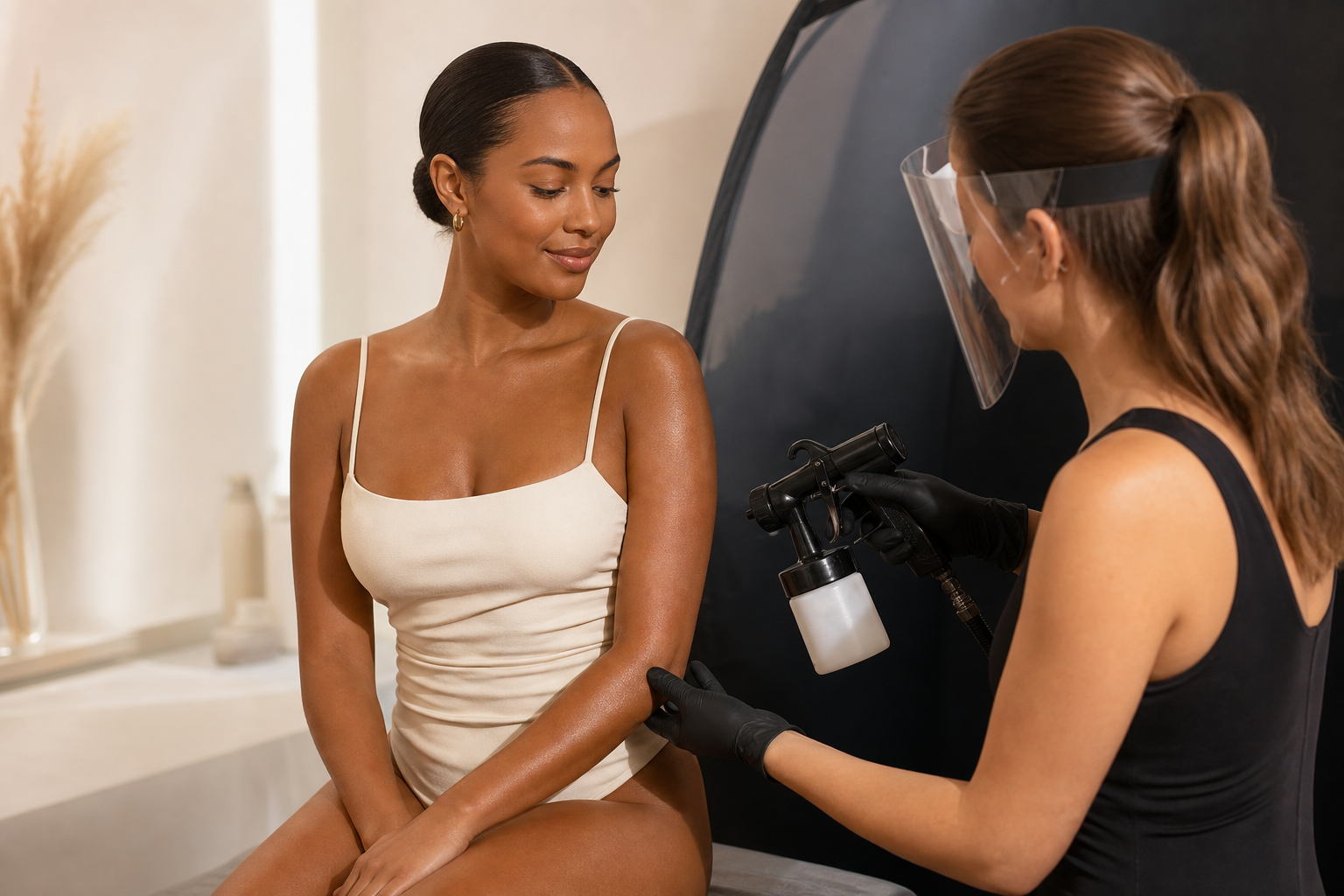
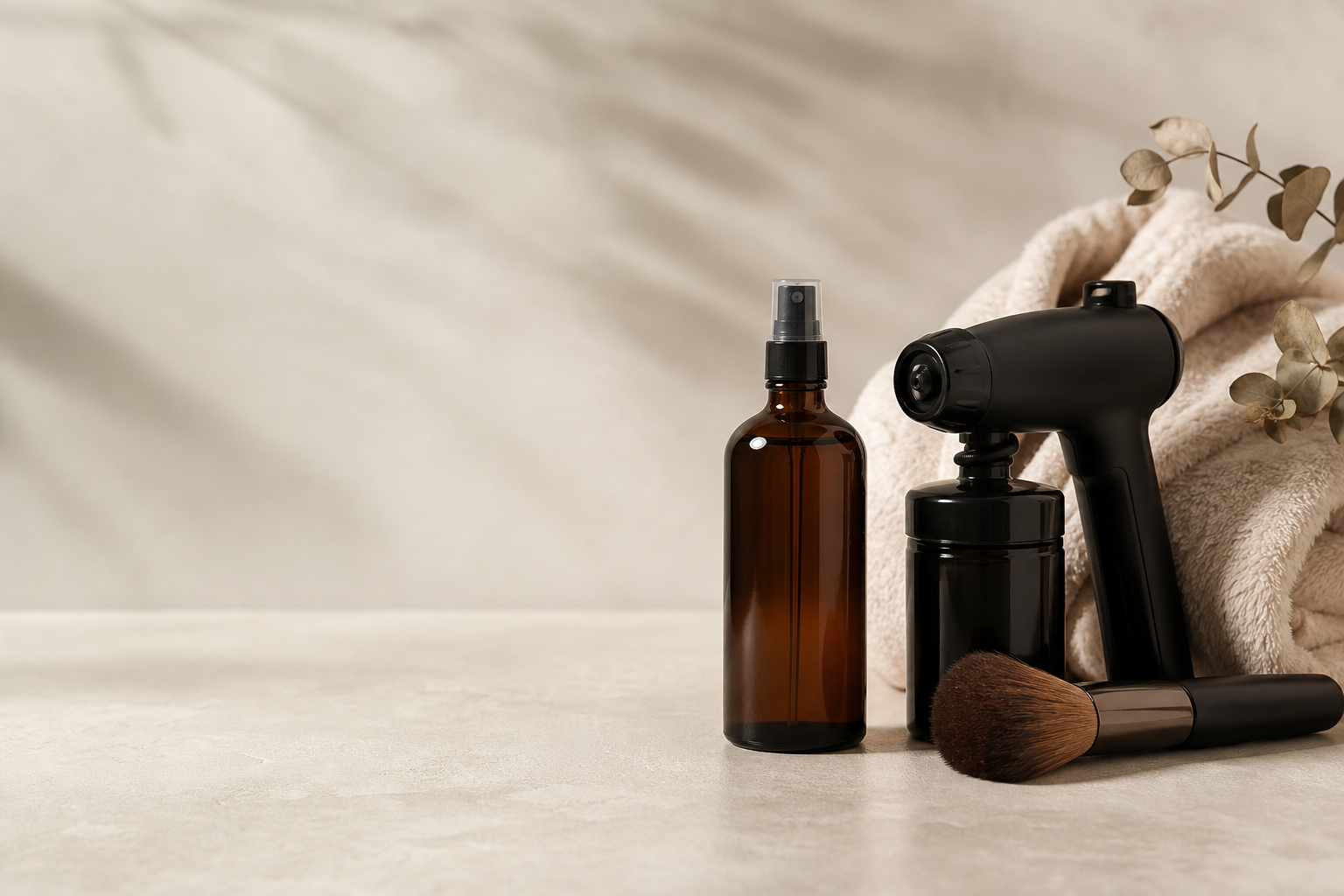
At the core of delivering high-quality spray tan treatments lies the need for specialized equipment engineered for precision and safety. The most pivotal is the HVLP (High Volume Low Pressure) spray tan system. This apparatus disperses a fine, controlled mist of tanning solution, maximizing even coverage and minimizing overspray. Choosing an HVLP system requires attention to factors such as spray pattern uniformity, ease of cleaning, ergonomic design for professional use, and compatibility with various solutions.
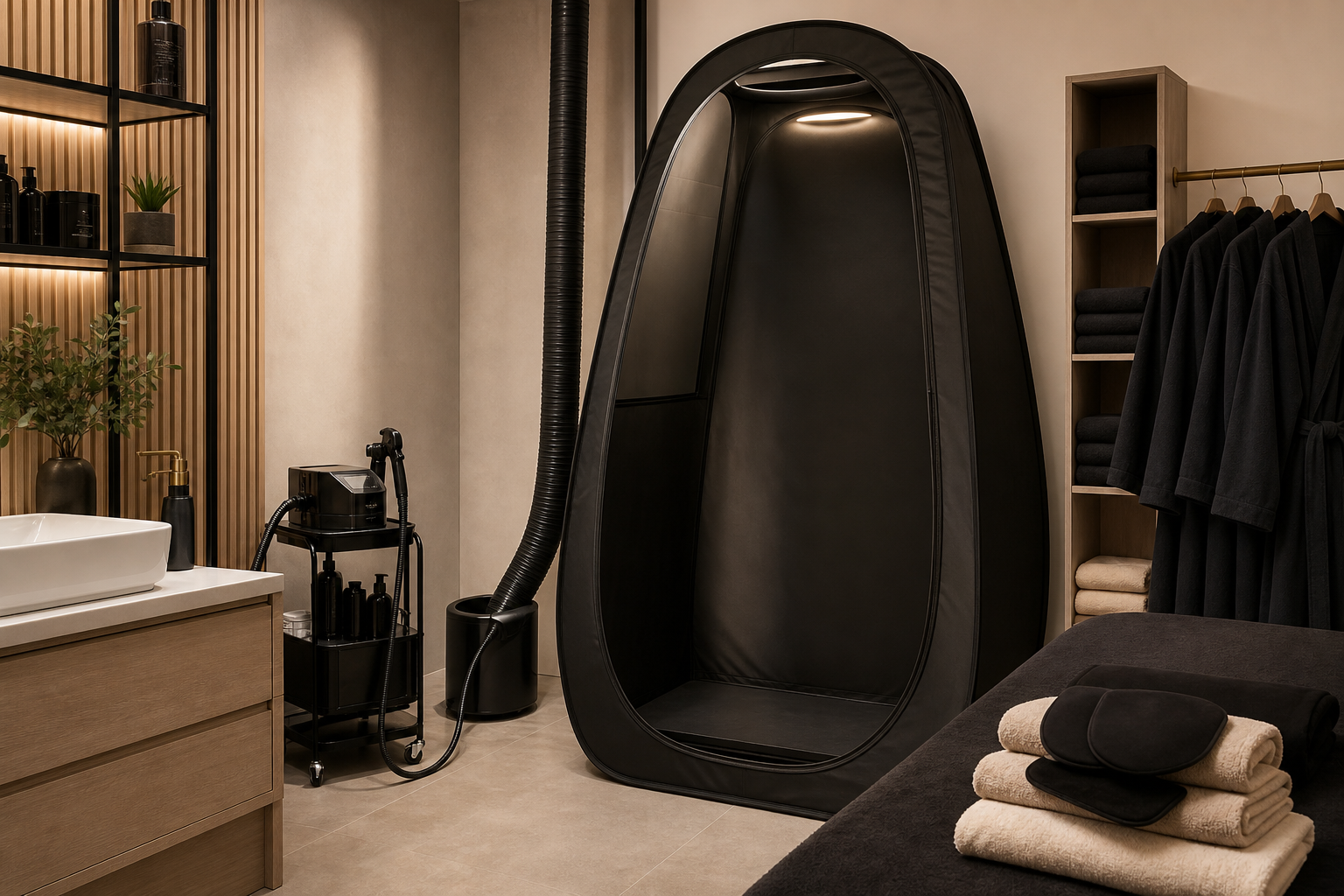
Equally important is the location within the salon designated for spray tanning. An enclosed spray tan booth or a purpose-designed treatment area must be equipped with an efficient ventilation system to promptly remove airborne tanning mist. This setup not only protects staff and clients from excessive inhalation of fine particles but also maintains a clean atmosphere.
The workspace should include materials like disposable coverings, protective eyewear for clients (such as goggles), nose plugs, and headbands to shield hair and sensitive areas. Professional protective gear for operators—such as respirator masks, gloves, and in some cases, eye protection—is also vital to maintain health and safety compliance.
How to Select Professional Spray Tan Solutions for Optimal Results and Client Safety?
The choice of tanning solution dramatically influences the final appearance, durability of color, and client skin compatibility. Professional-grade products predominantly contain DHA, which interacts with the skin's surface cells to induce a natural-looking tan without UV damage. It's imperative that salons select solutions that have undergone rigorous dermatological testing for hypoallergenicity, minimal odor, and stability.
Additionally, formulations often include additives such as erythrulose to extend wear and reduce orange hues, moisturizing agents to enhance skin hydration, and fragrance components to improve client comfort. Salons must avoid unverified inexpensive products that may cause adverse reactions or yield inconsistent results.
Clients should be informed that spray tans are not permanent and generally last between 5 to 10 days depending on skin type, care, and the specific formulation. Clear guidance on maintenance and limitations established upfront enhances satisfaction and reduces service complaints.
What Hygiene and Safety Protocols Must a Salon Enforce for Spray Tan Procedures?
Given the use of aerosolized compounds in close client proximity, rigorous hygiene standards are non-negotiable. All disposable materials contacting clients must be single-use and disposed of properly after each session. Surfaces in the spray tan area, including the booth, floor coverings, and equipment, require thorough cleaning and disinfection between appointments to prevent contamination.
Operators must consistently wear appropriate personal protective equipment to avoid inhalation and skin exposure. Proper hand hygiene practices before and after each client interaction further mitigate cross-contamination risks. Ventilation systems should be maintained to ensure effective air exchange and minimize airborne residues lingering in treatment areas.
In addition, salons should implement clear protocols to handle possible allergic reactions. Pre-service consultations should identify contraindications such as known allergies to DHA or its components, current skin infections, or dermatological conditions that could worsen with spray tan treatments. This approach prioritizes client safety and limits potential liabilities.
Why is Professional Training Essential for Salon Staff Providing Spray Tan Services?
Spray tanning involves more than operating machinery; it demands a nuanced understanding of skin types, solution interaction, and application techniques to produce flattering, uniform results. Untrained personnel risk uneven coloration, over- or under-application, and potential client dissatisfaction.
Comprehensive training programs cover equipment use, solution handling, client preparation and aftercare advice, safety protocols, and sanitation best practices. Additionally, staff must be well-versed in managing client expectations, emphasizing that spray tans do not serve as sun protection and do not treat or conceal skin conditions permanently.
Investing in professional education not only elevates service quality but also enhances the salon’s reputation as a trustworthy establishment committed to client wellness and aesthetic excellence.
How Should Salons Organize Their Spray Tan Service Workflow and Client Communications?
Operational planning is vital for integrating spray tan treatments seamlessly into salon offerings. Scheduling needs to accommodate preparation time for clients, session length, and post-treatment care instructions. Pre-appointment client consultations establish skin sensitivity profiles and informed consent.
Transparent communication outlining the procedure, expected effects, longevity of the tan, and precautions encourages client confidence. Clear disclaimers regarding spray tan limitations—especially regarding sun protection—are essential. Guidance on pre-treatment preparation such as exfoliation and avoidance of moisturizers enhances outcome consistency, while post-treatment recommendations support sustained results.
Moreover, salons should prepare for and articulate policies on reapplications, refunds, or corrections, which further reinforces professionalism and fosters repeat business.
What Are the Limitations and Realistic Expectations to Convey About Spray Tan Services?
Despite its many advantages, spray tanning has inherent limitations that must be communicated candidly to protect clients from unrealistic expectations. Importantly, spray tan does not provide any UV protection; clients must continue using broad-spectrum SPF 30+ sunscreen during outdoor activities. It is also not a remedy for skin imperfections or medical conditions and will not permanently hide scars, pigmentation, or other dermatologic issues.
Durability of the tan depends on individual skin renewal cycles, lifestyle factors like bathing habits and sweating, and application technique. Some skin types may develop color differently, with variations in tone and fading patterns. Certain health conditions or medications can interfere with achieving optimal results.
By addressing these topics upfront, salons help customers make informed choices and appreciate the cosmetic nature of the treatment.
How Does Mobile Spray Tan Service Compare to In-Salon Treatments?
Some salons or technicians opt for mobile spray tan services, bringing equipment and solutions directly to clients at home or events. While this offers convenience, it presents challenges. Mobile operators must ensure their portable equipment maintains the standards of ventilation, cleanliness, and hygiene equivalent to salon environments.
Transportation of tanning booths and solutions necessitates careful handling to prevent contamination or leaks. Privacy during application must be guaranteed, which may limit accessibility in certain settings. Furthermore, mobile services require robust client communication to manage expectations without the controlled salon environment's advantages.
Choosing between mobile or in-salon spray tan delivery depends on a business’s operational strengths, client demographics, and investment capability. Both models, when implemented properly, can deliver high-quality outcomes but must adhere to professional standards.