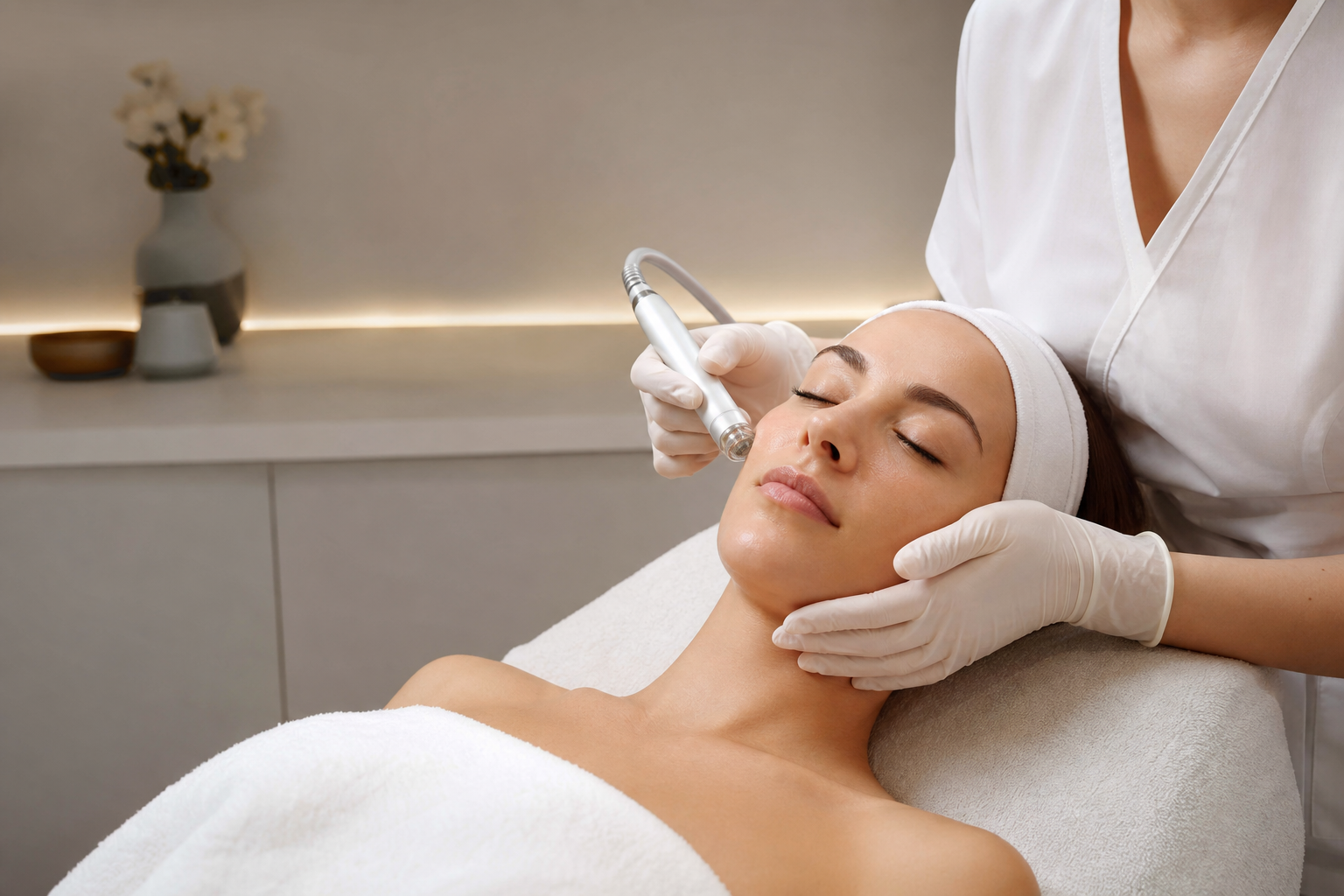
Professional anti-aging facial treatment represents one of the most sophisticated and effective methods available in contemporary skincare to slow down and diminish the visible signs of aging. Far from being solely aimed at individuals already displaying wrinkles or sagging skin, these treatments are equally valuable for those seeking preventive strategies to maintain youthful skin tone and health over the long term. As aesthetic medicine and dermatology continue to evolve, gaining a clear understanding of these treatments—their indications, expected outcomes, limitations, and safety considerations—is essential for anyone considering an investment in their complexion.
This article offers a precise, expert, and practical overview of professional anti-aging facial treatments. It explains who these treatments are designed for, what results can realistically be expected, the importance of personalized protocols, and when a consultation with a qualified specialist is crucial. By exploring a step-by-step guide through a typical session, this piece aims to provide both clarity and confidence for individuals curious about or planning to undertake this advanced skin rejuvenation approach.
Whether you are noticing the first fine lines or seeking to maintain your skin's vitality proactively, understanding the structure, benefits, and limitations of a professional anti-aging facial treatment is key. This knowledge helps align expectations with achievable results and emphasizes the importance of expert oversight in achieving optimal outcomes.
What Is a Professional Anti-Aging Facial Treatment and How Does It Work?
A professional anti-aging facial treatment is a comprehensive series of procedures involving the application of specialized skincare products and techniques aimed at enhancing skin quality, promoting the synthesis of collagen and elastin, softening wrinkles, and improving skin tone and texture. Unlike over-the-counter products, which often have limited penetration and effect, professional treatments performed by trained aestheticians or dermatologists can work deeper within the skin layers to address aging at its roots.
These treatments may encompass several steps, including thorough cleansing, chemical peels, application of serums enriched with active ingredients such as hyaluronic acid, peptides, and vitamin C, targeted facial massage, and the use of specialized masks. The protocols are carefully tailored to the individual's skin type, degree of aging, and specific concerns such as dryness, pigmentation, or laxity.
The ultimate goal of a professional anti-aging facial is to induce long-lasting rejuvenation, hydration, and regeneration of the skin without resorting to invasive procedures or injections. By stimulating the skin's natural repair mechanisms and replenishing essential biomolecules, these treatments can significantly improve skin elasticity, smoothness, and radiance.
Who Should Consider Professional Anti-Aging Facial Treatments?
Anti-aging facial treatments are not reserved exclusively for those with visible signs of aging. They are an excellent option for adults in their mid-twenties and upwards who wish to prevent early signs of skin aging and sustain youthful skin resilience. For individuals aged 25 to 40, these treatments help maintain elasticity and moisture levels, delaying the onset of wrinkles.
For clients over 40, professional anti-aging facials offer effective strategies to address wrinkles, sagging skin, uneven pigmentation, and dullness. They are also suited to people with specific skin concerns such as sun damage, hyperpigmentation, or superficial scars looking for non-invasive improvements.
Professional anti-aging facial treatments cater to all genders interested in enhancing skin health and appearance. However, certain medical conditions like active skin infections, allergic reactions, or severe skin diseases may contraindicate these treatments. Therefore, a thorough consultation with a skincare specialist is indispensable to determine suitability.
What Are the Key Benefits of Choosing Professional Over Home Anti-Aging Methods?
Professional treatments confer multiple advantages when compared to home skincare routines. First, they provide deeper delivery of potent ingredients under expert supervision, achieving more meaningful results. The specialist’s assessment ensures the selected products align precisely with your skin’s needs.
Furthermore, customized treatment plans based on a detailed skin diagnosis enable ongoing monitoring and adjustments, optimizing the regimen for continuous improvement. Clients also benefit from a controlled environment minimizing the risk of adverse reactions.
Overall, professional anti-aging facials combine scientific innovation and personalized care, providing visible improvements in skin firmness, wrinkle reduction, and complexion brightness with a high safety profile most home applications cannot match.
Step-by-Step Guide to a Typical Professional Anti-Aging Facial Treatment
Understanding what happens during a professional anti-aging facial can demystify the process and help clients prepare for the experience. Although protocols may vary, the following steps are common in many high-quality treatments:
1. Comprehensive Skin Assessment: The session begins with an in-depth consultation where the specialist evaluates your skin type, hydration levels, elasticity, presence of pigmentation, and overall condition. This personalized analysis guides product choice and treatment intensity.
2. Deep Cleansing: Removing makeup, oils, and dead skin cells is critical. Gentle exfoliation using chemical or enzymatic peels may be used to refine skin texture and enable better absorption of active ingredients.
3. Application of Active Serums: Concentrated formulations containing ingredients like hyaluronic acid provide deep hydration, peptides stimulate collagen production, vitamin C acts as an antioxidant, and other compounds aid in skin revitalization.
4. Specialized Facial Massage: Techniques such as lymphatic drainage improve circulation, reduce puffiness, and promote toxin elimination. The massage also enhances product penetration and skin oxygenation.
5. Mask Application: A tailored mask supports the delivery of nourishing agents, firmly enhancing skin smoothness, radiance, and uniformity.
6. Final Protection: The treatment concludes with the application of moisturizing creams and sunscreen containing SPF to protect against UV damage and extend treatment benefits.
Each stage is adjusted according to your specific skin characteristics and desired outcomes to ensure safe, effective results.
When Should You Consult a Specialist Before Undergoing an Anti-Aging Facial?
Professional advice is paramount before starting any anti-aging facial, especially since skin conditions, age, lifestyle, and medical history can affect treatment safety and efficacy. A dermatologist or licensed aesthetician evaluates contraindications such as skin infections, allergies, or chronic diseases that may warrant modifications or deferment of treatment.
Post-treatment follow-up is equally important. Specialists monitor reactions, provide guidance on home care regimens, and recommend adjustments based on progress and any emerging concerns. This comprehensive oversight maximizes treatment durability and minimizes risks.
What Are Realistic Expectations and Possible Limitations of Professional Anti-Aging Facials?
Professional anti-aging facial treatments can notably enhance skin texture, elasticity, and hydration, and reduce signs of aging such as fine lines and dullness. However, it is essential to approach results with a measured outlook. Changes typically manifest gradually over several sessions rather than instantly, and deeper wrinkles or pronounced sagging may require adjunctive procedures.
Moreover, outcomes depend not only on treatments themselves but also on factors like genetics, environmental exposures, diet, and lifestyle habits. Maintaining skin health also involves diligent sun protection, balanced nutrition, and consistent skincare routines beyond the clinic.
Recognizing these nuances guarantees satisfaction with achievable improvements without overestimating procedural capacities or expecting dramatic transformations from a single session.
How Do Safety and Hygiene Considerations Impact Professional Anti-Aging Treatments?
Safety is a cornerstone of professional anti-aging facial treatments. Reputable clinics adhere to stringent hygiene protocols to prevent infections and cross-contamination. The use of sterile tools, single-use applicators, and high-quality products tested for dermatologic compatibility minimizes adverse effects.
Experienced practitioners screen clients rigorously for allergies or sensitivities to ingredients, personalize treatment intensity, and advise on appropriate aftercare. These measures preserve skin integrity and client well-being, differentiating professional treatments from unregulated or DIY approaches.
How to Integrate Professional Anti-Aging Facials into a Holistic Skin Care Regimen?
For lasting results, professional anti-aging facials should complement an overall holistic skincare and wellness strategy. This includes consistent use of home-based moisturizers, sunscreens, antioxidants, and lifestyle adjustments such as adequate hydration, balanced diets rich in vitamins, and sufficient sleep.
Regular treatment intervals—typically monthly or bi-monthly—enable cumulative benefits, and periodic skin assessments facilitate timely adaptations. Collaboration with skincare specialists helps tailor this integrated plan to individual needs and changes over time.
Exploring Alternative or Adjunctive Professional Cosmetic Anti-Aging Treatments
Beyond facials, a spectrum of advanced cosmetic anti-aging options exists, ranging from microneedling and laser therapies to radiofrequency and light-based treatments. These modalities often deliver deeper dermal stimulation, with some involving minimally invasive techniques.
Understanding where professional anti-aging facials fit within this broader treatment landscape empowers informed choices. For many, facials offer an effective, non-invasive entry point or maintenance tool, while more intensive therapies may be suitable for moderate to severe aging concerns.


