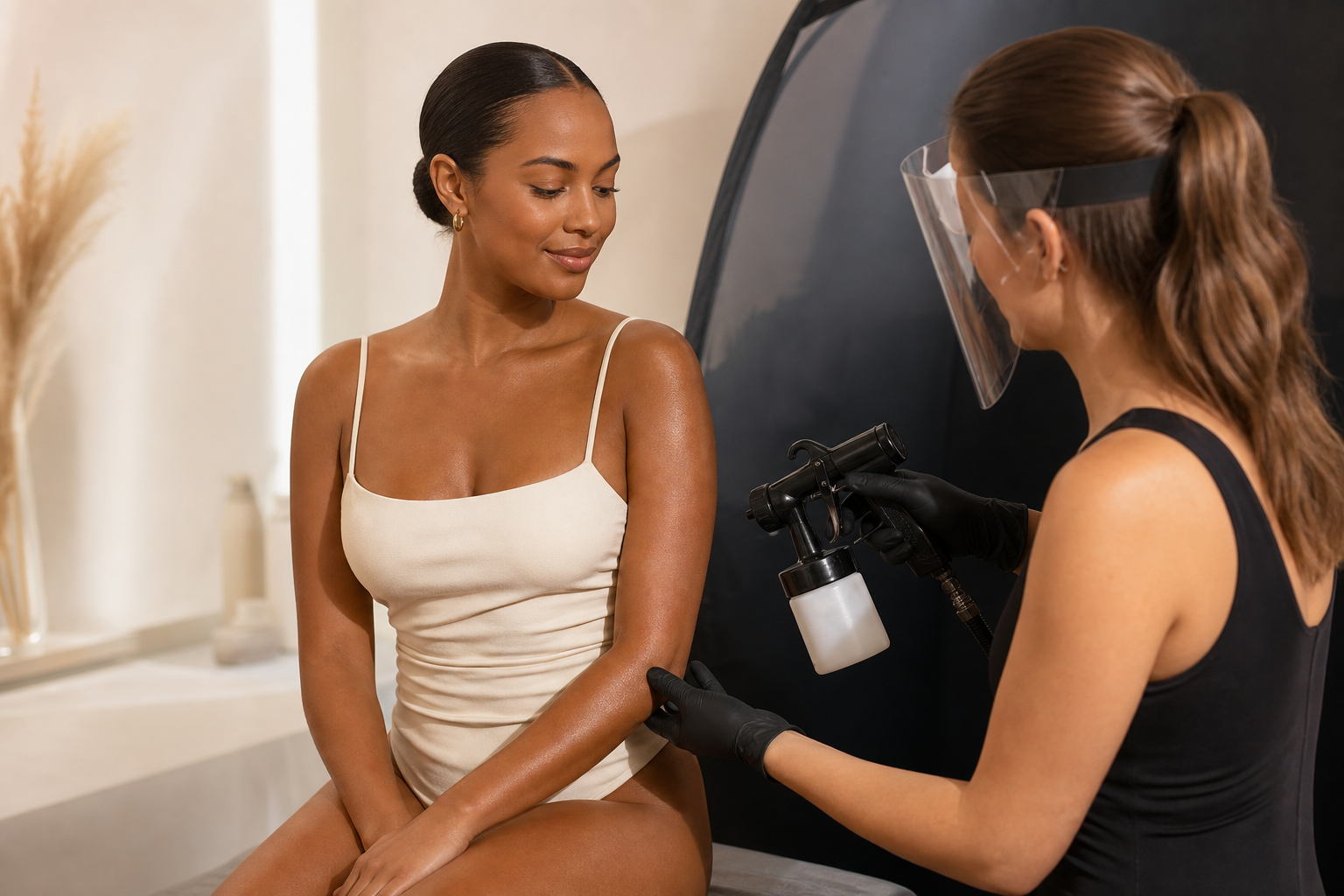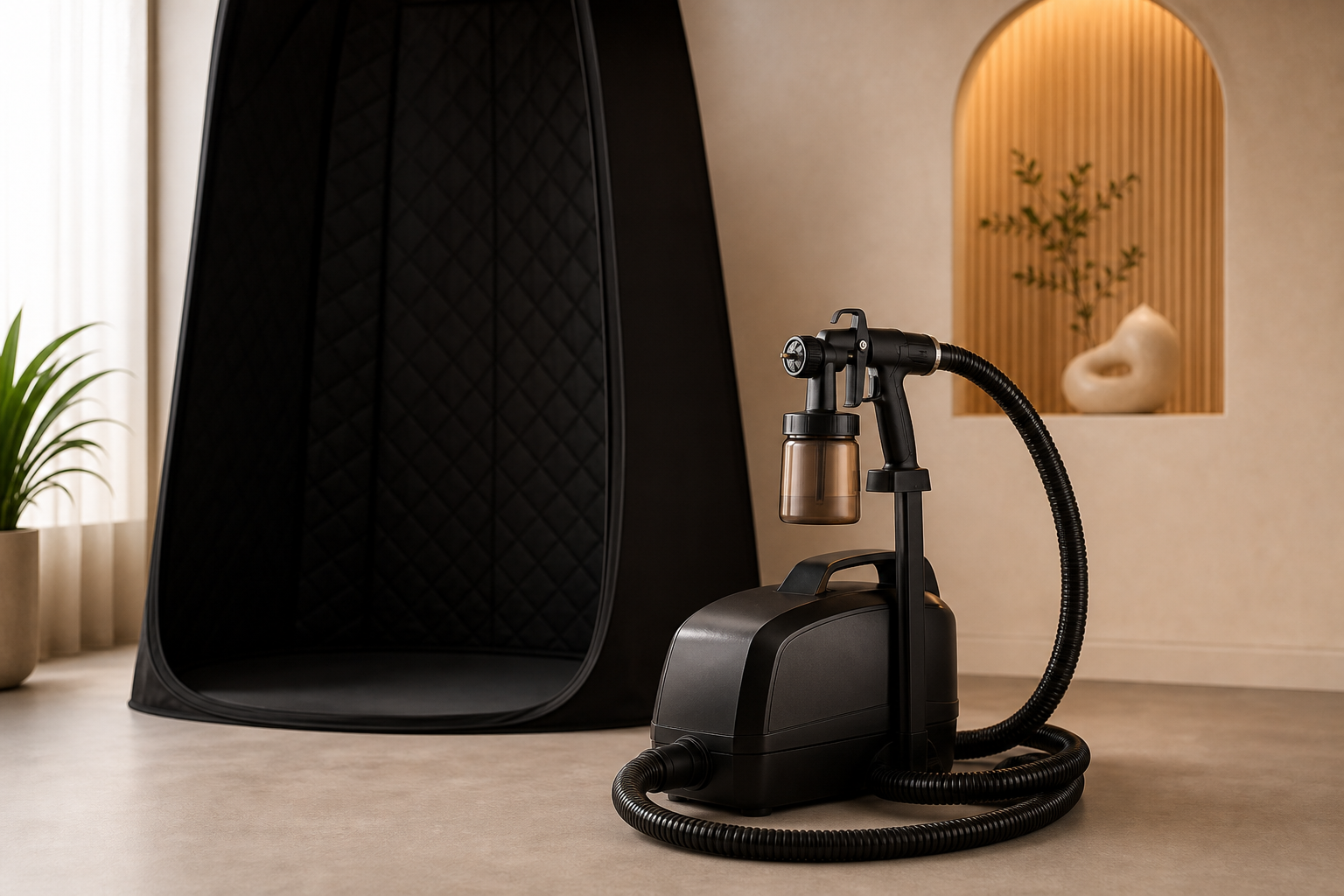
The HVLP spray tan system has become an indispensable tool in the professional beauty industry, catering to salons, mobile technicians, and tanning enthusiasts alike. HVLP, an acronym for High Volume Low Pressure, refers to a technology that enables the precise and economical application of spray tan solutions, offering clients a natural-looking, even tan without exposure to harmful ultraviolet rays. Selecting the right HVLP system is paramount, as it directly influences the quality of results, operational efficiency, client satisfaction, and safety within professional settings.
This comprehensive guide is designed for salon owners, skincare professionals, and anyone exploring the equipment essential for delivering high-caliber spray tan services. Understanding the critical selection criteria for HVLP spray tan systems empowers decision-makers to choose equipment aligned with their service scope, client needs, and operational demands. Given the variation in device specifications and performance, a methodical approach to selection is required to maximize both aesthetic outcomes and hygienic safety.
In this editorial, we will delve deeply into the defining features of HVLP spray tan systems, explore their operational principles, discuss safety and maintenance imperatives, and outline practical considerations for diverse professional contexts. This article aims to clarify common misconceptions, emphasize realistic expectations, and encourage responsible use — always conscious that spray tanning does not serve as sun protection and should be complemented with broad-spectrum SPF 30+ sunscreen products.
What Defines an HVLP Spray Tan System and How Does It Operate?
HVLP stands for High Volume Low Pressure, a technology originally developed for controlled paint application but now extensively adapted for cosmetic use. Unlike traditional airbrush methods that rely on high-pressure atomization, HVLP systems generate a high airflow volume at a relatively low pressure. This approach reduces overspray and waste, facilitating an even, fine mist of tanning solution that adheres uniformly to the skin’s surface.
The system's fundamental components include a turbine or compressor generating the airflow, a hose, and a handheld spray gun equipped with a nozzle precisely engineered for droplet size and spray pattern consistency. The low-pressure airflow gently atomizes the tanning formula while minimizing discomfort, making it ideal for sensitive skin types. In professional environments, such precision translates to a flawless finish that emphasizes natural-looking color gradation without blotches or streaks.
The scientific rationale behind HVLP systems is to control the particle size and velocity of the sprayed solution, thereby optimizing product deposition and minimizing airborne diffusion. Consequently, this technology offers economic advantages by reducing product consumption and environmental contamination from airborne particulates, especially important in confined salon spaces.
Who Should Invest in an HVLP Spray Tan System and Why Does It Matter?
HVLP spray tan systems cater primarily to professional cosmetologists, tanning technicians, salon owners, and mobile beauty service providers seeking to offer spray tan treatments with high precision and control. Enthusiasts aiming to achieve salon-quality tanning at home with appropriate instruction may also consider these devices, though professional use remains the primary context due to the operational complexity and hygiene considerations.
The importance of selecting an appropriate HVLP system extends beyond aesthetics. It encompasses client comfort, treatment safety, operational efficiency, and long-term economic sustainability. An ill-suited device may lead to uneven coloration, excessive product waste, mechanical failures, or hygiene risks, undermining both client satisfaction and business reputation.
Furthermore, adequate knowledge and equipment choice are essential because spray tanning is a cosmetic service demanding hygiene rigor; improper device cleaning or misuse can cause skin irritation or respiratory discomfort. Thus, choosing an industry-approved HVLP system aligns with best practices referenced in professional hygiene guidelines and safety protocols.
What Are the Essential Technical Specifications to Evaluate When Selecting an HVLP Spray Tan Device?
An informed selection process begins with understanding the key technical parameters that define an HVLP system's performance and suitability. These include:
1. Air Pressure and Volume: The balance between air pressure and airflow volume determines spray quality. Optimal HVLP systems offer adjustable pressure from approximately 0.1 to 0.3 bar (1.5 to 4.5 psi) and high airflow rates (upwards of 300 liters per minute), facilitating fine atomization without excessive overspray.
2. Reservoir Capacity: The size of the solution reservoir impacts continuous application time and operational convenience. Larger reservoirs reduce the frequency of refills, beneficial during multiple consecutive treatments but may add weight, influencing ergonomics.
3. Ergonomics and Weight: Devices should be lightweight and ergonomically designed to reduce operator fatigue during extended use. Well-balanced spray guns with comfortable grips improve application accuracy and lessen strain on wrists and forearms.
4. Spray Pattern Adjustability: The ability to precisely adjust the width and density of the spray pattern enhances versatility, allowing tailored treatments for different body areas and client preferences.
5. Maintenance and Cleaning Ease: The device architecture should allow for quick disassembly and thorough cleaning of nozzles and reservoirs to prevent clogs and ensure hygienic operation—a pivotal factor given the liquid nature of spray tan formulas.
6. Durability and Build Quality: Selection of high-grade materials and proven craftsmanship ensures device longevity and resistance to wear from frequent cleaning and usage.
How Does Safety and Hygiene Influence the Use of HVLP Spray Tan Systems?
Safety and hygiene are non-negotiable components of professional spray tanning. The aerosolization involved in HVLP systems disperses minute droplets into the air, necessitating stringent protocols to protect both client and operator health. Contaminated spray guns or reservoirs can harbor microbial growth or cause cross-contamination, risking skin infections or allergic reactions.
Adherence to rigorous cleaning regimens, including the use of suitable disinfectants for all device parts contacted by tanning solutions, is essential. Moreover, operators must employ personal protective equipment such as face masks to minimize inhalation of mist and maintain proper salon ventilation to disperse airborne particles effectively.
Clients should be informed that while spray tanning imparts desirable cosmetic coloration, it provides no ultraviolet protection. Application of broad-spectrum, water-resistant sunscreen with SPF 30 or higher remains crucial to shield skin from UV-induced damage.
What Are Realistic Expectations and Limitations of Using HVLP Spray Tan Systems?
While HVLP spray tan systems significantly enhance application quality, it is important to maintain realistic expectations regarding results. Spray tans can deliver a natural, even glow but do not permanently conceal skin imperfections such as scars, hyperpigmentation, or vascular issues. The pigment deposited is temporary, typically lasting from several days up to a week depending on skin type and care routines.
Additionally, results vary based on formula composition, application technique, and post-treatment protocols. For instance, excessive sweating or exfoliation may reduce tan longevity. Operators should communicate these factors clearly to clients to avoid misunderstanding.
The device itself requires skilled manipulation; untrained users risk uneven application or excessive saturation, underscoring the necessity for professional training and adherence to manufacturer guidelines.
How Can One Differentiate Among Various HVLP Devices in the Market Without Bias?
With numerous brands and models available, distinguishing fact-based device merits from marketing influence is critical. An objective evaluation involves analyzing technical data sheets, user testimonials from independent professionals, and post-sale support services. Avoid conflating brand popularity with performance; choose devices with transparent specifications, proven service records, and accessible maintenance support.
Reputable vendors often provide detailed manuals alongside instructional content emphasizing proper use, cleaning, and troubleshooting. Engaging with peer-reviewed industry literature and forums enhances decision-making. Furthermore, manufacturers who observe regulatory standards and have certifications indicative of product safety and reliability merit preference.
Why Are HVLP Systems Particularly Advantageous for Professional Salon Environments?
HVLP spray tan devices equip salons with the ability to consistently deliver high-quality tan finishes that clients seek, strengthening business reputation and retention. Their precision reduces product wastage, offering economic benefits and environmental conscientiousness. Moreover, ergonomic designs promote operator comfort, enabling multiple treatments daily without fatigue-related errors.
Controlled atomization minimizes mist clouds in salons, maintaining air quality and enhancing client experience. Integration with well-organized spray tan booth configurations and ventilation strategies further improves operational workflows. These factors collectively contribute to elevated service professionalism and client trust, foundational for business growth.
What Considerations Should Mobile Spray Tan Technicians Keep in Mind When Choosing HVLP Units?
For mobile practitioners, priorities include portability, weight, ease of set-up, and rapid cleaning capabilities. Compact, lightweight devices that do not compromise spray quality facilitate transport and expedient service delivery in varied environments such as homes or event venues.
Quiet operation reduces disturbance in intimate client settings. Devices with quick-connect fittings and durable protective cases enhance reliability during transit. Understanding differences between mobile and in-salon devices is crucial; while mobile HVLP units prioritize compactness, they must still meet performance and hygiene criteria to preserve professional standards.
What Common Challenges Are Encountered During HVLP Spray Tan Application and How Can They Be Managed?
Challenges frequently stem from equipment blockages, inconsistent pigment flow, inadequate pressure calibration, or improper spray angles, all contributing to uneven coloration or wasted product. Regular maintenance, including cleaning nozzles and reservoirs, resolves many operational issues.
Using products specifically designed and compatible with the HVLP system prevents chemical buildup and clogging. Operators must calibrate pressure settings according to environmental conditions and client skin types for optimal application. Training to recognize visual or tactile cues during spraying improves consistency.
How Should One Approach Making the Final Decision on an HVLP Spray Tan System?
The optimal HVLP spray tan system balances technical excellence with user ergonomics, safety features, maintainability, and affordability. Buyers should prioritize devices validated through professional endorsement and comprehensive after-sales support. Assessments should be grounded in practical needs rather than marketing hype, ensuring chosen equipment aligns with the scale and scope of intended services.
It is prudent to integrate decisions within a broader strategic framework encompassing staff training, workspace design, and regulatory compliance. Resources such as “Introducing a Spray Tan Service in a Beauty Salon” and “Spray Tan: The Complete Guide to a Sun-Kissed Look Without UV Exposure” offer invaluable context to complement equipment selection decisions.