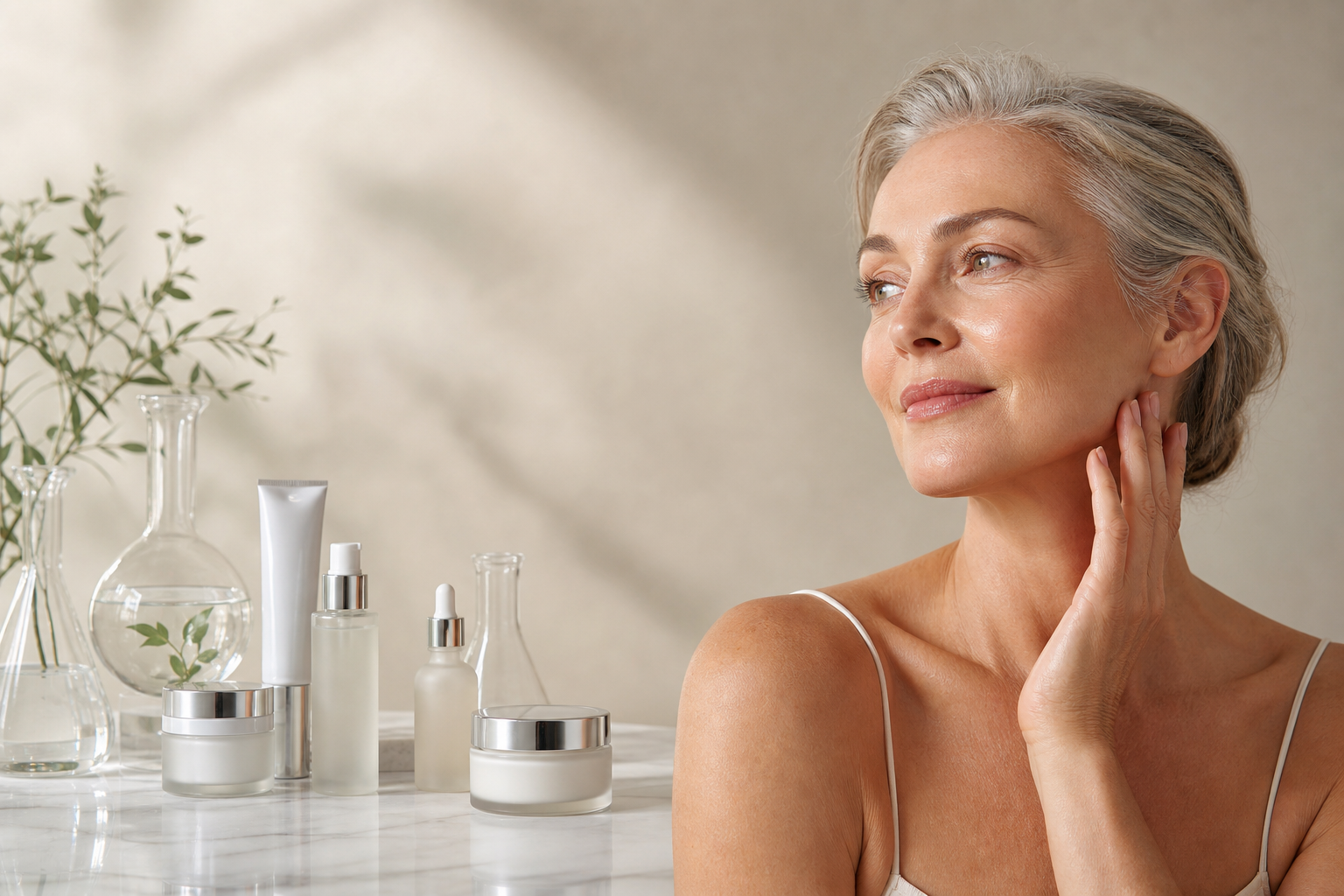
Anti-aging skincare routines have become essential in contemporary skin care practices, appealing to a diverse audience eager to maintain a youthful, vibrant complexion. This comprehensive guide explores the intricacies of formulating and executing an effective anti-aging facial regimen, tailored for individuals seeking to prevent or diminish signs of skin aging. Understanding the significance of this topic lies not only in the aesthetic benefits but also in the enhancement of skin health and resilience over time.
An anti-aging skincare routine is not reserved solely for those with visible wrinkles or mature skin; it is equally valuable for younger adults aiming to delay the onset of age-related changes. As we age, our skin loses vital components such as collagen and elastin, leading to diminished elasticity and the appearance of fine lines. External factors including ultraviolet rays, pollution, and lifestyle stressors intensify this process. Thus, a targeted routine offers a proactive approach that combines daily care and strategic interventions to safeguard skin vitality.
This in-depth examination will provide a step-by-step framework detailing essential skincare steps, explain the roles of potent active ingredients, and highlight safety considerations when integrating new treatments. Whether embarking on the initial journey of anti-aging care or seeking to refine an existing regimen, readers will find practical advice anchored in current dermatological understanding and cosmetic science.
What Constitutes an Anti-Aging Skincare Routine and Who Should Adopt It?
The essence of an anti-aging skincare routine is a carefully constructed sequence of skincare steps and products designed to delay aging signs and promote skin rejuvenation. This regimen encompasses more than episodic treatment; it demands a consistent, dynamic application responsive to evolving skin needs. The approach combines daily hygiene, nourishment, and protection, complemented by occasional professional treatments aimed at stimulating skin regeneration.
Ideal candidates for such routines include adults beginning to observe early aging markers such as fine wrinkles, skin dullness, dryness, or uneven complexion. Nevertheless, anti-aging care proves beneficial even to younger individuals motivated by preservation and prevention. By initiating an anti-aging routine early, one maximizes skin's potential to maintain its structure and radiance.
Importantly, the anti-aging regimen transcends aesthetic enhancement; it aligns with medical dermatology's focus on skin barrier maintenance, inflammation reduction, and regenerative support. Judicious product and treatment selection, often after consultation with a qualified skincare specialist, ensures personalized and safe application.
Key Steps in Developing a Targeted Anti-Aging Skincare Regimen
Constructing an effective anti-aging routine requires understanding and applying several integral skincare steps, each contributing uniquely to skin health and appearance.
1. Cleansing: The foundation of all skincare routines, cleansing removes impurities, excess oils, and environmental residues. Choosing a gentle, appropriately pH-balanced cleanser prevents over-drying, which could exacerbate aging signs. Although anti-aging actives are uncommon in cleansers, this step primes the skin for subsequent treatments.
2. Toning: Toners restore skin's pH and offer a refreshing effect. Select tonics infused with mild anti-inflammatory agents or antioxidants like niacinamide, which can soothe the skin and even complexion. The choice should reflect individual skin characteristics, paying particular attention to sensitivity.
3. Serums with Active Ingredients: Concentrated serums are pivotal in delivering potent anti-aging molecules such as retinol, vitamin C, peptides, and hyaluronic acid. These components foster collagen synthesis, defend against oxidative stress, improve hydration, and support structural skin integrity. Their application requires precision, avoiding interference with creams that might inhibit their action.
4. Hydration: Moisturizers lock in water, fortify the skin’s lipid barrier, and bolster defense against environmental insults. For mature skin, products enriched with hyaluronic acid, ceramides, and nourishing oils replenish moisture and reinforce skin’s resilience.
5. Sun Protection: Regular application of broad-spectrum sunscreen is indispensable in preventing photoaging. UV radiation accelerates collagen breakdown and pigmentary changes. Consistent use of high-SPF products not only safeguards but also mitigates inflammatory and oxidative damage.
Understanding the Most Effective Anti-Aging Ingredients and Their Functions
The success of an anti-aging routine is strongly influenced by the choice of active ingredients, which target different aging mechanisms.
Retinol and Retinoids: These vitamin A derivatives enhance cellular turnover, reduce wrinkles, and promote an even skin tone. Retinol acts gradually and is well-suited to home use, while retinoids offer stronger effects but necessitate cautious, supervised application due to potential irritation.
Vitamin C: A potent antioxidant, vitamin C protects against free radicals, stimulates collagen production, and lightens hyperpigmentation. Stable formulations applied in the morning complement sun protection.
Peptides: These small protein fragments encourage skin repair and stimulate the synthesis of collagen and elastin, aiding in skin tightening and rejuvenation.
Hyaluronic Acid: Known for exceptional hydration properties, it binds significant amounts of water, providing plumpness and diminishing fine lines. It is versatile, found both in topical products and in certain non-invasive treatments.
Niacinamide: This form of vitamin B3 reduces inflammation, balances oil production, strengthens the skin barrier, and uniformizes skin tone. It is tolerated well and effective for diverse skin types.
Integrating Anti-Aging Products and Procedures Safely into Daily Skincare
Introducing potent anti-aging actives into a skincare routine warrants a cautious, measured approach to prevent adverse skin reactions. Gradual incorporation, beginning with lower concentrations and less frequent usage, allows the skin to adapt. For instance, retinol is often started at two to three applications per week during evening hours, progressively increasing as tolerance improves.
Hydration and sun protection remain crucial adjuncts to minimizing sensitivity and enhancing treatment benefits. Professional treatments such as needle-free mesotherapy or hyaluronic acid applications require guidance from dermatologists or certified skincare professionals, emphasizing personalized assessment and exclusion of contraindications.
When to Commence Anti-Aging Care and Recognize Optimal Timing
Determining the right time to start anti-aging care depends on individual genetics, lifestyle, and environmental exposure. Dermatological consensus advocates for initiating preventative routines in one's twenties or early thirties, focusing on antioxidative and protective measures.
Visible early signs prompting intensified care include delicate wrinkles near the eyes, diminished radiance, dryness, and uneven pigmentation. Introducing foundational antioxidant products then can delay and soften aging progression, while more potent actives like retinol may be incorporated as changes deepen.
Waiting for pronounced aging to manifest often complicates reversal efforts. Therefore, proactive, consistent skincare aligned with professional advice offers the best prospects for long-term skin preservation.
Anticipated Outcomes from Salon-Based Anti-Aging Treatments and Their Role in Homecare
Non-invasive professional treatments have gained prominence for their ability to enhance hydration, circulation, and skin regeneration without resorting to injections or surgical procedures. Modalities like needle-free mesotherapy, ultrasound, and LED therapy promote the deeper absorption of skincare actives, complementing daily home routines.
These in-clinic procedures serve as valuable adjuncts, intensifying and accelerating visible improvements. Nevertheless, the cornerstone of anti-aging care remains consistent at-home maintenance focused on cleansing, moisturizing, antioxidant protection, and sun defense.
Scheduling professional treatments requires personalized recommendations from skincare specialists who appraise skin condition and ensure safety, establishing appropriate intervals that harmonize with individual skin cycles.
Frequently Asked Questions on Anti-Aging Skincare Practices
Can anti-aging products completely eliminate wrinkles? While these products cannot entirely remove deep wrinkles, they effectively reduce their appearance by enhancing skin texture and elasticity, promoting a more youthful look.
How do I select the right anti-aging product for my skin? A consultation with a dermatologist or skincare expert is advisable to identify the most suitable products, considering skin type, sensitivity, and specific concerns.
How long before I notice the effects of an anti-aging routine? Typically, visible improvements occur after several weeks to a few months of consistent use. Professional treatments might provide quicker results, yet sustained homecare ensures lasting benefits.


