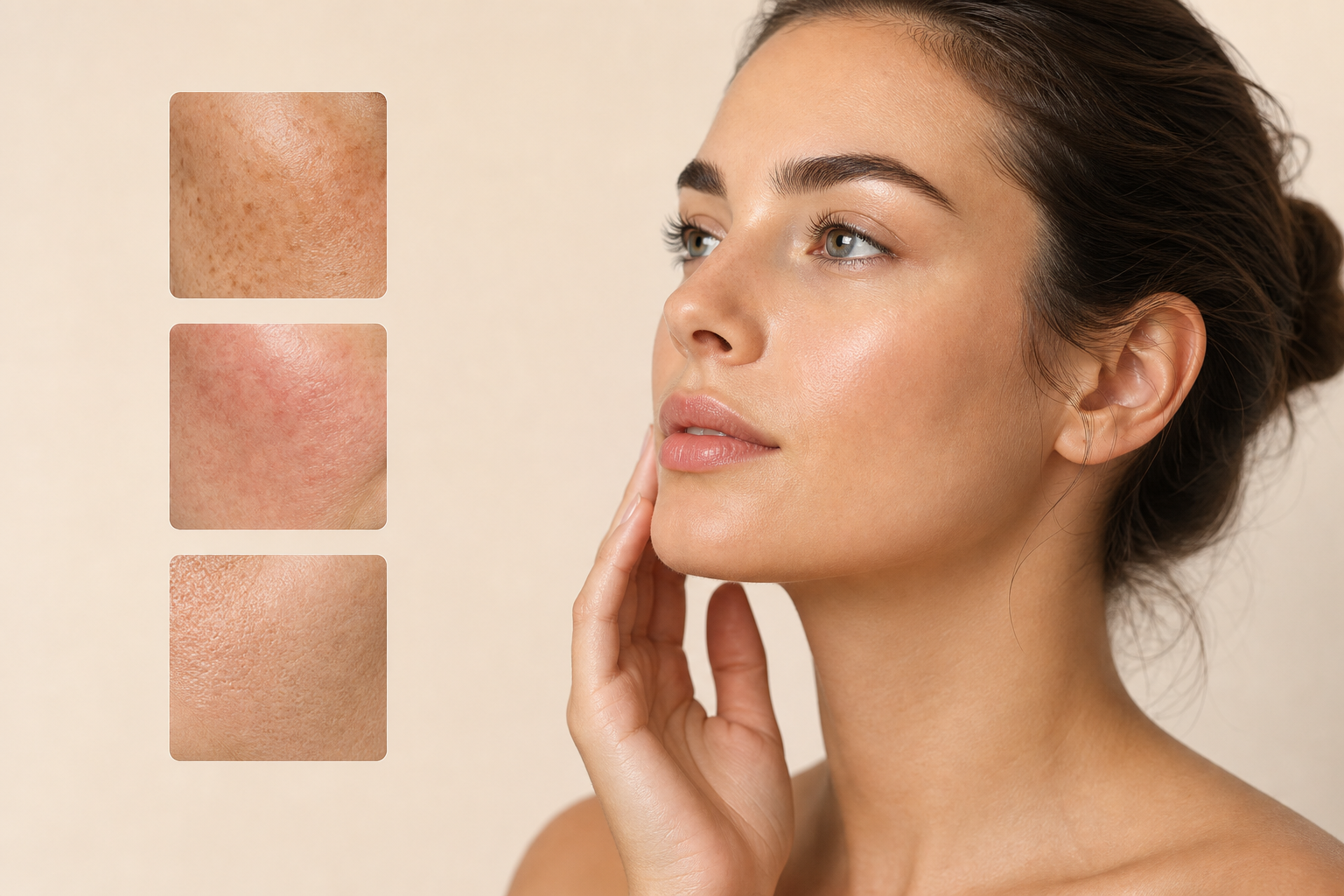
In the evolving landscape of skin care and anti-aging therapies, Intense Pulsed Light (IPL) treatments emerge as a pivotal technology addressing common concerns such as pigmentation irregularities, redness, and uneven skin texture. For individuals seeking non-invasive approaches to rejuvenate their skin without resorting to aggressive measures, IPL offers a scientifically grounded option that emphasizes both efficacy and safety. Understanding the impacts of IPL on these specific skin issues is essential not only for prospective patients but also for clinicians aiming to deliver personalized and effective facial treatments.
This article is designed for those curious about how IPL functions within the realm of anti-aging facial care, particularly in enhancing skin’s aesthetic qualities while mitigating signs of chronological and environmental aging. Whether you are grappling with sunspots, persistent redness due to vascular conditions, or the roughness that accompanies diminished skin elasticity, gaining clarity on IPL’s applications, benefits, and constraints is vital. Furthermore, comprehending when to engage with a qualified specialist can optimize treatment outcomes and prevent complications.
By delving into the mechanisms by which IPL affects pigmentation, vascular abnormalities, and the microscopic structure of skin, we provide an insightful guide tailored to informed decision-making. This comprehensive exploration ensures that individuals considering IPL treatments can approach their skin health journey equipped with realistic expectations and an appreciation for this technology’s nuanced role in modern skin care.
What Exactly Is IPL and How Does It Work on Skin Concerns?
Intense Pulsed Light (IPL) therapy should not be confused with laser treatments, despite superficial similarities. IPL emits a broad spectrum of light wavelengths unlike lasers, which deliver a single, coherent wavelength. This versatility allows IPL to target diverse chromophores in the skin—primarily melanin responsible for pigmentation and hemoglobin in blood vessels associated with redness.
The underlying principle involves selective photothermolysis, where controlled pulses of light are absorbed preferentially by the intended target structures. Upon absorption, the light energy converts to heat, causing fragmentation of pigmented lesions or coagulation of dilated blood vessels without damaging the surrounding tissue. For skin texture, IPL’s influence on deeper dermal layers stimulates fibroblast activity, thus promoting the production of collagen and elastin, proteins integral to skin firmness and smoothness.
Practically, the procedure involves applying a transparent conductive gel to the treatment area, enhancing light transmission and patient comfort. The IPL device is then methodically applied across the face, customizing the intensity and wavelength filters depending on the problem addressed and the patient's skin type. Sessions are typically brief, and while some warmth or mild tingling might be felt, the process remains largely tolerable.
Who Can Benefit from IPL Treatment Targeting Pigmentation?
Pigmentation anomalies such as sun damage spots, age-related lentigines, melasma, and post-inflammatory hyperpigmentation represent common cosmetic concerns effectively addressed by IPL. Ideal candidates are individuals whose skin pigment irregularities are superficial to moderately deep, without underlying malignant changes.
IPL's targeted light energy breaks apart clusters of melanin, facilitating natural clearance by immune cells. As a result, the complexion appears more uniform and refreshed. However, not all pigmentary conditions respond equally. Deep dermal pigmentations or those linked to hormonal imbalances may require adjunctive therapies or different modalities.
It is also worth noting that individuals with lighter skin types generally experience more predictable outcomes and lower risk of adverse effects related to pigment disruption. Those with darker skin tones must approach IPL cautiously due to increased vulnerability to post-inflammatory hyperpigmentation or hypopigmentation, necessitating expert evaluation and parameter adjustments.
How Does IPL Address Facial Redness and Vascular Irregularities?
Persistent facial redness may stem from a variety of causes including rosacea, spider veins (telangiectasias), or capillary dilation from chronic inflammation. IPL's capacity to absorb hemoglobin allows it to effectively target these vascular structures beneath the skin’s surface, causing them to contract and gradually diminish in visibility.
Repeated sessions can significantly reduce diffuse redness and improve skin tone uniformity, enhancing both aesthetic appearance and patient comfort. Importantly, this treatment modulates vascular activity without resorting to ablative methods, thus minimizing downtime.
Safety considerations here are paramount, as inappropriate treatment settings or inexperienced application could exacerbate redness or induce unwanted side effects such as bruising. Thus, treatment should always be administered by trained professionals who can calibrate the device to an individual’s distinct vascular presentation.
What Impact Does IPL Have on Skin Texture in Anti-Aging Regimens?
Skin texture degradation, typified by roughness, enlarged pores, and fine lines, is a hallmark of aging and photodamage. IPL’s broader photorejuvenation capacity comes from its stimulation of collagen remodeling pathways within the dermis.
The controlled photothermal effect induces a healing response that encourages fibroblasts to synthesize new collagen and elastin fibers. This process leads to firmer, smoother skin with improved elasticity over time. Unlike more invasive resurfacing techniques, IPL’s non-ablative nature spares the epidermis, allowing quicker recovery and suitability for patients seeking subtle rejuvenation.
Patients often observe incremental improvements with each session, noting enhanced skin softness, brightness, and reduction in superficial wrinkling, making IPL a cornerstone in comprehensive anti-aging facial protocols.
What Are the Limitations and Risks Associated with IPL Therapies?
While IPL is generally well-tolerated and versatile, it is not devoid of limitations or risks. Treatment is contraindicated for individuals with certain skin infections, photosensitive disorders, or those on medications increasing photosensitivity. Pregnant individuals are generally advised against IPL as a precaution.
Furthermore, IPL does not effectively address deeply entrenched scars or profound rhytides, which may necessitate more invasive interventions such as laser resurfacing or injectables.
Side effects—though uncommon—may include temporary redness, swelling, pigmentary changes, or blistering if performed improperly. Moreover, the requirement for multiple sessions spaced over weeks to months underlines the necessity for patient commitment and realistic expectations.
When Should One Consult a Specialist Before Undergoing IPL?
Engaging a dermatologist or an aesthetic specialist before pursuing IPL treatments is critical. Professional consultation ensures that your skin type, medical history, and cosmetic objectives align with IPL’s appropriateness. Specialists conduct thorough skin assessments, identify contraindications, and tailor treatment plans accordingly.
Moreover, combining IPL with complementary anti-aging methodologies, including LED phototherapy, chemical peels, or microneedling, is best orchestrated under expert guidance. This multidisciplinary approach maximizes therapeutic benefits while minimizing risks.
What Can Patients Expect During and After IPL Procedures?
A typical IPL session lasts between 20 to 40 minutes, depending on treatment area size and desired intensity. Patients experience mild warmth or a snapping sensation as pulses are delivered. Immediately after, transient redness or slight swelling may occur but generally subsides within hours to a day.
Following treatment, diligent sun protection using high SPF sunscreens and skin hydration are imperative to safeguard and prolong results. Visible improvements tend to develop gradually, with collagen remodeling and pigment clearance becoming more apparent after multiple sessions.
How Does IPL Integrate with Broader Anti-Aging Facial Therapies?
IPL harmonizes well with other skin rejuvenation techniques, forming part of a holistic anti-aging regimen. For example, combining IPL with LED therapy enhances cellular regeneration and inflammation reduction, while adjunctive chemical peels help remove superficial dead skin layers, improving light penetration and efficacy.
Such integrative protocols require strategic planning by experienced clinicians to avoid treatment overlaps and optimize skin recovery intervals, ultimately culminating in more natural and durable skin rejuvenation.


