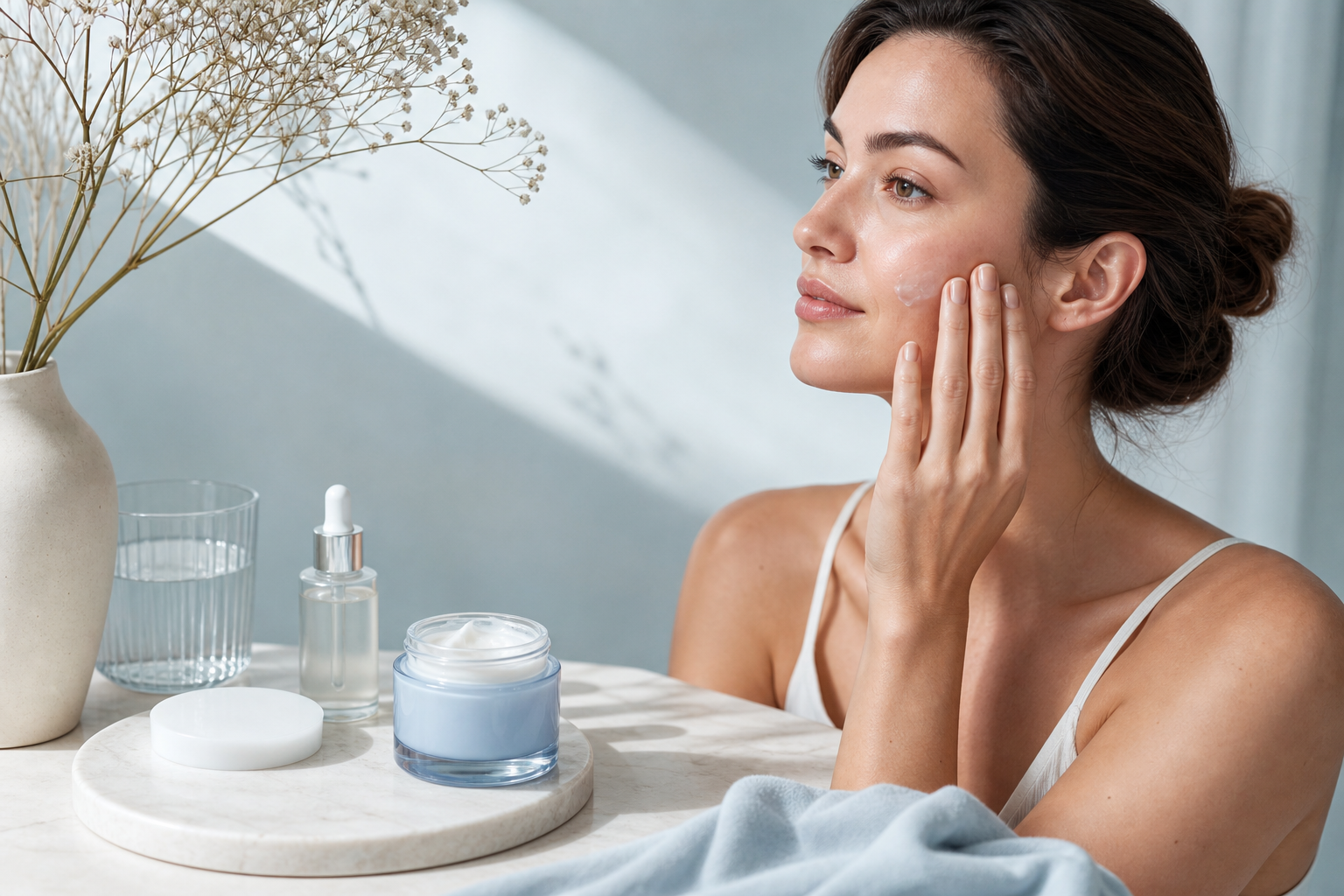
Dehydrated skin is a common yet often misunderstood condition that affects individuals across various skin types and ages. Unlike dry skin, which lacks oil, dehydrated skin suffers from a lack of water in the deeper layers of the epidermis, manifesting as tightness, dullness, and sensitivity. A carefully crafted morning skincare routine specifically designed for dehydrated skin is indispensable in restoring moisture balance, reinforcing the skin's natural barrier, and providing crucial protection against environmental aggressors encountered throughout the day.
This article serves as an essential guide for anyone experiencing symptoms of skin dehydration or seeking to optimize their skincare regimen for enhanced hydration. Whether you grapple with visible dryness, subtle flakiness, or a compromised moisture barrier, implementing a strategic series of steps every morning can make a significant impact on your skin's health and appearance. Understanding the nature of dehydrated skin and how to nurture it is key to achieving a complexion that radiates vitality and resilience.
Importantly, a morning routine tailored for dehydrated skin goes beyond mere surface-level moisturizing. It involves a thoughtful selection of gentle yet effective cleansers, hydrating serums, emollient creams, and broad-spectrum sun protection, applied in a sequence that maximizes hydration retention and barrier support. This routine not only refreshes skin after the overnight phase but also fortifies it against daily stressors like pollution, ultraviolet rays, and climatic variations. Our exploration will provide you with actionable advice to empower your morning ritual, backed by dermatological insights and practical tips.
Understanding Dehydrated Skin: Symptoms and Morning Challenges
Dehydrated skin signals an internal water deficiency within the skin’s layers, distinct from dry skin's lipid depletion. This condition can present in anyone, irrespective of skin type, and is often exacerbated by lifestyle factors, environmental exposure, or insufficient skincare. Recognizing dehydrated skin is the cornerstone for adapting a morning routine that addresses its unique needs.
Upon waking, individuals with dehydrated skin often notice pronounced tightness, fine flaking, and a lackluster complexion. These symptoms arise because the skin’s natural reparative and moisturizing processes slow down overnight, particularly if the skin barrier is compromised. Moreover, the absence of protective hydration post-sleep leaves the skin vulnerable to the drying effects of morning rituals that involve cleansing and environmental contact.
Physiologically, dehydrated skin tends to exhibit enlarged pores, subtle inflammation, and early signs of fine lines due to diminished elasticity. This condition requires a considerate approach in the morning to replenish moisture without stripping the skin further. By correctly identifying these symptoms early, you can avoid exacerbating dehydration through harsh treatments or neglect.
Key Components of an Effective Morning Routine for Dehydrated Skin
An effective morning regimen for dehydrated skin consists of sequential steps that delicately cleanse, intensely hydrate, and comprehensively protect the skin. Each stage is crafted to respect the skin’s fragile balance and enhance moisture retention across the day.
Gentle Cleansing: The initial step involves using mild, non-stripping cleansers formulated as gels or milky emulsions. These agents remove impurities and overnight product residues without disrupting the skin's hydrating lipids or barrier proteins. Avoid cleansers containing sulfates or alcohols which can exacerbate dryness.
Toning and Preparation: Following cleansing, a hydrating toner or essence can rebalance the pH and precondition the skin to absorb moisturizers more effectively. Ingredients like glycerin, hyaluronic acid, and botanical extracts support this phase, priming the epidermis for subsequent hydration.
Targeted Hydration with Serums: Concentrated serums enriched with humectants such as hyaluronic acid and glycerin penetrate deeply to replenish water reservoirs. These formulations attract and bind moisture within the skin, addressing dehydration at its source.
Moisturizing and Barrier Reinforcement: A light yet nourishing moisturizer containing ceramides, panthenol, and emollients seals in the hydration, creating a protective film against environmental moisture loss. Consistency in applying this layer is crucial for long-term barrier restoration.
Sun Protection: The final step involves broad-spectrum sunscreen with suitable SPF to shield vulnerable, dehydrated skin from ultraviolet radiation, a notable contributor to moisture evaporation and premature aging.
Choosing Products That Support and Restore Hydration
Selecting appropriate skincare products for dehydrated skin hinges on understanding ingredient efficacy and formulation gentleness. Seek out products featuring key hydrating agents like hyaluronic acid that acts as a moisture magnet, ceramides that rebuild the lipid barrier, and panthenol which soothes inflammation.
Avoid components known to aggravate dehydration such as denatured alcohol, fragrance, and harsh exfoliants. Instead, favor formulations rich in antioxidants, such as vitamin C and E, to combat oxidative stress and support skin health. Lightweight textures generally offer superior absorption without clogging pores, making them ideal for morning application.
Patch testing new products before full application is advisable, especially for sensitive, dehydrated skin, to prevent irritation. Furthermore, labeling such as "non-comedogenic," "hypoallergenic," and "dermatologist-tested" can be indicators of suitability.
How a Well-Designed Morning Routine Impacts Skin Health Over Time
When adhered to consistently, a thoughtfully structured morning routine significantly contributes to restoring and maintaining skin hydration and resilience. Replenishing water content reduces fine lines, improves texture, and enhances elasticity. The reestablished barrier function reduces transepidermal water loss—crucial for sustained moisture balance.
Moreover, daily protection against external aggressors mitigates inflammation and oxidative damage that accelerate skin aging. With time, the skin not only appears visibly plumper and more radiant but also demonstrates improved tolerance to environmental fluctuations.
This gradual progress underlines the importance of patience and routine regularity. Skin rejuvenation is a layered process supported by combining home care with appropriate dietary and lifestyle adjustments.
Identifying When to Seek Dermatological Advice for Dehydrated Skin
If, despite a diligently followed morning and evening skincare regimen, dehydration symptoms persist or worsen—manifesting as persistent redness, peeling, sensitivity, or discomfort—a professional dermatological consultation becomes prudent. Specialists can assess underlying conditions like eczema or psoriasis that may mimic or exacerbate dehydration.
Dermatologists can offer tailored treatment plans, including prescription emollients, medicated creams, or in-office therapies such as mesotherapy and mild chemical peels adapted for sensitive skin. Such interventions can accelerate barrier restoration and normalize skin hydration when home care is insufficient.
Practices to Avoid in the Morning for Dehydrated Skin
Certain common morning practices can unwittingly aggravate skin dehydration. For example, washing the face with hot water or aggressive cleansing products strips essential oils and damages the natural skin barrier. Mechanical or chemical exfoliation should be limited and performed cautiously, as over-exfoliating aggravates sensitivity and dryness.
Heavy, occlusive creams may trap heat and clog pores, leading to discomfort or breakouts in combination with dehydration. Neglecting sunscreen leaves fragile skin exposed to UV damage that worsens dehydration and accelerates aging.
Understanding what to omit is equally critical to optimizing your morning routine’s efficacy and ensuring skin comfort throughout the day.
The Optimal Sequence of Skincare Product Application for Maximizing Hydration
The order in which skincare products are applied directly influences their performance. Begin with cleansing to create a clean canvas. Follow immediately with a hydrating toner or essence to restore pH and add preliminary moisture. Then, apply serums that deliver potent hydrators and actives while skin is still receptive.
Next, layer a moisturizer that locks in these ingredients and enhances barrier integrity. The final product, sunscreen, should be applied last as a protective shield against ultraviolet and infrared radiation. This sequence supports maximum penetration, moisture retention, and daily protection vital for dehydrated skin.
Integrating Morning and Evening Routines for Comprehensive Hydration Management
A morning skincare routine for dehydrated skin functions best when harmonized with an evening regimen tailored for overnight repair. While morning care focuses on protection and moisture locking, evening treatments prioritize gentle cleansing, rehydration, and skin barrier restoration.
Evening formulas might include richer creams, soothing masks, or repair serums to bolster recovery. Together, these complementary routines form a 24-hour care system enhancing skin hydration and health organically.
Realistic Expectations: What a Morning Skincare Routine Can and Cannot Achieve
It is essential to approach your morning skincare routine with realistic expectations. While consistent care can considerably improve hydration levels, skin texture, and appearance, it is not an immediate fix for deep or chronic skin conditions. Hydration and barrier repair are cumulative and gradual processes influenced by internal and external factors.
Optimal results depend on synergy between topical care, nutrition, hydration, sleep quality, and stress management. Thus, patience and persistence, combined with informed lifestyle choices, are the cornerstones for meaningful skin transformation.


