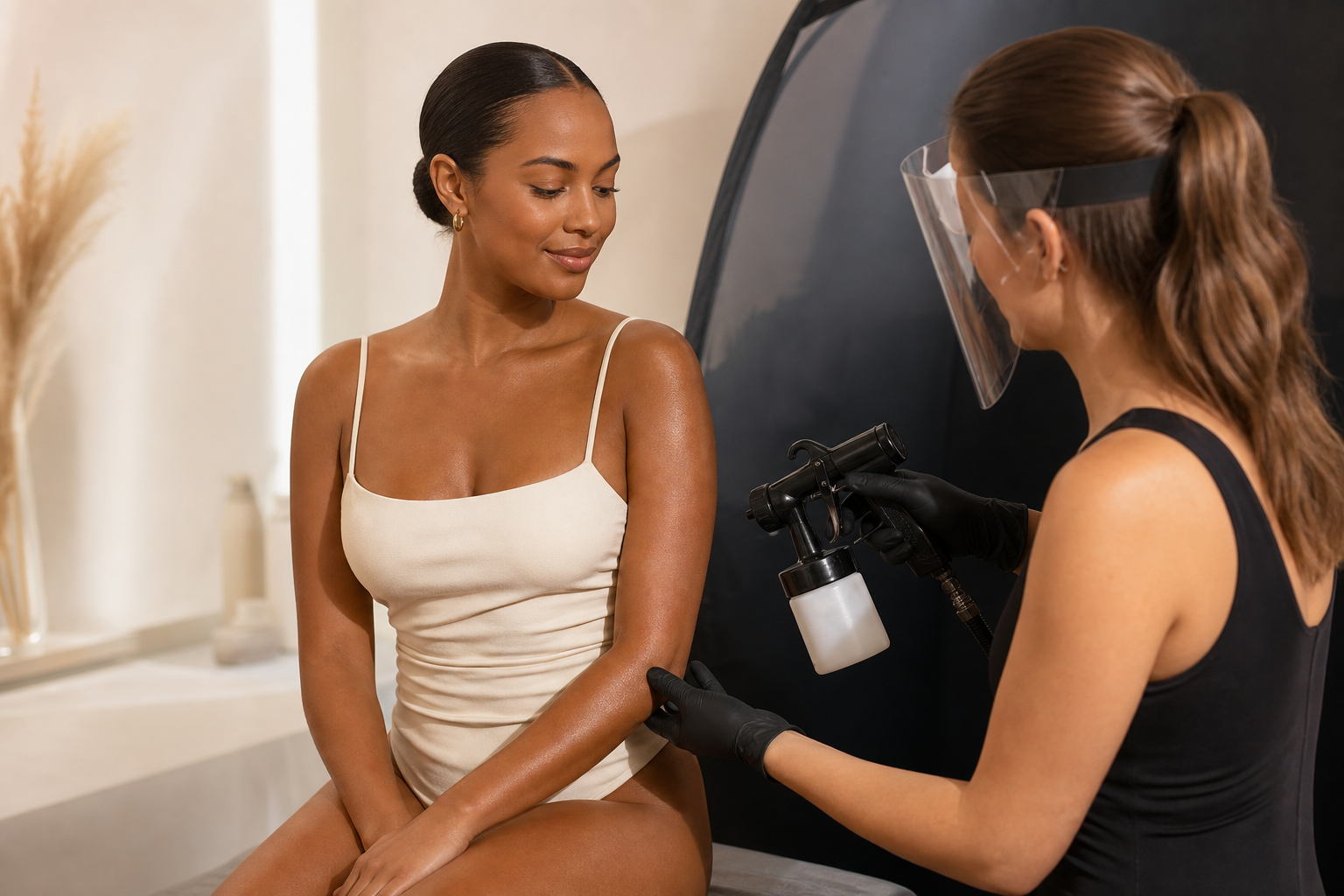
Spray tanning has surged in popularity as a safe and effective alternative to traditional sunbathing, offering a desirable bronzed glow without exposing skin to harmful ultraviolet (UV) rays. But beyond the immediate aesthetic appeal, one vital question remains at the forefront for many seeking a flawless sun-kissed look: how long does a spray tan last, and what strategies can help maintain its radiance? This comprehensive inquiry is essential for anyone contemplating a spray tan, from first-timers aiming for a special occasion glow to those who rely on this method for year-round luminosity.
Understanding the longevity of a spray tan and the nuances of its maintenance can greatly enhance the experience, ensuring the bronze tone stays fresh and even as long as possible. The topic deserves detailed exploration because the durability and appearance of spray tans are influenced by various skin-related factors, product choices, and daily habits. Moreover, proper aftercare not only preserves the aesthetic but also protects skin health, balancing beauty with wellbeing.
In this article, we embark on a thorough examination of spray tan longevity, from the biochemical processes involved in color development to the external influences that accelerate fading. We'll target key questions such as the ideal timing for the first shower post-treatment, the role of moisturisation, interactions with swimming and exercise, and practical tips for extending the stunning sunless tan. For discerning readers interested in smart skin care and confident, continuous glow, this piece delivers precise, authoritative guidance.
What Determines How Long a Spray Tan Lasts?
The persistence of a spray tan hinges on a mosaic of factors, primarily the individual’s skin type, the spray tan product used, and their skin care practices post-application. Fundamentally, spray tans rely on dihydroxyacetone (DHA), a colorless sugar that reacts with the amino acids in the skin's outermost layer (stratum corneum) to produce a browning effect. Since this layer naturally sheds dead skin cells, the tan's endurance is essentially limited to the life cycle of the epidermis, typically about a week.
Skin characteristics play a crucial role: oily or thicker skin tends to hold onto the tan longer due to slower exfoliation rates, while dry or sensitive skin can cause quicker fading as flakes detach. The product’s formulation also matters; higher DHA concentrations can deepen and prolong the tan, but must be balanced with moisturizing agents to avoid streaks or uneven tone.
Beyond intrinsic factors, lifestyle choices influence spray tan longevity. Frequent washing with harsh soaps, excessive exfoliation, exposure to chlorinated pools or saltwater, and vigorous exercise can all catalyze the tan’s breakdown. Recognizing these influences empowers users to tailor their habits and select appropriate spray tan types that align with their skin and routine.
How Does Spray Tan Colour Develop During the First Hours?
Right after the application, spray tan color is initially light and patchy as the DHA begins to react with the skin. This chemical reaction is gradual and can take anywhere from 6 to 12 hours to fully mature, developing into the natural-looking bronze shade desired.
During this initial phase, the skin’s surface is particularly vulnerable. Moisture such as water, sweat, or even humidity can interfere with the reaction, potentially causing unevenness or lighter patches if the skin is wetted too soon. Therefore, it’s important to avoid showering, intense physical activity, or swimming immediately after the treatment to allow the color to fix properly.
This period is crucial for achieving an even, vibrant tan, underscoring the need for cautious care right after the session. Many professional spray tan technicians advise waiting at least 8 to 12 hours before wetting the skin to optimize the color development.
When Should You Take the First Shower After a Spray Tan?
The timing of the first shower post-spray tan is pivotal to preserving and enhancing the final color. Taking a shower too early—before the DHA has fully reacted with skin proteins—risks washing away the developing pigment, leading to patchy or faded results.
Experts generally recommend waiting a minimum of 8 hours following the spray tan, with many suggesting 10 to 12 hours for optimal effect. Ideally, showering should be done using lukewarm water, avoiding hot water that may strip oils and accelerate tan loss. Gentle, sulfate-free body cleansers are preferable, and scrubbing or using abrasive washcloths should be avoided.
After showering, the skin should be patted dry softly to minimize friction. This timing strategy helps lock in the spray tan color and sets the foundation for a long-lasting, natural appearance.
How to Keep Skin Moisturised After a Spray Tan
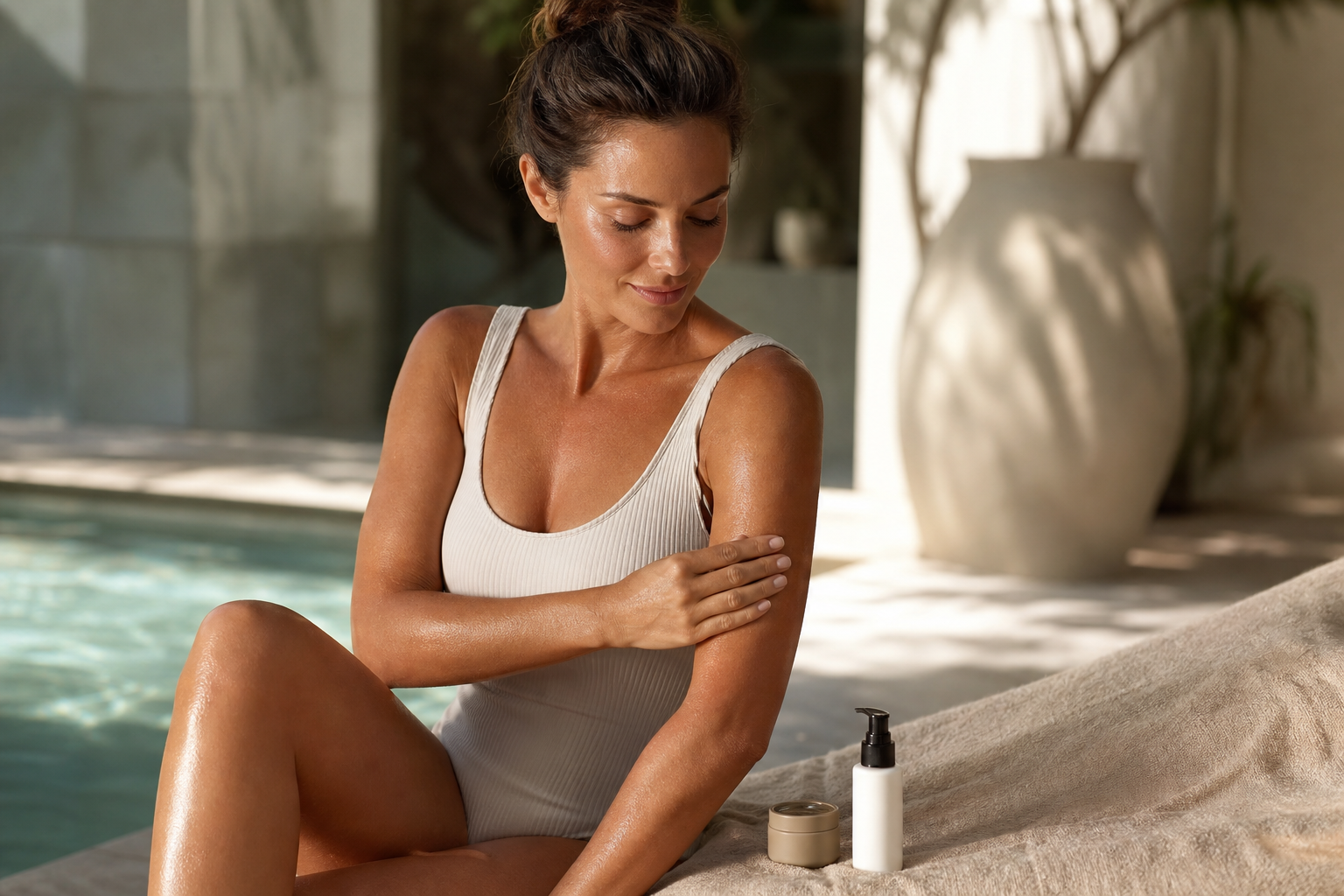
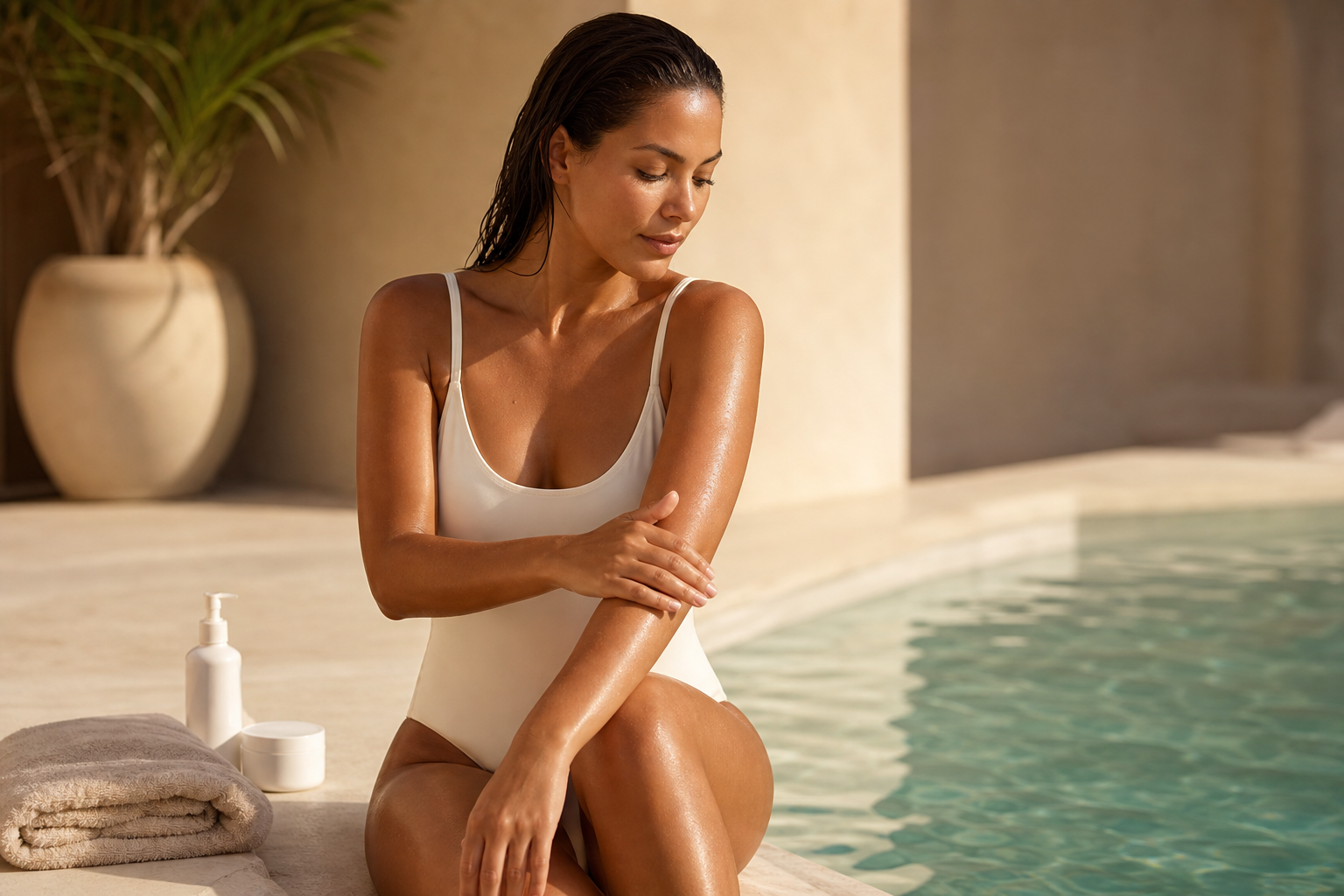
Hydration is a cornerstone of maintaining a vibrant spray tan. Dry skin exfoliates faster, shedding the outer cells that hold the DHA-induced pigment, leading to quicker fade and uneven color patches. Therefore, regular moisturisation replenishes skin moisture, slows exfoliation, and sustains the tan’s radiance.
Choosing nourishing, fragrance-free lotions or creams formulated for sensitive skin can prevent irritation while enhancing hydration. Ingredients like glycerin, hyaluronic acid, and natural oils support moisture retention without compromising the tan. Moisturiser application is most effective immediately after bathing, when the skin is slightly damp, helping to seal in moisture.
Additionally, staying well-hydrated by drinking sufficient water supports the skin’s health from within, which indirectly contributes to the longevity and quality of spray tans.
Which Products Can Accelerate Uneven Spray Tan Fading?
Certain skincare products can inadvertently shorten the lifespan of a spray tan or cause uneven color degradation. In particular, items containing exfoliants such as alpha hydroxy acids (AHAs), beta hydroxy acids (BHAs), or salicylic acid actively dissolve dead skin cells, accelerating tan removal.
Moreover, cleansers with harsh detergents or soaps—including sulfates—and products with high alcohol content tend to dry the skin aggressively, disrupting the tan’s adherence to the skin well before its natural shedding timeline.
Fragranced lotions or deodorants with strong chemicals can also irritate the skin and contribute to patchy fading. To maintain evenness and duration, it’s prudent to use gentle, nourishing products specifically designed or recommended for spray tan care.
Swimming, Sea and Pool: How Do They Affect a Spray Tan?
Water activities, while enjoyable, pose significant challenges to maintaining spray tan results. Chlorinated pools and saltwater expose the skin to chemicals and elements that can strip moisture and speed up dead skin cell shedding, thus fading the tan prematurely.
Salt from the sea is a natural exfoliant, and chlorine acts as a drying agent, both of which compromise the tan’s integrity by promoting peeling and color loss. Extended immersion or repeated swimming sessions can substantially shorten the lifespan of your spray tan.
If swimming is unavoidable, it is advisable to rinse with fresh water afterward and immediately apply a hydrating moisturizer to counteract drying effects. Some opt for protective barriers, such as specialized waterproof moisturizers, before entering the water, though their efficacy varies.
Can Exercise and Sweating Shorten a Spray Tan?
Physical exercise leading to sweating can adversely affect spray tan durability through both chemical and mechanical routes. Sweat contains salts and moisture that may loosen the DHA pigment layer, while the friction from clothing and skin contact can physically abrade the tan.
For those committed to active lifestyles, it is beneficial to choose breathable, soft fabrics to reduce friction, shower promptly post-workout with skin-friendly cleansers, and rehydrate the skin consistently. These steps help minimize tan degradation associated with sweating and maintain an even tone.
How to Extend the Life of a Spray Tan Effectively
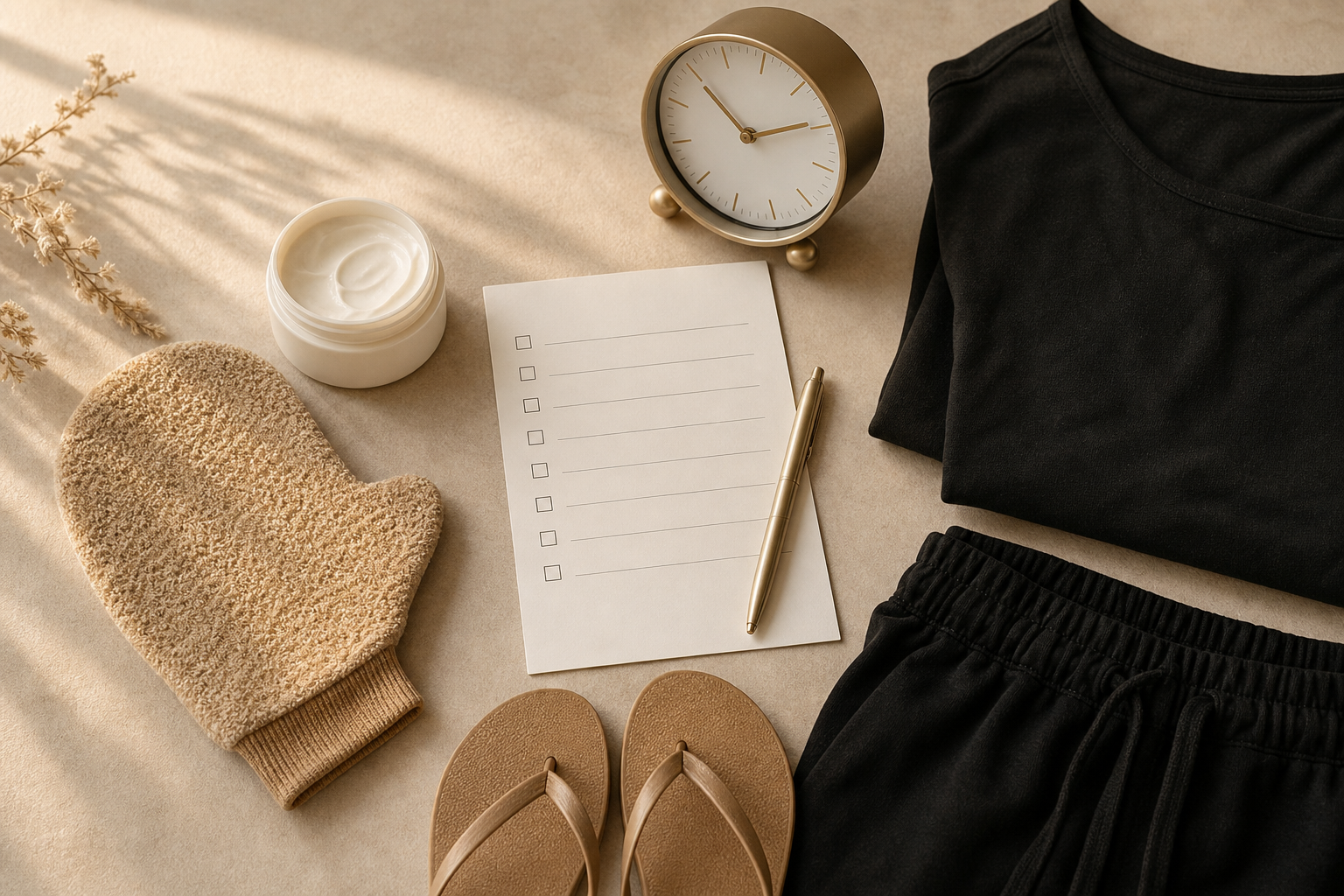
To maximize spray tan longevity, an integrated approach involving skin care, lifestyle adjustments, and informed product choice is essential. Key practices include:
- Delaying water exposure for at least 8-12 hours post-application to allow color development.
- Using mild, sulfate-free cleansers and lukewarm water when washing to preserve the tan.
- Hydrating skin daily with appropriate moisturizers to slow exfoliation.
- Minimizing hot showers, baths, or intense scrubbing.
- Avoiding prolonged exposure to chlorinated pools, saltwater, or excessive sweating without proper aftercare.
- Gently exfoliating only after the tan has naturally faded to prepare skin for the next application.
Additionally, many specialty products designed to sustain or refresh spray tans can be incorporated, such as gradual moisturizing tanning lotions that subtly deepen color without damage. Regular appointments aligned with your skin’s natural exfoliation cycle (usually every 7-10 days) help maintain consistent results.
What to Expect When Scheduling Your Next Spray Tan Appointment
Understanding the typical wear time of spray tans informs the optimal timing for reapplication to avoid visible fading or patchiness. Depending on skin type and habits, most spray tans last between 5 and 10 days. Scheduling sessions within this window ensures a continual, polished glow.
Before your next appointment, it's beneficial to gently exfoliate the skin 24 to 48 hours prior to eliminate remaining pigments and dead cells, allowing for smooth, even color application. Maintaining good hydration and skin condition between visits further enhances color uptake and duration.
Important Reminder: Spray Tan Does Not Replace Sunscreen
While spray tans provide a cosmetic bronzed effect, it is critical to remember that they do not offer protection against UV radiation from sunlight. The color produced is purely a surface-level pigment change without any barrier or defense mechanism against sun damage.
Appropriate sun protection remains essential; using broad-spectrum sunscreens with SPF 30 or higher, alongside protective clothing and hats, safeguards skin health and prevents premature aging or damage. Misconceptions that a spray tan functions as sunscreen can lead to sunburn and long-term skin issues.