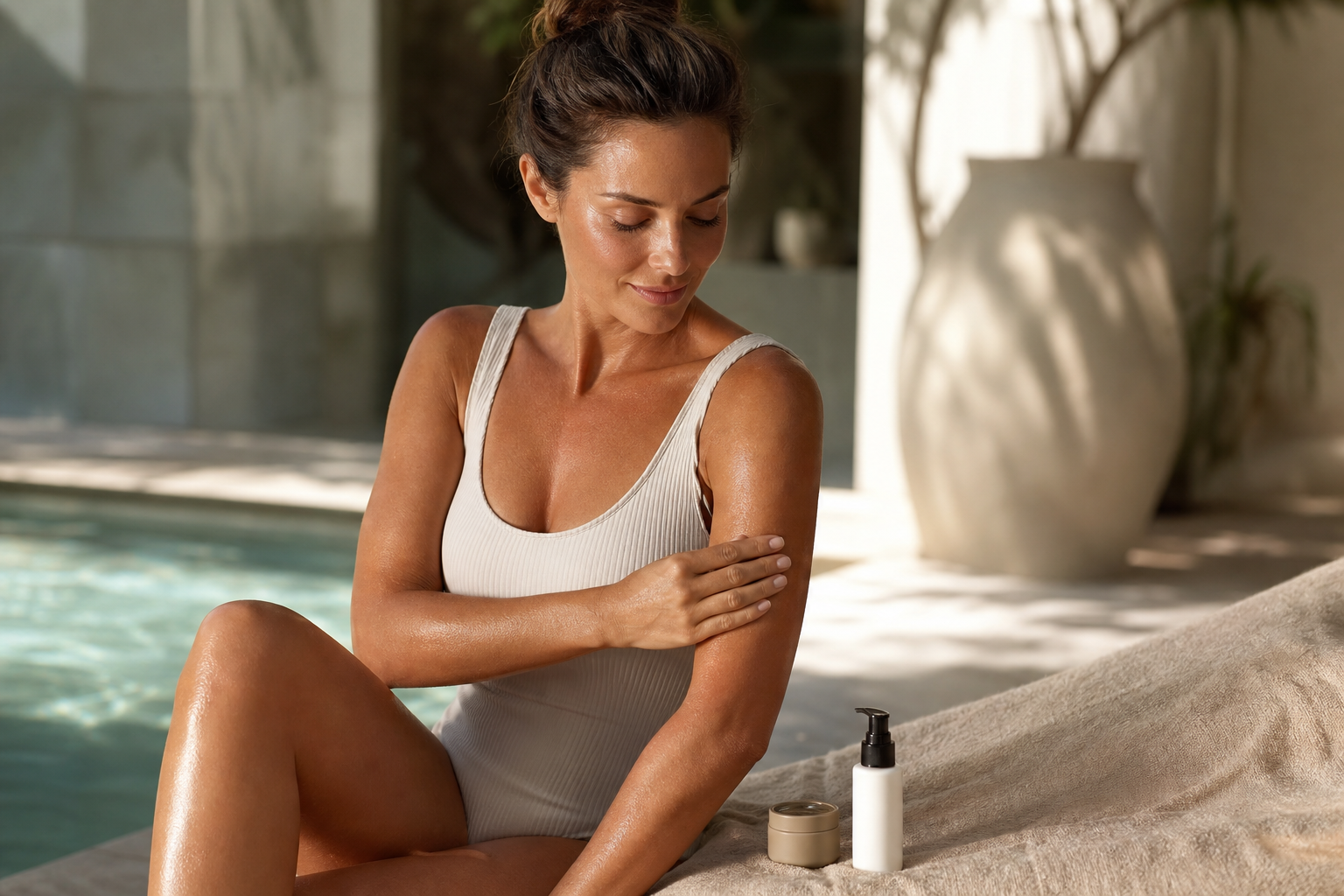
Spray tan has established itself as a favored method for achieving a sun-kissed glow without exposing the skin to harmful ultraviolet (UV) rays. This cosmetic technique offers a swift, even tan through the application of a specialized solution that interacts with the skin’s surface. However, one common concern that prospective and current users share is the duration of this artificially induced bronzed effect. Understanding what determines how long a spray tan lasts is essential for anyone aiming to maximize its aesthetic benefits and manage their expectations realistically.
This article is tailored for individuals considering spray tanning as a safe alternative to traditional sun tanning, as well as those who have recently undergone the treatment and desire practical guidance on maintaining their tan’s longevity. Given that spray tans provide no UV protection, the importance of continued sun protection cannot be overstated, a point emphasized herein alongside detailed advice on post-treatment care. Our discussion will cover the underlying mechanisms of spray tan, the pivotal factors influencing its durability, prepared insight into proper skin care routines before and after tanning, and how lifestyle choices impact the fading process.
Informed by current best practices and scientific understanding, this editorial endeavors to furnish readers with a comprehensive and nuanced perspective on spray tanning, steering clear of harsh skincare practices or unfounded claims. With thoughtful attention to skin physiology and cosmetic chemistry, this guide aims to empower readers to enjoy their enhanced glow responsibly and gracefully.
Understanding What a Spray Tan Is and How It Works
A spray tan is a cosmetic treatment in which a fine mist containing a tanning solution is evenly distributed across the body to produce an immediate and natural-looking tan without exposure to sunlight or UV lamps. The key active ingredient is dihydroxyacetone (DHA), a colorless sugar that reacts chemically with the amino acids present in the dead layer of the skin’s epidermis. This interaction generates a pigmentation effect akin to the Maillard reaction, producing melanoidin polymers that appear brown to the naked eye.
This pigment development happens exclusively on the skin’s surface and does not penetrate deeper layers, ensuring safety while providing a quickly visible result. Typically, the complete coloration effect unfolds over 24 to 48 hours following application, after which the tan gradually fades as the skin naturally exfoliates. Recognizing that spray tans are temporarily cosmetic rather than permanent alterations encourages realistic expectations and appropriate post-care to optimize the results.
Which Skin Types Tend to Retain Spray Tans Longer?
The longevity of a spray tan is influenced significantly by the individual's skin type and condition. The surface properties of the skin, including porosity, hydration level, and natural shedding rate, dictate how the DHA binds and sustains the tan.
Dry skin generally holds the spray tan longer because its thicker stratum corneum sheds more slowly, allowing the melanoidin pigments to remain visible for an extended period. In contrast, oily skin, which produces sebaceous secretions more abundantly, may experience a shorter duration due to faster renewal and the potential for the tan to break down unevenly with excess oils.
Moreover, skin with regular exfoliation routines or certain dermatological conditions affecting cell turnover can alter the fading timeline. Anyone seeking long-lasting spray tan effects should assess their skin characteristics and converse with tanning professionals to tailor treatments accordingly.
How Does Pre-Treatment Skin Preparation Impact Spray Tan Duration?
Proper skin preparation prior to a spray tan session is crucial for achieving an even application and prolonging the tan’s visibility. Exfoliation, which should ideally occur a day or two before the treatment, removes accumulated dead skin cells, oils, and impurities that could interfere with the solution’s uniform adherence.
Utilizing gentle, non-abrasive scrubs or chemical exfoliants ensures the skin surface is smooth and receptive without causing irritation. Aggressive scrubbing immediately before the session can render the skin sensitive and red, reducing the effectiveness of the tan.
On the day of the treatment, avoiding moisturizers, fragrances, deodorants, and makeup is advised, as these substances may create barriers preventing optimal DHA absorption. This preparatory diligence supports both the initial development and the sustained quality of the spray tan.
Why Timing Your First Shower After a Spray Tan Matters
An often overlooked but vital element in retaining a spray tan is delaying the first shower post-application. The DHA requires time to undergo the chemical reaction that produces the tan, typically needing at least 6 to 8 hours to develop fully.
Rushing to wash off the tanning solution prematurely can interrupt this process, leading to uneven color or diminished intensity. When it is time to shower, warm water and mild, sulfate-free cleansers should be used, avoiding vigorous scrubbing or exfoliating products.
This careful approach helps preserve the protective pigmented layer and extends the aesthetic duration of the tan. For those interested in detailed guidelines, internal resources elaborating on ideal post-application care are highly beneficial.
What Role Does Moisturization Play in Maintaining Spray Tan Color?
Hydrating the skin consistently after a spray tan is perhaps the single most effective factor in prolonging its appearance. Moisturized skin resists dryness and flakiness, common culprits that accelerate the fading process by prematurely shedding pigmented skin cells.
Choosing alcohol-free lotions or creams rich in emollients supports the epidermal barrier function while maintaining suppleness. Applying these moisturizers daily, especially after bathing, locks in hydration and reduces patchiness over time.
This ongoing care strategy is essential not only for sustaining the tan but also for overall skin health and comfort, minimizing irritation and promoting an even, natural glow.
How Do Everyday Products and Practices Influence Uneven Fading of Spray Tan?
Certain skincare products and habits can inadvertently hasten the deterioration of spray tan pigmentation or cause patchy fading. Harsh soaps containing sulfates, ingredients with high alcohol content, and abrasive exfoliants break down the pigmented surface layer rapidly.
Furthermore, incidental contact with disinfectants or wipes containing alcohol near tanned areas can degrade the tan unexpectedly. Similarly, fragrances and deodorants with active chemical agents may interact negatively with the tanning solution.
Being discerning about product choice, favoring gentle, hydrating formulations, and minimizing friction on tanned skin can mitigate these adverse effects and sustain a more uniform tan.
In What Ways Do Swimming, Sea Water, and Chlorinated Pools Affect Spray Tans?
Frequent exposure to water, especially chlorinated or salty sea water, is a known accelerator of spray tan fading. Chlorine, widely used in pools, possesses strong oxidative properties that can break down the melanoidin pigments, causing them to lighten prematurely.
Salt water is similarly dehydrating, stripping moisture from the skin and promoting faster exfoliation. Combined with the constant physical movement in water, these factors elevate the speed at which a spray tan dissipates.
For those planning aquatic activities after a spray tan, pre-application of protective barrier creams and meticulous post-swim moisturization are recommended strategies to extend the tan’s lifespan. Comprehensive insights specifically addressing this issue enhance practical understanding for frequent swimmers.
What Are Realistic Expectations for Spray Tan Duration?
Considering the intrinsic properties of spray tan and the skin’s natural renewal cycle, the tan’s durability typically ranges from 5 to 10 days under optimal conditions. Factors such as skin type, lifestyle, and maintenance protocols heavily influence this timeframe.
It is important to comprehend that spray tanning is a semi-permanent cosmetic enhancement rather than a lasting skin color change; thus, gradual fading is natural and expected. Acceptance of this gradual transition encourages a more satisfying experience and facilitates planning for re-application if desired.
Resources that examine the interaction between treatment variables and fading patterns provide valuable perspectives for users aiming to align expectations with reality.


