Cellulite, a common and often distressing concern for many individuals, particularly women, refers to the dimpled and uneven skin texture commonly described as resembling an orange peel. Despite its prevalence, cellulite remains a complex condition rooted in the microstructure of subcutaneous fat and connective tissue rather than merely excess fat or loose skin. This editorial delves into the intricate causes of cellulite, exploring why it predominantly affects women, and lays out a comprehensive framework of its types and stages. Furthermore, it provides a detailed overview of effective treatment modalities, from professional interventions to at-home care, and discusses realistic expectations for those seeking smoother, more even skin texture through body care practices.
The significance of understanding cellulite extends beyond aesthetics. It involves grasping the physiological interplay between fat deposits, connective tissue, hormonal influences, circulation, and lifestyle factors. Such knowledge is crucial for anyone looking to approach cellulite reduction with scientifically grounded strategies rather than unfounded remedies. Whether you are someone beginning your journey to comprehend cellulite or a professional guiding clients through treatment options, this editorial aims to offer clarity and authoritative insight into this often misunderstood condition.
In the following sections, we will dissect what cellulite truly represents, distinguish it from similar concerns such as localized fat deposits and skin laxity, and explore how genetics and hormones influence its appearance. We will also examine the varieties of cellulite and their specific characteristics, followed by a methodical presentation of both clinical and home-based treatment options, emphasizing the importance of informed expectations and safe practices in body care.
Understanding Cellulite: What It Is and How It Forms
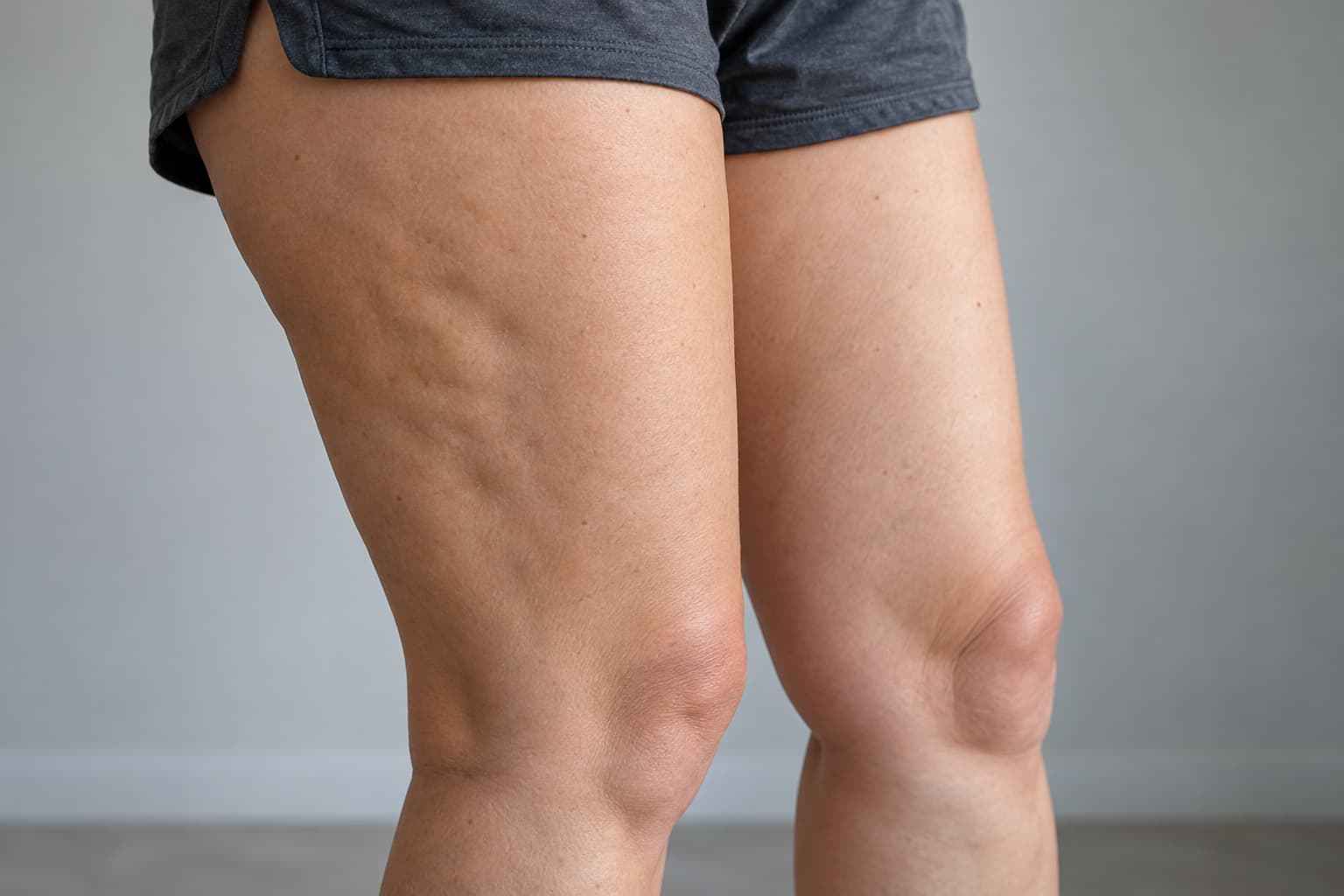
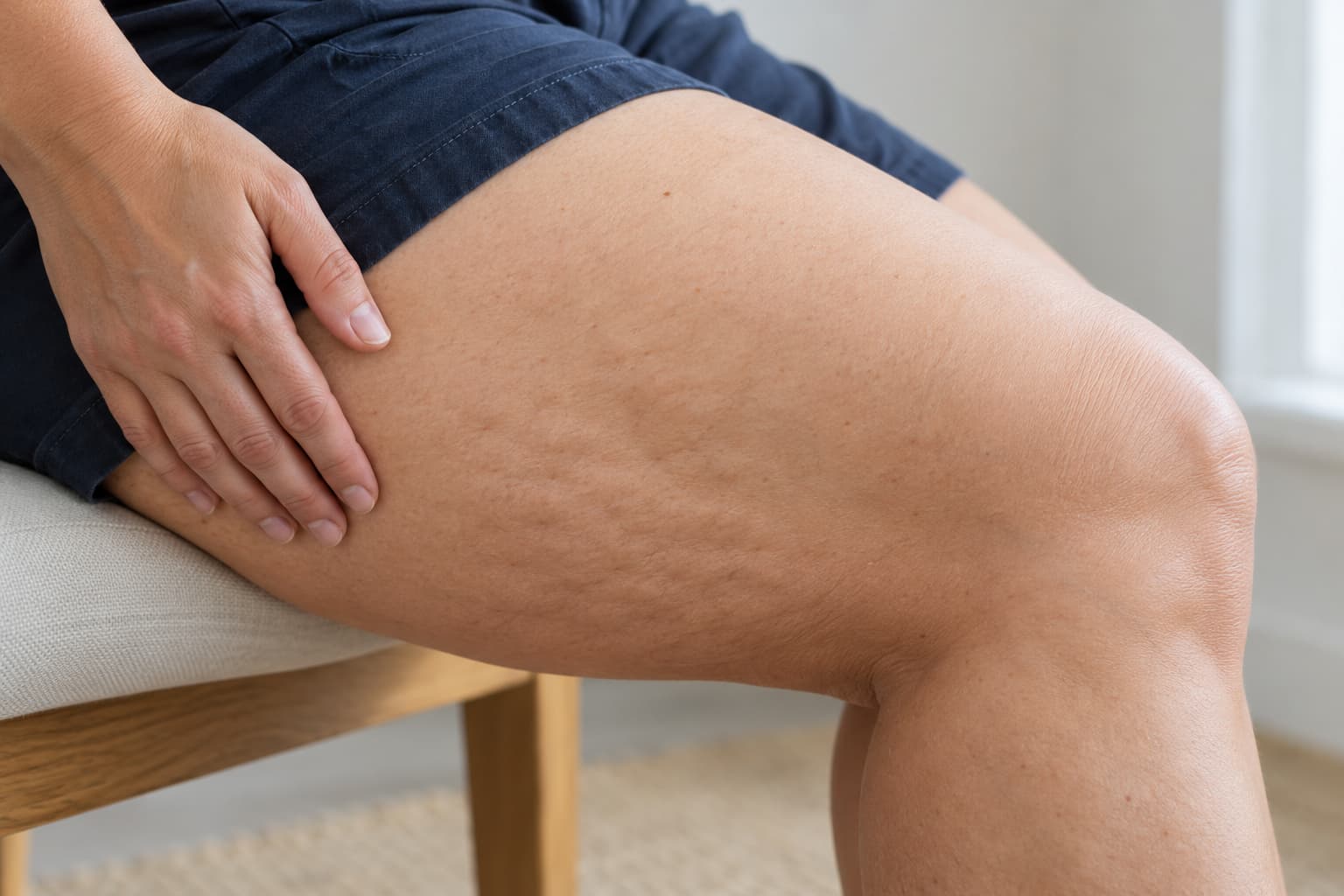
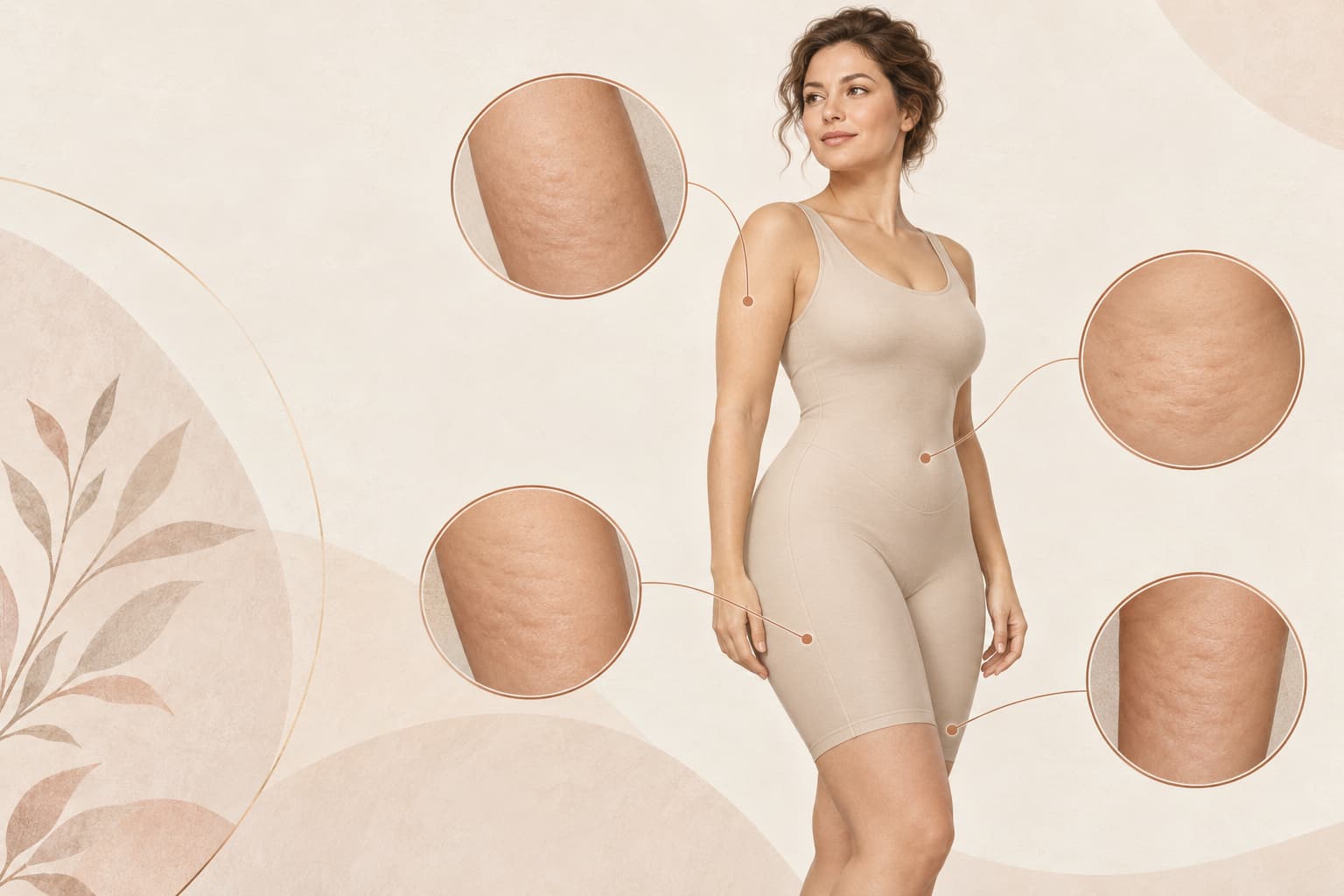
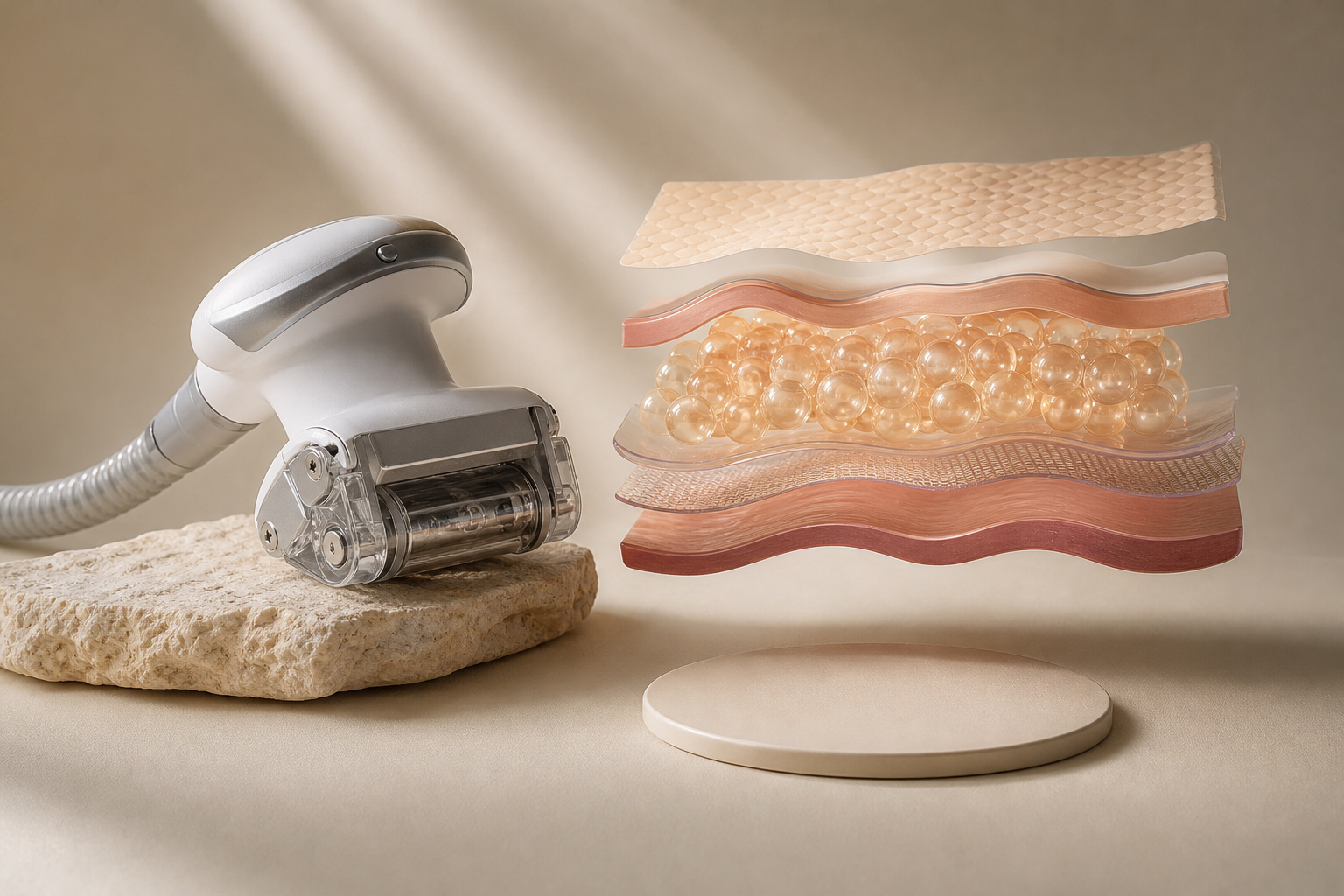
Cellulite is a structural alteration in the architecture of subcutaneous fat occurring primarily due to changes in the size, shape, and arrangement of fat cells and the connective tissue network that surrounds them. Rather than a condition caused solely by excess fat, cellulite arises when fibrous septae – the bands of connective tissue tethering the skin to underlying muscle – tighten or become irregular, while fat cells expand and push upward. This interplay results in the characteristic undulations visible on the skin surface.
This phenomenon most frequently manifests on the thighs, buttocks, abdomen, and hips, areas prone to fat storage and with specific connective tissue characteristics. Importantly, cellulite is influenced by the quality and integrity of elastin and collagen fibers in the dermis and subdermis, elements critical for skin firmness and resilience. A compromised connective tissue matrix, poor microcirculation, and impaired lymphatic drainage contribute to the formation and progression of cellulite.
It is essential to clarify that cellulite differs distinctly from other body contouring issues like localized fat deposits, which refer to accumulations of fat that can often be diminished through weight loss and exercise; loose skin, which results from reduced skin elasticity usually linked to aging or rapid weight changes; edema, involving fluid retention and swelling; and lipedema, a chronic disorder characterized by abnormal fat distribution and tenderness. Cellulite’s hallmark is its textural irregularity, tied specifically to the microanatomy of fat and connective tissues rather than overall body fat volume.
Why Is Cellulite More Common Among Women?
The predominance of cellulite in women compared to men is a fascinating reflection of biological and hormonal differences as well as variations in tissue structure. One of the fundamental reasons lies in the orientation and organization of connective tissue fibers. In women, fibrous septae are arranged in a vertical manner, creating compartments where fat cells can herniate upward towards the skin’s surface, resulting in the peel-like appearance. In contrast, male connective tissues have a crisscross pattern, which tends to secure fat cells more effectively and prevents such protrusions.
Hormonal dynamics play a pivotal role in cellulite development. Estrogen, the primary female sex hormone, influences fat distribution patterns and connective tissue characteristics. It promotes fat accumulation in areas commonly affected by cellulite and can reduce collagen production, weakening connective tissue structure. Periods of hormonal fluctuation — such as puberty, pregnancy, and menopause — often correlate with the onset or worsening of cellulite due to elevated estrogen effects.
Genetic predisposition heavily dictates cellulite severity and susceptibility. Genetic factors encompass skin thickness, connective tissue density, fat distribution, and metabolic factors. These inherited traits can determine how early cellulite appears and how prominently it manifests despite body weight or lifestyle.
Types and Grades of Cellulite: How to Identify Them
Assessing the appearance and firmness of the skin, the presence of swelling, and the visibility of dimples helps a qualified professional identify the dominant characteristics of cellulite and recommend an appropriate combination of treatments.
The division into soft, hard, and edematous cellulite is frequently used in aesthetic practice, although it is not a universally accepted medical classification. The same person may display characteristics of more than one type.
Soft Cellulite
Soft cellulite is most commonly associated with reduced firmness of the skin and connective tissue. The dimpling is usually spread across a wider area, the tissue feels softer to the touch, and the appearance of the skin may change depending on body position and movement.
It is often visible on the thighs, buttocks, abdomen, and upper arms, particularly following significant changes in body weight or as the skin naturally loses firmness with age.
Treatments for this type of cellulite generally focus on improving skin tone, stimulating collagen production, and supporting muscle tone. The most suitable procedure depends on the degree of skin laxity and the depth of the dimples.
Hard or Compact Cellulite
Hard cellulite appears in firmer, more compact tissue. The skin may feel tight, while dimples are usually more noticeable when standing, contracting the muscles, or pinching the skin.
This type is often observed in younger and physically active individuals, particularly on the outer thighs and buttocks.
Because the connective tissue bands may be firmer, the irregularities can appear more localised and pronounced. Treatment selection depends on the depth of the depressions and the condition of the connective tissue. An approach that acts on several levels of the skin and subcutaneous tissue may be required.
Edematous Cellulite
Edematous cellulite is less common and is associated with fluid retention and more noticeable tissue swelling. The legs may appear swollen, while the skin can feel sensitive or painful when pressure is applied. A feeling of heaviness, tension, or fatigue in the legs may also be present.
It is important to distinguish the aesthetic appearance of cellulite from swelling caused by venous, lymphatic, or other medical conditions. Significant, painful, sudden, or one-sided swelling should be assessed by a doctor before any aesthetic treatment is performed.
Grades of Cellulite
The Nürnberger–Müller scale is frequently used to assess the severity of cellulite. It identifies four levels, numbered from 0 to 3:
Grade 0: The skin surface is smooth, and no dimpling appears even when the skin is pinched.
Grade 1: The skin appears smooth at rest, but dimples and an “orange-peel” texture become visible when the skin is pinched or the muscles are contracted.
Grade 2: Dimples are visible while standing without pinching the skin, but they may become less noticeable or disappear when lying down.
Grade 3: Dimples, deeper depressions, and raised areas are visible both while standing and lying down. More pronounced changes in tissue structure and firmness may also be present.
The grade of cellulite should not be determined from a single photograph. A professional assessment considers the appearance of the skin in different positions, the number and depth of depressions, tissue firmness, skin laxity, and the possible presence of swelling or tenderness.
Correctly identifying the dominant type and grade of cellulite is important because no single treatment is suitable for everyone. For some people, improving skin firmness is the priority. For others, the treatment needs to target firm connective tissue bands, while the presence of swelling requires additional assessment and a more cautious approach.
The Role of Lifestyle in Cellulite Formation and Management
While genetic and hormonal factors strongly influence cellulite, lifestyle habits significantly affect its severity and progression. A sedentary lifestyle promotes poor circulation and lymphatic drainage, exacerbating fluid retention and fat accumulation associated with cellulite. Conversely, regular physical activity enhances muscle tone, stimulates blood flow, and supports metabolic balance.
Nutrition also plays a critical role. Diets high in processed foods, excessive salt, and sugar consumption can contribute to inflammation, water retention, and fat storage, all of which can deteriorate skin and connective tissue integrity. Emphasizing whole foods rich in antioxidants, vitamins (notably vitamin C and E), and minerals supports collagen synthesis and skin health, indirectly countering cellulite's appearance.
Hydration is another crucial factor. Adequate water intake improves skin elasticity and facilitates lymphatic drainage, potentially reducing edema-related cellulite. Moreover, smoking and excessive alcohol consumption negatively impact microcirculation and skin quality, potentially worsening cellulite visibility.
Professional Treatments for Cellulite: What Science Supports
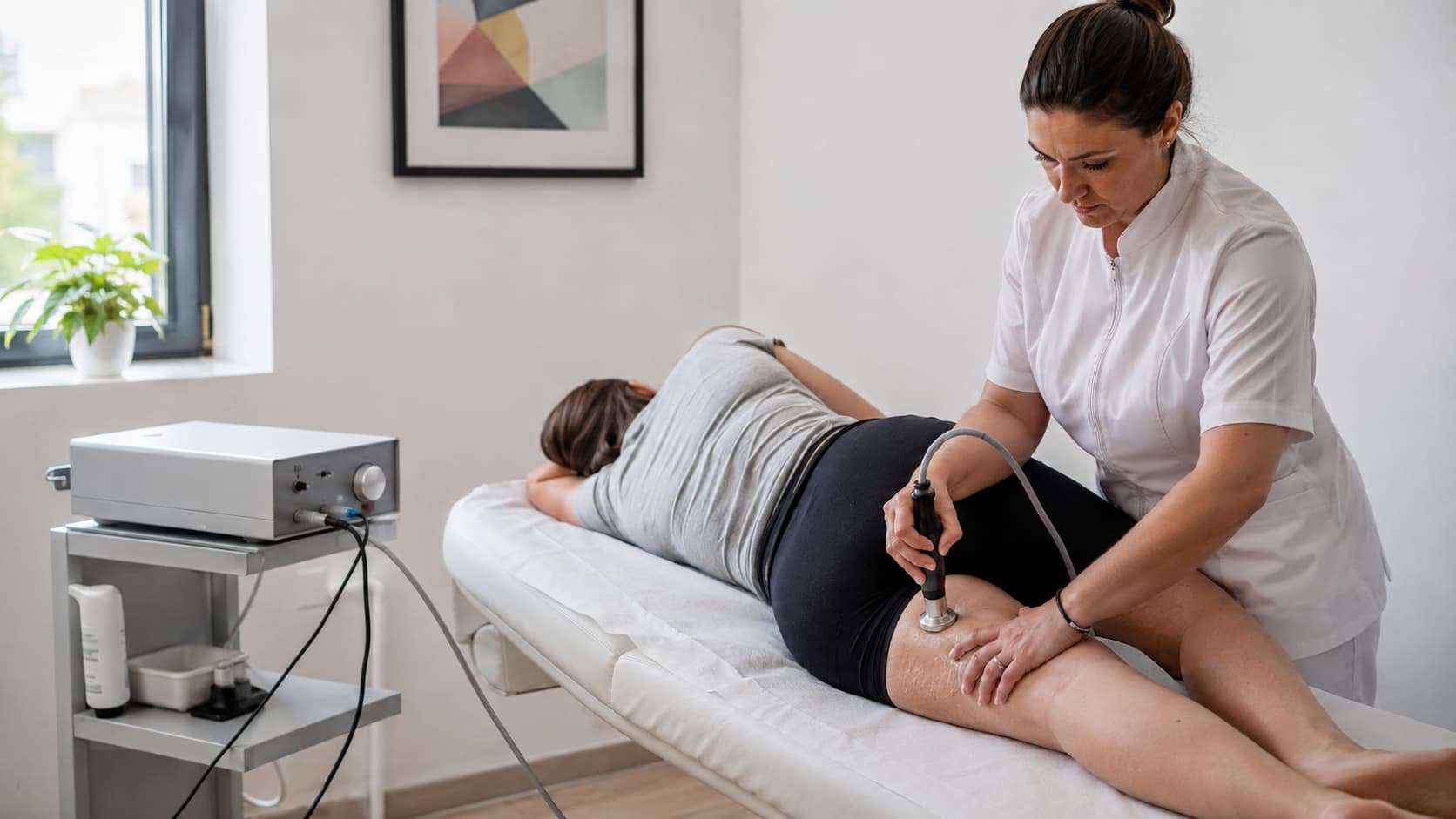
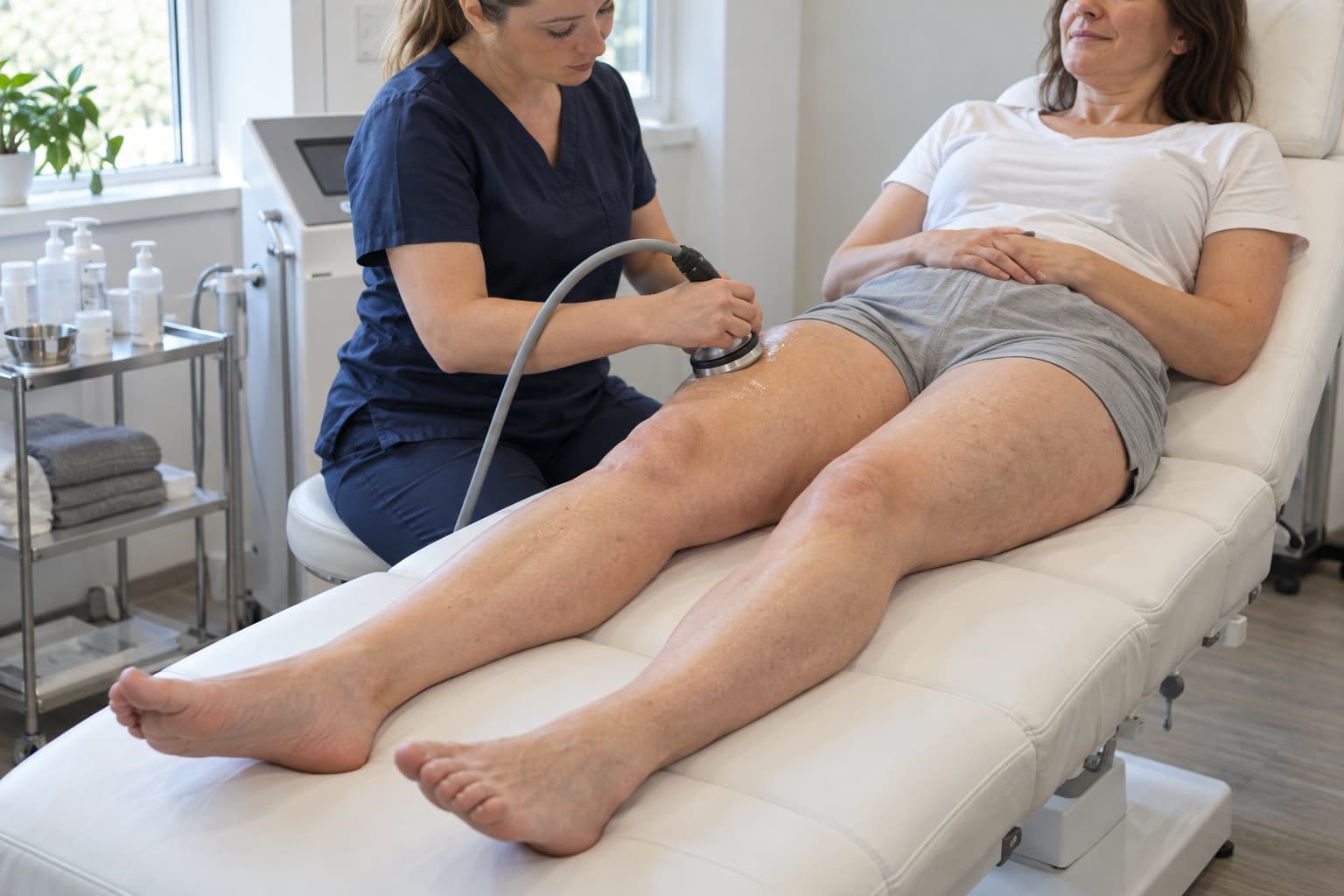
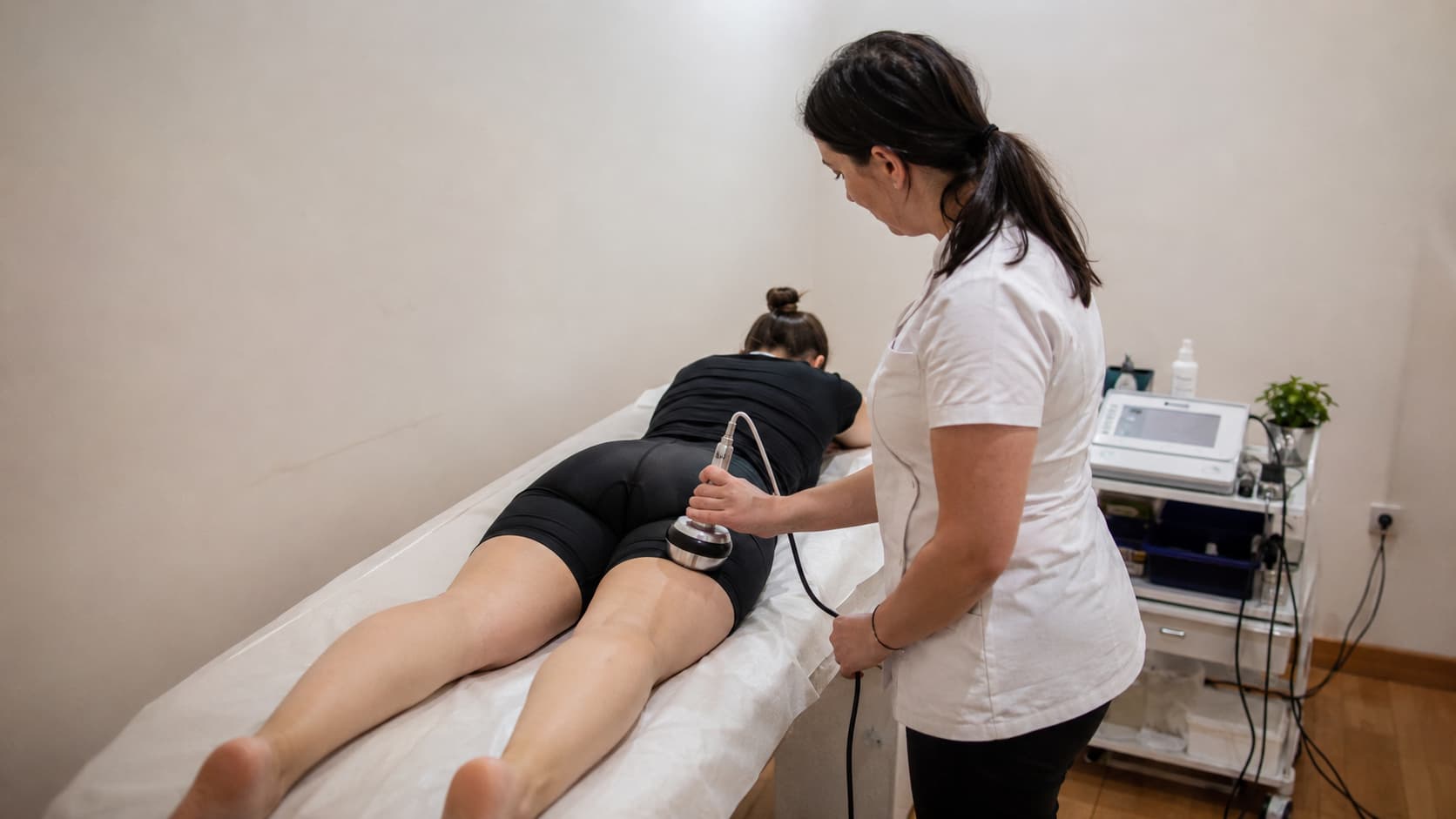
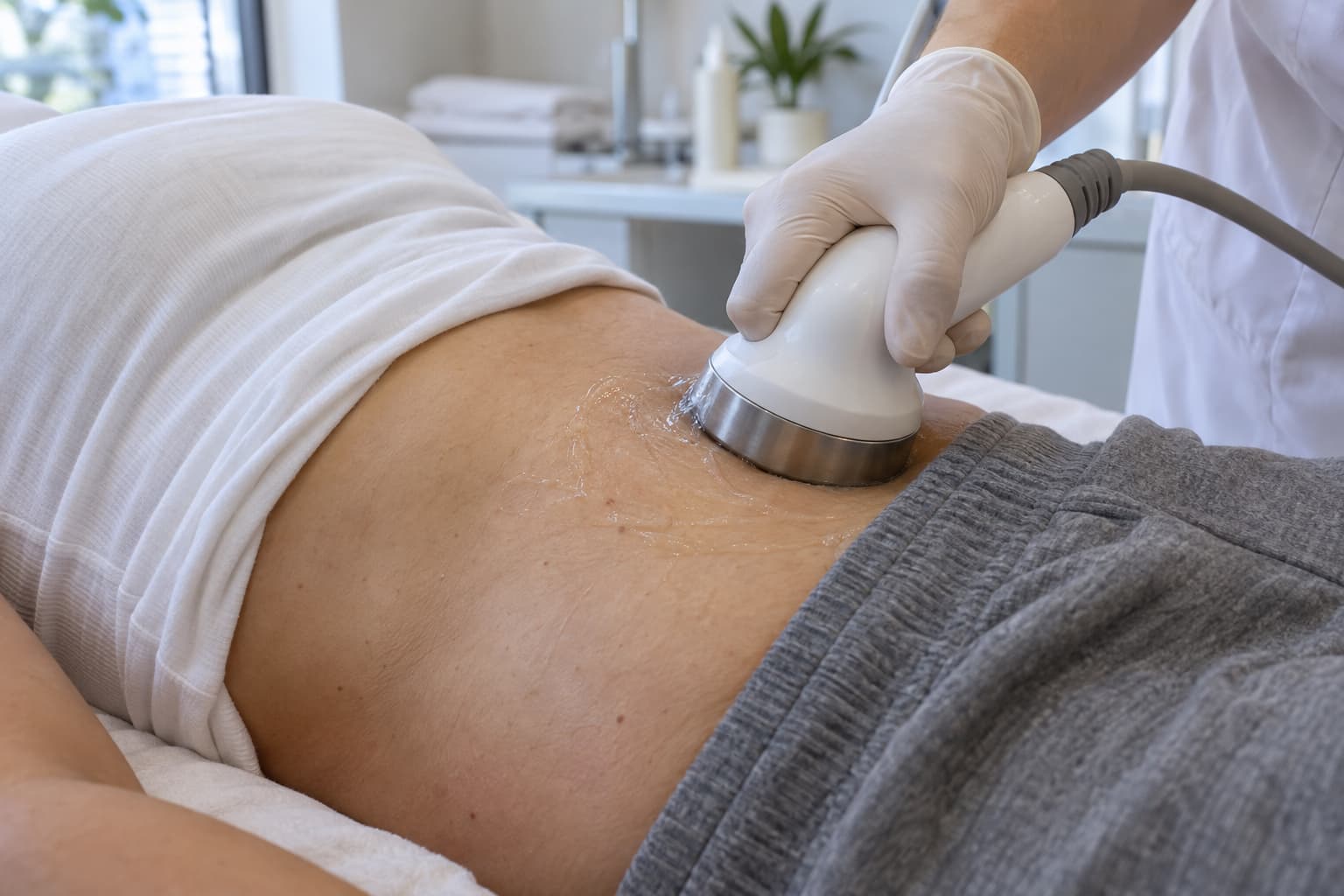
Clinics and dermatology centers offer an array of treatments targeting cellulite’s complex pathophysiology. No method guarantees complete elimination, but several approaches demonstrate efficacy in improving skin texture and reducing the prominence of dimpling. For comparison, the guide to cavitation and ultrasound body contouring explains the aims and limitations of these approaches.
Laser and Radiofrequency Therapy: These modalities employ energy to heat subcutaneous tissues, promoting collagen remodeling, tightening connective tissue, and stimulating lipolysis (fat breakdown). Examples include fractional laser treatments and monopolar/bipolar radiofrequency devices. These procedures generally require multiple sessions and yield gradual improvements.
Acoustic Wave Therapy (AWT): This uses sound waves to mechanically stimulate collagen production and enhance microcirculation, improving skin firmness and reducing fibrous septae tension. Evidence suggests AWT may facilitate cellulite reduction especially when combined with other methods.
Subcision: A minimally invasive technique that involves breaking down fibrous bands beneath the skin with a fine cannula. By releasing these septae, skin surface irregularities can be ameliorated. Subcision is effective for moderate to severe cellulite but may require downtime and carries minimal procedural risks.
Mesotherapy and Injection Lipolysis: Involves injecting compounds to degrade localized fat cells or improve tissue texture. These are typically adjunct treatments but should be administered by experienced professionals to minimize risks.
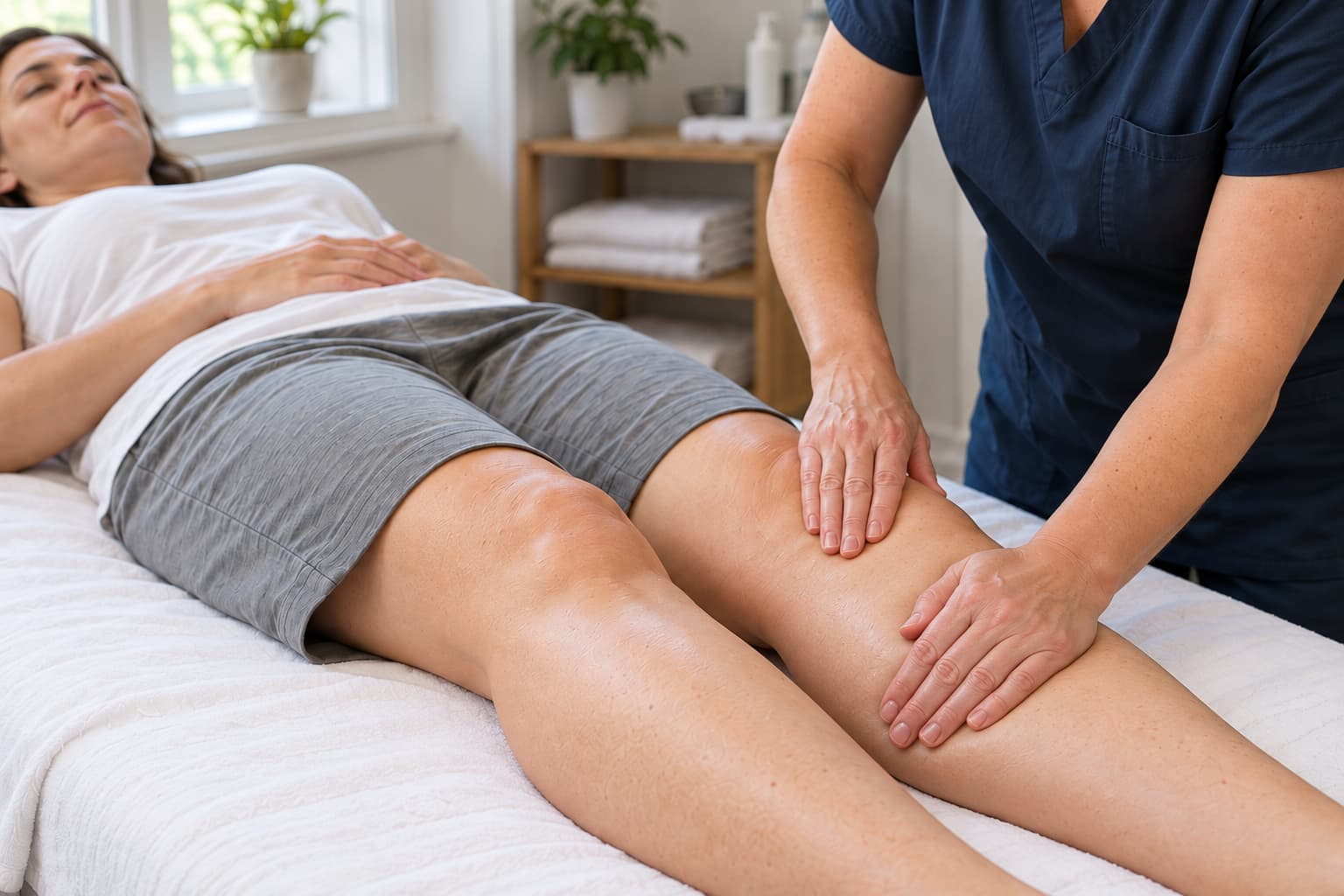
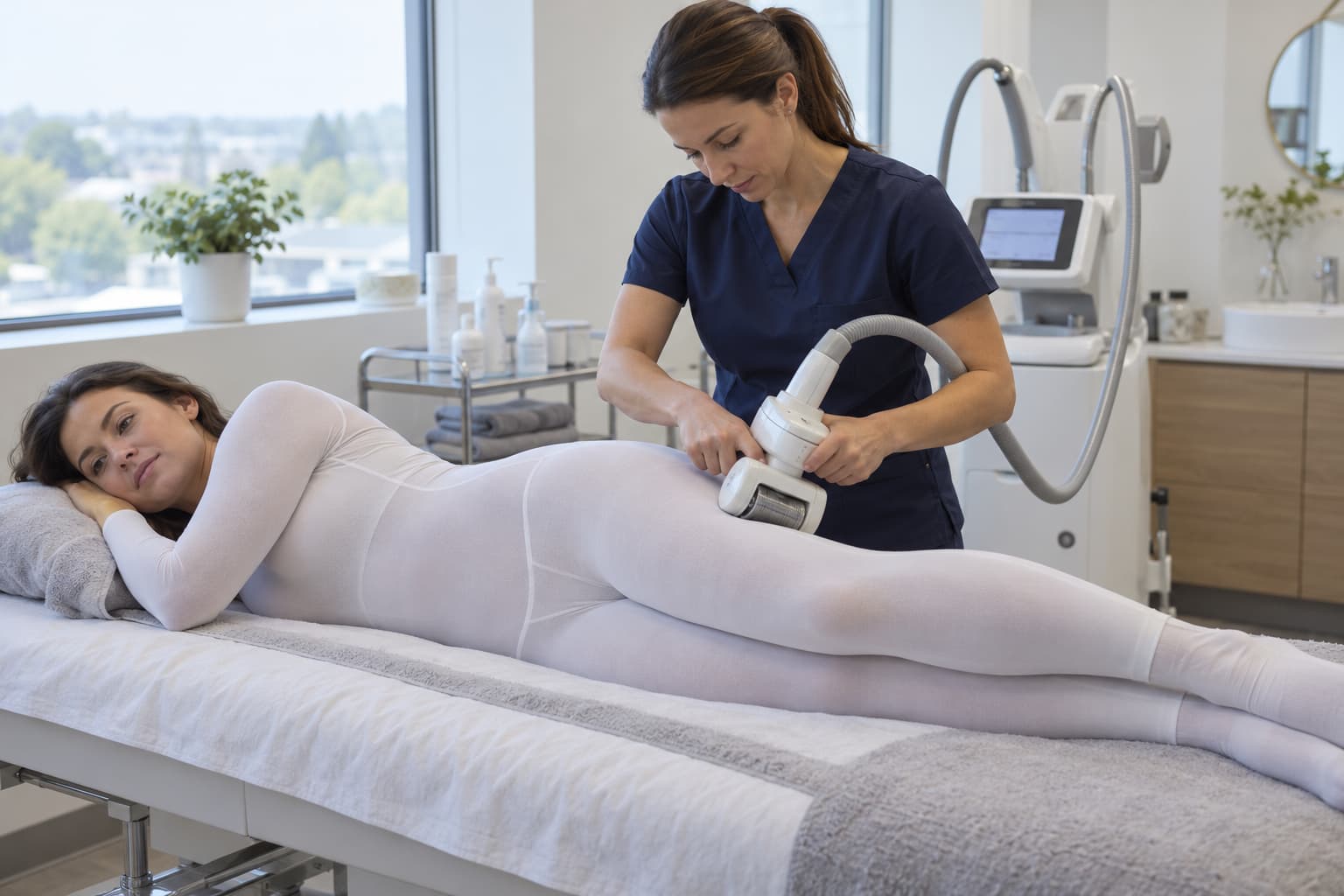
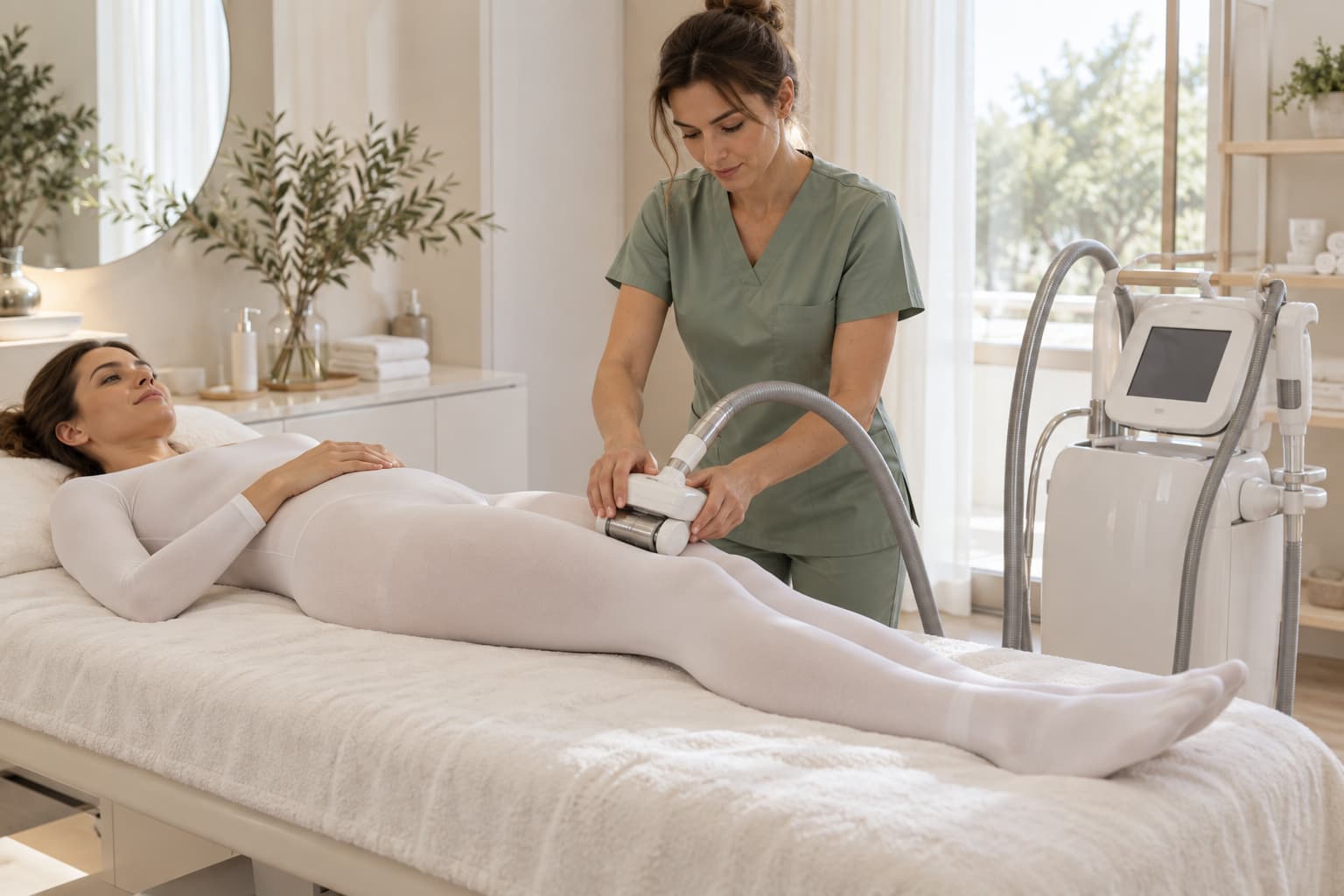
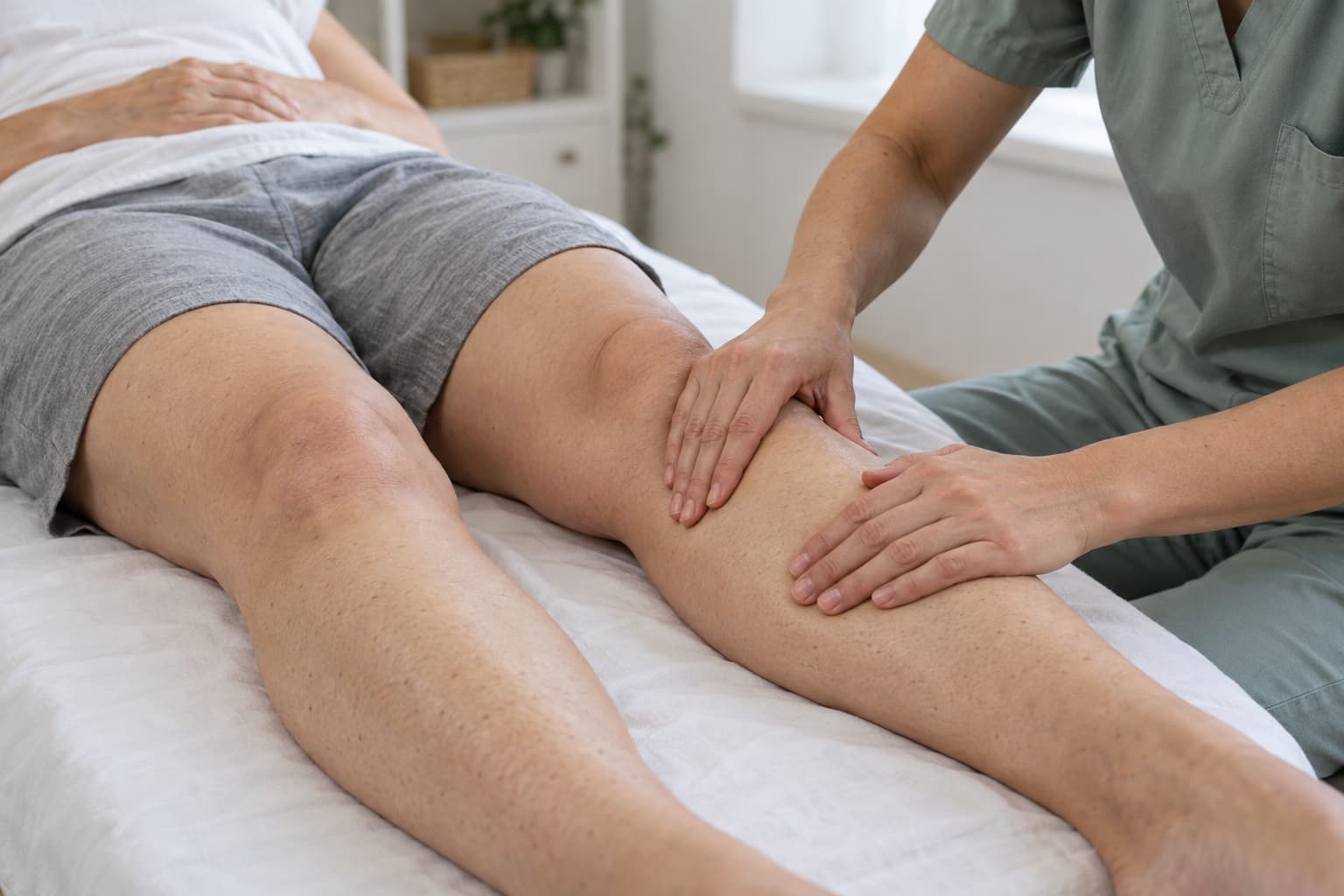
Endermologie and Mechanical Massage: Devices that provide deep tissue massage to enhance lymphatic drainage and blood flow. Such treatments may improve temporary skin smoothness but often require maintenance sessions.
At-Home Care and Lifestyle Adjustments to Complement Professional Treatments
Complementing clinical interventions with consistent at-home care can enhance outcomes and prolong results. Specific practices include:
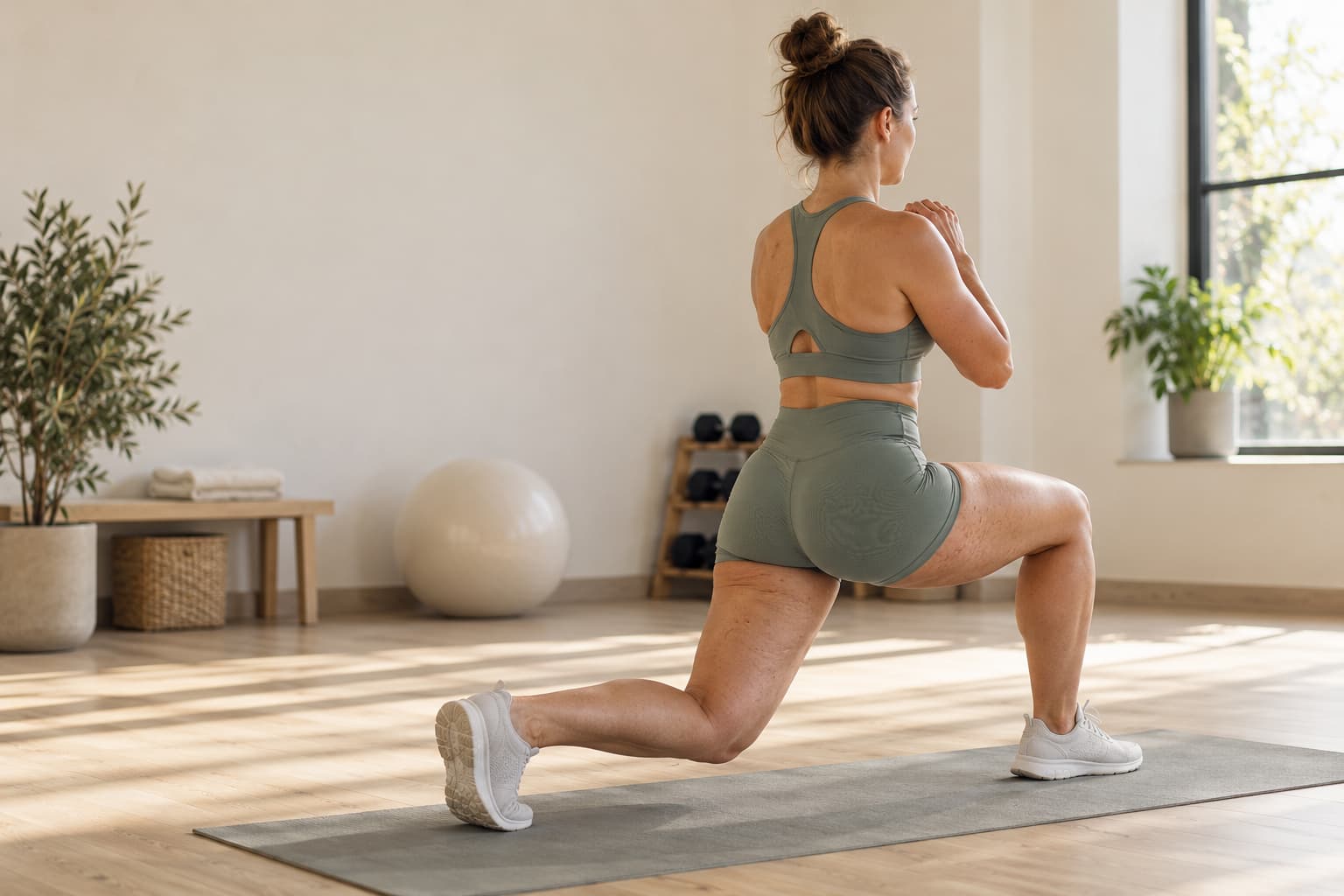
Regular Physical Activity: Focused exercises targeting muscle groups prone to cellulite can improve muscle tone beneath the skin, reducing the dimpled effect. Cardiovascular exercise also supports fat metabolism and circulation.
Topical Treatments: Creams containing caffeine, retinol, or peptides may temporarily tighten skin and improve appearance by enhancing microcirculation and collagen production. While they do not eradicate cellulite, they can provide perceptible smoothing when used consistently.
Dry Brushing and Massage: Stimulating the skin through manual techniques can support lymphatic drainage and exfoliation, potentially mitigating fluid retention and improving texture.
Hydration and Balanced Diet: Maintaining skin health through proper nutrition and adequate water intake remains foundational.
Patience and persistence are key in at-home care, as changes develop slowly and require ongoing commitment.
Safety, Duration of Results, and Realistic Expectations
Cellulite treatments, whether professional or home-based, should be approached with measured expectations. No method offers a permanent or total cure due to the multifactorial origins involving genetics and hormonal influences. Treating cellulite focuses on improving skin texture, elasticity, and appearance rather than complete elimination.
Most clinical protocols require multiple treatment sessions spaced over weeks or months, with periodic maintenance treatments to sustain benefits. Some methods deliver more long-lasting effects, such as subcision, while others, like mechanical massage or topical applications, offer transient improvements.
Contraindications vary depending on the treatment type and can include pregnancy, certain skin conditions, vascular disorders, or sensitivity to specific ingredients or technologies. Consultation with experienced professionals is critical to tailor therapies based on individual health profiles and goals.