In the realm of contemporary body care and aesthetics, the pursuit of effective, non-invasive treatments for cellulite has intensified significantly. Among the myriad of options, one technique stands out due to its sophisticated approach and clinical backing: LPG endermology. But what exactly is LPG endermology, who benefits from it, and how does it distinctly function in the battle against cellulite? Understanding this non-surgical procedure is crucial for anyone exploring targeted body care methods or seeking informed guidance on managing skin irregularities linked to cellulite.
LPG endermology represents a breakthrough in therapeutic body treatments that harness mechanical stimulation to encourage skin regeneration and fat metabolism. This technique utilizes specialized equipment designed to interact intricately with the skin and underlying tissues. It is particularly relevant for individuals who wish to diminish the appearance of cellulite, improve skin texture, and achieve subtle body contouring without resorting to surgical interventions.
Given that cellulite—a common dermatological concern affecting a wide demographic—has multifaceted causes and manifestations, treatments need to be both nuanced and adaptable. LPG endermology aligns well with such needs, offering tailored applications that can suit various types and severities of cellulite. This article delves into the practical, mechanistic, and safety considerations of LPG endermology within the framework of cellulite causes, types, and treatment efficacies, providing clear, expert insights for consumers and professionals alike.
What Is LPG Endermology and How Does It Work?
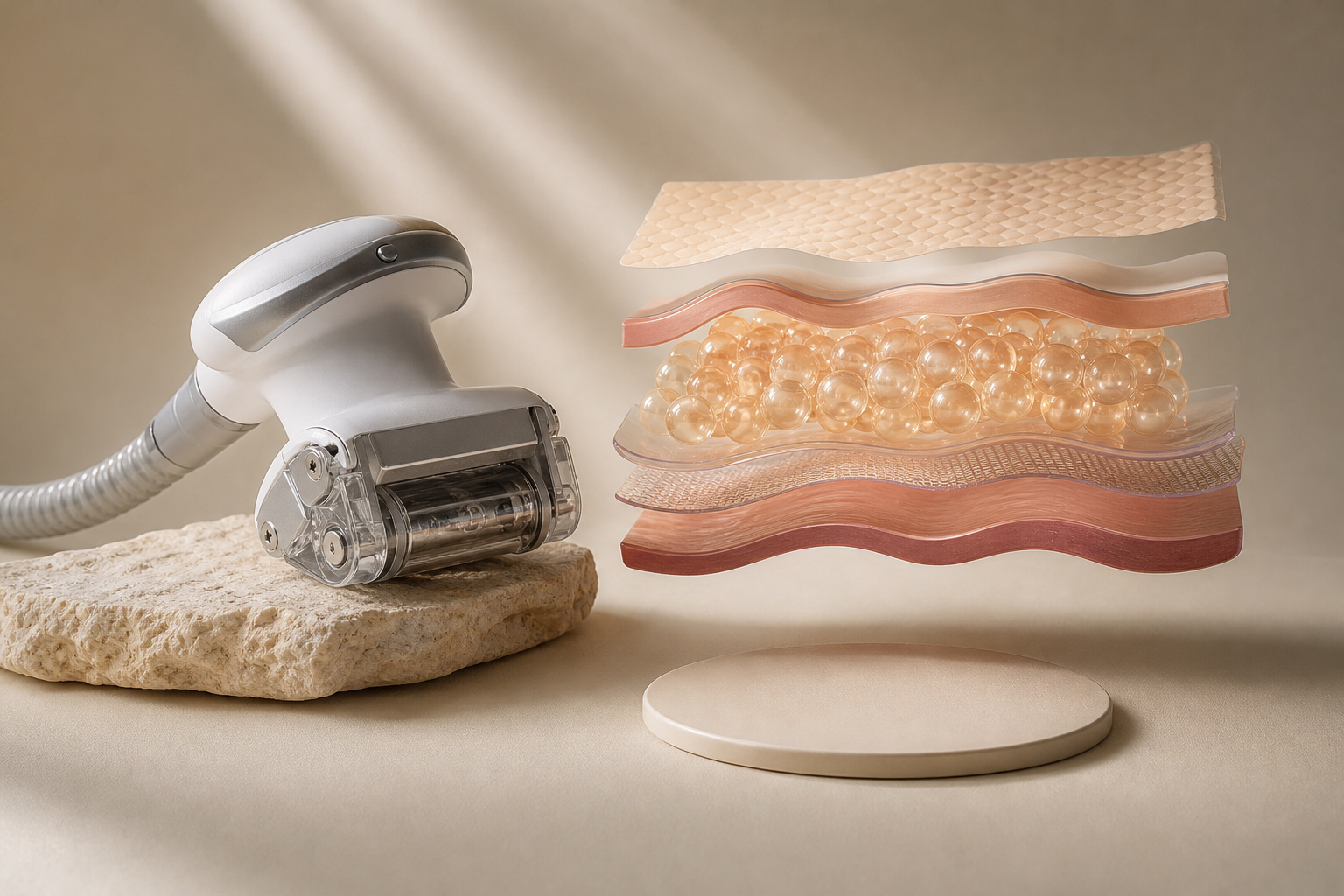
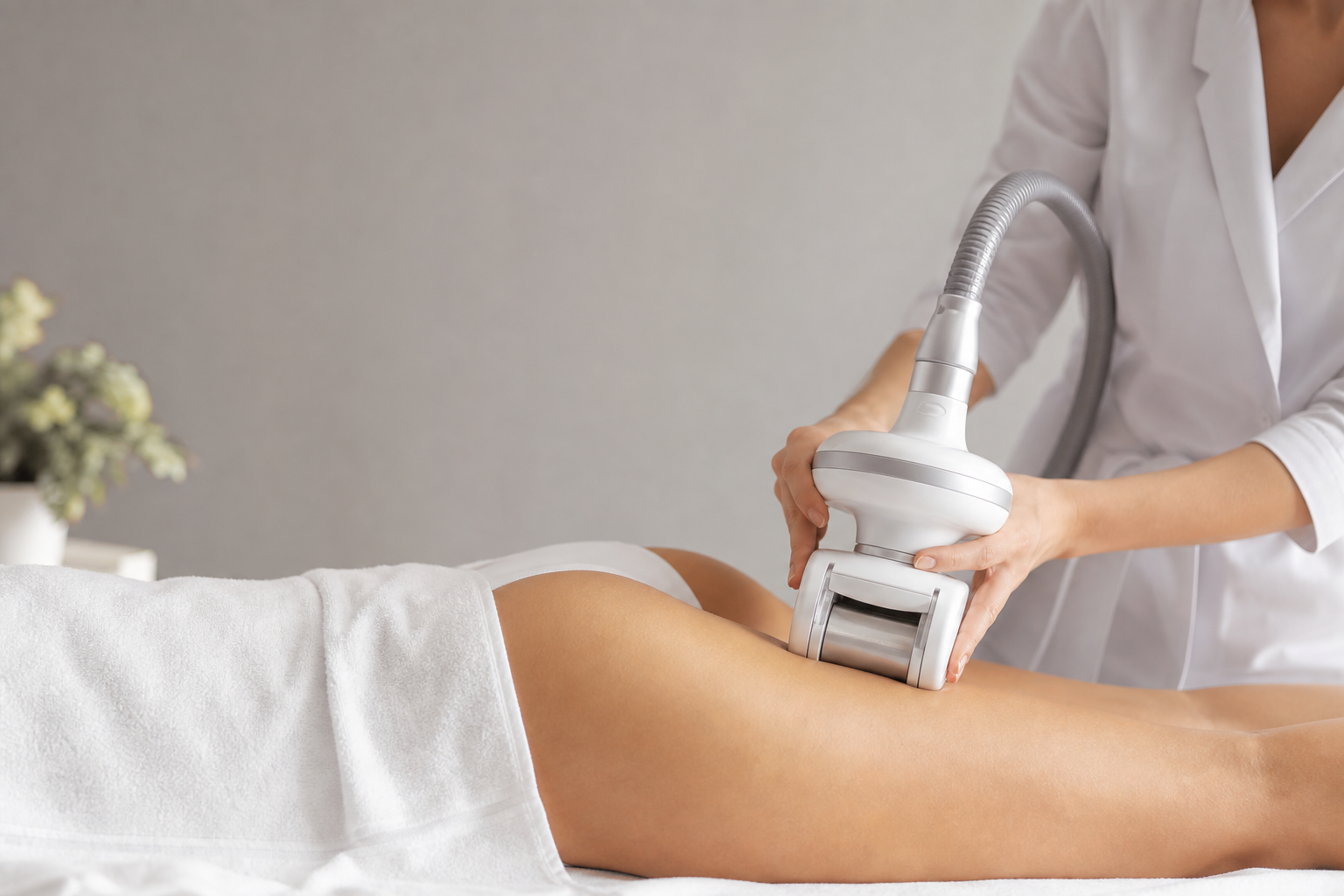
LPG endermology is a patented mechanized massage technique that applies controlled suction and rolling movements to the skin using a specialized device comprised of motorized rollers and a vacuum system. Named after its inventor Louis Paul Guitay, the treatment is classified as non-invasive and aims to stimulate biological processes at the cellular level through targeted mechanical stimulation.
At its core, the LPG device gently lifts the skin and underlying tissues by creating a vacuum, while the rollers knead and mobilize these layers. This dual-action facilitates several physiological effects: enhanced lymphatic drainage that helps remove excess fluids and metabolic waste; improved blood circulation which increases oxygen and nutrient supply to tissues; mobilization and breakdown of adipose tissue by prompting lipolysis; and stimulation of fibroblasts that produce collagen and elastin, essential for skin firmness and elasticity.
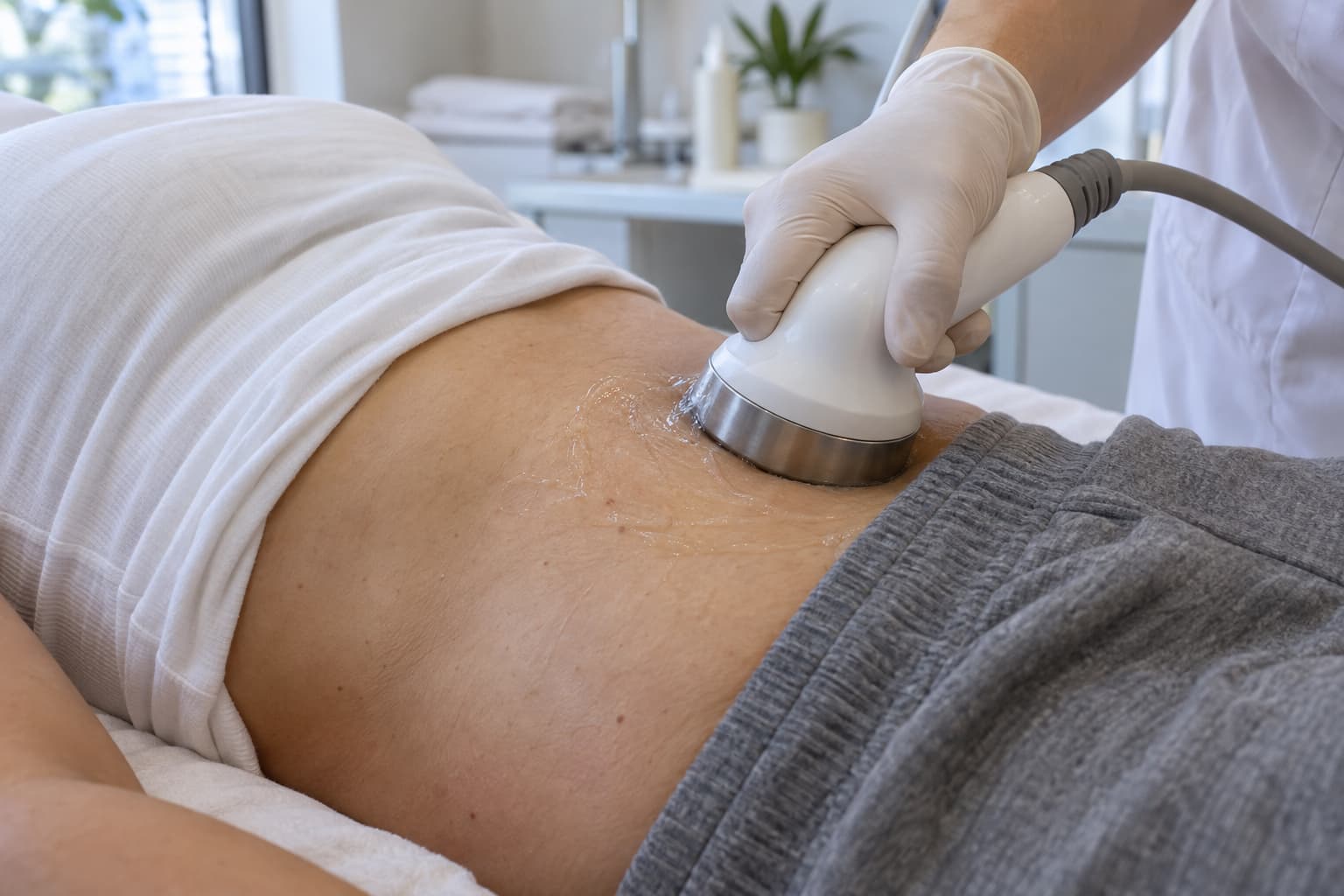
The procedure is delivered by trained practitioners who guide the handheld applicator over areas of concern, adjusting suction intensity and rolling speed to suit individual patient profiles. The result is a deeply invigorating tissue massage that goes beyond surface effects to dynamically remodel subcutaneous structures involved in cellulite formation.
Who Benefits from LPG Endermology and What Types of Cellulite Does It Address?
LPG endermology is appropriate for adults of all genders who experience visible cellulite and seek a safe, non-surgical method to improve skin appearance. This treatment particularly benefits those with the so-called “hard” or fibrous type of cellulite, characterized by dense, nodular skin and often accompanied by reduced skin elasticity and microcirculatory impairment.
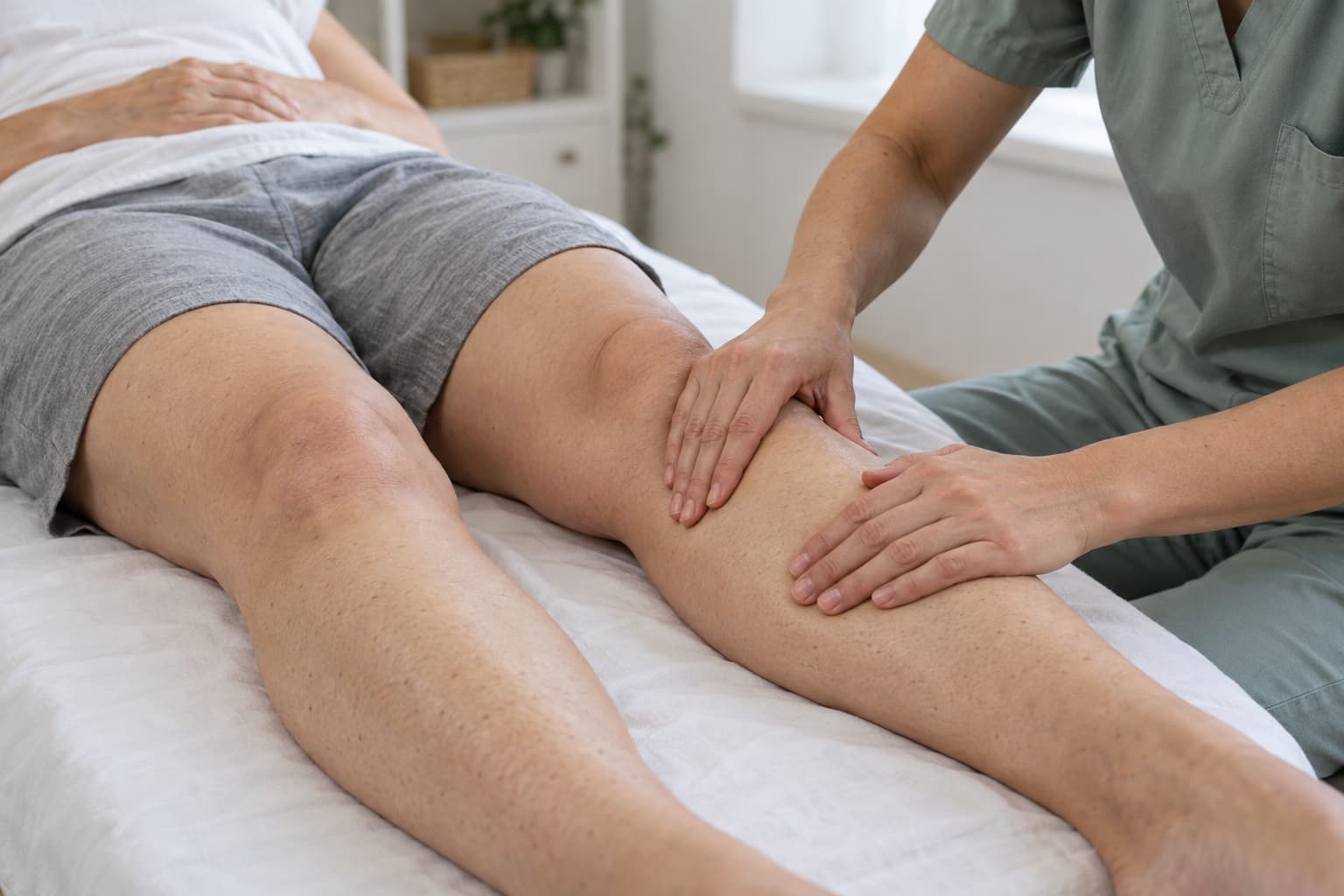
In these cases, fibrous connective tissue bands create the characteristic 'orange peel' or dimpled skin texture. LPG’s mechanical mobilization effectively breaks down fibrous adhesions and stimulates tissue remodeling. Additionally, individuals suffering from edema-related puffiness or fluid retention in the legs, thighs, abdomen, or upper arms may experience relief as the technique activates lymphatic flow and reduces swelling.
While LPG endermology can also improve mild or moderate cellulite forms by enhancing circulation and skin tone, its impact is most profound when tailored to the specific tissue composition and severity level of each case. This emphasizes the importance of a professional assessment and customized treatment planning.
How Does LPG Endermology Impact Cellulite and What Are Realistic Expectations?
The action of LPG endermology on cellulite unfolds progressively over a series of scheduled treatments, typically spaced over several weeks. Immediately following sessions, patients often notice a sensation of improved tissue suppleness and a mild reduction in tightness or discomfort associated with fibrous cellulite.
On a cellular level, the sustained mechanical stimulation encourages lipolysis among fat cells—promoting their breakdown and facilitating metabolic clearance through the lymphatic system. Enhanced microcirculation increases oxygen delivery and waste removal, vital for healthy skin metabolism. Concurrently, fibroblast activation leads to increased biosynthesis of collagen and elastin fibers, promoting skin tightening and smoothing of surface irregularities.
However, it is important to temper expectations with the understanding that LPG endermology is not an immediate or permanent cure for cellulite. Results depend on numerous factors including patient age, hormonal balance, genetics, lifestyle habits, and the severity of cellulite. For optimal outcomes, treatment should be complemented by a balanced diet, regular exercise, adequate hydration, and avoidance of risk factors such as smoking.
Typically, visible improvements in skin texture and reduction of cellulite dimpling manifest after approximately 6 to 10 sessions, with maintenance treatments advised to sustain benefits. While LPG endermology enhances skin tone and body contours, it is not a replacement for medical interventions in cases of severe adipose deposits or advanced dermatological conditions.
When Should Consultation with a Qualified Specialist Precede LPG Endermology?
Despite its general safety profile, LPG endermology warrants professional evaluation to ensure appropriateness and individualized tailoring of treatment protocols. Consultation with a certified aesthetic practitioner or medical professional is particularly critical for individuals with underlying medical conditions or contraindications.
Contraindications include active inflammatory skin diseases, infections, thrombosis or blood clotting disorders, advanced varicose veins, certain cardiovascular illnesses, pregnancy, and presence of implants or pacemakers in treatment areas. A thorough pre-treatment assessment allows specialists to identify these issues and modify or defer treatment accordingly.
Furthermore, consultations enable clear communication of treatment goals, realistic outcome expectations, and education about post-treatment care. This personalized approach fosters patient safety, optimizes efficacy, and enhances satisfaction with the LPG endermology regimen.
What Are the Safety Considerations and Limitations of LPG Endermology?
LPG endermology’s non-invasive nature and mechanical methodology confer a high degree of safety, with minimal risks and negligible downtime. Unlike invasive procedures such as liposuction, it does not breach the skin barrier or require anesthesia, thereby significantly reducing complications.
Common side effects are typically limited to transient redness, mild bruising, or temporary tenderness at treated sites, resolving spontaneously. The treatment maintains skin integrity while actively stimulating physiological processes.
Nonetheless, limitations should be acknowledged. LPG endermology is not a standalone solution for cellulite or body contouring but functions optimally as part of a comprehensive lifestyle and treatment plan. It does not address systemic hormonal imbalances or genetic predispositions and offers modest fat reduction compared to surgical options.
Additionally, results depend on adherence to recommended treatment schedules and maintenance. Misuse of device settings or unqualified application can diminish effectiveness or increase adverse events, underscoring the necessity for professional administration in licensed centers.
How Do Vacuum and Rollers Mechanically Interact With Tissue During LPG Treatment?
The distinctive mechanism of LPG endermology is founded upon the synergistic interplay between the vacuum suction and dynamic rollers housed within the treatment head. The vacuum gently elevates the skin and subcutaneous tissue, dislodging adhesions formed by fibrous septae that contribute to the dimpled appearance of cellulite.
Simultaneously, the rollers provide a rhythmic kneading and stretching action, which mobilizes fat lobules, improves lymphatic drainage, and activates sensory receptors. This mechanical modulation stimulates blood flow and oxygenation, promoting cellular metabolism and assisting in the breakdown of fat composites.
This specialized vacuum-massaging action goes beyond conventional manual massage by precisely controlling depth and intensity, ensuring consistent and reproducible stimulation of target tissues. The repeated sequences foster collagen remodeling, skin tightening, and a smoothing effect on the skin’s surface.