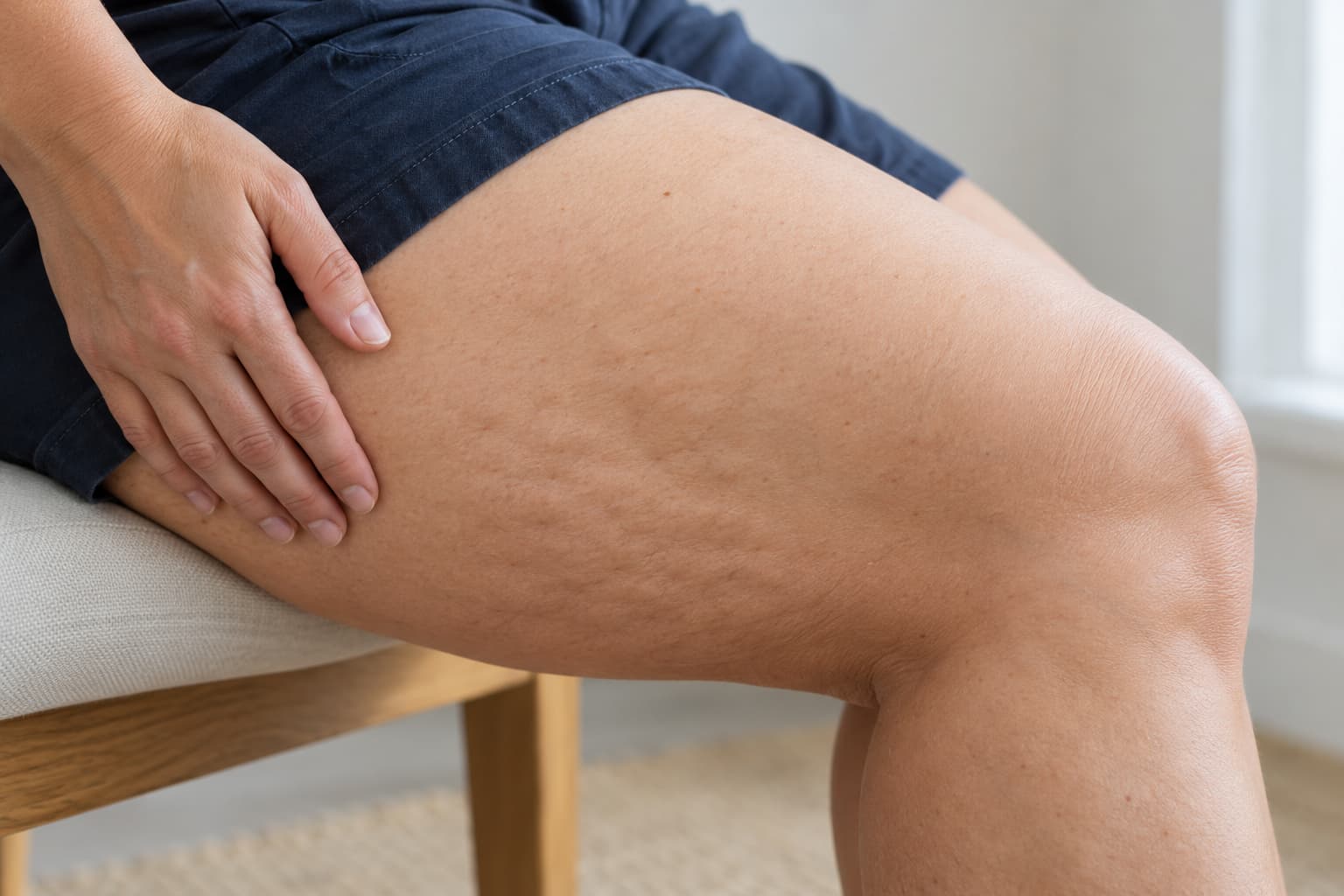
Cellulite is a common aesthetic concern that affects a substantial portion of adults, particularly women, and understanding its diverse forms is key to managing and treating it effectively. While often understood simply as the dimpled and uneven texture of skin commonly found on the thighs, buttocks, and abdomen, cellulite is a complex condition with multiple distinct types. Each type arises from different underlying mechanisms and manifests with particular characteristics that not only influence how it appears but also inform the most appropriate care and treatment options.
For individuals seeking to improve their skin's appearance, whether through professional treatments or home care, recognizing the specific type of cellulite they have is crucial. This knowledge helps set realistic expectations and enhances the selection of targeted strategies designed to improve skin tone, texture, and firmness. Similarly, body care specialists, dermatologists, and wellness professionals benefit from a nuanced understanding of cellulite variations to provide tailored advice and recommendations.
In this detailed exploration, we will clarify what cellulite truly is, distinguish it clearly from related concerns such as fat deposits, loose skin, and medical conditions like edema, and then delve into the principal types of cellulite you might encounter. Our discussion goes beyond mere identification; it includes the physiological mechanisms at play, practical tips for evaluation, and considerations for safety and realistic outcomes. This comprehensive approach ensures that readers gain an informed perspective on how to recognize and address their unique cellulite challenges.
What Is Cellulite and How Does It Differ from Other Skin and Body Issues?
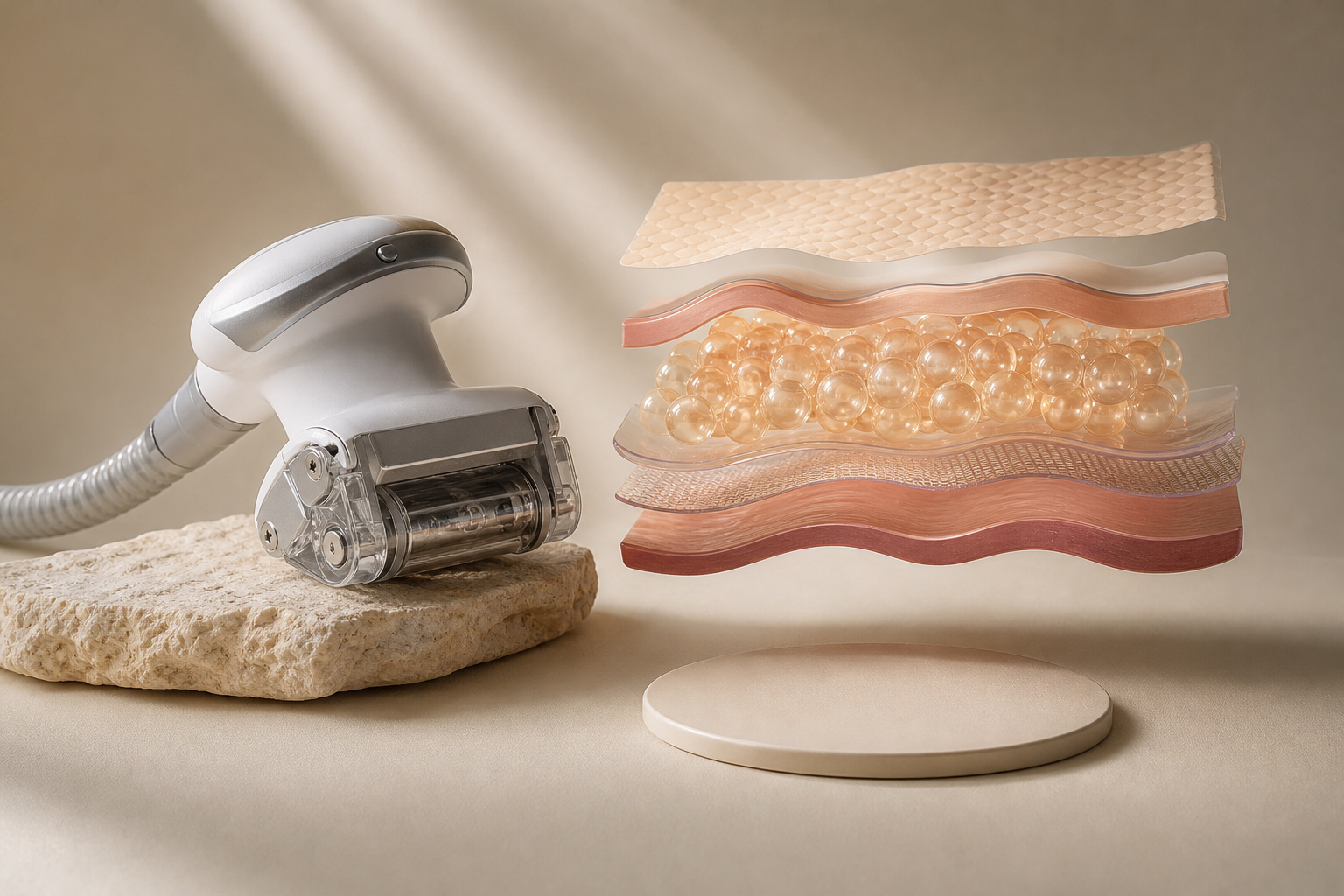
Understanding cellulite begins with defining what it is and, importantly, what it is not. Cellulite refers specifically to the irregular, dimpled appearance of the skin caused by changes in the structure of subcutaneous fat and connective tissue underneath the skin's surface. Unlike general fat accumulation, which simply adds volume beneath the skin, cellulite involves fibrous bands tethering skin to underlying musculature, creating the puckered look often likened to cottage cheese or orange peel.
This condition most commonly appears on areas with higher concentrations of fat cells such as the thighs, buttocks, hips, and lower abdomen. It primarily affects women due to differences in fat distribution, connective tissue arrangement, and hormonal influences. Importantly, cellulite can be present even in individuals with normal or low body fat.
It should not be confused with loose or sagging skin, which results from reduced elasticity often tied to aging or weight loss, nor with edema, a swelling caused by fluid accumulation. Additionally, fibrous nodules, which may sometimes be mistaken for cellulite, are distinct conditions typically requiring separate medical evaluation.
Who Is Most Affected by Different Types of Cellulite and Why Does Identification Matter?
While cellulite can develop in virtually anyone, specific types tend to be more prevalent among differing demographic groups depending on factors such as age, body composition, lifestyle, and even genetic predispositions. Identifying one's cellulite type enables individuals to choose the right care regimen and realistic treatment goals, which can vastly improve satisfaction with the results.
For example, younger women with firmer skin may notice a different cellulite pattern compared to older adults with decreased skin elasticity. Similarly, individuals with sedentary lifestyles might experience types linked more to circulatory or lymphatic issues, which differ from cellulite associated with fibrotic tissue changes. Recognizing these distinctions is essential for selecting appropriate interventions, whether they involve massage therapies, physical activity, topical treatments, or medical-grade procedures.
Experts in body care utilize such classifications to personalize treatment plans to maximize effectiveness and ensure safety. Thus, knowledge about the specific cellulite type supports more strategic, evidence-based approaches to body contouring and skin improvement.
What Are the Main Types of Cellulite and How Can You Identify Them?
Cellulite is not a monolithic condition; it encompasses several distinct forms, each exhibiting characteristic features and clinical presentations. The key types commonly recognized include soft (or flaccid) cellulite, hard cellulite, edematous cellulite, fibrous cellulite, and mixed cellulite. Some discussions also mention “water cellulite,” which resembles edematous cellulite but warrants separate consideration.
Soft Cellulite: Characteristics and Identification
Soft cellulite is arguably the most common type and is typically found in individuals with less muscle tone and often higher body fat percentages. It manifests as loose, doughy, and pliable skin that moves easily when pinched or compressed. In standing positions, soft cellulite is quite visible, with the skin showing visible folds and irregular dimpling.
This type is often accompanied by a lack of muscle firmness and may become less evident when muscles are tensed or during physical activity due to temporary tightening of the skin. Soft cellulite responds favorably to interventions aimed at increasing muscle tone and improving circulation, such as strength training and lymphatic massage. However, its fluctuating visibility can sometimes make self-assessment challenging.
Hard Cellulite: Defining Features and Clinical Signs
Hard cellulite is characterized by a firmer, more compact feel under the skin, often accompanied by palpable nodules or fibrous bands. The affected areas feel tense and can be painful or tender when pressed. The skin appears dimpled but tends to be less loose compared to soft cellulite.
This type is frequently observed in younger individuals or athletes with well-developed muscle tone but localized connective tissue changes. Hard cellulite results from tighter fibrous septae pulling down on the skin, causing uneven surface topology. Identifying hard cellulite requires palpation and sometimes the observation of taut skin pockets that do not easily shift when the area is manipulated.
Edematous Cellulite: How to Spot This Type
Edematous cellulite arises primarily due to fluid retention and impaired lymphatic drainage in affected regions. It leads to swelling, puffiness, and a swollen appearance under the skin, often accompanied by a sensation of heaviness or discomfort.
This type is most commonly seen in individuals with sedentary habits, circulatory problems, or poor dietary practices contributing to fluid imbalance. When pressed, the skin may exhibit pitting edema, meaning an indentation remains temporarily visible. Edematous cellulite is less about fat accumulation and more about fluid dynamics and lymphatic function.
Fibrous Cellulite: The Most Resistant Form
Fibrous cellulite is characterized by the formation of dense, often painful fibrotic tissue beneath the skin's surface. The affected areas have a tough texture, and the nodules associated with this type do not shift or soften easily. This form of cellulite often develops over a longer period and may start from untreated hard or edematous cellulite conditions.
Due to its nature, fibrous cellulite is more difficult to treat and requires specialized approaches focusing on breaking up fibrous tissue and stimulating skin regeneration. Accurately identifying fibrous cellulite includes noting the skin's rigidity, reduced mobility of the affected areas, and sometimes discomfort during palpation.
Mixed Cellulite and Other Variants
Many individuals present with a combination of the above types, referred to as mixed cellulite, where different areas show distinct characteristics. In addition to the main categories, there is mention of 'water cellulite', closely linked to fluid retention and often overlapping with edematous types, but sometimes used to describe cases primarily driven by hydration imbalance.
A comprehensive evaluation of the skin in multiple positions — standing, sitting, and lying down — and under various pressure conditions provides the best insight into the complexity of mixed presentations. This integrated assessment supports a more nuanced diagnosis and customized treatment planning.
How to Differentiate Cellulite from Fat Deposits, Loose Skin, and Medical Conditions?
One of the most common challenges when examining skin irregularities involves distinguishing cellulite from other conditions such as simple fat accumulation, loose or sagging skin, edema, and dermatological or circulatory disorders. Clear differentiation is critical because each condition demands different care principles and treatment approaches.
Fat deposits are usually smoother and lack the tethered dimpling that is classic for cellulite. Loose skin tends to drape loosely without producing the characteristic nodules or ‘cottage cheese’ texture. Edema is often accompanied by swelling with a softness that leaves indentations upon pressure.
Medical conditions like lipedema or lymphedema involve pathological storage of fat or lymphatic fluid and require medical diagnosis and treatment. In contrast, cellulite is primarily an aesthetic concern with no direct disease implications but can cause emotional or psychological distress due to its appearance.
What Mechanisms Lead to Different Types of Cellulite?
The varied manifestations of cellulite stem from intricate interactions between fat cells, connective tissue, vascular circulation, and lymphatic drainage, modulated by hormonal and genetic factors. In soft cellulite, reduced muscle tone and increased fat accumulation contribute substantially. Hard cellulite originates from tightened fibrous septae that create skin puckers.
Edematous cellulite results from stagnation and poor removal of interstitial fluids, while fibrous cellulite reflects long-standing tissue changes leading to fibrosis and hardened skin textures. Hormones, particularly estrogen, affect the plasticity of connective tissue and fat distribution, further influencing cellulite development and variability.
What Should You Expect When Seeking Treatment Based on Cellulite Type?
Managing cellulite effectively requires realistic expectations and an understanding that no treatment can guarantee complete removal. Instead, most interventions aim to reduce visibility, improve skin texture, and enhance overall skin health. Treatment efficacy varies according to cellulite type and individual factors.
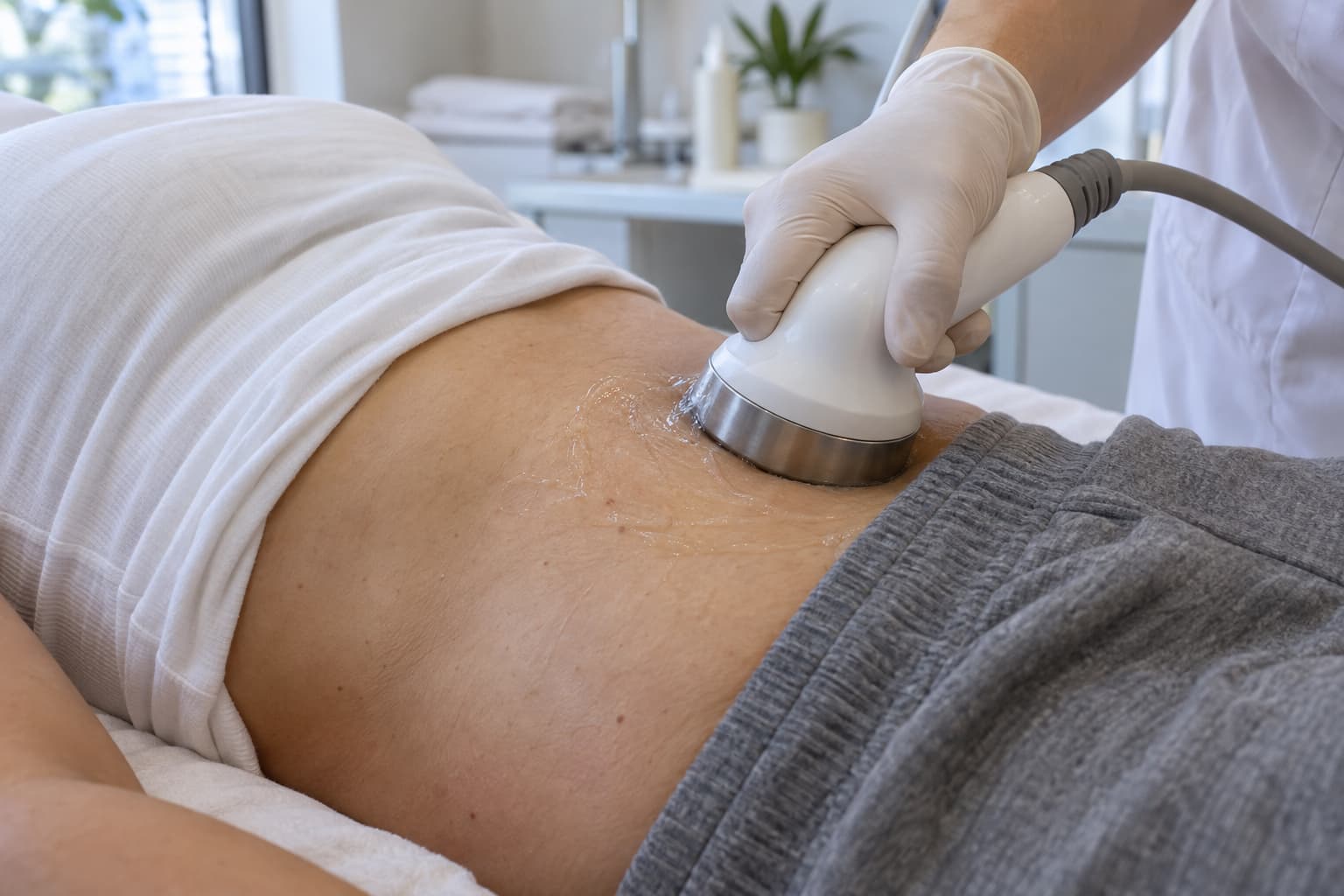
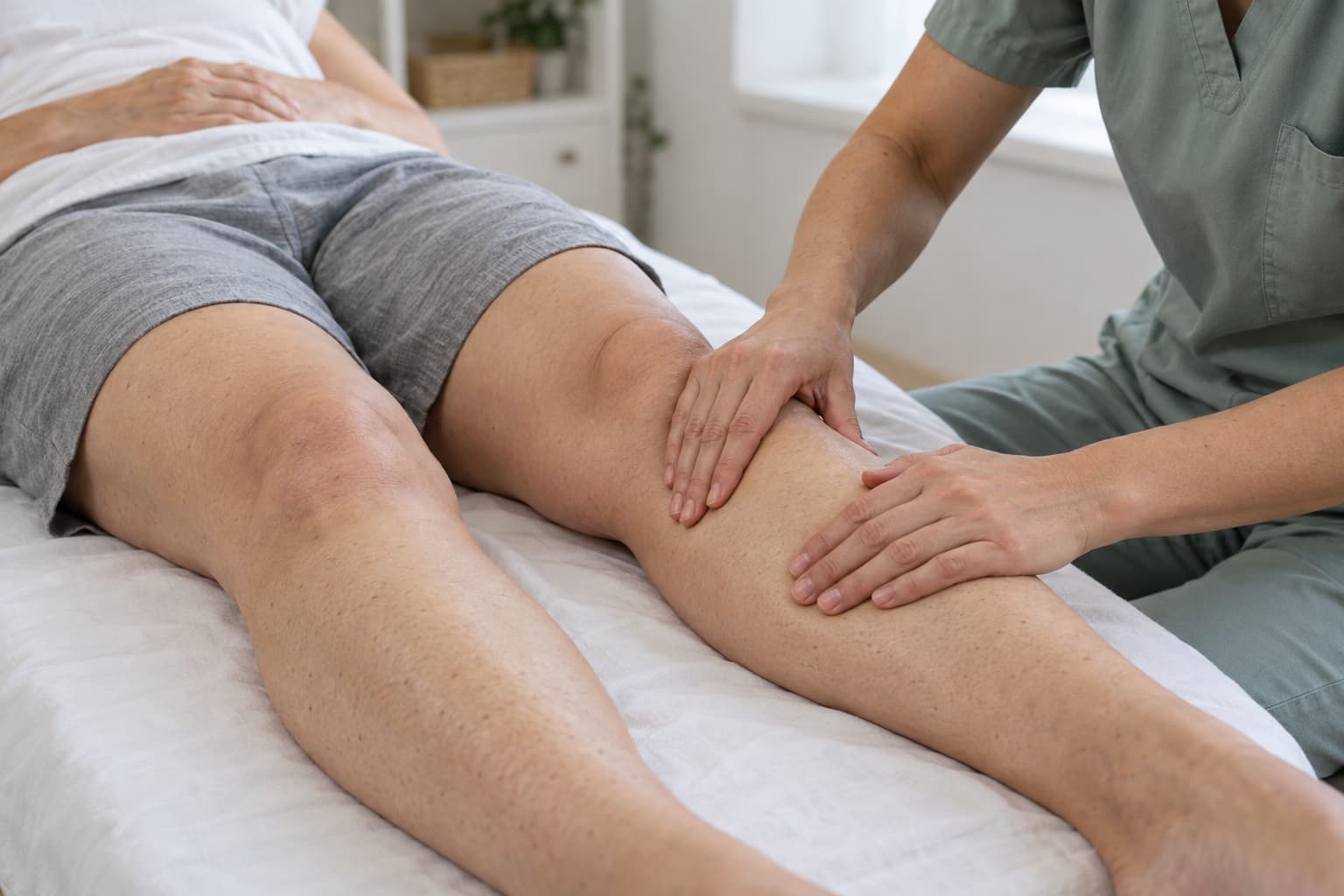
Soft cellulite typically responds well to exercise, massage, and topical agents that promote circulation and skin hydration. Hard and fibrous cellulite may necessitate more intensive treatments such as mechanical massage devices, radiofrequency, laser therapy, or medical procedures that target fibrous bands. Edematous cellulite emphasizes the importance of improving lymphatic drainage through manual drainage techniques and lifestyle changes.
Every treatment plan should be preceded by a thorough expert evaluation to ensure safety and appropriateness. Combining various modalities and maintaining consistent self-care often yields the best outcomes.
How Can Professionals and Individuals Assess Cellulite Type Safely at Home or in Practice?
Self-assessment methods include visual inspection in different positions and gentle pinching or compressing the skin to observe changes in the dimpling pattern and firmness. Professional assessments might involve palpation, photographic documentation, and advanced imaging techniques in clinical settings.
It is essential to avoid attempting invasive or aggressive self-treatments without professional guidance, as incorrect approaches can worsen skin condition or lead to complications. Consulting qualified skin care specialists or medical professionals that understand the distinctions among cellulite types ensures a safe and effective path forward.
Common Questions About Cellulite Types and Maintenance Strategies
Many individuals wonder whether cellulite can be completely eliminated. While total removal is currently beyond reach, significant improvement is achievable by targeting the specific type of cellulite with appropriate interventions and sustained lifestyle habits. Questions also arise about the role of diet, hydration, exercise, and topical products, all of which contribute meaningfully to skin quality and cellulite appearance.
Another concern often addressed is safety, underscoring the importance of professional consultation prior to undergoing any invasive procedures. Awareness of one's cellulite type helps in making informed decisions and setting achievable goals aligned with individual needs.