Cellulite, characterized by the dimpled, uneven appearance commonly dubbed "orange peel skin," remains a cosmetic concern for many individuals worldwide. While it is neither a dangerous medical condition nor a direct indicator of excess fat, its presence affects the physical appearance and self-confidence of millions. Individuals seeking to improve skin texture and reduce the visual prominence of cellulite are often drawn to various therapeutic approaches. Among these, LPG (Lipomassage) and endermology have gained recognition as specialized mechanical therapies designed to alleviate the manifestation of cellulite through non-invasive techniques.
This article delves deeply into the role of LPG and endermology treatments specifically in the context of cellulite management. It is intended for individuals grappling with cellulite, be they men or women, who wish to understand how these technologies function, what results they can expect, and how these treatments differ from approaches targeting fat reduction or loose skin. Moreover, it offers insight into the safety profiles of these procedures and underscores the necessity of a professional assessment to tailor treatment to individual needs.
The growing market for cellulite treatments underscores the importance of clear, evidence-based understanding. Unlike general weight loss strategies or skin tightening regimens, LPG and endermology target the unique tissue alterations present in cellulite, including disrupted connective tissue architecture, localized edema, and impaired microcirculation. By dissecting these mechanisms, this article aims to equip readers with a nuanced comprehension that informs their decision-making on managing cellulite effectively and safely.
What Precisely Is Cellulite and How Does It Differ from Other Skin and Fat Conditions?
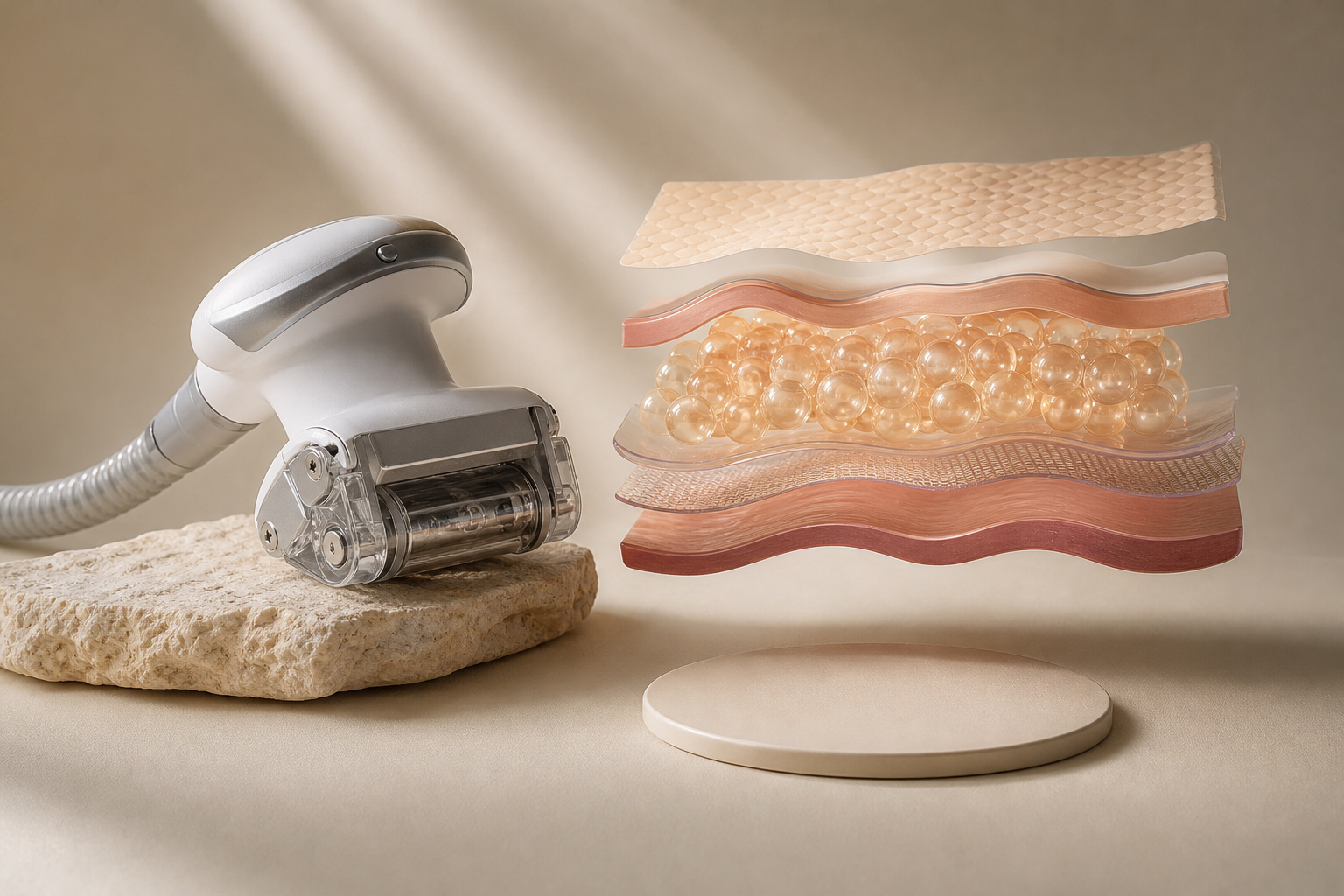
Understanding cellulite requires recognition that it is not simply a matter of excess fat beneath the skin. Instead, cellulite is a multifactorial condition involving the structural interplay among fat cells, connective (fibrous) tissue, circulatory factors, and skin elasticity. It manifests as visible skin irregularities—bumps, lumps, and depressions—primarily in areas like the thighs, buttocks, and hips.
In contrast, localized fat deposits refer to surplus adipose tissue accumulation that can often be addressed by weight management strategies. Loose skin primarily relates to decreased collagen and elastin, often due to aging, rapid weight fluctuations, or post-pregnancy changes. Edema, or fluid retention, signals a pathological swelling due to lymphatic or vascular issues and requires medical assessment.
This distinction is crucial because treatments like LPG and endermology are specifically designed to address the alterations in connective tissue and microcirculation associated with cellulite rather than eliminating fat deposits or tightening lax skin. Recognizing these differences allows for selecting the most appropriate therapy aligned with one’s physical characteristics and desired outcomes.
How Do LPG Endermology Treatments Work to Improve Cellulite?
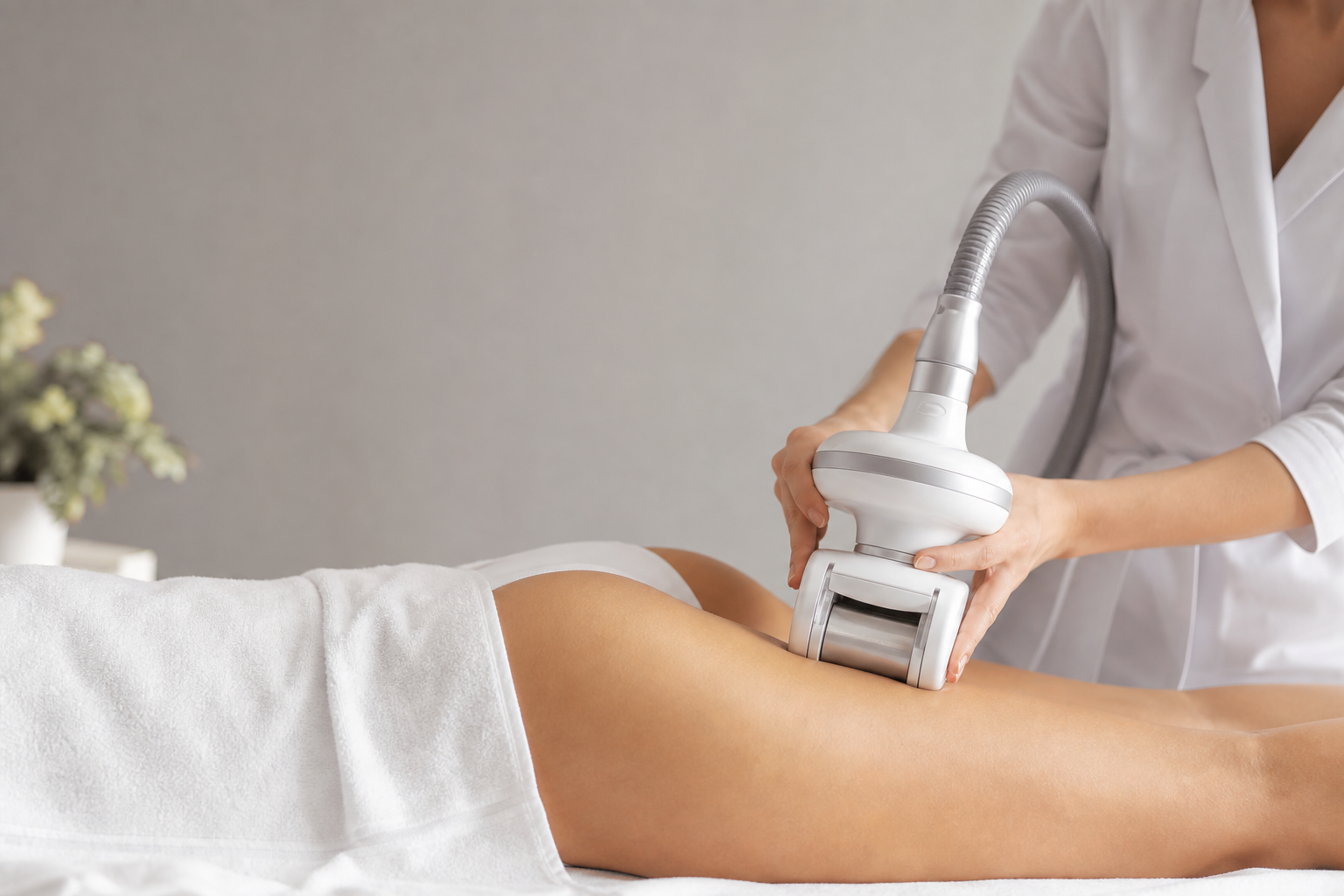
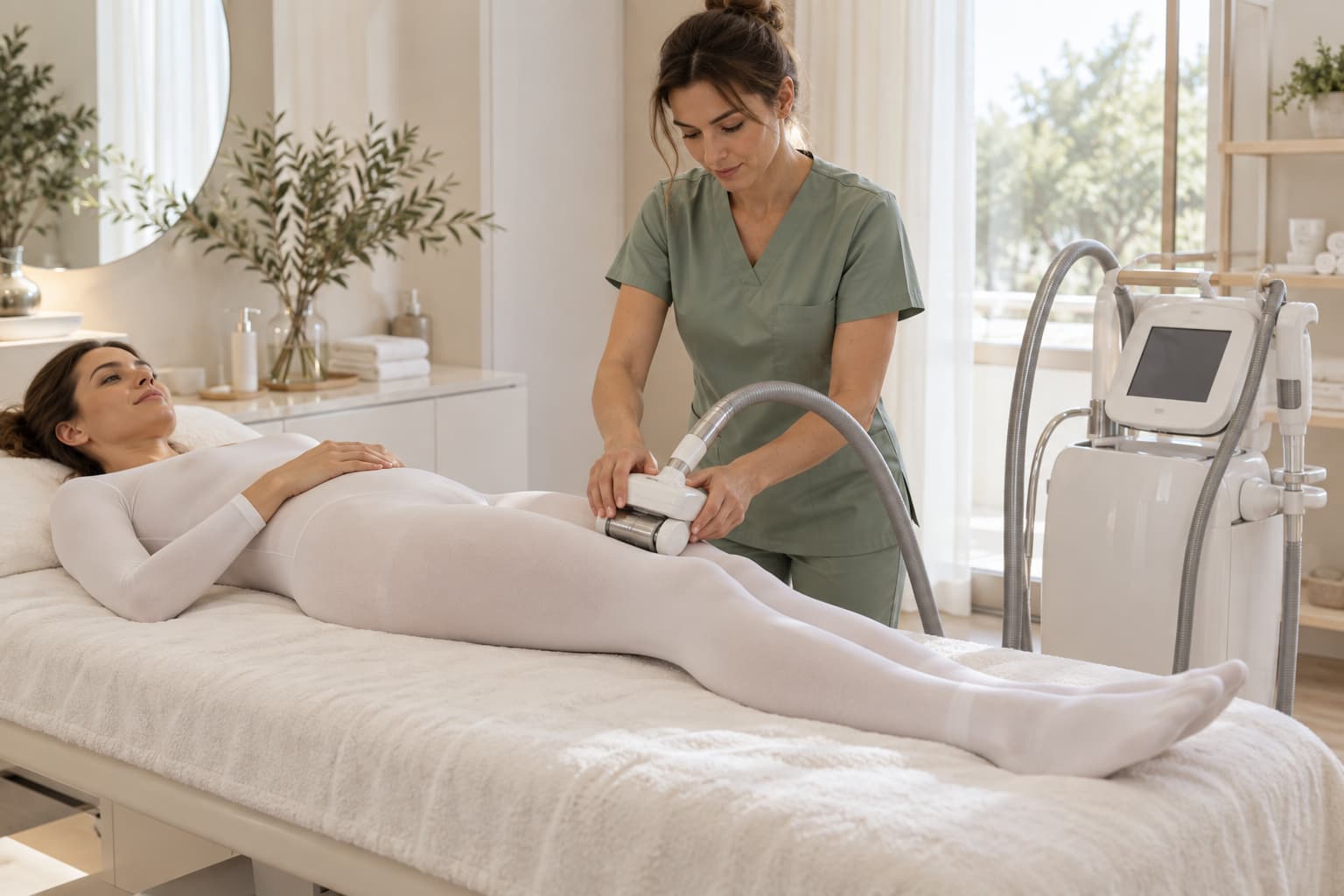
LPG endermology, originally developed in France, is a mechanized massage technique involving a motorized device equipped with motorized rollers and a vacuum system. This device performs a controlled suction and rolling action on the skin and underlying tissue, inducing a deep, stimulating massage effect.
The physiological effects prompted by LPG treatment include stimulation of fibroblasts—the cells responsible for producing collagen and elastin—thereby encouraging improved skin firmness and elasticity. Additionally, the treatment enhances blood and lymphatic circulation, which promotes drainage of excess fluids and reduction of local swelling. By mobilizing fat cells and breaking up fibrous septae—that tether fat cells and causatively deepen skin irregularities—this therapy helps smooth the skin's surface.
Beyond its mechanical activity, LPG may trigger molecular changes promoting local remodeling of adipose tissue and connective structures, leading to a gradual improvement in the appearance of cellulite. The treatment is non-invasive, typically painless, and does not require downtime, making it appealing for individuals seeking cosmetic enhancement without surgical intervention.
Who Stands to Benefit Most from LPG and Endermology for Cellulite?
LPG endermology is best suited for individuals experiencing mild to moderate cellulite, particularly when fibrous components and fluid retention contribute to its appearance. Ideal candidates often include those with relatively healthy skin tone but visible skin contour irregularities, who are looking to improve skin texture and firmness.
It is less effective for addressing extensive loose skin or large fat deposits, which may require complementary treatments such as radiofrequency, liposuction, or skin tightening procedures. Additionally, patients with significant medical conditions, active skin infections, or vascular diseases should seek medical advice before considering LPG therapy.
Moreover, LPG is valuable as a preventive measure for individuals noticing early signs of cellulite or those who are prone to fluid retention and mild fibrous changes, helping maintain skin vitality and circulation over time.
What Are the Expected Outcomes of Using LPG for Hard and Fibrotic Cellulite?
Hard (fibrotic) cellulite is characterized by dense, fibrous connective tissue that binds fat cells rigidly, causing conspicuous nodules and resistance to manual manipulation. Addressing this form requires therapies that effectively disrupt the fibrotic bands and enhance tissue pliability.
LPG’s mechanical rolling and suction action can assist by decompressing fibrotic tissue and facilitating increased blood flow, potentially softening these hardened areas over repeated sessions. Users often notice a gradual reduction in skin roughness and improved elasticity, although results manifest progressively and necessitate commitment to multiple treatment visits, often spaced over weeks.
It is important to maintain realistic expectations; while LPG can significantly improve the texture and tone of fibrotic cellulite, fully eradicating it is challenging. Optimal results tend to be achieved when LPG is integrated into a comprehensive treatment regimen combining lifestyle adjustments and adjunctive therapies.
In What Ways Does LPG Address Water Retention and Edema Associated with Cellulite?
Fluid accumulation in subcutaneous tissues contributes to swelling and worsens the visible aspects of cellulite. By enhancing lymphatic drainage and capillary circulation, LPG helps facilitate the evacuation of excess interstitial fluid.
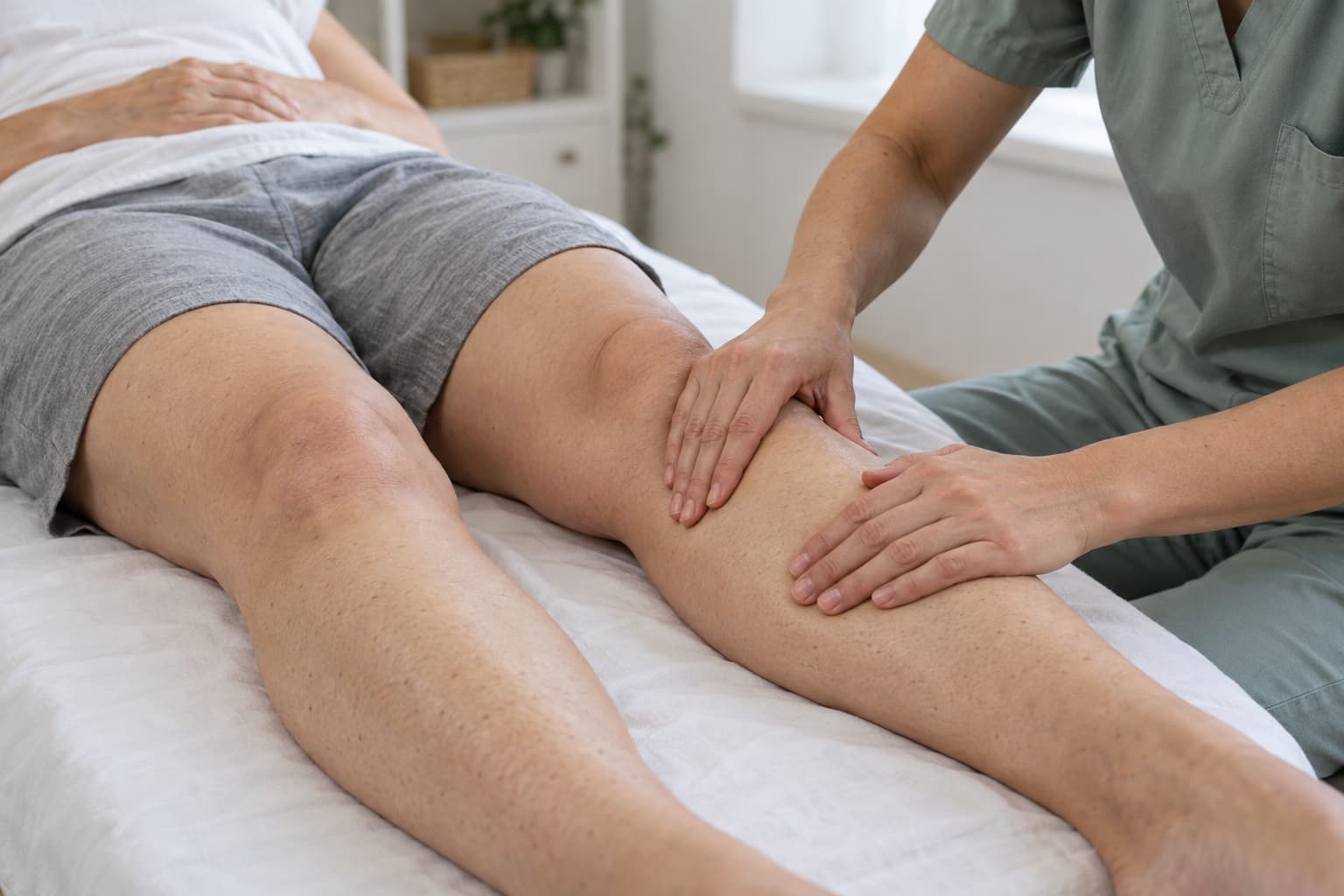
The mechanical stimulation activates lymphatic vessels, encouraging more efficient transport of lymph, which contains waste products and excess fluid, aiding in reducing localized edema. This effect not only diminishes puffiness but can also contribute to a smoother skin texture.
Consequently, LPG is particularly advantageous for individuals experiencing cellulite exacerbated by water retention, offering a clinical benefit that extends beyond mere cosmetic improvement. However, in cases of clinically significant edema due to cardiovascular or renal pathology, medical evaluation is vital before considering such treatments.
What Safety Considerations and Professional Evaluations Are Necessary Before Undergoing LPG Treatment?
LPG endermology is generally regarded as a safe procedure when performed by trained professionals under appropriate contraindications screening. Nevertheless, certain conditions necessitate caution or may exclude candidacy altogether. These include pregnancy, skin infections or inflammations, deep vein thrombosis, severe cardiovascular disorders, and history of malignancy in the treatment area.
A thorough professional assessment including medical history review, skin examination, and identification of underlying conditions is crucial to customize the treatment plan and mitigate risks. This evaluation ensures the LPG protocol is adapted to individual tissue characteristics, maximizing efficacy while avoiding adverse effects such as bruising or discomfort.
Because LPG does not address medical conditions that may mimic or contribute to skin irregularities, collaboration with healthcare providers is essential when in doubt to discern the suitability and safety of this therapy.
How Can LPG and Endermology Be Integrated with Complementary Body Care Strategies?
For enhanced and sustained outcomes, LPG is often incorporated into a holistic body care regimen. Consistent physical activity that stimulates circulation, lymphatic drainage massages, and topical applications containing active ingredients like caffeine or retinol can synergistically support tissue remodeling.
Additionally, maintaining optimal hydration and balanced nutrition fosters systemic health that reflects in skin quality. In some cases, combining LPG with other non-invasive technologies such as radiofrequency treatments may further enhance skin tightening and fat modulation.
The key to maximizing benefits lies in a personalized and multi-faceted approach guided by professionals experienced in aesthetic therapies, recognizing the complex nature of cellulite and its multifactorial etiology.