Cellulite remains one of the most common cosmetic concerns affecting a broad spectrum of individuals, particularly women following puberty and throughout adulthood, although men can be impacted to a lesser extent. Characterized by a dimpled, uneven skin texture often likened to the surface of an orange peel, cellulite arises from complex alterations in subcutaneous tissue structure. As understanding of its multifactorial genesis has expanded, advanced treatment modalities such as laser therapy, acoustic wave therapy, and subcision have emerged as promising approaches to mitigate its appearance. These sophisticated interventions operate through distinct mechanisms targeting the underlying anatomical and physiological factors contributing to cellulite.
This comprehensive editorial is crafted for readers seeking in-depth, evidence-based knowledge about these advanced cellulite treatments. It addresses those aiming to distinguish cellulite from other entities such as stubborn fat deposits, lax skin, edema, or certain medical conditions, and who desire a safe, informed route to body care. Awareness of the intricate biology of cellulite and insights into how modern procedures intervene are crucial to setting realistic expectations and making prudent choices when considering aesthetic enhancements.
The importance of this discourse is amplified amidst the proliferation of aesthetic therapies, many accessible with minimal diagnostic rigor, sometimes resulting in suboptimal outcomes or safety concerns. Laser treatments, acoustic wave therapy, and subcision hold substantial therapeutic potential when judiciously applied by experienced clinicians following thorough evaluation. This article elucidates the nuances of each treatment, clarifies their roles within a broader cellulite management strategy, highlights safety considerations, and reinforces the value of professional guidance.
Understanding Cellulite: Distinctions from Fat, Loose Skin, and Edema
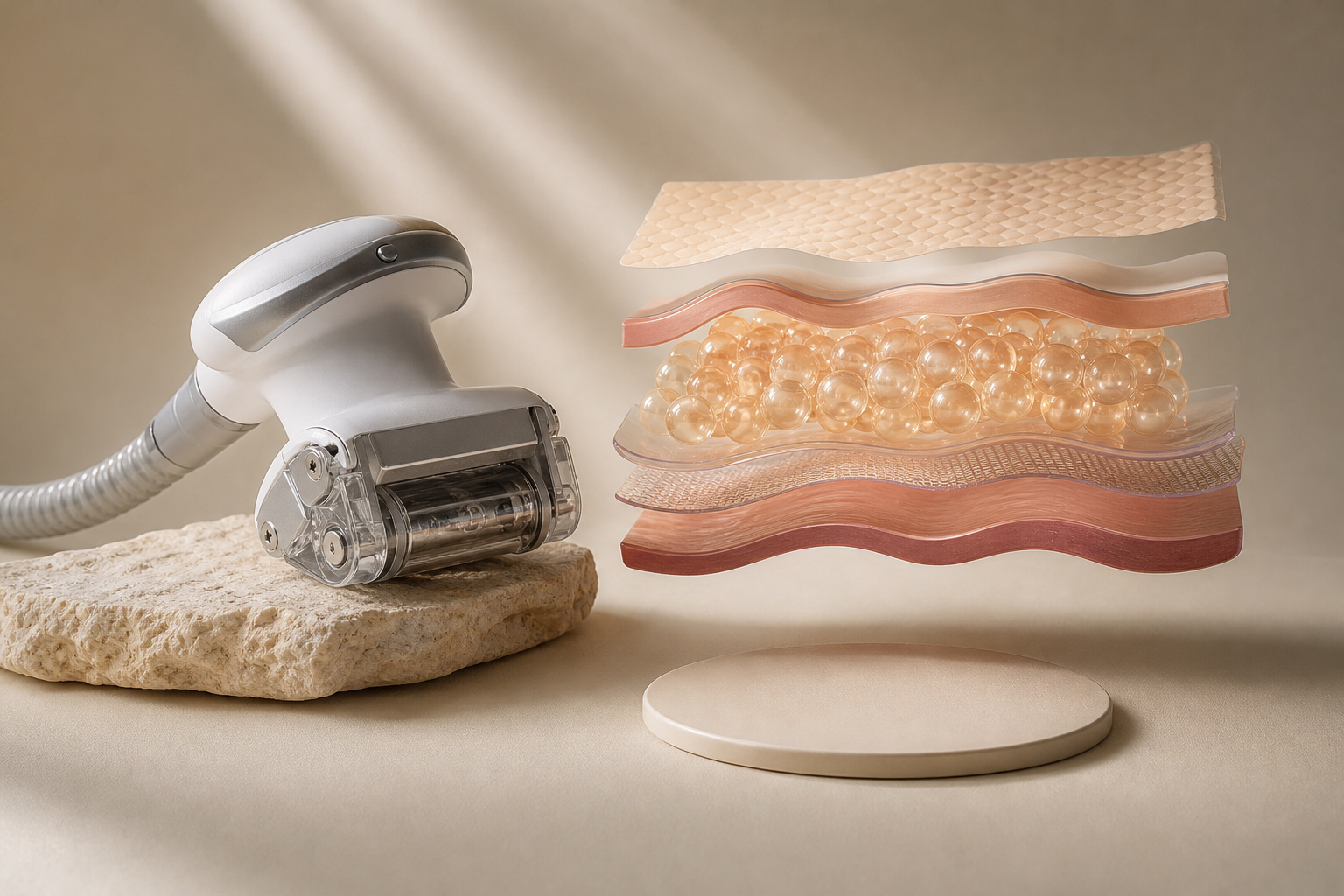
Before delving into the specifics of advanced therapeutic options, it is essential to clearly delineate what cellulite encompasses and how it differs from related subcutaneous skin conditions. Cellulite manifests as an irregular, puckered skin surface primarily located on the thighs, buttocks, abdomen, and upper arms. Its development involves a coordinated interplay of altered fat cell distribution beneath the dermis, compromised microvascular flow including capillary and lymphatic circulation, inflammatory processes, and weakening of skin connective tissue.
Crucially, cellulite should not be conflated with generalized adiposity or fat deposits, which often present as more uniform bulges without surface dimpling. Likewise, loose or sagging skin, typically due to aging or significant weight fluctuations resulting in diminished elasticity and collagen degradation, presents distinctly and responds differently to treatment. Edema, characterized by localized fluid retention, also contributes to skin texture changes but signifies an underlying pathological or systemic condition and mandates medical intervention separate from aesthetic cellulite therapies.
Recognizing these differences is foundational when selecting appropriate treatment pathways. Cellulite itself exhibits various classifications and stages — from mild, transient irregularities to persistent, pronounced depressions — each necessitating tailored management. Advanced interventions aim to remodel the altered connective framework, enhance circulation, and stimulate dermal regeneration to counteract the characteristic skin topography changes.
Mechanisms of Action: How Laser Treatments Target Cellulite
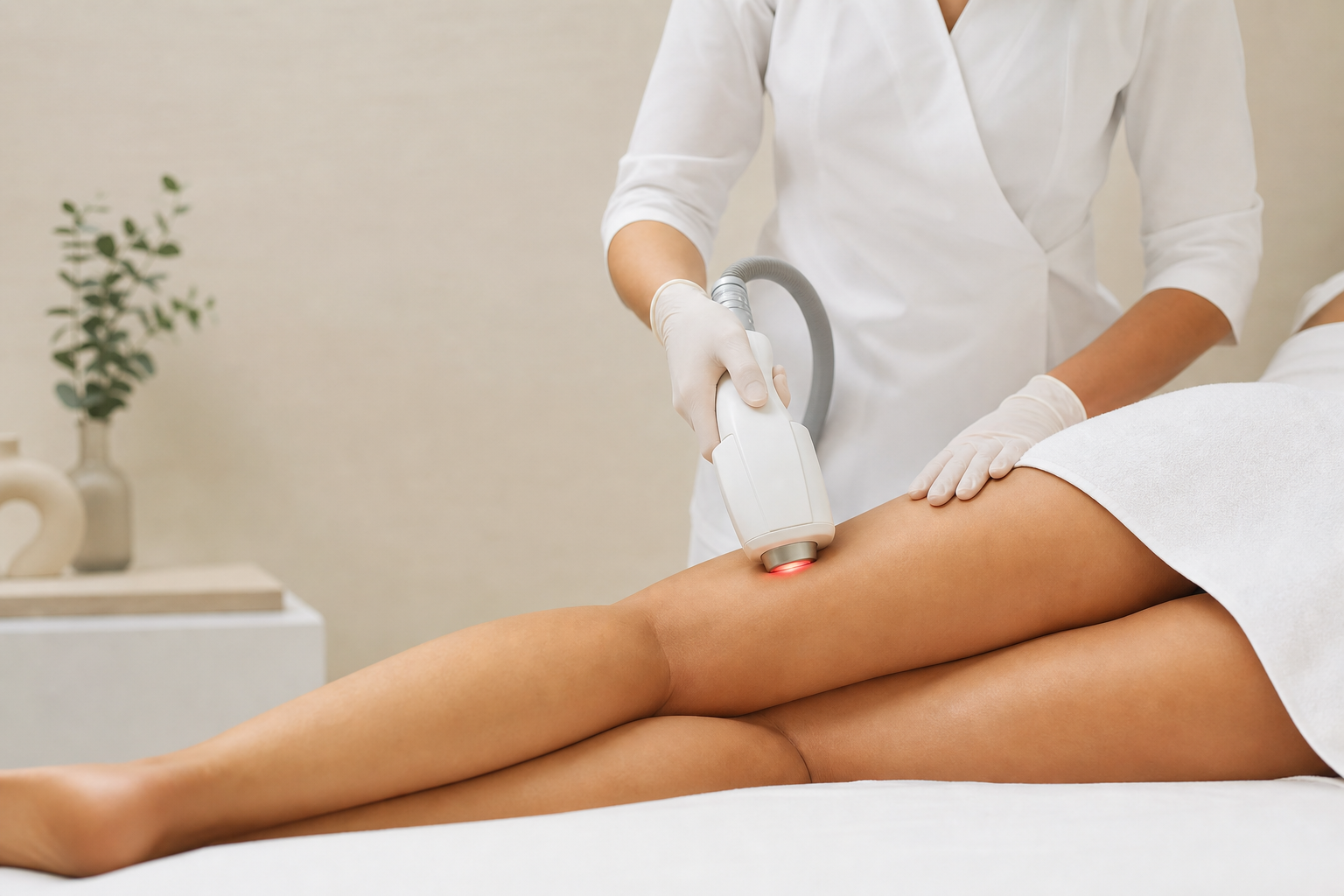
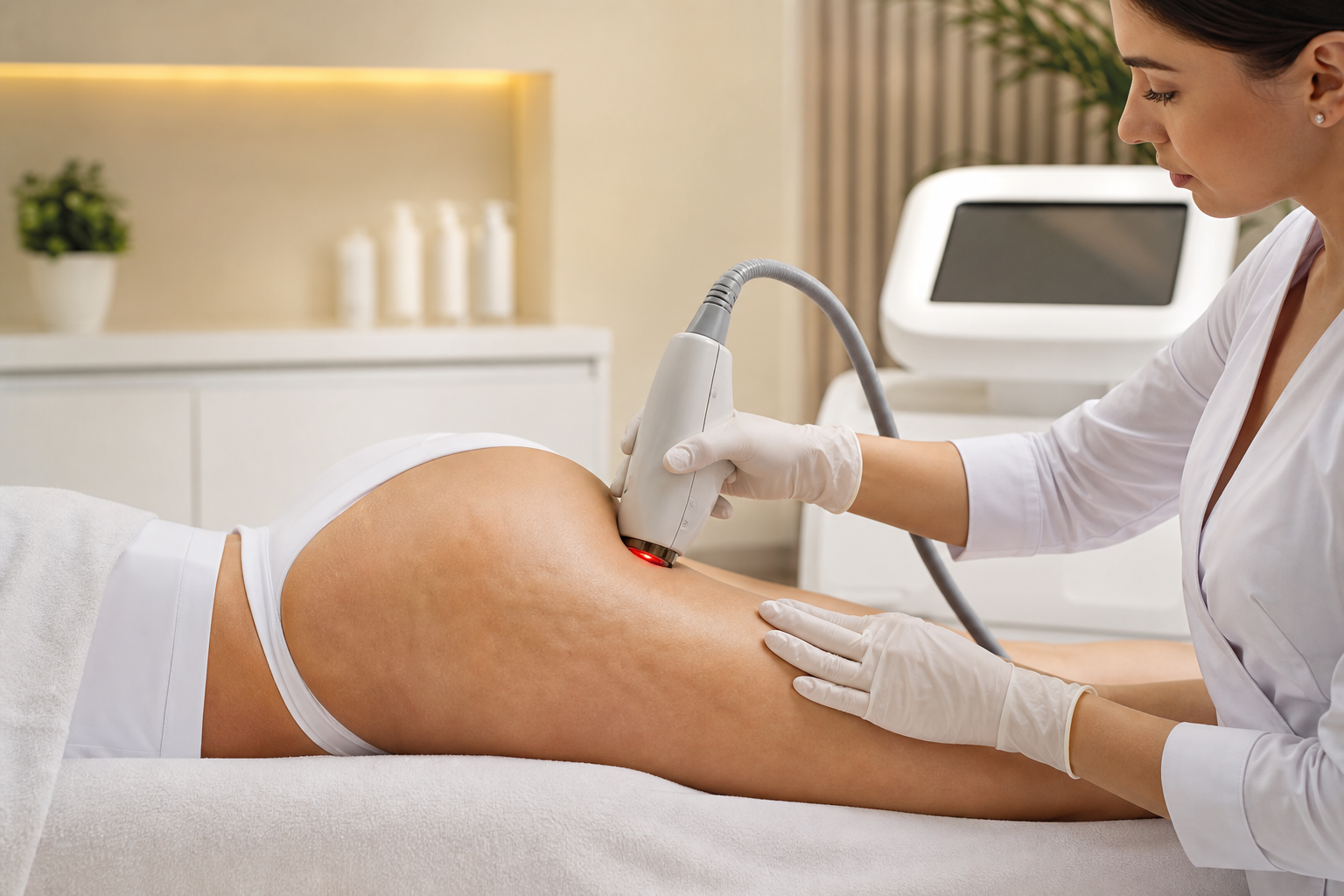
Laser therapies represent one of the foremost advanced techniques addressing cellulite by harnessing concentrated light energy to stimulate physiological responses within affected tissues. The emitted laser energy penetrates the epidermal barrier to reach the targeted subcutaneous layers, delivering controlled heat that encourages collagen remodeling and neocollagenesis—the formation of new collagen fibers essential for skin strength and elasticity.
Additionally, laser treatment promotes improved microcirculation by dilating blood vessels and enhancing lymphatic drainage, which can mitigate inflammatory states and fluid retention contributing to cellulite formation. Some laser systems also exert lipolytic effects, subtly disrupting adipocytes without the invasiveness of surgical fat removal, although their primary impact focuses on optimizing skin texture and firmness rather than extensive fat reduction.
Clinically, multiple treatment sessions are generally necessary to achieve visible improvements, with gradual results emerging over weeks to months as collagen regeneration progresses. Patient selection is pivotal, as laser therapies are most efficacious in individuals with mild to moderate cellulite and relatively good skin tone. Safety profiles are favorable when conducted by trained specialists; nevertheless, temporary redness, mild swelling, and transient sensitivity are common post-procedure experiences. Laser treatments, while powerful, do not offer an absolute cure but serve as integral components within a multimodal cellulite management paradigm.
Acoustic Wave Therapy: Mechanical Stimulation for Improved Skin Texture
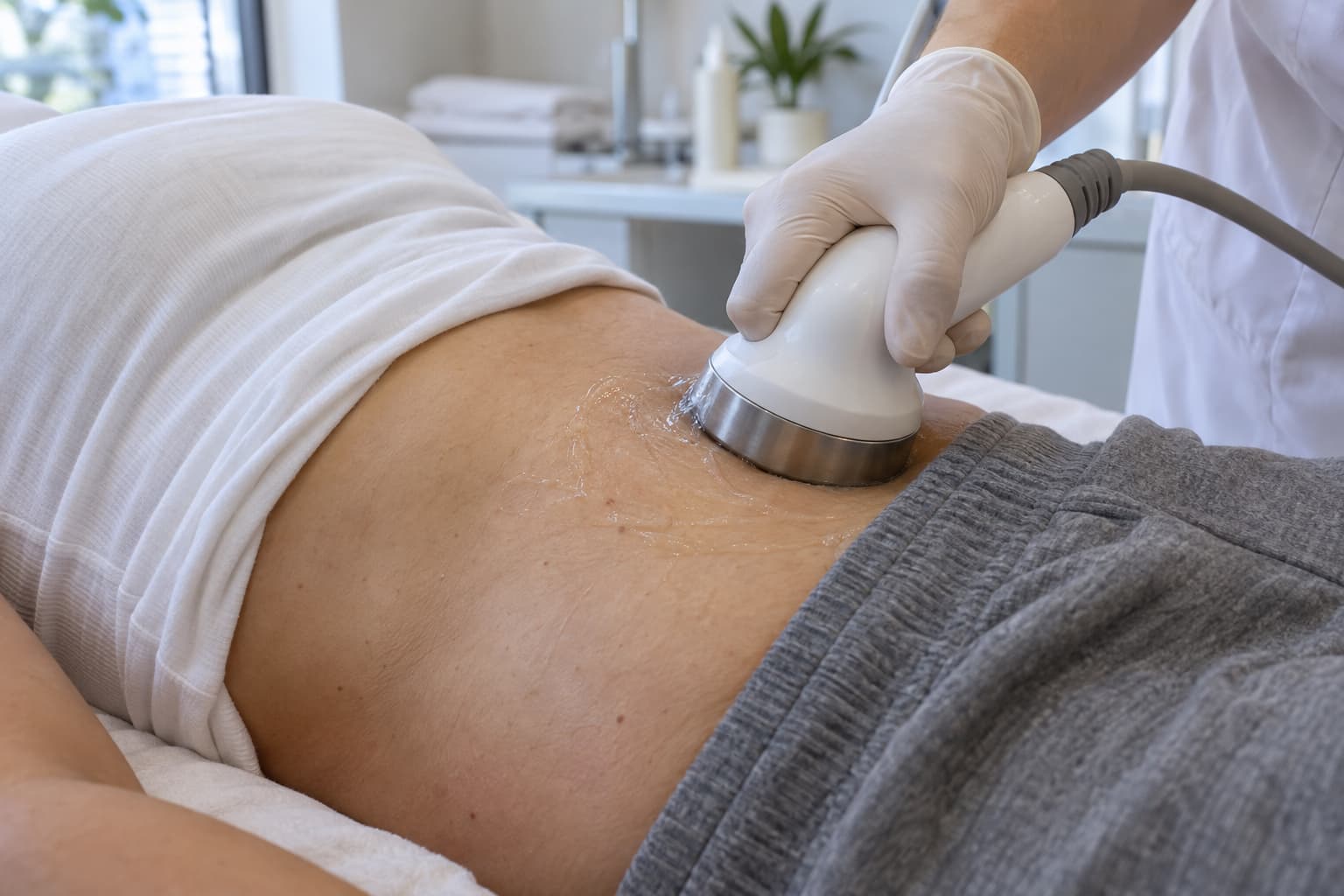
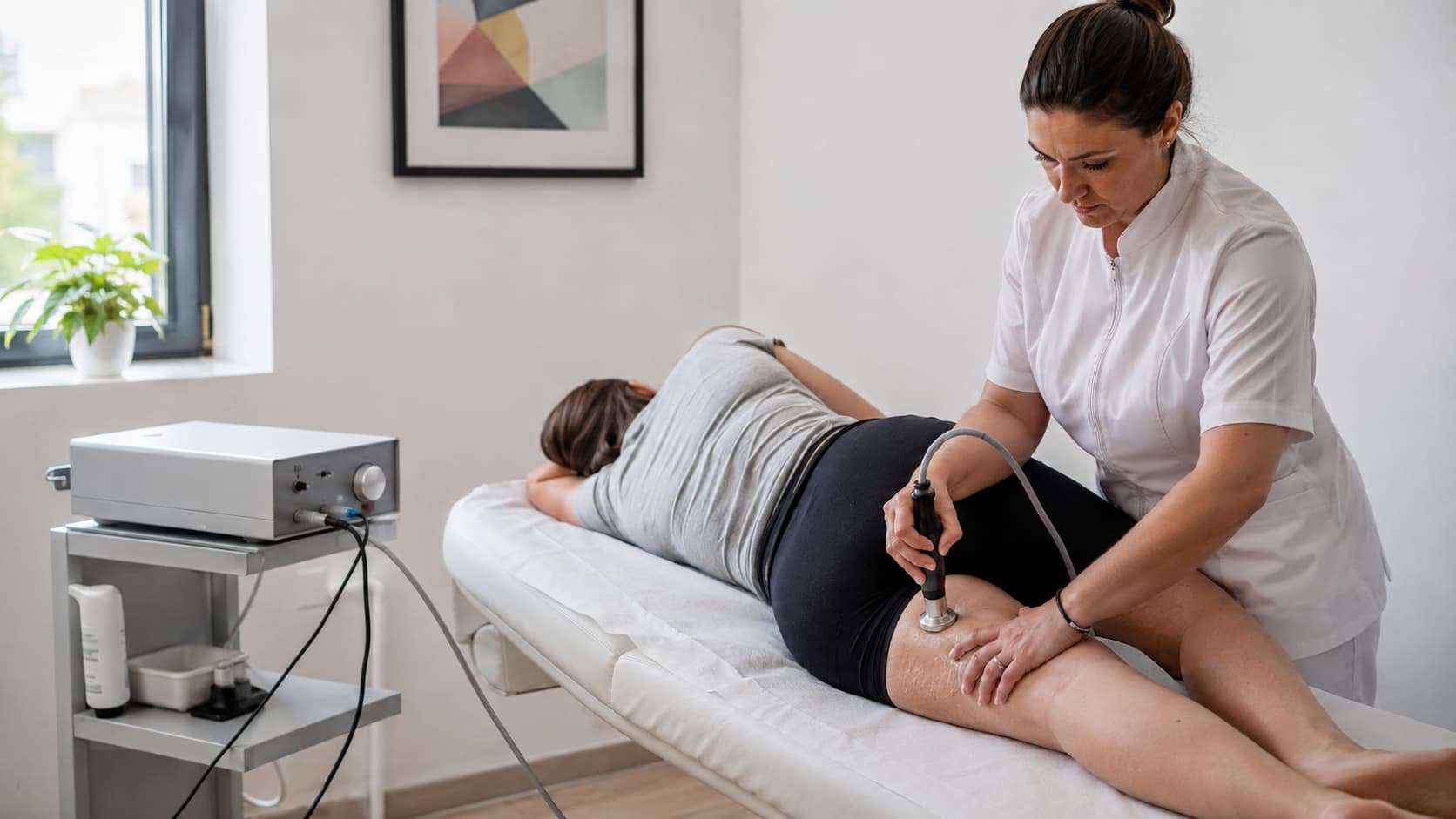
Acoustic wave therapy involves the application of high-frequency sound waves, also termed shock waves, directed below the skin to physically disrupt the fibrous bands tethering the skin and creating characteristic cellulite dimpling. The mechanical energy transmitted stimulates enhanced blood flow, accelerates tissue metabolism, and promotes lymphatic clearance, which jointly contribute to tissue detoxification and regeneration.
By targeting the pathological fibrosis within subcutaneous tissue, acoustic waves facilitate the breakdown of rigid connective structures restricting smooth skin contours. This treatment modality is non-invasive and well-tolerated, often employed in sequence with other therapies to maximize cumulative benefits. Regular sessions spaced over weeks can induce marked refinements in skin elasticity and surface evenness.
Contraindications, such as acute infections or bleeding disorders, require consideration, underlining the necessity for thorough pre-treatment assessment by healthcare professionals versed in body contouring techniques. While acoustic wave therapy offers promising adjunctive benefits, expectations should be moderated as it generally serves to improve texture rather than eradicate cellulite entirely.
Subcision: Targeted Release of Fibrous Septae Underlying Cellulite Depressions
Subcision is a minimally invasive procedural approach specifically addressing the tethering fibrous septae responsible for creating the localized skin depressions typifying advanced cellulite. Executed under local anesthesia, a fine, specialized needle or blade is introduced beneath the skin to sever these deficient connective bands, effectively releasing the depressed areas and allowing the skin surface to elevate toward a smoother profile.
The mechanical release induced by subcision initiates a controlled wound healing response that not only alleviates the depressions but also encourages collagen deposition, contributing to longer-term skin resilience. Post-procedural recovery is generally swift, with minor side effects such as bruising and mild swelling expected transiently.
Subcision is most suitable for individuals presenting with pronounced cellulite characterized by fibrous adhesions rather than diffuse soft skin laxity. Often, it is employed synergistically with laser or acoustic wave treatments to comprehensively address cellulite through complementary mechanisms. Patient candidacy and procedural planning require expertise from skilled dermatologists or cosmetic surgeons to optimize outcomes and mitigate risks.
Setting Realistic Expectations: Benefits and Limitations of Advanced Cellulite Treatments
While advances in technology have expanded the therapeutic repertoire against cellulite, it remains imperative to approach treatment with informed realism. Cellulite’s etiology is multifactorial—encompassing genetics, hormonal milieu, tissue biomechanics, and lifestyle factors—rendering a multifaceted treatment strategy necessary.
Advanced interventions such as laser therapy, acoustic wave therapy, and subcision can produce significant cosmetic improvements by smoothing skin, tightening tissues, and disrupting pathological fibrous bands. However, none guarantees complete or permanent resolution. Typically, a series of treatments combined with lifestyle modifications yields the most favorable, lasting results.
Limitations also include individual variability in response, potential procedural discomfort, costs, and the need for maintenance sessions. Moreover, severe or long-standing cellulite may require adjunctive therapies or combined modalities, particularly where concomitant loose skin or extensive fat deposits contribute to overall contour irregularities.
Emphasizing collaboration with qualified clinicians experienced in cellulite and body contouring ensures tailored, safe approaches aligning with patient goals and physiological conditions.
The Essential Role of Professional Assessment in Choosing the Right Treatment
Embarking on any advanced cellulite treatment necessitates comprehensive professional evaluation to accurately diagnose the extent and nature of skin and subcutaneous tissue changes. This assessment often includes visual examination, palpation, and may incorporate imaging techniques such as high-frequency ultrasound to discern tissue architecture beneath the skin.
Such meticulous evaluation differentiates cellulite from other conditions necessitating distinct management and identifies contraindications such as active infections, bleeding disorders, or systemic illnesses. The healthcare provider’s expertise is instrumental in customizing treatment plans that consider individual anatomy, skin type, and expectations, thereby maximizing efficacy and minimizing adverse events.
Patient education during consultation reinforces understanding of treatment mechanisms, the incremental nature of improvements, and the importance of adjunct lifestyle measures. This preparatory step fosters realistic anticipation and facilitates informed consent.
Integrating Professional Therapies with Home Care for Sustainable Results
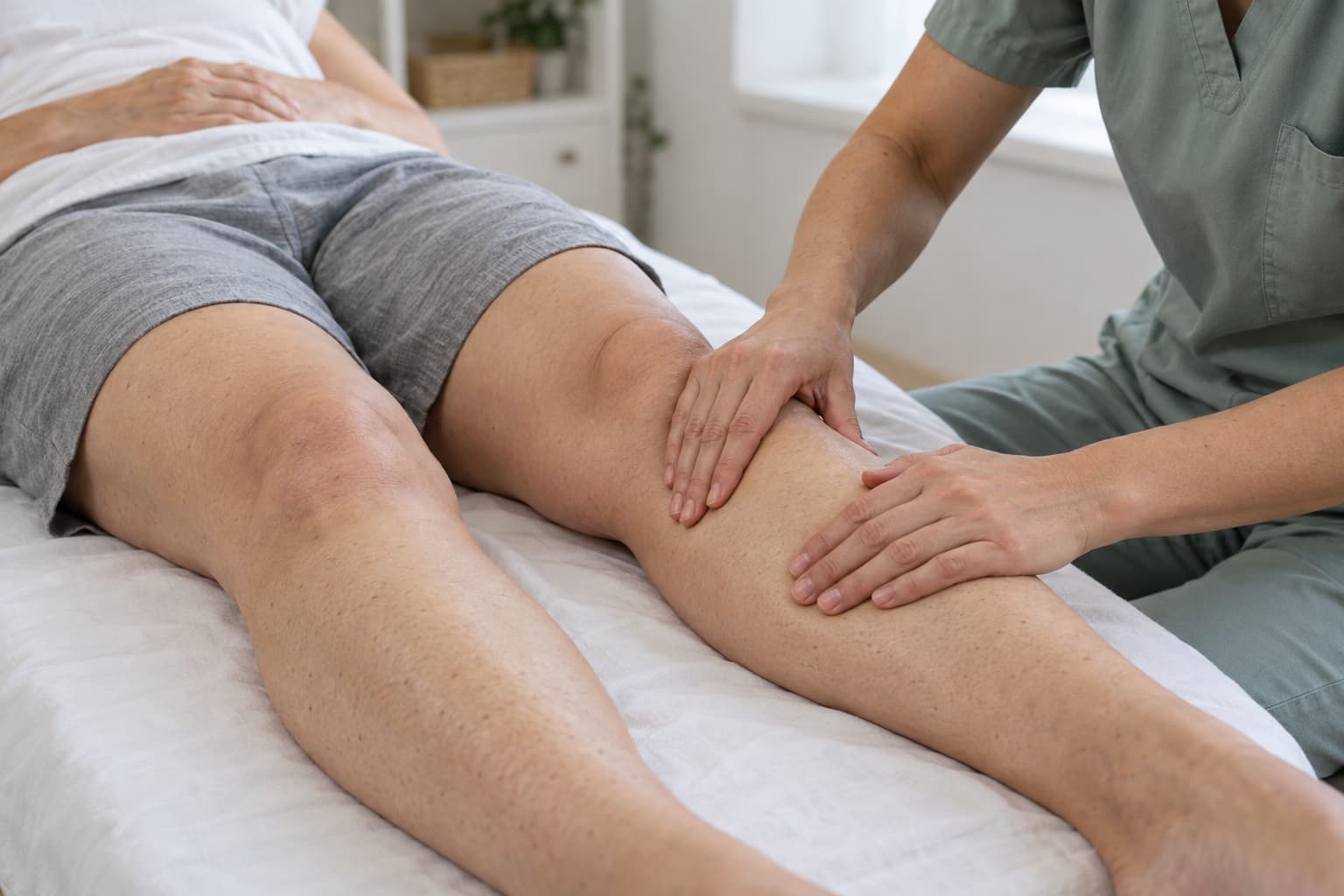
Optimal cellulite management transcends isolated clinical procedures by integrating daily personal care routines that support and extend treatment benefits. Regular massage of treated areas enhances circulation and lymphatic flow, complementing professional interventions. Topical applications containing active agents such as caffeine, retinoids, and peptides can contribute to optimizing skin texture when used consistently.
Nutritional strategies emphasizing antioxidant-rich foods, adequate hydration, moderated salt intake, and avoidance of toxins like tobacco further augment microcirculatory health and tissue metabolism. Incorporating regular physical activity stimulates muscular tone and increases systemic circulation, both crucial factors in combating cellulite’s recurrence.
Such a holistic regimen, coordinating sophisticated in-clinic treatments with diligent self-care, represents the cornerstone of durable improvement in the appearance of cellulite.