Cellulite is a pervasive cosmetic concern affecting a significant portion of the population, particularly women, manifesting as dimpled or uneven skin commonly found on the thighs, buttocks, and abdomen. For many, these visible irregularities detract from their self-confidence and often prompt a search for effective remedies. Among the most accessible and frequently recommended approaches is exercise, promising not only improved fitness and wellbeing but also the potential to diminish the appearance of cellulite.
This article addresses the central question: Can exercise eliminate cellulite? It is tailored for individuals seeking a realistic, evidence-based understanding of how physical activity interacts with the underlying causes of cellulite, what results can be anticipated, and the limitations inherent in exercise interventions. Understanding whether targeted training can smooth skin dimples involves exploring the anatomy of cellulite, its etiology, and how exercise impacts the various physiological processes implicated in its development.
By navigating the complexities of cellulite—from the contributory role of subcutaneous fat and connective tissue structure to the influence of circulation and lymphatic function—this editorial provides a comprehensive view for readers invested in adopting effective strategies. Additionally, insights into appropriate exercise modalities, safety considerations, and when to seek specialist consultation offer a holistic perspective. Through this meticulous examination, readers will gain clarity on exercise's role within a broader, multimodal treatment landscape aimed at improving skin texture and appearance.
What Is Cellulite and Why Is It So Common?
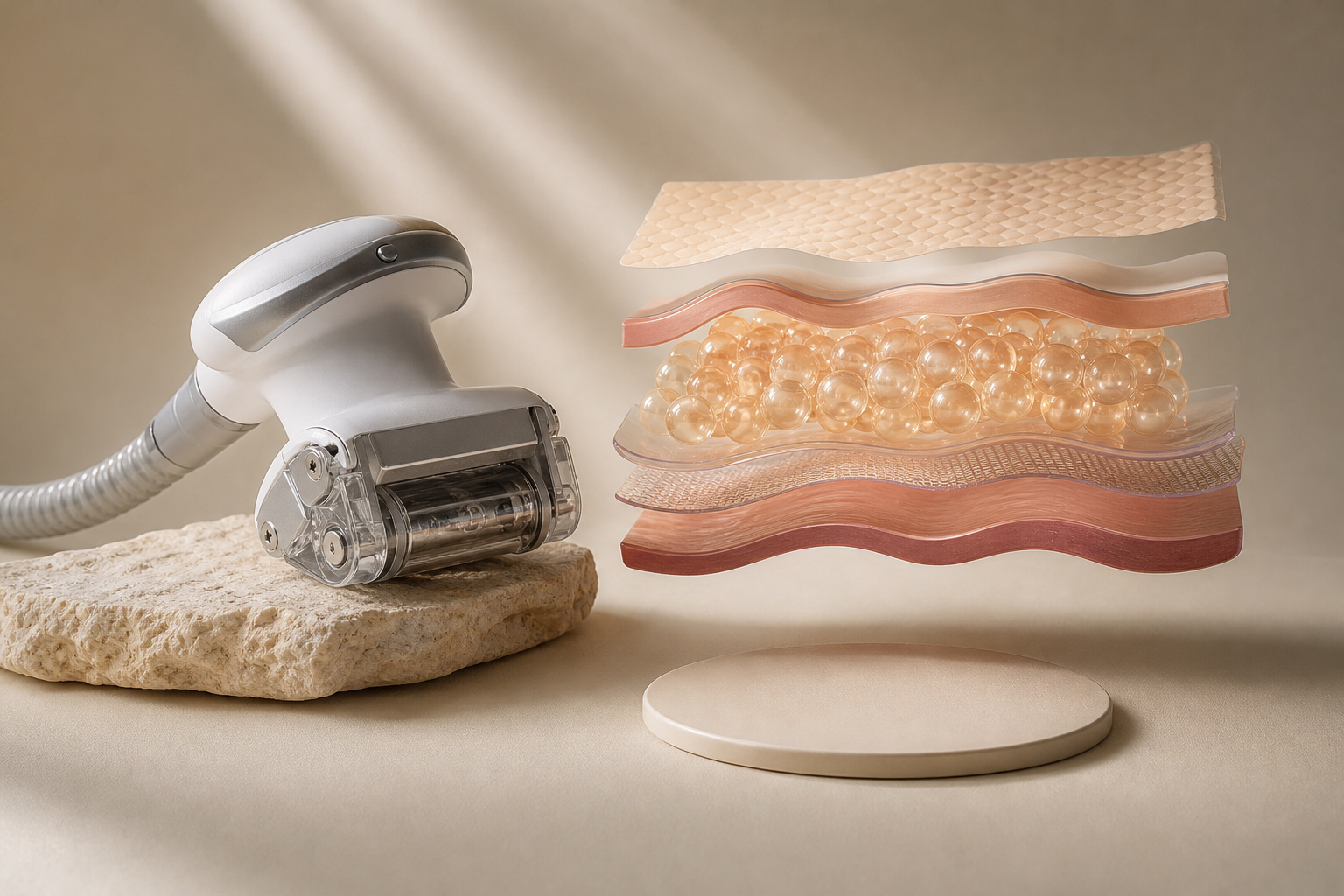
Cellulite is not simply fat beneath the skin; it is a multifactorial condition characterized by the interaction of fat deposits with fibrous connective tissue bands that tether the skin to underlying muscle. These bands can create tension and puckering, producing the hallmark “orange peel” or dimpled surface texture. The accumulation and swelling of fat cells, combined with changes in connective tissue and fluid retention, intensify the unevenness seen on the skin's surface.
This condition predominantly affects women, with estimates suggesting up to 80-90% of females experience some degree of cellulite regardless of their weight or fitness level. Biological factors play a vital role, including hormonal influences such as estrogen that affect fat distribution and connective tissue elasticity. Genetic predisposition also determines individual variability in skin structure and vascular function, making cellulite more or less pronounced.
Understanding cellulite as a complex interplay of adipose tissue dynamics, connective tissue remodeling, and microcirculatory alterations underscores why it persists even in lean individuals. It explains why a one-dimensional approach, such as exercise alone, may be insufficient for complete resolution.
Who Benefits Most from Exercise as a Cellulite Management Strategy?
Exercise is universally beneficial for overall health, but its effectiveness in managing cellulite is nuanced. Individuals experiencing mild to moderate cellulite, particularly those in early stages where skin elasticity is relatively preserved and fat deposits are not excessive, stand to gain the most noticeable improvements. These are often women who have identified the first visible signs of dimpling and are motivated to intervene proactively.
Conversely, those with advanced cellulite characterized by significant fibrotic changes or extensive subcutaneous fat accumulation may find that exercise alone is limited in reversing these deeper structural alterations. For such individuals, exercise forms an essential component of a multimodal approach that includes dietary modifications, topical treatments, and possibly professional interventions.
Moreover, people who are sedentary can experience substantial benefits through initiating physical activity—not only towards moderate improvement of cellulite appearance but also with broader gains in skin quality, muscle tone, and metabolic health. Thus, exercise should be positioned as a foundational element within a comprehensive skin-enhancement plan rather than a standalone cure.
How Does Exercise Influence the Formation and Appearance of Cellulite?
Exercise impacts cellulite through several biological mechanisms, some directly targeting the contributing factors, others offering more systemic improvements. First, regular physical activity enhances local blood flow and lymphatic drainage. Improved circulation facilitates nutrient delivery and accelerates the removal of metabolic waste products and excess interstitial fluid. This decrease in fluid retention can reduce skin puffiness and improve surface texture.
Second, exercise promotes lipolysis—the breakdown of fat stores—which can reduce the volume of subcutaneous fat cells responsible for creating bulges beneath the skin. A reduced fat volume means less pressure on the connective tissue bands tethering the skin, which in turn lessens the visible puckering effect.
Third, resistance training leads to muscle hypertrophy and toning beneath the skin. Well-developed muscles provide a firmer base, increasing skin tension and thereby diminishing the prominence of cellulite dimples. Enhanced muscle tone also supports better posture and functional movement, which may further optimize the skin’s appearance.
Nonetheless, exercise does not directly modify the fibrous septae that structurally partition fat lobules and contribute to the skin’s irregular surface. These connective tissues often require targeted dermatological or aesthetic interventions for substantive change.
What Types of Exercise Are Most Effective Against Cellulite?
Optimal management of cellulite through exercise involves a balanced combination of cardiovascular training and strength-based workouts. Cardiovascular activities, like running, brisk walking, cycling, and swimming, elevate heart rate and stimulate widespread blood flow, facilitating fat metabolism and improving vascular function in areas prone to cellulite.
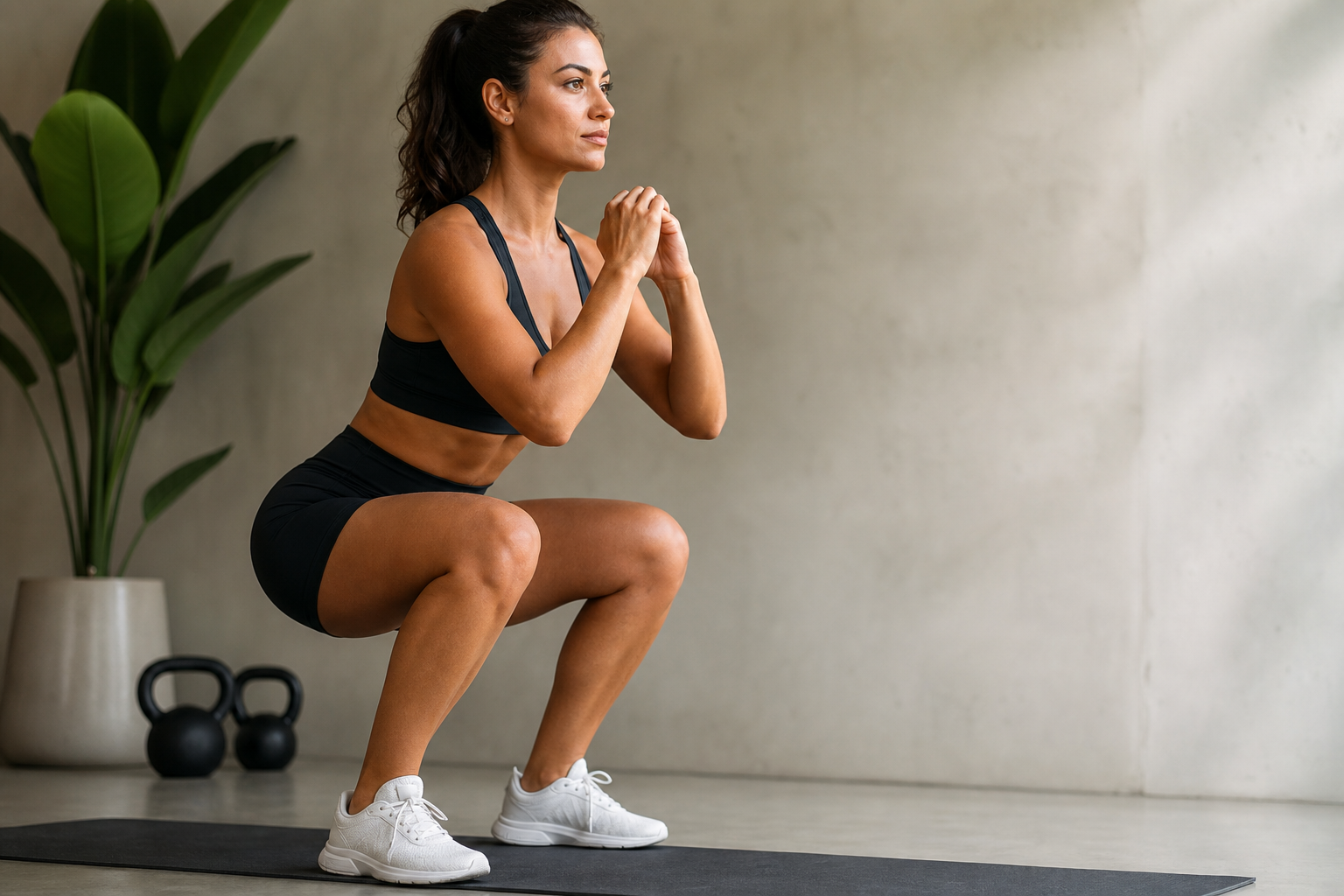
Strength or resistance training complements this by focusing on building lean muscle mass, particularly in the lower body regions most affected by cellulite—such as the gluteals, thighs, and hips. Exercises like squats, lunges, deadlifts, glute bridges, and leg presses target these areas effectively. Resistance training enhances muscle volume, resulting in firmer underlying structures that lend a smoother contour to the overlying skin.
Incorporating flexibility and mobility exercises, such as yoga or Pilates, can also support tissue health by promoting circulation around connective tissues and reducing stiffness, offering a holistic approach to skin and muscle conditioning.
Can Muscle Growth Fully Resolve Cellulite?
While muscle development markedly improves skin tension and contour, it is unrealistic to expect complete cellulite eradication through muscle growth alone. The intrinsic structural characteristics of the connective tissue and the distribution of fat cells continue to play a pivotal role in cellulite visibility.
Muscle hypertrophy effectively lifts and firms the regions beneath the skin, often leading to a subjectively smoother appearance and increased confidence. However, the underlying fibrous bands remain unchanged unless addressed by other interventions. Hence, muscle growth should be viewed as an important but partial contributor to cellulite improvement.
How Does Circulation Affect Cellulite, and How Is It Enhanced by Activity?
Compromised microcirculation and lymphatic drainage are central features in the development and exacerbation of cellulite. Reduced blood flow leads to inadequate oxygenation and nutrient delivery, while sluggish lymphatic flow promotes fluid retention and toxin buildup, swelling tissues and accentuating skin irregularities.
Physical activity stimulates vascular and lymphatic systems by increasing muscle contractions, which act as pumps encouraging fluid movement. Cardiovascular exercise is especially effective, elevating systemic circulation and directly impacting the affected skin regions. Even low-intensity activities, such as walking, play a valuable role in maintaining circulation and mitigating fluid accumulation, which contributes to smoother skin texture over time.
Practical Guidelines for Exercising to Minimize Cellulite
Consistency and methodical progression are paramount when using exercise to manage cellulite. Starting with a baseline of moderate intensity workouts tailored to individual capacity ensures safety and sustainable adherence. Incorporate a blend of cardio exercises to accelerate fat metabolism and resistance training targeting the cellulite-prone areas at least three times per week to optimize outcomes.
Prioritize proper form to maximize efficacy and minimize injury risk, particularly for weight-bearing or strength exercises. Including stretching and flexibility routines enhances tissue elasticity and promotes recovery. Hydration before, during, and after exercise supports circulation and tissue health.
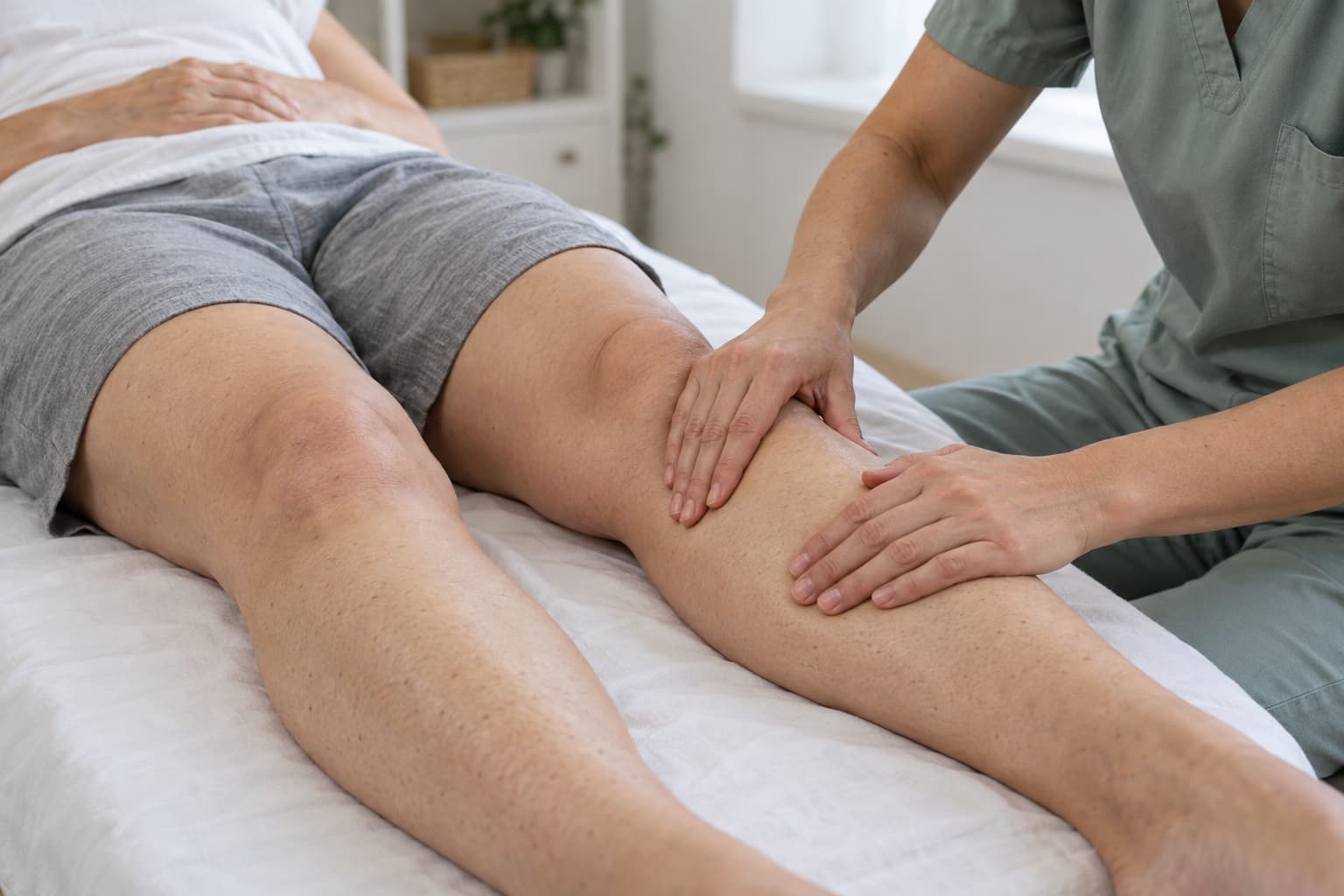
Integrating post-exercise self-massage or professional lymphatic drainage therapies may augment the effects of physical activity by further stimulating fluid movement and improving skin texture.
When Should You Consult a Specialist About Cellulite?
While exercise and lifestyle modifications primarily suffice for managing mild to moderate cellulite, there are circumstances warranting professional input. If cellulite is accompanied by discomfort, inflammation, or sudden changes in skin color, prompt examination by a dermatologist or healthcare provider is essential.
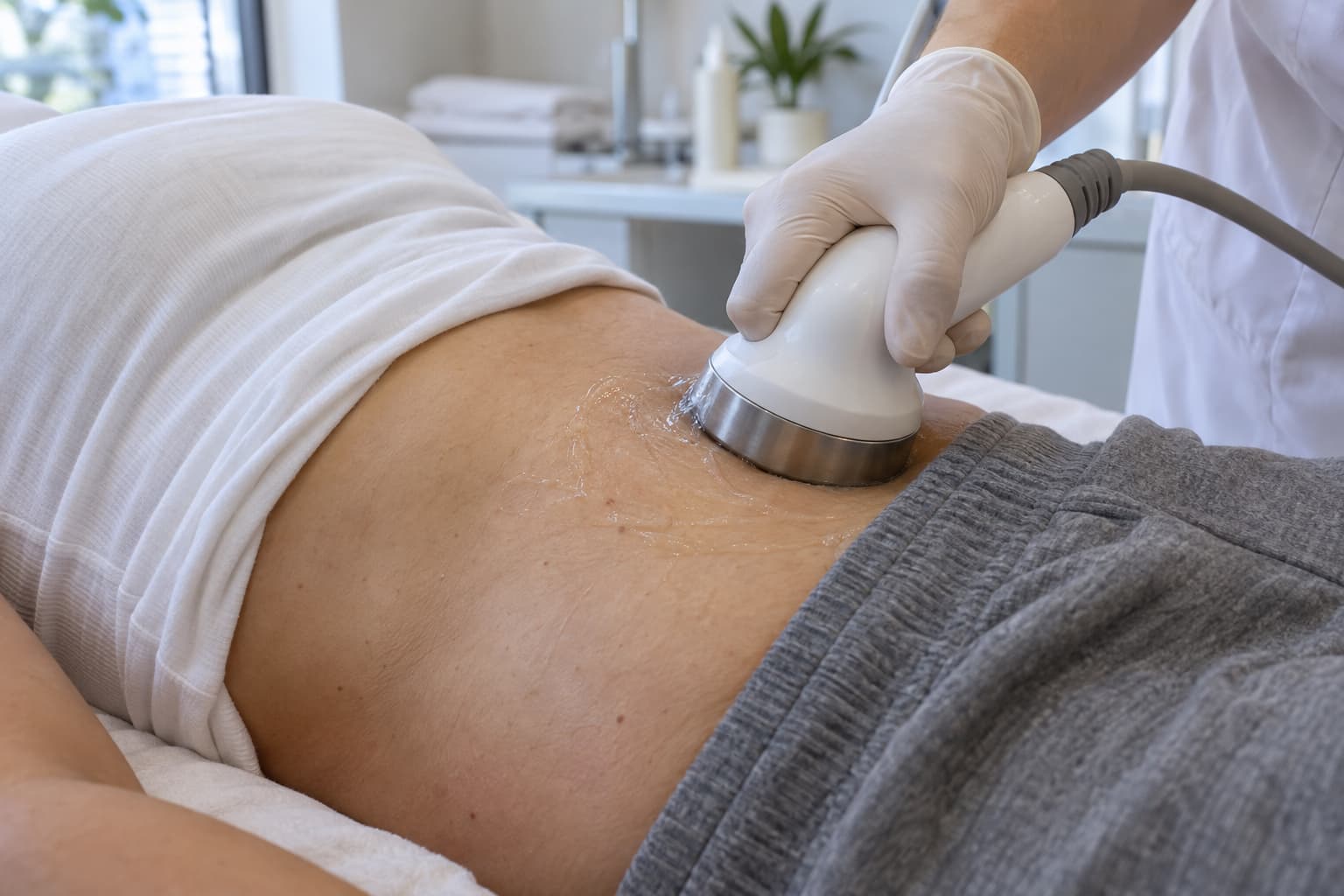
Individuals with underlying health conditions, such as vascular disorders, lymphatic insufficiencies, or musculoskeletal injuries, should seek guidance from qualified physiotherapists or fitness professionals before embarking on an exercise regimen. Specialists can tailor programs to address unique needs and recommend adjunctive treatments like topical therapies, laser procedures, or radiofrequency treatments in concert with exercise.