Cellulite is a common concern affecting a broad spectrum of individuals, transcending age, gender, and body type. Characterized by the dimpled, uneven texture of the skin, often likened to "orange peel," cellulite predominantly appears on areas such as the thighs, buttocks, and abdomen. While it is widely recognized as an aesthetic issue, understanding the nuances and variations within cellulite is essential for selecting effective care and treatment strategies. Not all cellulite is the same, and recognizing the different types can empower those interested in body care to approach this condition with knowledge, realistic expectations, and safety in mind.
This exploration is intended for anyone who seeks a detailed, expert perspective on cellulite types — from individuals curious about their own skin changes to practitioners aiming to deepen their understanding of this complex condition. By delineating the various forms of cellulite and explaining their distinct causes and characteristics, this article aims to guide readers towards informed decisions about treatment options that are appropriate and effective.
Comprehending the types of cellulite is not merely about aesthetics. Each category can reflect different underlying physiological phenomena, such as circulatory challenges, connective tissue alterations, or fluid retention. These differences necessitate diverse approaches in care routines and therapeutic interventions. Moreover, awareness about the nature of cellulite encourages consultation with qualified specialists when necessary, enhancing treatment safety and outcomes.
What is Cellulite and How Does It Develop?
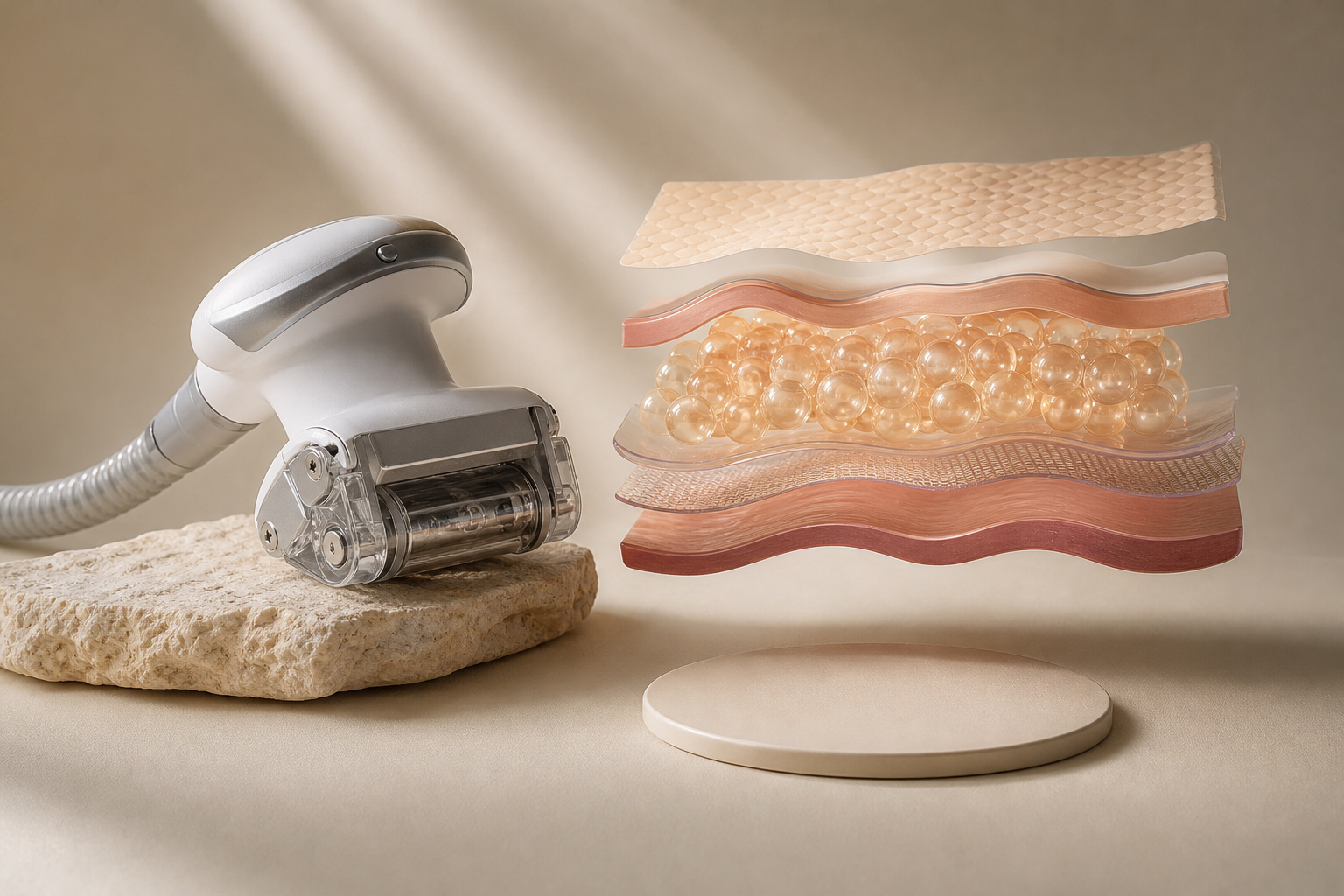
Cellulite refers to the visible alterations in skin texture caused by changes in underlying fat, connective tissue, and circulation. It manifests as irregularities on the skin surface, identifiable by its characteristic lumpy and dimpled appearance. This phenomenon primarily results from localized fat deposits pushing against weakened connective tissue, causing the skin to buckle and form uneven contours.
The development of cellulite is influenced by various biological mechanisms, including the accumulation of subcutaneous fat cells within the interstitial tissue, microcirculatory disturbances, lymphatic fluid retention, and modifications in collagen fiber structure. These factors contribute collectively to impaired blood and lymph flow, fostering an environment where toxins and excess fluids accumulate, exacerbating skin irregularities.
It is important to emphasize that cellulite is not a medical illness but rather a complex aesthetic condition with metabolic implications within localized tissues. Understanding the biology of cellulite initiation and progression is the first step toward appreciating why different types require tailored care strategies.
How Are Different Types of Cellulite Classified?
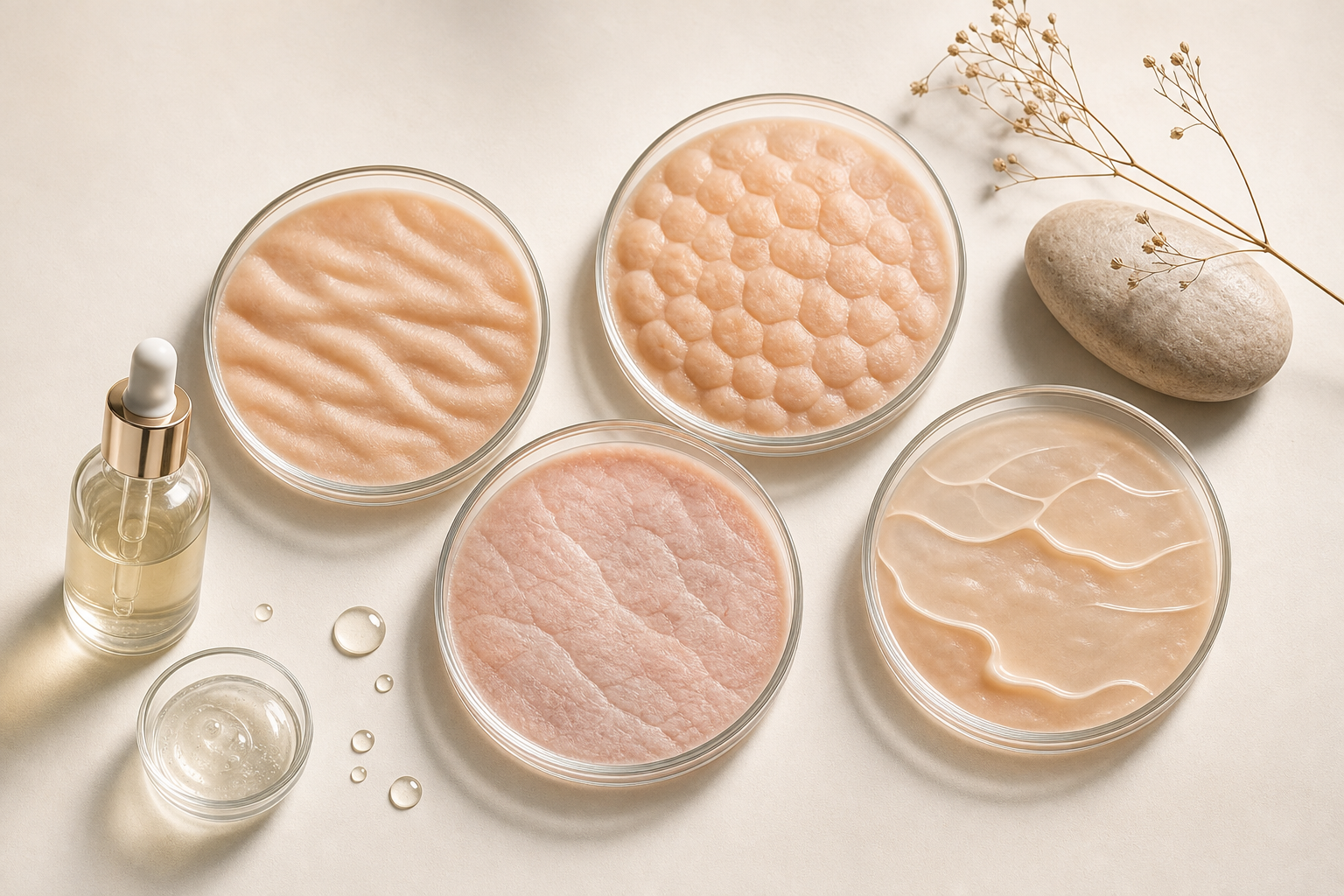
Experts identify several types of cellulite, each with distinct clinical features, underlying mechanisms, and treatment considerations. The most recognized categories include soft (or edematous) cellulite, hard (or compact) cellulite, edematous cellulite, fibrous cellulite, mixed cellulite, and "watery" cellulite, a term often used in public discourse.
This classification allows clinicians and individuals to discern between the types based on factors such as texture, firmness, the severity of appearance, and associated symptoms like pain or swelling. Accurate diagnosis through physical examination and, in some cases, additional diagnostic tools is central to devising effective management plans.
In the broader context of body care and aesthetic treatments, understanding these distinctions enhances the alignment of interventions with the specific nature of the cellulite present, ultimately promoting more favorable outcomes.
Soft Cellulite: Identification and Management Strategies
Soft cellulite is the predominant form encountered, particularly among individuals with a moderate to higher body mass index or those experiencing decreased skin and muscle tone. Its hallmark is a pliable skin surface with visible folds and indentations resembling an orange peel. This softened texture is typically prominent when standing still but may diminish during movement.
The root causes of soft cellulite include sluggish microcirculation, compromised lymphatic drainage, and localized fluid accumulation (edema) within subcutaneous tissues. The reduction in connective and muscular support permits fat cells to protrude more conspicuously into the dermal layer.
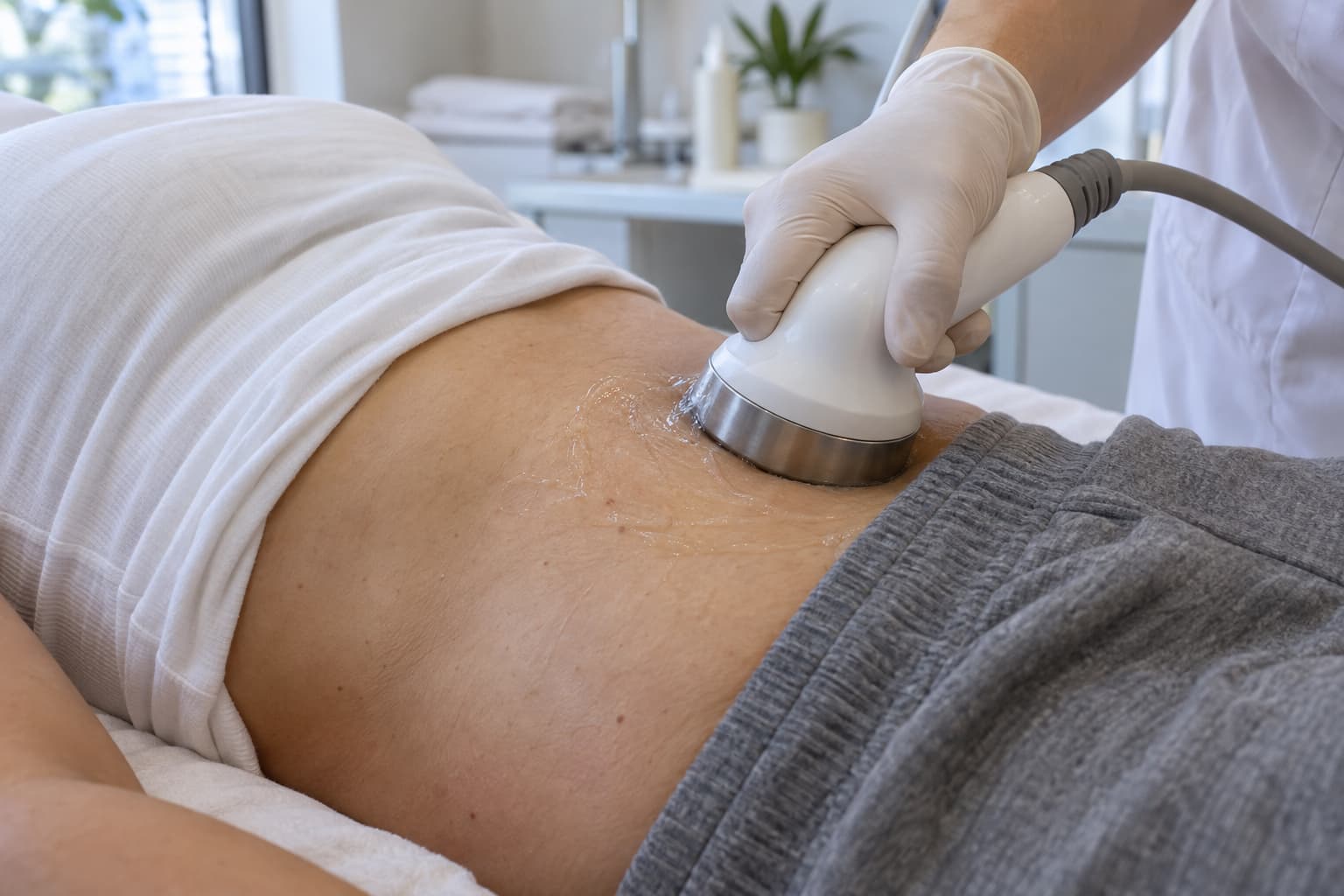
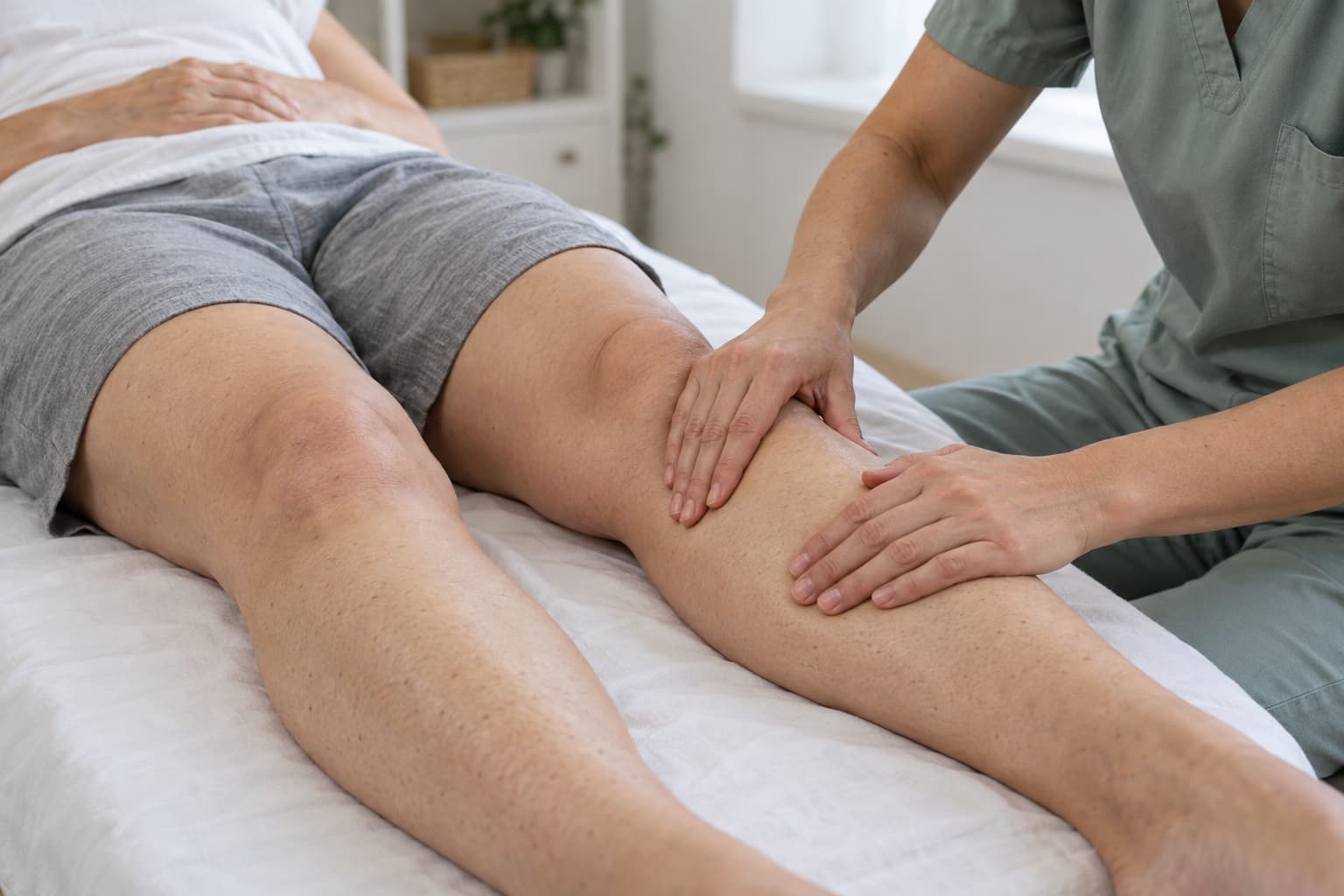
Treatment approaches for soft cellulite emphasize enhancing blood flow and lymph drainage while toning the skin and underlying musculature. Regular massage therapies, particularly those that stimulate the lymphatic system, use of topical applications with active ingredients targeting fat metabolism and circulation, alongside non-invasive techniques like radiofrequency therapy, can contribute meaningfully to skin improvement.
Consistency in applying these therapies is vital, as soft cellulite typically responds well to interventions that boost tissue vitality and excretion processes.
Hard Cellulite: Characteristics and Therapeutic Challenges
Hard cellulite is characterized by its firm and uneven skin texture, marked by dense, palpable nodules often accompanied by discomfort upon pressure. This form tends to be more localized and can be less responsive to simple surface treatments, often affecting individuals with well-toned muscles but persistent cellulite dimpling.
The underlying cause lies in a prolonged accumulation of lymphatic fluid, increased fibrosis, and thickening of the connective tissues surrounding fat cells. These changes generate tighter, more resistant nodules, which hinder circulation and lymphatic flow, further complicating resolution.
Treating hard cellulite often involves more intensive and targeted modalities such as deep tissue massage, laser treatments focused on fibrotic tissue reduction, ultrasonic lipolysis to disrupt fat deposits, and therapies aimed at remodeling connective tissue. Combining these with strategies to improve circulation is crucial to achieving visible progress.
Given the complexity of hard cellulite, seeking guidance from experienced professionals is essential to ensure treatments are appropriate and minimize potential adverse effects.
Understanding Edematous Cellulite: Causes and Care Approaches
Edematous cellulite is linked closely with fluid retention and swelling in affected zones, imparting a swollen, softened skin appearance accompanied by indented folds. It can limit movement due to the sensation of heaviness and may accompany circulatory or lymphatic system dysfunctions.
Common contributors include impaired lymphatic drainage, congenital circulation issues, and hormonal imbalances, often seen in individuals with tendencies towards varicose veins or circulatory insufficiencies.
Effective management of edematous cellulite prioritizes enhancing lymphatic circulation through manual lymphatic drainage, use of compression garments, increasing physical activity that promotes venous return, and carefully selected non-invasive devices to stimulate microcirculation. It is important to approach treatment cautiously to avoid exacerbating tissue inflammation or fluid buildup.
What is Mixed Cellulite and How is It Approached Clinically?
Mixed cellulite presents a complex picture where more than one cellulite type coexists, such as soft combined with hard or edematous variations, complicating treatment approaches. This combination requires a thorough clinical appraisal to recognize all contributing factors accurately.
Management typically necessitates a multidisciplinary approach blending manual therapies, instrument-assisted modalities, customized exercise regimens, and targeted topical products. Regular monitoring and adjustments cater to the evolving nature of the condition and the differential responses of each cellulite component.
The intricate nature of mixed cellulite highlights the need for personalized treatment plans developed in collaboration with dermatology and aesthetic medicine specialists.
The Concept of "Watery" Cellulite: Clarifying Misconceptions
"Watery" cellulite is a term often used in popular wellness and beauty communications but lacks a precise clinical definition. It generally refers to cellulite manifestations dominated by water retention in subcutaneous layers, producing swelling and skin softness similar to edematous cellulite.
Though contentious as a standalone diagnosis, excess fluid retention indeed exacerbates cellulite's visual prominence. Addressing this involves strategies aimed at encouraging fluid balance, such as lymphatic drainage, proper hydration, reduced salt intake, and lifestyle modifications that support vascular health.
Understanding the overlap between watery and other cellulite forms is important to avoid misleading expectations and promote evidence-based care.
Fibrous Cellulite: Difficulties in Treatment and Advanced Solutions
Fibrous cellulite represents a more severe and less common type where connective tissue fibrosis significantly stiffens the skin and underlying layers, often accompanied by scar-like changes. This form usually develops over time, particularly with prolonged neglect or inappropriate management of earlier cellulite types.
Patients often report localized pain and decreased skin elasticity, reflecting the reduced capacity for natural regeneration and detoxification due to impaired circulation and tissue rigidity.
Effective intervention for fibrous cellulite demands sophisticated technologies such as deep massage techniques, laser and ultrasonic therapies, and minimally invasive procedures tailored to disrupt fibrotic bands and stimulate tissue repair. Close collaboration with specialists in dermatology and aesthetic treatments optimizes safety and outcomes.
When Should You Consult a Specialist About Cellulite?
Regardless of the cellulite type or its severity, consulting a qualified healthcare professional is a critical first step in managing this condition effectively. Dermatologists, aesthetic medicine practitioners, or body care experts provide valuable assessments that distinguish among cellulite forms and identify any underlying health issues.
Consultations are particularly warranted when cellulite is accompanied by pain, swelling, persistent or worsening symptoms despite self-care, or in cases where unusual skin changes occur. A specialist can discern when cellulite might signal more complex circulatory or lymphatic conditions that require comprehensive medical management.
Professional evaluation ensures that treatment plans are safe, efficacious, and tailored to individual needs, setting realistic goals and preventing potential complications.