Thigh cellulite stands as one of the most common and aesthetically concerning conditions faced by women worldwide. Characterized by a dimpled, uneven skin surface often likened to an "orange peel," cellulite is more than a superficial cosmetic issue—it reflects complex changes in the skin's underlying structures. It affects women across diverse ages, body types, and backgrounds, defying simplistic associations with weight or fitness alone. Understanding the intricacies of thigh cellulite, from its biological underpinnings to effective treatment modalities, is essential not only for those seeking smoother, firmer skin but also for healthcare professionals devising comprehensive body care strategies.
This article is dedicated to unravelling the precise causes and proven treatments tailored specifically to cellulite presenting on the thighs. Targeted at individuals who want an expert, practical overview, as well as dermatologists, beauty therapists, and body treatment specialists, the content emphasizes a grounded perspective on what thigh cellulite is and how to address it effectively. By demystifying commonly held myths and outlining realistic expectations alongside safety considerations, readers will gain the knowledge required to make informed choices and recognize when specialized consultation is warranted.
What Exactly Is Thigh Cellulite and Why Is It So Common?
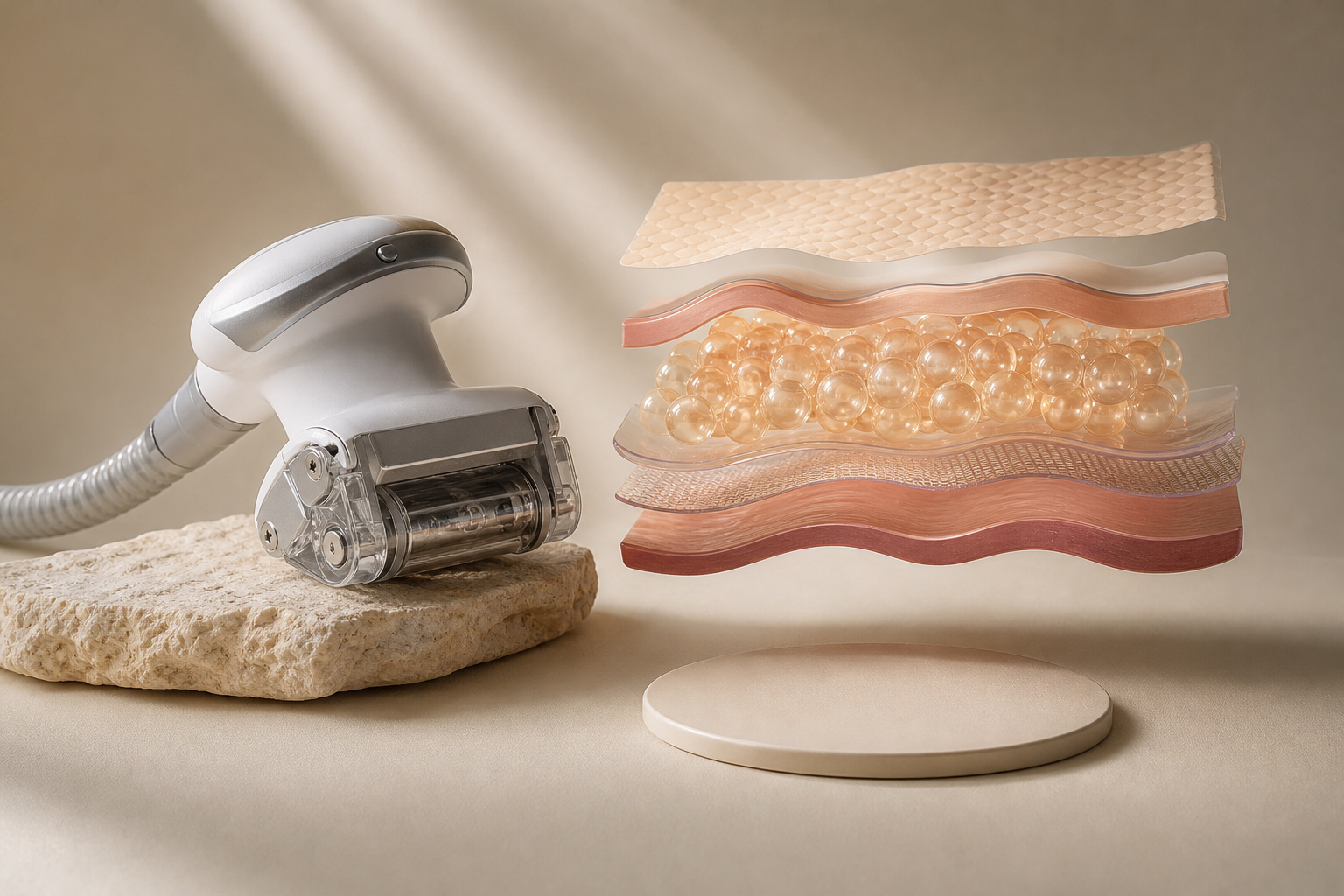
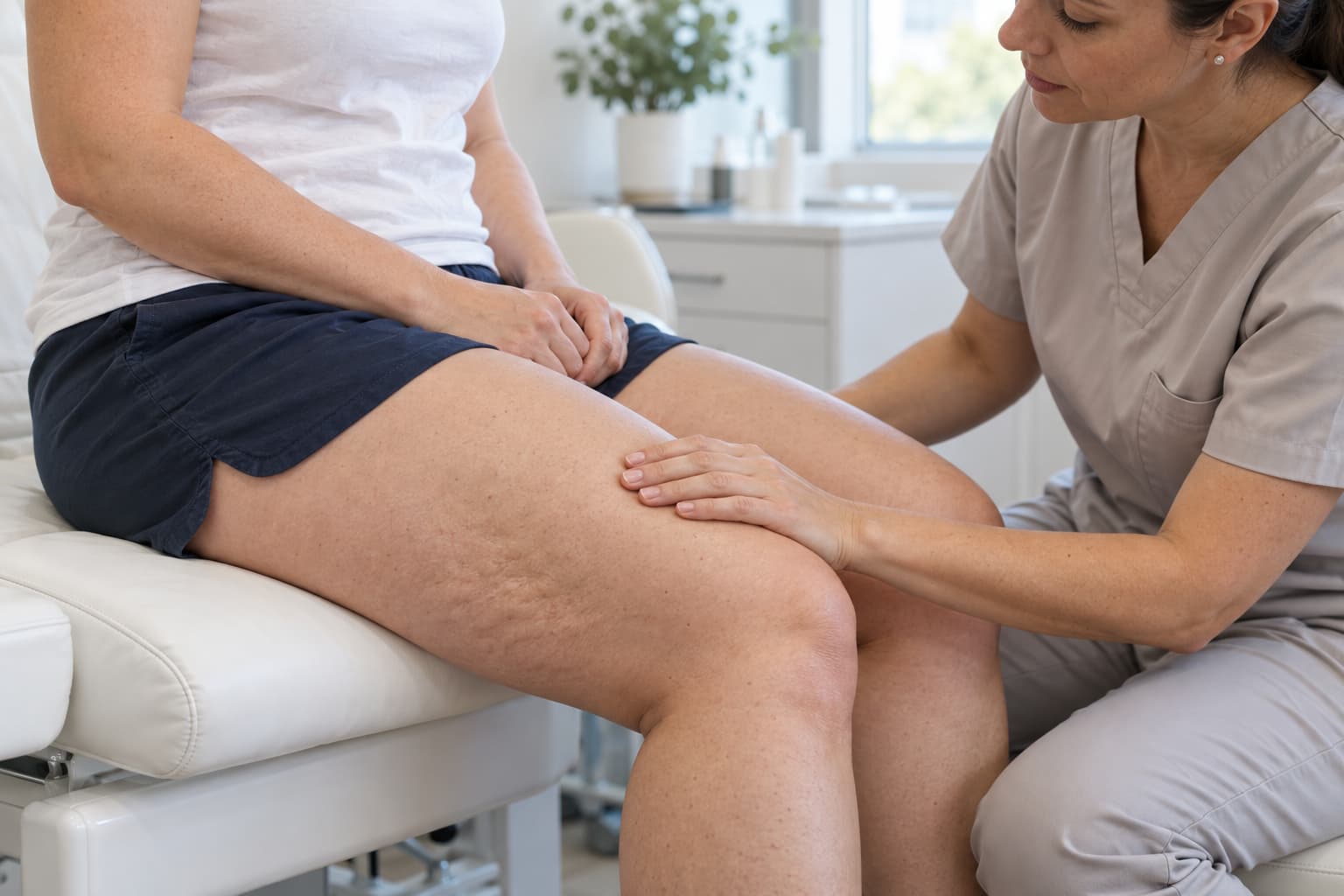
Cellulite refers to a textural change in the skin, particularly evident in areas rich in fat deposits such as the thighs, buttocks, and abdomen. It arises due to the interplay between subcutaneous fat cells, connective tissue bands (fibrous septae), and the skin's surface, resulting in a bumpy or puckered appearance. Notably, the thighs are a particularly susceptible area due to their anatomical and hormonal characteristics.
At a microscopic level, cellulite manifests when fat cells enlarge and push against the skin, while fibrous connective tissues tether down certain areas, creating tension and thus dimpling. This structural rearrangement diverges from the more uniform skin surface seen in non-affected regions. The distinct fibrous architecture in women, involving vertically oriented collagen fibers, contrasts with the crisscross pattern found in men, explaining the higher prevalence of cellulite among females.
Hormonal influences, especially estrogen, have a significant impact on cellulite formation by promoting fat deposition and influencing circulation within the dermal and subdermal layers. Genetics further predispose certain individuals to more pronounced cellulite by affecting connective tissue quality, fat distribution, and microcirculation efficiency. Lifestyle factors—sedentary habits, poor nutrition, smoking, and inadequate hydration—compound these physiological variables, often exacerbating the condition.
Who Is Most Affected by Thigh Cellulite and What Are the Risk Factors?
While thigh cellulite is predominantly observed in adult women, it is not exclusively bound to any single demographic or body type. Both slim and overweight individuals can exhibit cellulite, though its visibility may become more pronounced with increased fat accumulation. Typically emerging after puberty, the condition often intensifies during periods of hormonal fluctuation such as pregnancy, menopause, or the use of hormonal contraceptives.
Several lifestyle and environmental factors modulate the severity of thigh cellulite. Insufficient physical activity reduces muscle tone and blood flow, impairing fat metabolism and lymphatic drainage. Dietary habits rich in processed foods, salt, and sugar promote inflammation and fluid retention. Smoking degrades collagen structure and impairs microcirculation, thereby weakening skin resilience and making cellulite more evident. Stress and insufficient sleep can indirectly contribute by elevating inflammatory mediators.
It is important to recognize that cellulite is a multifactorial condition; hence, a comprehensive view encompassing genetics, hormones, and lifestyle is required when assessing risk and formulating treatment strategies. Recognizing individual susceptibility can guide preventive measures and the choice of targeted therapies.
What Are the Different Types of Cellulite Found on the Thighs?
Not all cellulite on the thighs is the same, and classifying its types helps in tailoring the most effective treatments. The primary varieties include:
Soft Cellulite: Common among individuals with less muscle tone, the skin appears soft and flaccid, with dimples becoming more visible when the skin is pressed or muscles contracted.
Edematous Cellulite: Characterized by water retention and swelling beneath the skin, this type often feels tender or heavy. It is associated with lymphatic circulation issues and can be more resistant to treatment without addressing the underlying fluid imbalance.
Fibrous Cellulite: This form presents with a firmer, more nodular texture due to increased fibrosis and collagen deposition around fat cells. It is often more painful and more challenging to treat, requiring interventions that target connective tissue remodeling.
The ability to distinguish these types clinically is critical because treatments optimizing circulation and fluid drainage may be less effective for fibrous cellulite, which could instead respond better to mechanical or energy-based therapies that address dermal fibrosis.
How Do Current Treatments Target Thigh Cellulite Effectively?
Understanding the underlying causes and types of thigh cellulite allows for strategic application of various treatment modalities. While no universal cure exists, multiple approaches can significantly improve skin texture and appearance.
Topical Products: Although creams and gels containing caffeine, retinoids, or peptides may temporarily improve skin firmness and circulation, their depth of penetration limits their efficacy to milder cases of cellulite. They work best as adjuncts rather than standalone treatments.
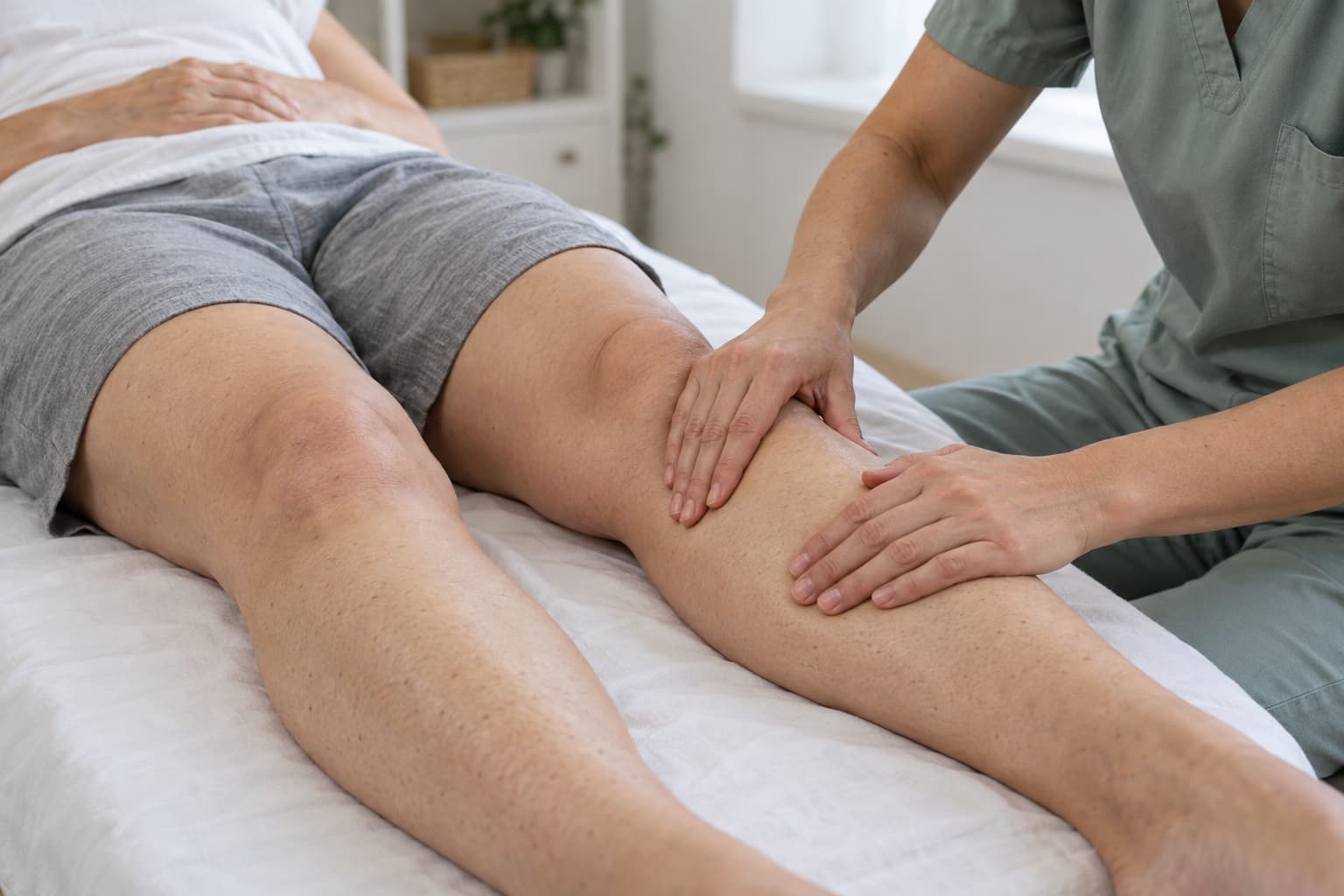
Mechanical Massage and Lymphatic Drainage: Techniques such as endermologie or manual lymphatic drainage boost local circulation and promote the elimination of interstitial fluid. These approaches are particularly beneficial for edematous cellulite, helping to reduce swelling and improve skin contour.
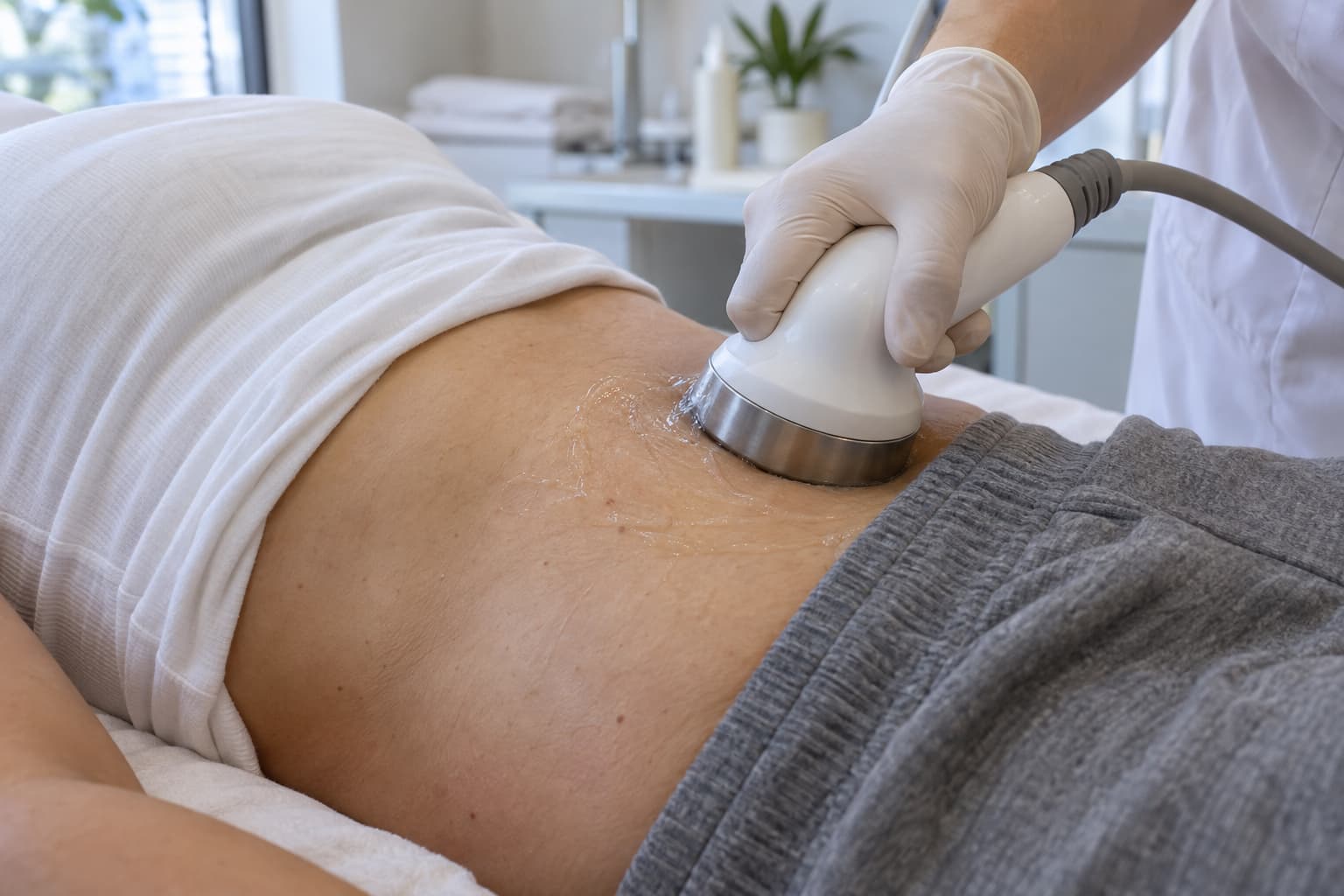
Energy-Based Devices: Technologies including radiofrequency, laser, acoustic wave therapy, and infrared light are designed to stimulate collagen production, improve circulation, and remodel fibrous septae. These non-invasive treatments have shown promising results in reducing the appearance of fibrous cellulite and enhancing skin tightness.
Injectables: Emerging treatments such as collagenase injections aim to selectively break down the fibrous bands responsible for dimpling. Although still evolving, these approaches target the structural aspect of cellulite and may offer longer-lasting improvement for fibrous types.
Exercise and Weight Management: While exercise alone does not remove cellulite, strengthening and toning thigh muscles can help improve skin tautness and reduce fat layers, making cellulite less noticeable. Maintaining a healthy weight through balanced nutrition is also integral to managing the condition.
When Should You Seek Professional Consultation for Thigh Cellulite?
Although thigh cellulite is generally a benign aesthetic concern, its impact on psychological wellbeing can be significant, warranting professional advice. A qualified dermatologist or aesthetic practitioner can assess skin structure, identify the cellulite type, and recommend evidence-based treatment plans tailored to individual needs.
Consultation is crucial if:
- Cellulite worsens rapidly or accompanies skin changes such as redness or swelling, which might indicate other medical conditions.
- You seek to explore advanced treatment options beyond home remedies.
- You wish to set realistic expectations and understand possible side effects of interventions.
Professionals can also explain the limitations of certain treatments and ensure safety by ruling out contraindications related to underlying health conditions.
What Realistic Expectations Should Patients Have Regarding Treatment Outcomes?
It is important to emphasize that while many treatments can markedly improve the appearance of thigh cellulite, they do not provide permanent or complete eradication. Results vary according to cellulite type, individual response, and adherence to supplementary lifestyle measures.
Effective management reduces skin irregularities, enhances firmness, and promotes smoother contours, thereby improving confidence and quality of life. Maintaining these improvements often requires ongoing treatments or lifestyle modifications.
Understanding these nuances prevents disappointment and encourages a holistic approach where treatments are part of a broader regimen involving diet, activity, and skin care.
How Can Body Care Specialists Integrate Knowledge of Thigh Cellulite for Optimal Client Outcomes?
For professionals engaged in body care and aesthetic medicine, a deep knowledge of cellulite's pathophysiology and its variations across body areas is instrumental. Tailoring interventions based on the patient's specific cellulite characteristics—drawing from the comprehensive guidance on Cellulite on Different Body Areas: Choosing the Right Treatments and Cellulite: Causes, Types, and the Most Effective Treatments—ensures a targeted and effective approach.
Incorporating multidisciplinary protocols that combine mechanical therapies, advanced energy devices, topical agents, and lifestyle coaching can maximize therapeutic benefit. Furthermore, educating clients about realistic goals and safe practices reinforces therapeutic partnerships and long-term satisfaction.