Cellulite is a pervasive concern that touches the lives of millions worldwide, predominantly affecting women though not exclusively so. Characterized by the dimpled, uneven texture on the skin's surface, commonly described as "orange peel" or "cottage cheese" skin, cellulite manifests most often on the thighs, buttocks, abdomen, and upper arms. Despite its widespread occurrence, many individuals remain baffled by what cellulite truly is, why it concentrates in certain body areas, and why it appears more prominently in some than in others. Additionally, a great deal of misinformation clouds public understanding, leading to unrealistic expectations about treatments and management options.
This editorial aims to deliver a thorough, precise exploration of cellulite's underlying causes and biological mechanisms within the broader discourse encompassing "Cellulite – causes, types, and the most effective treatments" and the related pillar topic "Cellulite: How It Develops and Why Some People Have More." By demystifying the complex physiological changes beneath the skin and clarifying the limitations and realistic outcomes of current therapeutic approaches, this article addresses the fundamental questions of anyone seeking to understand or manage this common aesthetic issue. Furthermore, it highlights the importance of professional consultation when warranted, ensuring safety and efficacy in any treatment strategy embraced.
Targeted at individuals curious about the nature of cellulite, patients considering treatment options, healthcare providers, and enthusiasts of dermal science alike, this exposition sheds light on the interplay of genetics, hormones, tissue structure, and lifestyle factors that culminate in cellulite's hallmark appearance. Appreciating these multifaceted aspects is critical to formulating informed decisions regarding skin health and cosmetic interventions.
What Exactly Is Cellulite, and How Does It Present Visually?
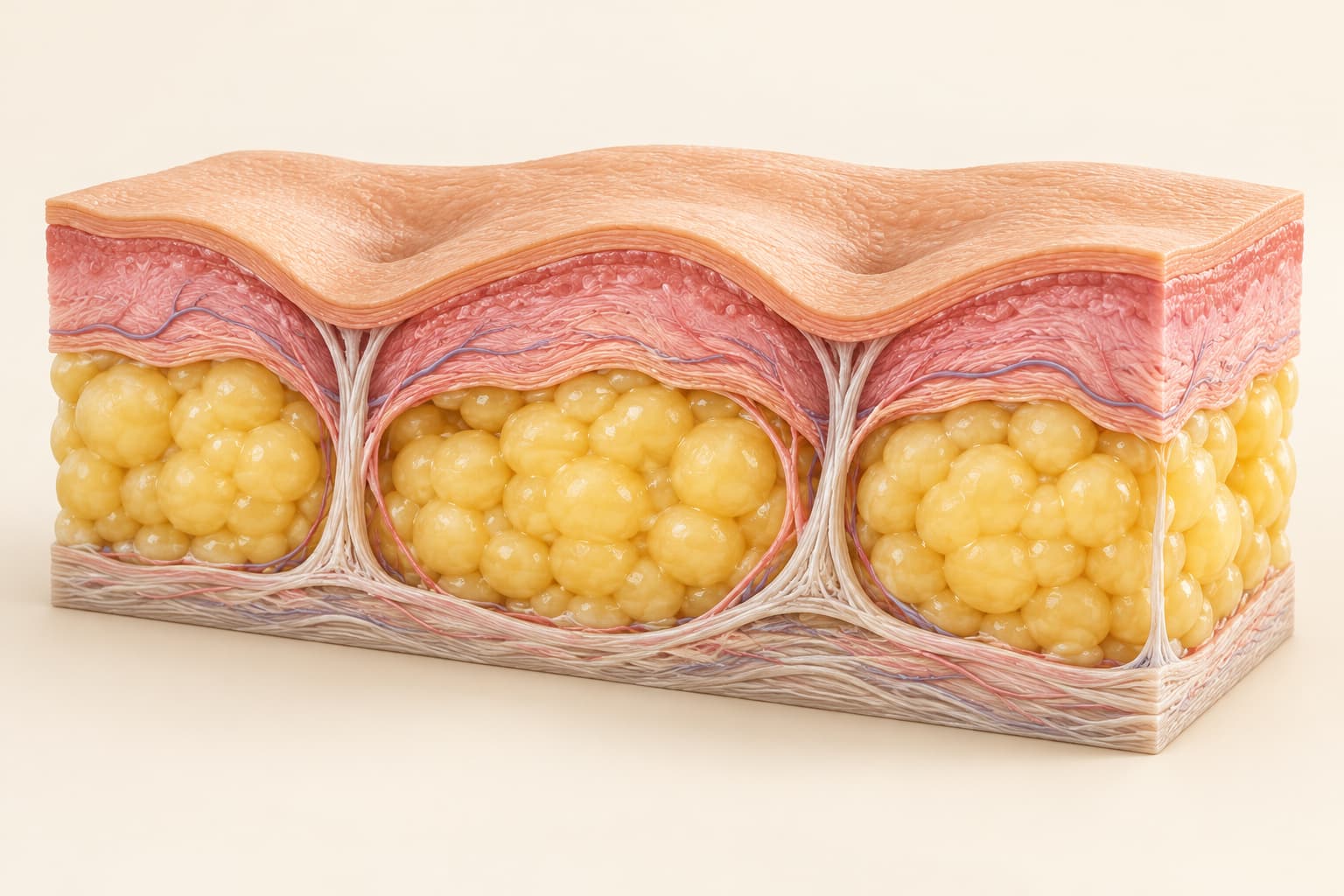
Cellulite refers to a benign, aesthetic condition characterized by irregular, dimpled skin surfaces caused by structural modifications in the subcutaneous tissue beneath the epidermis. These changes primarily involve fibrous connective tissue bands and the distribution and size of fat cells situated between the dermis and underlying muscles. The interaction between these elements produces the uneven texture that can be observed especially when the skin is compressed or viewed under certain lighting angles.
Unlike other skin disorders, cellulite does not indicate a pathological disease state but rather a natural variation in skin morphology. It is most visible on areas with a higher propensity for fat accumulation, notably the lateral and posterior thighs, buttocks, lower abdomen, and occasionally on the upper arms. The degree of visibility can vary immensely from subtle to markedly pronounced, depending on several intrinsic and extrinsic factors.
Understanding cellulite's visual and structural characteristics is an essential starting point for individuals concerned about its presence. It serves to distinguish normal skin textural variations from pathological conditions and enable more accurate expectations regarding the likely effects of cosmetic therapies.
Which Biological Mechanisms Underpin the Formation of Cellulite?
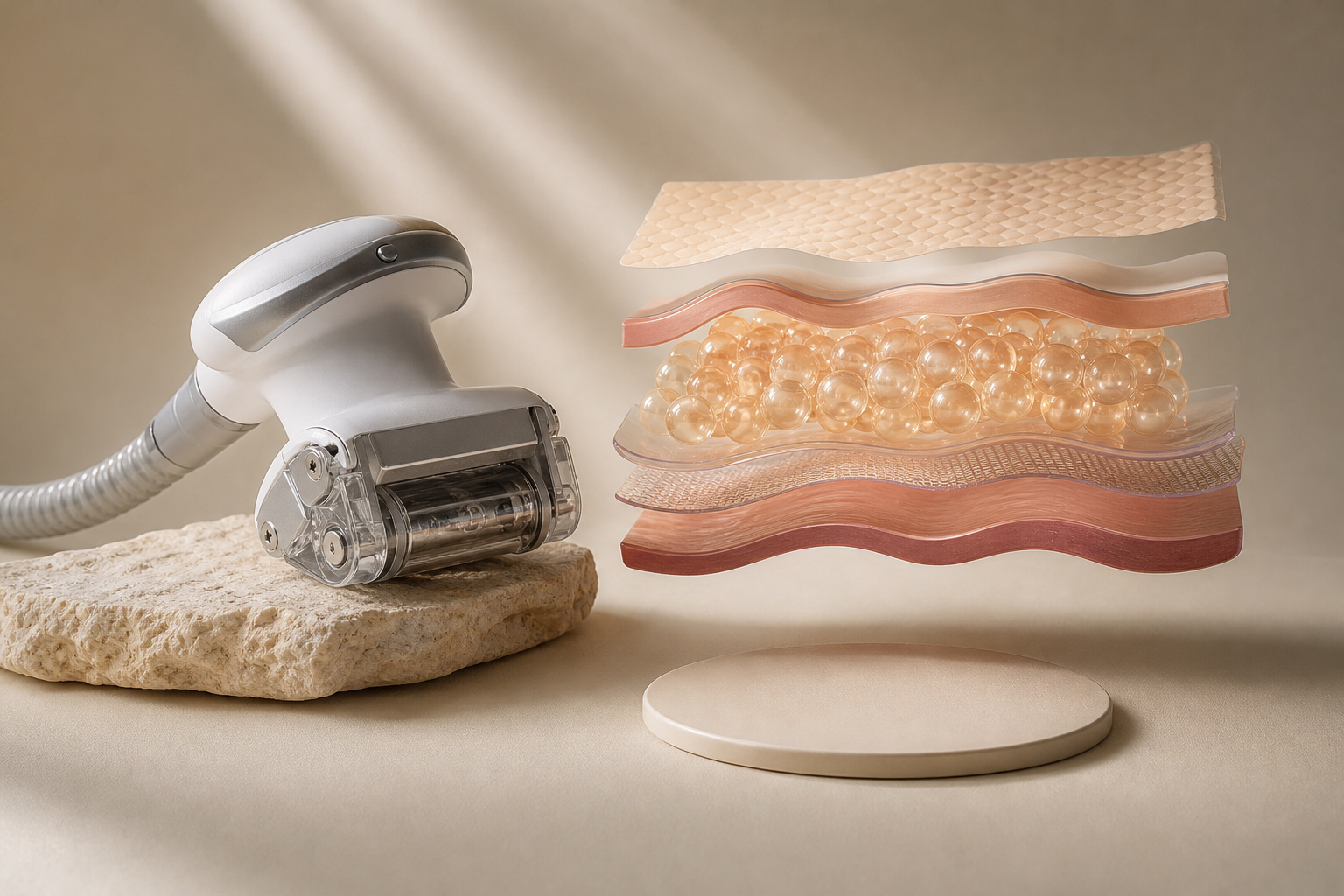
To comprehend why cellulite forms, it is necessary to examine the intricate anatomy and physiology of skin and subcutaneous tissues. The skin's middle layer, the dermis, overlays a fatty layer that serves as insulation and energy reserve. Within this fatty layer, fat cells (adipocytes) are compartmentalized by fibrous connective tissue septae composed predominantly of collagen and elastin fibers.
In individuals with cellulite, several concurrent alterations occur:
1. Altered Collagen Fiber Architecture: The normally elastic connective tissue fibers may become tightened or rigid, restricting the flexibility of skin and underlying tissues. This rigidity means that when fat cells swell or shift, they can distort the skin's surface instead of being evenly cushioned.
2. Expansion and Proliferation of Fat Cells: Changes in lipid metabolism and fat cell size can cause adipocytes to increase in volume disproportionately. This expansion exerts upward pressure against the skin, which, when combined with stiffened connective bands, results in the puckered appearance typical of cellulite.
3. Impaired Microcirculation: Suboptimal blood and lymphatic circulation can contribute to fluid retention, inflammation, and toxin accumulation in the affected tissue. These factors exacerbate tissue swelling and contribute to the fibrotic changes within connective tissue, intensifying cellulite's visibility.
4. Hormonal Influences: Certain hormones such as estrogen, insulin, norepinephrine, thyroid hormones, and prolactin have a regulatory role in fat deposition and connective tissue integrity. Fluctuations or imbalances particularly prevalent in women can predispose to or amplify cellulite development.
Collectively, these processes disturb the harmonious relationship between fat and connective tissue, generating the hallmark irregular, nodular skin pattern associated with cellulite. This multifactorial nature highlights why no single cause can solely account for its appearance and why integrated approaches are necessary for management.
Who Is Most Susceptible to Developing Cellulite?
Cellulite predominantly affects women, with estimates suggesting that up to 80-90% of post-pubertal females experience some degree of cellulite during their lives. The higher prevalence in women compared to men is attributable to key physiological differences:
- Connective Tissue Structure: Women’s connective tissue bands under the skin tend to be arranged differently, often in a perpendicular pattern, allowing fat lobules to protrude more easily. In contrast, men have a denser, crisscrossing connective tissue matrix which restricts fat movement and lessens cellulite visibility.
- Hormonal Profile: Estrogen plays a central role in cellulite development by influencing fat accumulation and skin elasticity. Life stages characterized by shifts in estrogen levels, such as puberty, pregnancy, and menopause, often correlate with noticeable changes in cellulite expression.
Besides gender, several other factors increase susceptibility:
1. Genetic Predisposition: Family history can dictate individual risk through inherited traits impacting skin structure, fat distribution, and metabolism.
2. Age: As skin loses collagen and elasticity over time, cellulite typically becomes more conspicuous.
3. Lifestyle Habits: Sedentary behaviors, poor nutrition, smoking, excessive alcohol intake, and dehydration can worsen cellular health and connective tissue quality.
4. Body Composition: While cellulite is not exclusive to overweight individuals, excess body fat tends to increase its severity.
Understanding one’s personal risk factors provides valuable insight into precautionary measures and targeted interventions to manage or mitigate cellulite's progression.
How Do Genetics and Hormones Specifically Affect Cellulite Development?
Genetics shape the foundational architecture and functional dynamics of skin and fat tissue. Variants influencing the thickness of the dermis, the density and composition of collagen fibers, and the distribution pattern of subcutaneous fat all contribute to how cellulite manifests. Some genetic profiles exhibit a natural proclivity toward more prominent cellulite due to weaker connective tissue integrity or metabolic tendencies favoring lipid storage in vulnerable regions.
Hormonal fluctuations, particularly involving estrogen, act as modulators of these structural predispositions. Estrogen affects vasodilation and blood flow to skin layers, water retention, and the regulation of adipocyte function. Its relative dominance in females explains the heightened incidence and cyclical changes in cellulite appearance correlated with menstrual cycles, pregnancy phases, or hormonal therapies.
Similarly, insulin resistance or thyroid dysfunction can exacerbate fat accumulation and connective tissue changes, complicating cellulite's severity and persistence. Hence, a comprehensive evaluation for hormonal imbalances is a crucial component in treating persistent or severe cellulite cases.
What Are the Different Types and Degrees of Cellulite, and Why Do They Matter?
From a clinical perspective, cellulite is not a monolithic condition but exhibits a spectrum of severity, often categorized to inform treatment strategies. The primary classification includes:
Grade 1 (Mild): Skin appears smooth when standing or lying down; subtle dimpling visible only upon pinching or muscle contraction.
Grade 2 (Moderate): Visible dimpling or uneven skin surface when standing, without muscle contraction; slight texture changes noticeable at rest.
Grade 3 (Severe): Pronounced, persistent skin irregularities visible at all times, including when the skin is relaxed; often associated with nodularity and lumps.
In addition to grading severity, cellulitic tissue may be differentiated based on predominant histological characteristics, such as fibrotic, edematous, or flaccid types, reflecting differences in skin elasticity, fluid retention, and fat deposition.
This nuanced understanding guides clinicians and patients in selecting the most appropriate therapeutic interventions, considering that some treatments are better suited for early-stage cellulite while others address more substantial tissue changes.
What Treatment Modalities Offer the Most Effective Results for Cellulite?
Given the multifaceted etiology of cellulite, treatment typically requires a multi-pronged approach combining lifestyle modifications, topical applications, procedural therapies, and sometimes adjunctive medical management. It is crucial to adopt realistic expectations: no treatment currently offers complete cellulite eradication, but rather improvement in appearance, texture, and skin firmness.
Lifestyle and Physical Activity: Regular aerobic and resistance exercise enhances muscle tone and reduces fat stores, indirectly mitigating cellulite prominence. Nutritional adjustments that favor antioxidants, hydration, and reduced processed foods support tissue health and metabolic balance.
Topical Agents: Creams containing caffeine, retinol, or peptides may transiently improve skin texture by stimulating circulation and promoting collagen synthesis. These effects tend to be modest and require consistent use to maintain results.
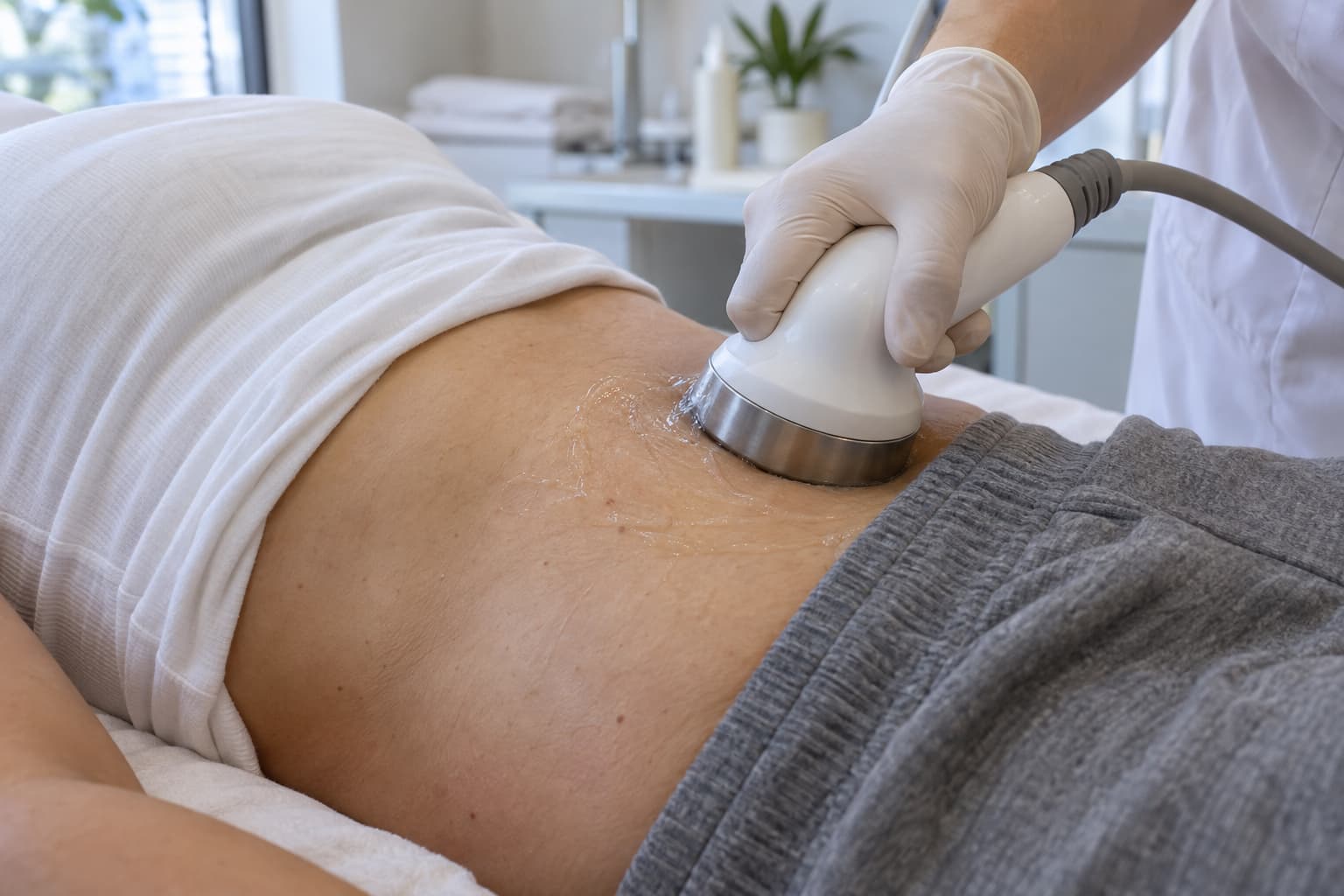
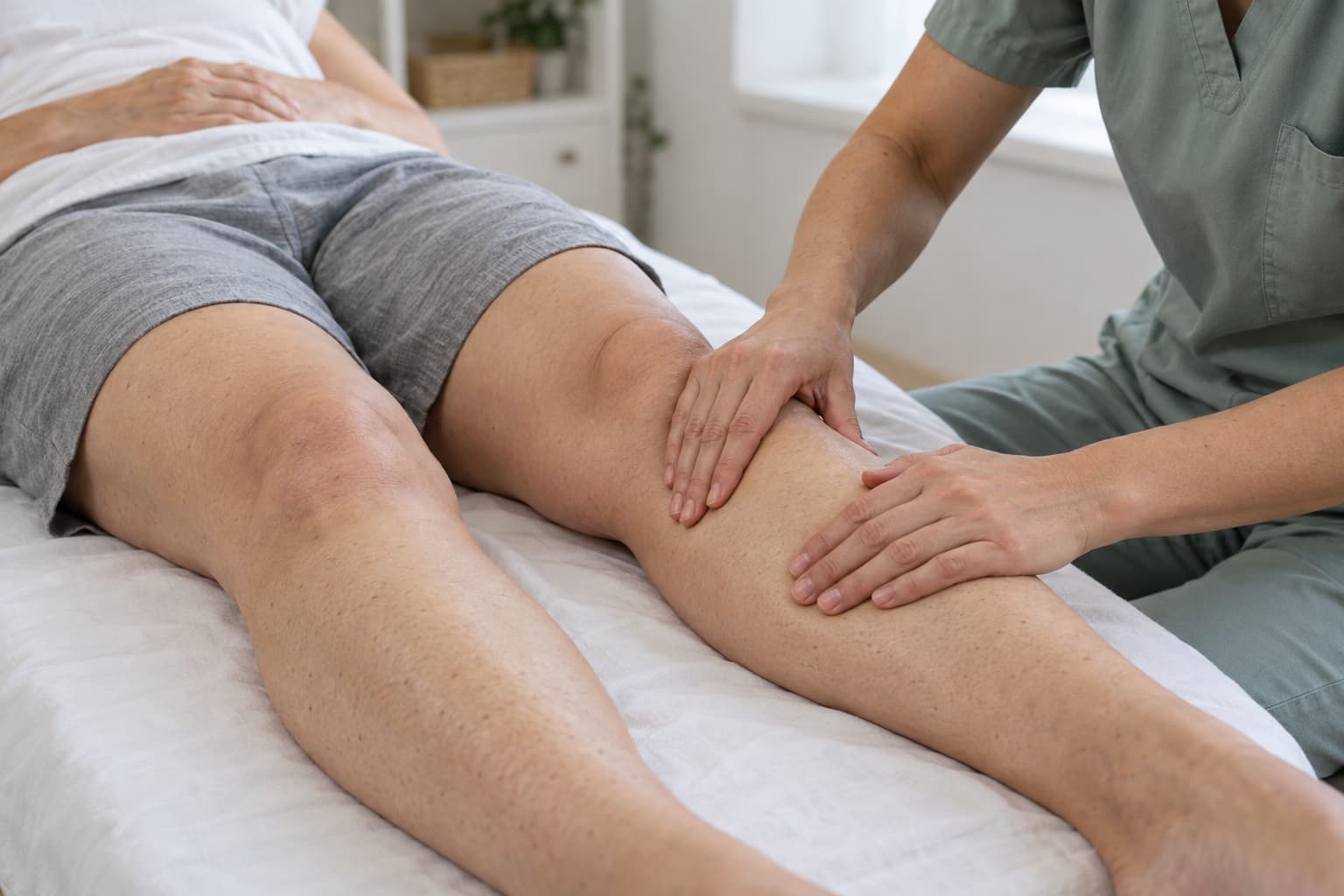
Noninvasive Procedures: Technologies such as radiofrequency, low-level laser therapy, ultrasound, and mechanical massage (e.g., endermologie) aim to increase microcirculation, break fibrotic bands, and enhance collagen remodeling. Clinical studies reveal varying degrees of efficacy, typically with incremental improvements after multiple sessions.
Minimally Invasive Treatments: Techniques like subcision address fibrous septae mechanically, releasing the tethering effect responsible for skin puckering. Injectable therapies and certain lipolytic agents are under investigation for targeted fat reduction and connective tissue modulation.
Medical supervision is advised to choose interventions tailored to individual skin type, cellulite grade, and overall health status.
When and Why Should One Seek Professional Consultation for Cellulite?
While cellulite is not a medical disorder requiring urgent treatment, professional evaluation is recommended in several scenarios:
- If the cellulite is accompanied by pain, swelling, skin discoloration, or signs of infection which may indicate other skin or vascular conditions needing medical attention.
- Prior to initiating invasive or device-based therapies to ensure they are suitable and safe based on patient health, skin condition, and cosmetic goals.
- When hormonal imbalances are suspected contributors, necessitating endocrinological assessment and possible intervention.
- To receive personalized guidance integrating evidence-based treatments and realistic outcome projections, avoiding ineffective or potentially harmful self-treatment attempts.
Experienced dermatologists, aesthetic medicine practitioners, and endocrinologists play pivotal roles in managing complex or persistent cases with comprehensive strategies.
How Can Individuals Foster Healthy Acceptance and Pragmatic Outlooks on Cellulite?
Beyond clinical management, it is essential to contextualize cellulite as a common, natural variation affecting a vast majority of women without intrinsic health risks. Cultivating body positivity and rejecting unrealistic beauty standards can alleviate psychological distress tied to cosmetic appearance.
By educating oneself about cellulite's origins and limitations of current therapeutic options, individuals can better navigate treatment choices and set attainable goals. Combining scientific understanding with compassionate self-care promotes not only healthier skin but also improved mental well-being and self-image.