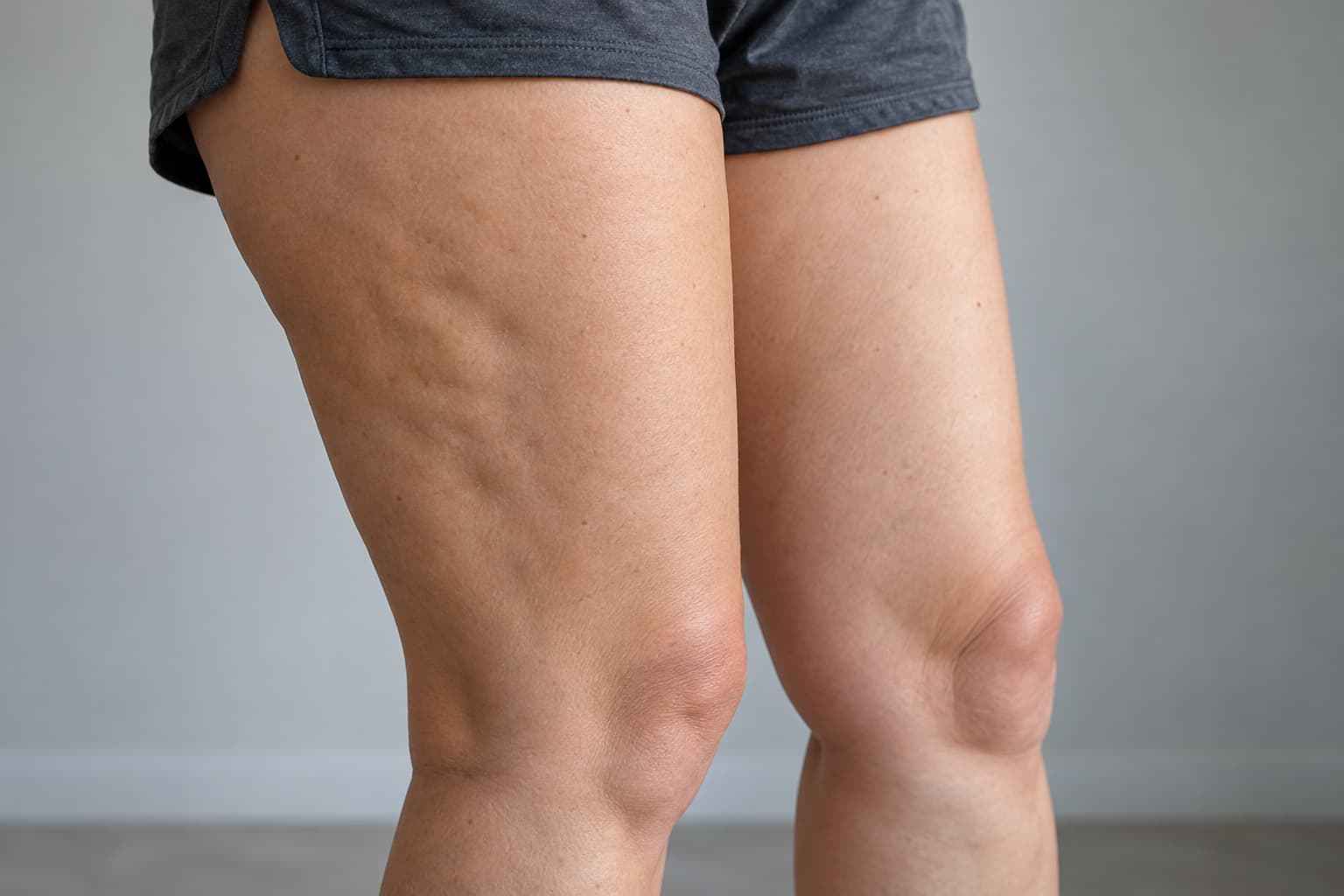
Cellulite is a common esthetic concern impacting a broad spectrum of individuals, especially women, manifesting as a dimpled or 'orange peel' appearance of the skin. Although it is not a medical condition and poses no health threat, cellulite frequently causes dissatisfaction with body image and can affect self-confidence. Understanding how cellulite develops and why some people experience it more prominently can empower individuals to make informed choices about suitable care and treatment options. This knowledge is particularly valuable for those seeking targeted body care strategies, whether through professional interventions or home-based routines.
Cellulite is often misunderstood, frequently confused with simple fat deposits, loose skin, edema, or other medical conditions. Such distinctions are crucial because each condition requires a different approach to management and treatment. This article thoroughly addresses the mechanisms behind cellulite formation, explores the factors influencing its severity, and discusses realistic expectations for its management. The intent is to provide a detailed, nuanced perspective that supports readers in recognizing cellulite accurately and selecting appropriate care methods.
Ideal for individuals interested in body care, especially those exploring the range of options from clinically advanced treatments to everyday care practices, this article clarifies the complexities of cellulite. It emphasizes the importance of professional assessment to tailor treatments effectively, while setting reasonable goals that align with current scientific understanding and dermatological expertise.
Defining Cellulite: Differentiating It from Fat Deposits and Loose Skin
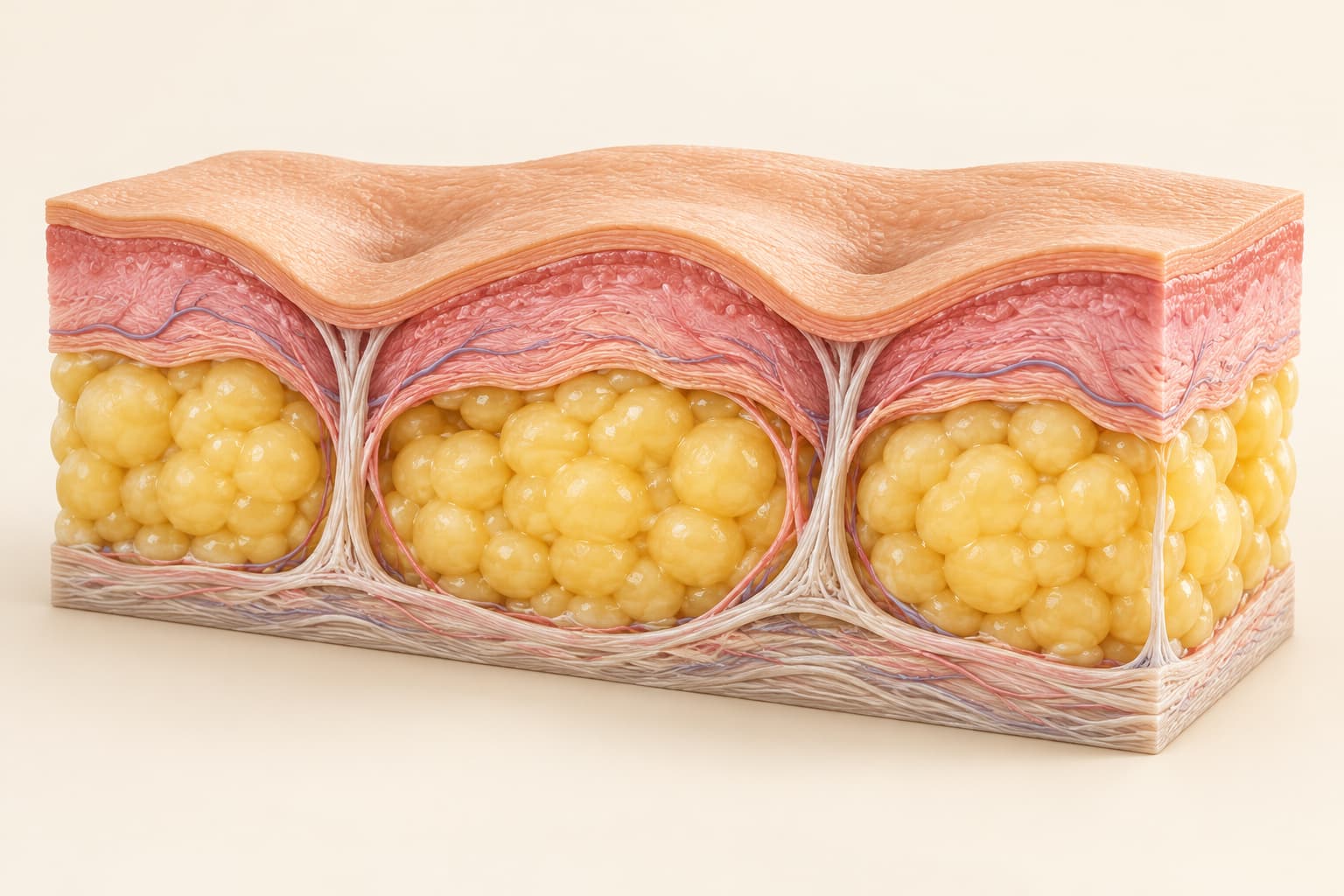
Cellulite is characterized by a distinctive textured appearance of the skin, most commonly affecting the thighs, buttocks, and abdomen. This phenomenon results from alterations in the subcutaneous tissue architecture, particularly the interaction between fat cells, fibrous connective tissue, and microcirculation beneath the skin's surface. The structural changes create visible unevenness, commonly described as resembling the peel of an orange.
It is essential to differentiate cellulite from mere fat accumulation. While adipose tissue contributes to cellulite's formation, cellulite itself stems from changes in connective tissue layers causing skin surface irregularities—an effect not seen in typical fat deposits. Loose skin, often resulting from aging or rapid weight loss, causes sagging due to diminished elasticity but does not inherently produce the nodular or dimpled surface that defines cellulite.
Furthermore, other conditions such as edema and certain dermatological or systemic medical diseases can provoke changes in skin texture and appearance but differ fundamentally from cellulite. These distinctions underscore the necessity for precise diagnosis to ensure that treatment targets the actual cause rather than symptoms of unrelated issues.
The Underlying Biological Mechanisms Behind Cellulite Formation
The development of cellulite involves a multifaceted interaction among fat cells, connective tissue fibers, and circulation within the subcutaneous layer. Fat cells may enlarge and cluster, exerting pressure on the surrounding fibrous septae, which in cellulite are often less elastic and more rigid than usual. This imbalance creates tension and puckering that disrupts the skin's smooth surface.
Microvascular circulation is also compromised in cellulite-affected areas. Reduced blood flow and lymphatic drainage can lead to fluid retention and accumulation of metabolic waste products, contributing to inflammation and further stiffening of connective tissues. This state diminishes oxygen supply and nutrient delivery to the skin and underlying structures, exacerbating textural irregularities.
Importantly, cellulite is a dynamic condition that can fluctuate based on lifestyle factors, hormonal influences, and therapeutic interventions. This understanding highlights that while cellulite cannot be entirely eradicated in most cases, its appearance can be moderated through appropriate approaches informed by its biological foundation.
Genetic, Hormonal, and Lifestyle Factors Affecting Cellulite Severity
Cellulite expression varies widely among individuals, influenced by an interplay of genetics, hormone levels, sex, and personal habits. Genetic predisposition plays a significant role in determining the organization of connective tissues, the distribution and function of fat cells, and vascular patterns, thereby impacting how prominently cellulite manifests.
Hormonal factors are especially critical, with estrogen implicated in promoting fat accumulation and connective tissue changes conducive to cellulite. This association partly explains the higher prevalence of cellulite in women compared to men and its correlation with life stages marked by hormonal shifts such as puberty, pregnancy, and menopause.
Lifestyle components including diet, physical activity, smoking, and stress levels also modify the degree of cellulite. A sedentary lifestyle can impair circulation, contributing to the stagnation of fluids and metabolic products in the subcutaneous tissue. Conversely, regular exercise improves blood flow, supports lymphatic function, and can enhance muscle tone, all beneficial in mitigating cellulite's appearance.
How Cellulite Differs from Other Skin and Body Conditions
Many individuals confuse cellulite with fat bulges or skin laxity, yet these conditions have distinct etiologies and implications. Recognizing these differences ensures that interventions are appropriate and expectations realistic.
Fat deposits represent localized or generalized accumulations of adipose tissue beneath the skin and do not inherently cause surface-texture changes unless compounded by other factors. Loose or sagging skin involves a loss of dermal collagen and elastin, typically seen after significant weight changes or with aging, presenting without the nodular surface typical of cellulite.
Edematous conditions, ranging from localized swelling due to injury or systemic fluid retention related to illnesses, can alter skin appearance and should be carefully differentiated from cellulite because treatment strategies diverge substantially.
Practical Implications: What to Expect from Cellulite Treatments
Given cellulite's complex pathophysiology and multifactorial origins, treatment outcomes vary and often do not achieve total resolution. Most current approaches focus on improving skin texture, firmness, and circulation to reduce the visibility of cellulite, rather than eliminating it outright.
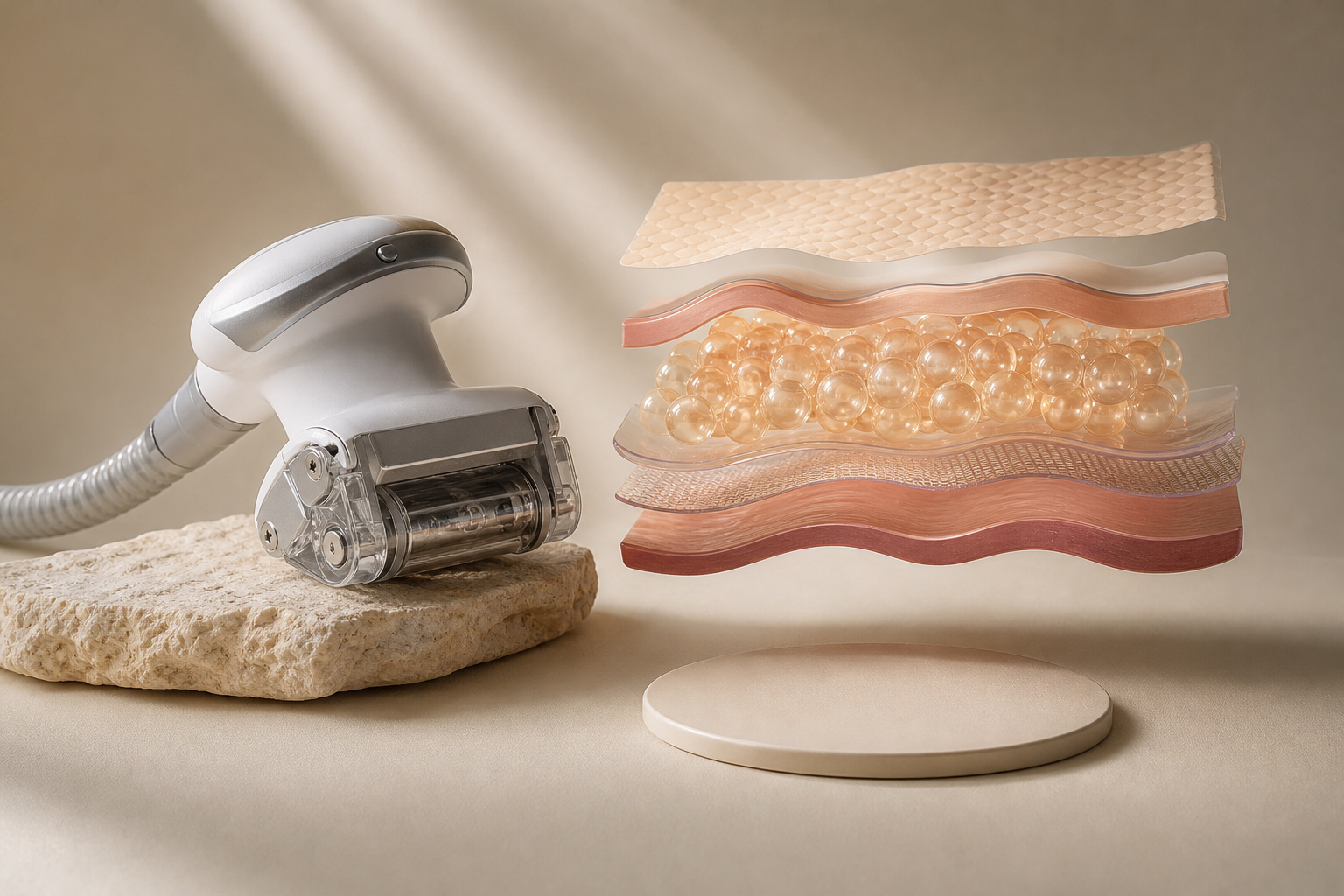
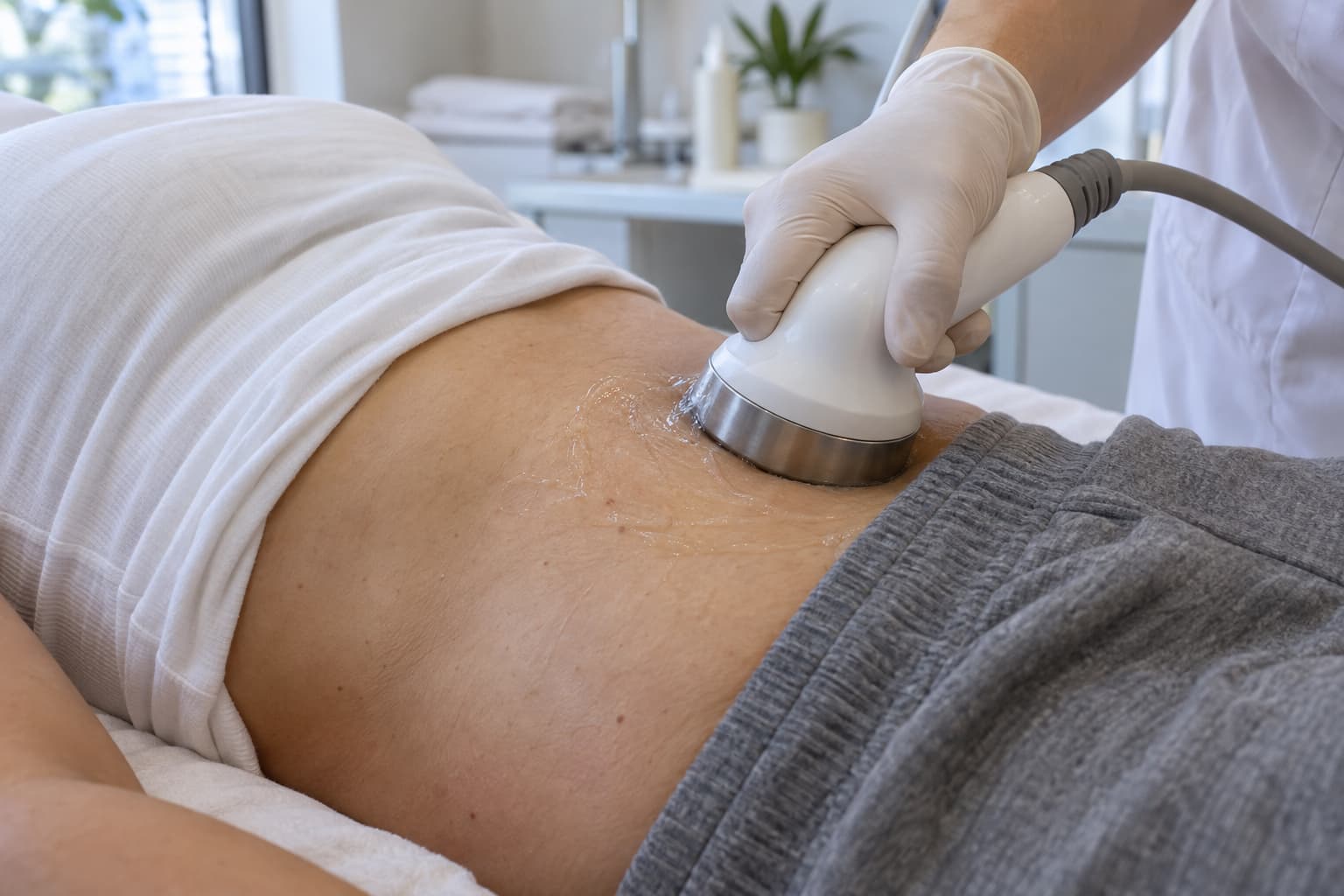
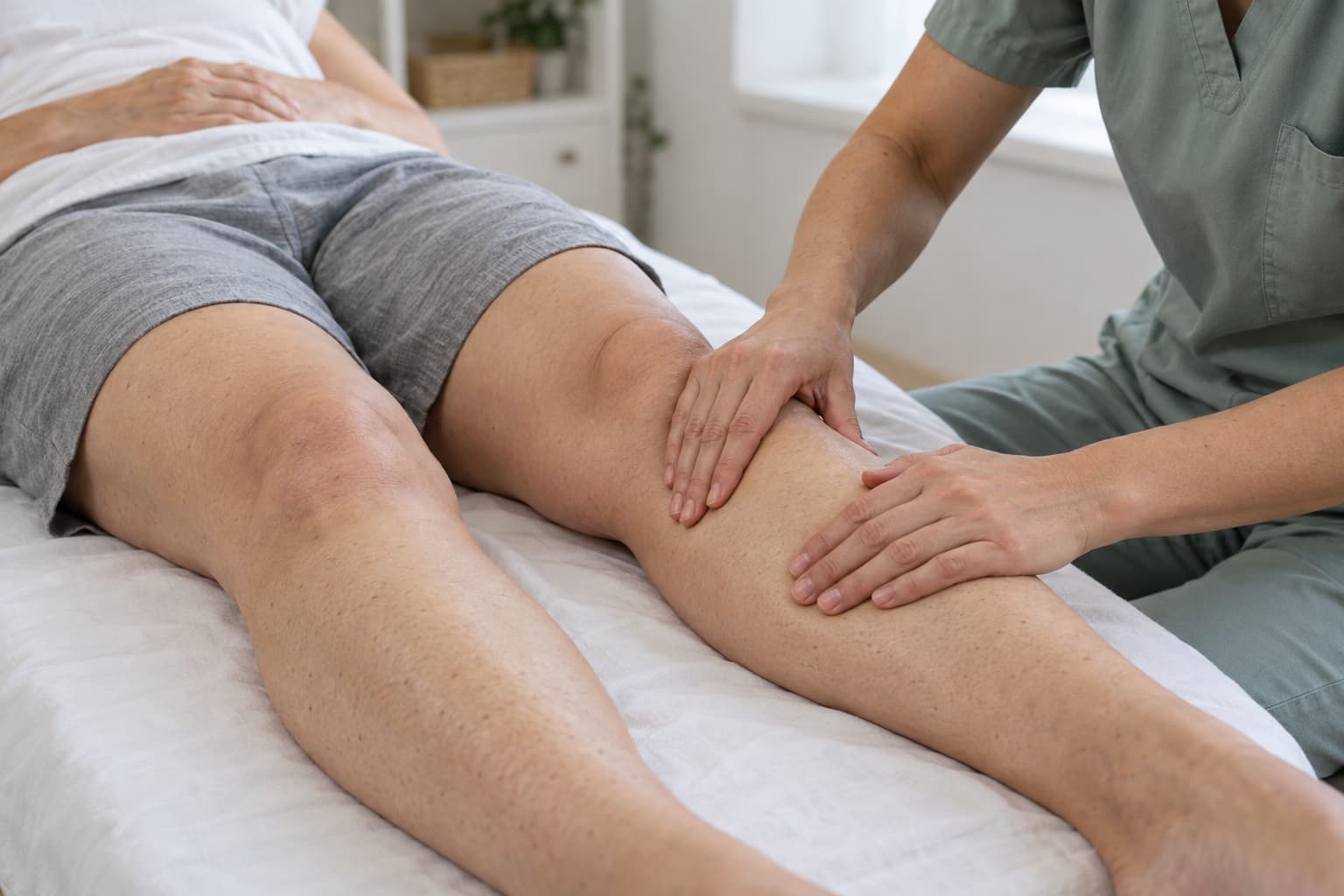
Therapies may include mechanical treatments that stimulate lymphatic drainage and improve blood flow, topical products that potentially enhance the skin barrier and hydration, and professional procedures such as radiofrequency, laser therapy, or acoustic wave therapy that target deeper tissue layers to encourage remodeling of connective tissue and fat structures.
Individuals should maintain realistic expectations, understanding that consistency in care and lifestyle modifications optimize results. Professional evaluation is advisable to tailor treatment plans that align with individual skin properties and cellulite severity while considering safety and contraindications.
The Importance of Professional Assessment and Personalized Care
Because cellulite shares features with other dermatological and medical conditions, professional assessment helps distinguish its presence from potentially serious health issues. Dermatologists and qualified body care specialists use clinical examination and, when necessary, imaging technologies to evaluate skin and subcutaneous structures thoroughly.
This comprehensive approach ensures that recommendations for care are evidence-based and customized, balancing emerging technological advances in non-invasive body treatments with established home-care practices. Personalized plans may include a combination of therapies addressing circulation, tissue elasticity, and skin hydration, complemented by nutritional and lifestyle guidance.