Cellulite, characterized by the dimpled, uneven appearance of skin often likened to "orange peel" or "cottage cheese," is a common aesthetic concern affecting millions worldwide, predominantly women. Despite being unrelated directly to weight or age, cellulite can cause distress and self-consciousness, prompting many individuals to seek effective methods to mitigate its visibility. This editorial explores the landscape of professional treatments designed specifically to reduce cellulite, offering a thorough understanding of how these interventions work, whom they benefit, and why expert-guided therapy is essential for achieving optimal results.
Unlike general fat deposits, loose skin, or edema, cellulite pertains to structural changes in the skin and subcutaneous tissue, involving fibrous connective bands, altered fat cell distribution, and microcirculatory disruption. Recognizing these distinctions is crucial for selecting appropriate interventions tailored to this specific condition. Professional treatments provide targeted approaches that differ markedly from home remedies, aiming to address the underlying factors contributing to cellulite rather than merely masking its surface manifestations.
For anyone troubled by cellulite's appearance—whether at early stages or more advanced levels—professional treatments offer promising avenues supported by advancements in dermatology and aesthetic medicine. This article elucidates the mechanisms, benefits, limitations, and practical considerations of such treatments, fostering informed decision-making and realistic expectations for those considering professional cellulite care.
What Defines Professional Cellulite Treatments and Who Should Consider Them?
Professional cellulite treatments encompass medically supervised procedures and device-based therapies performed in specialized clinics or aesthetic centers by trained professionals. These interventions utilize sophisticated technology and specialized techniques designed to penetrate beyond the epidermis into deeper layers of the skin and subcutaneous tissue, thereby directly addressing factors responsible for cellulite formation.
Such treatments are suited for individuals who desire more substantial and lasting improvements than those typically achievable through topical creams or manual home massage. They also serve those seeking to prevent progression of cellulite, augment results from lifestyle modifications, or complement other body-contouring efforts. The inclusion criteria hinge on clinical evaluation to ensure that the individual’s skin condition aligns with treatment indications, distinguishing cellulite from other conditions such as generalized obesity, lymphedema, or skin laxity which may require different management strategies.
Importantly, while professional treatments aim to reduce cellulose appearance, they do not constitute a cure nor promise complete eradication. Instead, they enhance skin smoothness, elasticity, and overall tone, contributing to a more refined and aesthetically pleasing silhouette.
Understanding the Pathophysiology of Cellulite: The Targets for Treatment
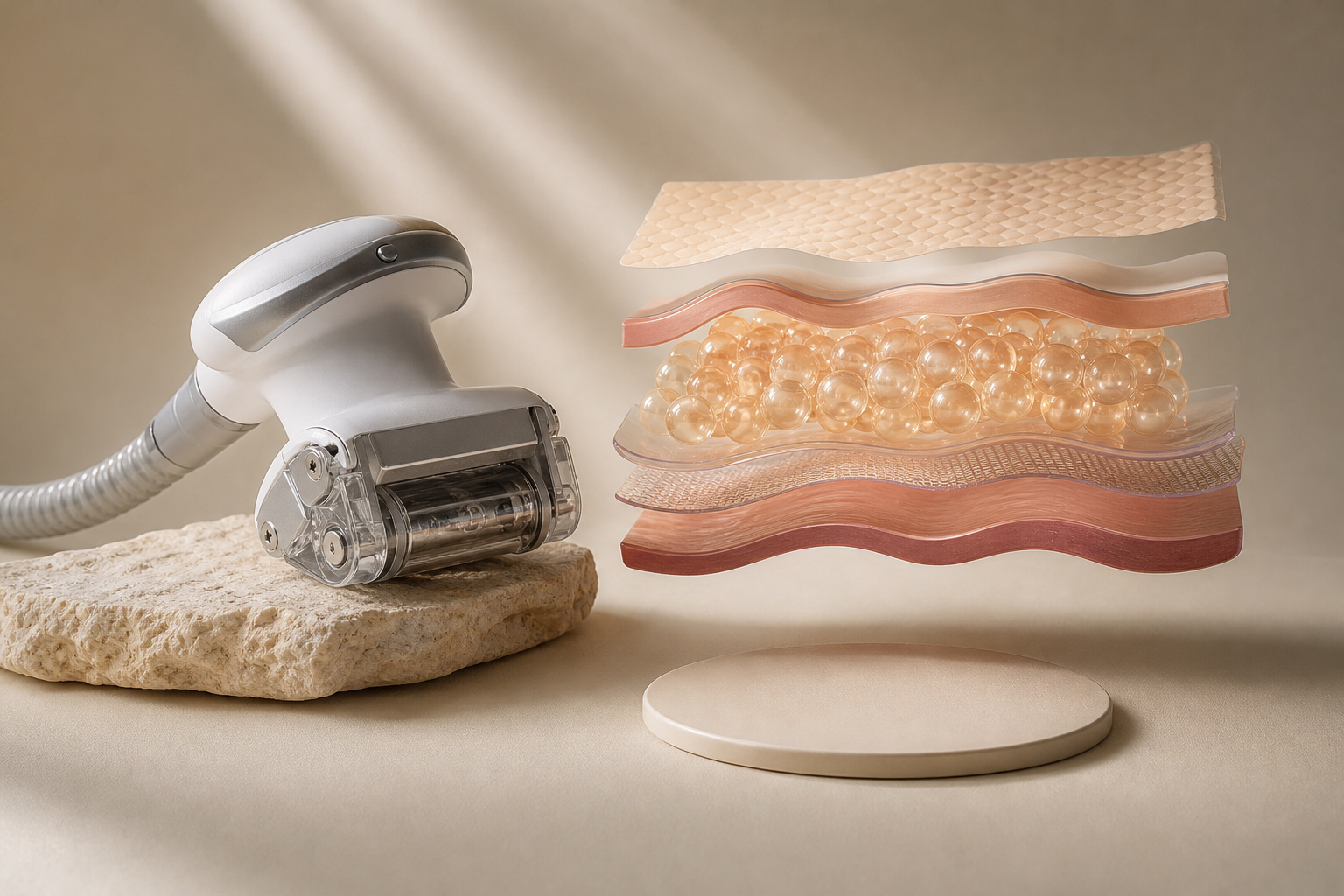
Cellulite emerges from a multifaceted interaction among fat cells, connective tissue septae, and microcirculatory function. Fat cells may enlarge and cluster irregularly, while fibrous septae tether the skin downward, causing tension and dimpling. Concurrently, poor blood flow and lymphatic drainage exacerbate fluid retention and perturb tissue metabolism, reinforcing the visible surface irregularities.
Effective professional treatments strategically aim to counteract these processes by:
1. Enhancing microcirculation and lymphatic drainage: Improved blood flow helps to reduce localized edema and promote tissue oxygenation, facilitating metabolic cleanup.
2. Breaking down clustered fat cells: Techniques targeting adipose tissue can emulsify or disrupt fat deposits contributing to the uneven texture.
3. Remodeling connective tissue: Stimulating collagen and elastin production restores skin elasticity and improves structural support beneath the surface.
By addressing these intricacies simultaneously, treatments can achieve more meaningful and sustained visual improvements compared to single-faceted approaches.
The Spectrum of Leading Professional Cellulite-Reduction Technologies
An array of professional devices and procedures are available, each leveraging distinct physical principles and biological effects. Here we outline some of the most effective and widely utilized treatment modalities:
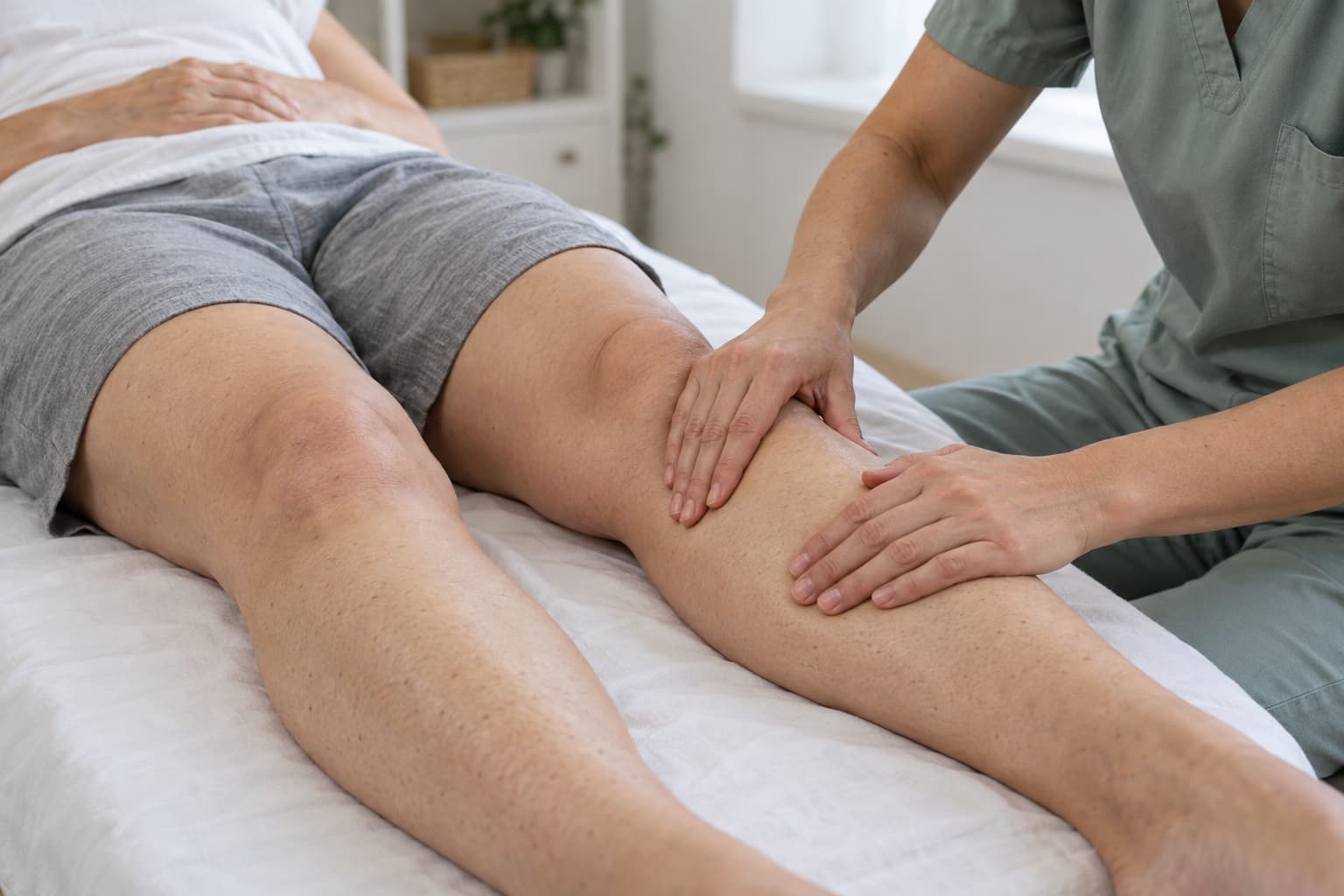
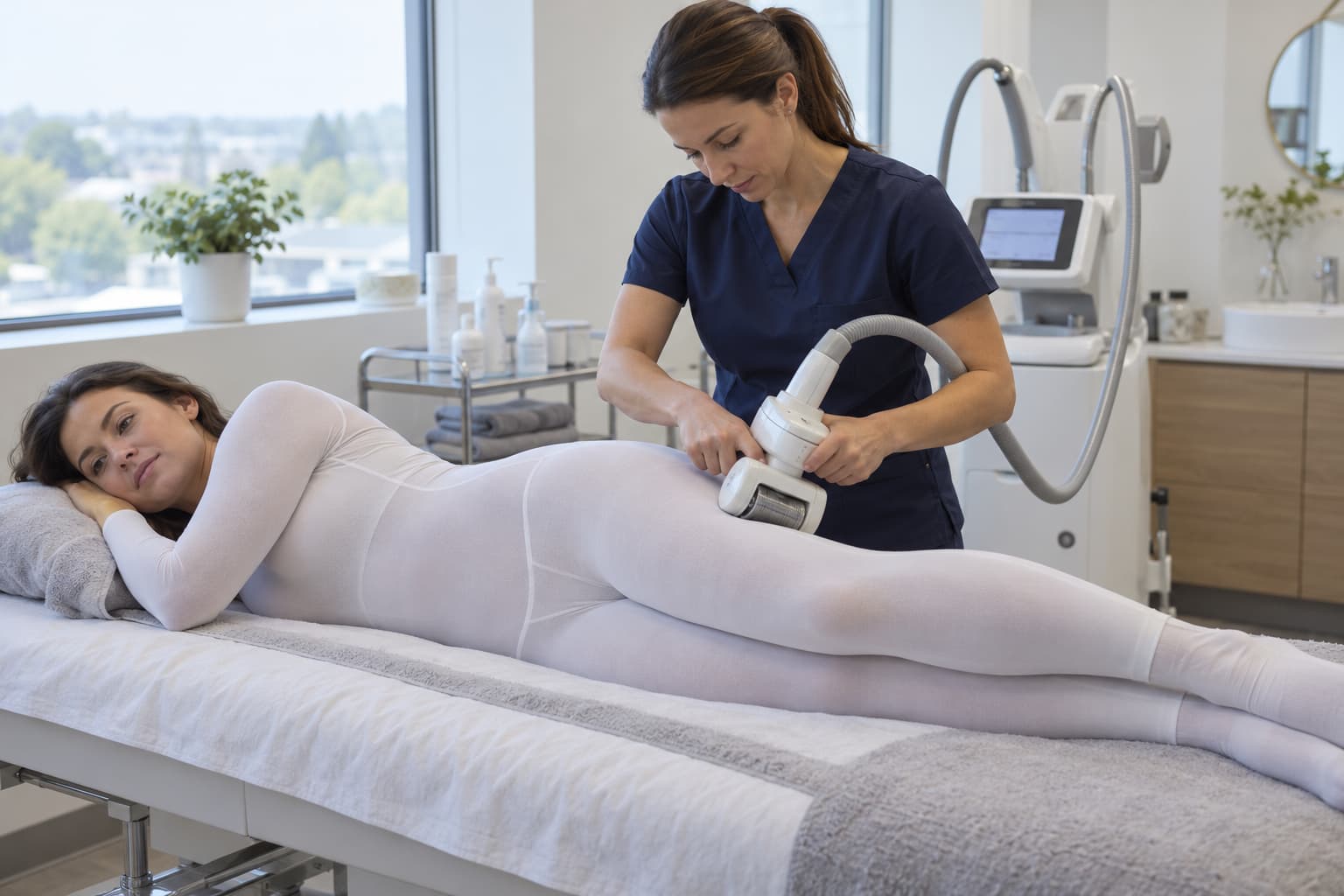
Endermologie (Mechanical Massage with Suction and Rolling): This technique employs motorized rollers coupled with suction to manipulate skin and underlying tissues mechanically. The action stimulates lymphatic drainage, boosts circulation, and promotes collagen remodeling, helping to smooth the skin's surface and reduce fluid retention.
Radiofrequency Therapy: By delivering controlled radiofrequency energy, this method heats deeper dermal layers, inducing collagen contraction and stimulating fibroblast activity. The resulting skin tightening effect improves elasticity and can diminish the puckered appearance associated with cellulite.
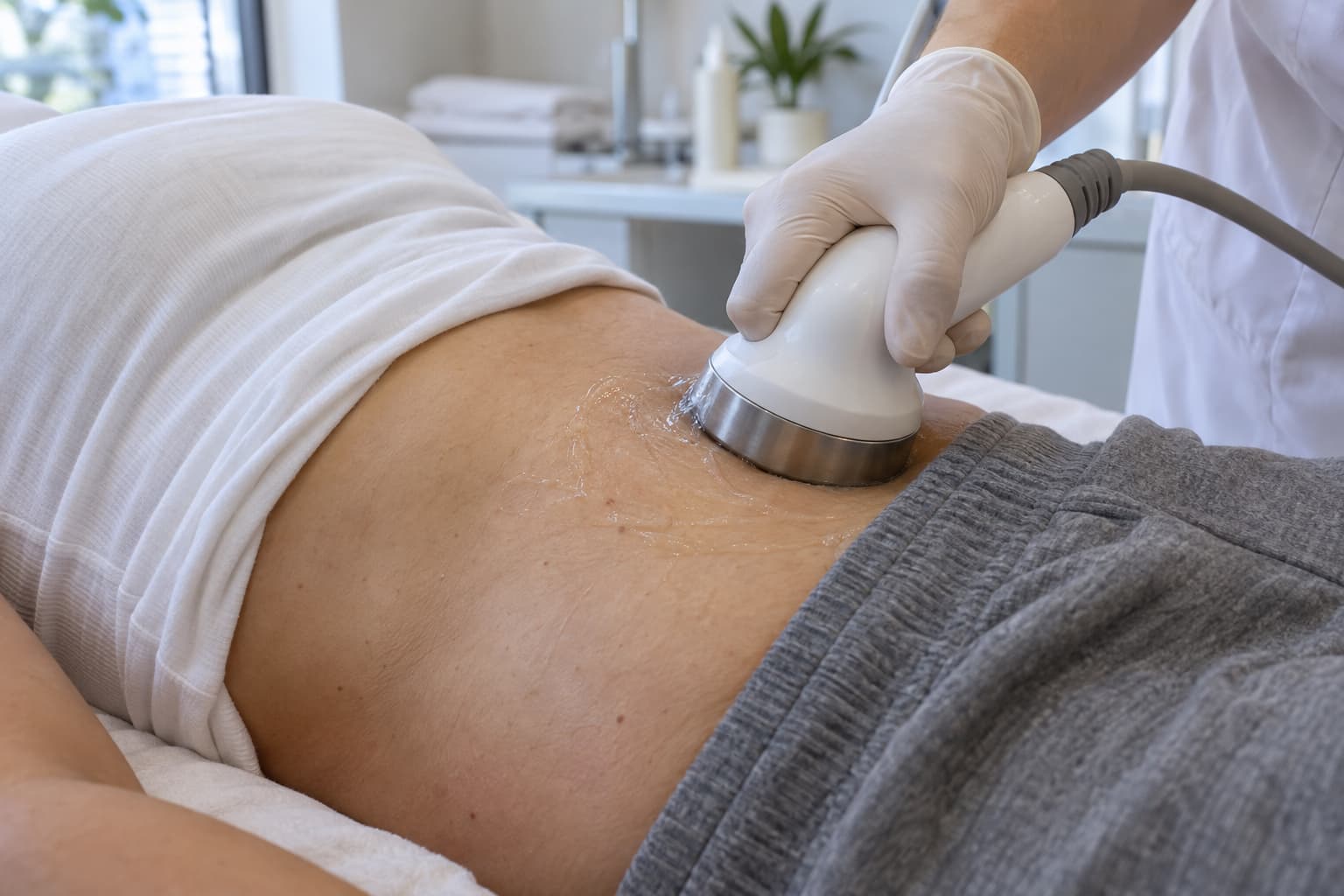
Ultrasound Cavitation: Utilizing focused ultrasonic waves, this approach disrupts adipocytes through the creation of microbubbles that collapse in the fat tissue. The fragmented fat is then naturally metabolized and cleared by the body's lymphatic system, reducing localized bulges contributing to cellulite.
Laser Treatments: Laser devices target the dermal layer to enhance microcirculation and encourage the remodeling of fibrous septae. Different wavelengths and pulse durations can be customized based on individual tissue characteristics, enabling a tailored approach that minimizes irregularities.
Often, these methods are combined in treatment protocols to leverage complementary effects, maximizing therapeutic benefits while maintaining safety.
Advantages of Professional Treatments Over Home-Based Solutions
Although topical products and manual therapies performed at home can support skin health and improve temporary texture, professional interventions provide decisive advantages:
1. Depth of penetration: Devices can reach deeper skin layers unreachable by creams or manual massage alone.
2. Precision and customization: Assessments by skilled practitioners allow for customization based on one's specific cellulite type and skin condition, optimizing outcomes.
3. Scientific validation and technology sophistication: Many professional treatments benefit from clinical studies supporting their efficacy and safety when properly administered.
4. Synergistic multipronged effect: Combination therapies enable simultaneous action on multiple cellulite-causing factors, unattainable with singular home remedies.
Such advantages not only improve visible results but also foster greater satisfaction and confidence in the process.
Optimal Timing for Initiation of Professional Cellulite Treatment
Determining when to begin professional treatment depends on individual concerns and the severity of cellulite presentation. Early intervention, at initial signs of skin textural changes, can halt or slow progression, potentially diminishing the need for invasive or intensive therapies later.
Nevertheless, individuals with well-established cellulite may also benefit substantially from these treatments, particularly when paired with lifestyle adjustments. Continuous monitoring and reassessment by professionals ensure treatment goals remain aligned with skin response and patient expectations.
What Patients Can Expect During and After Professional Cellulite Treatments
Most professional cellulite treatments are non-invasive and designed to be comfortable, often described as feeling like deep tissue massage, warming sensations, or gentle vibration. Sessions typically last between 30 to 60 minutes, depending on the modality and treatment area size.
Mild redness, tenderness, or swelling may occur immediately following therapy but generally resolves within hours to a day. Adhering to post-treatment recommendations, including adequate hydration and skin care, supports healing and enhances treatment effects.
Visible improvements usually manifest after several treatment sessions, as collagen remodeling and fat metabolism require time. Maintenance treatments may be advised to sustain results, especially considering that factors contributing to cellulite can be ongoing.
Considerations, Limitations, and the Role of Expert Evaluation
Despite advances, professional cellulite treatments have limitations and may not be suitable for everyone. Contraindications include certain vascular disorders, active skin infections, pregnancy, or pacemaker presence when electromagnetic devices are employed.
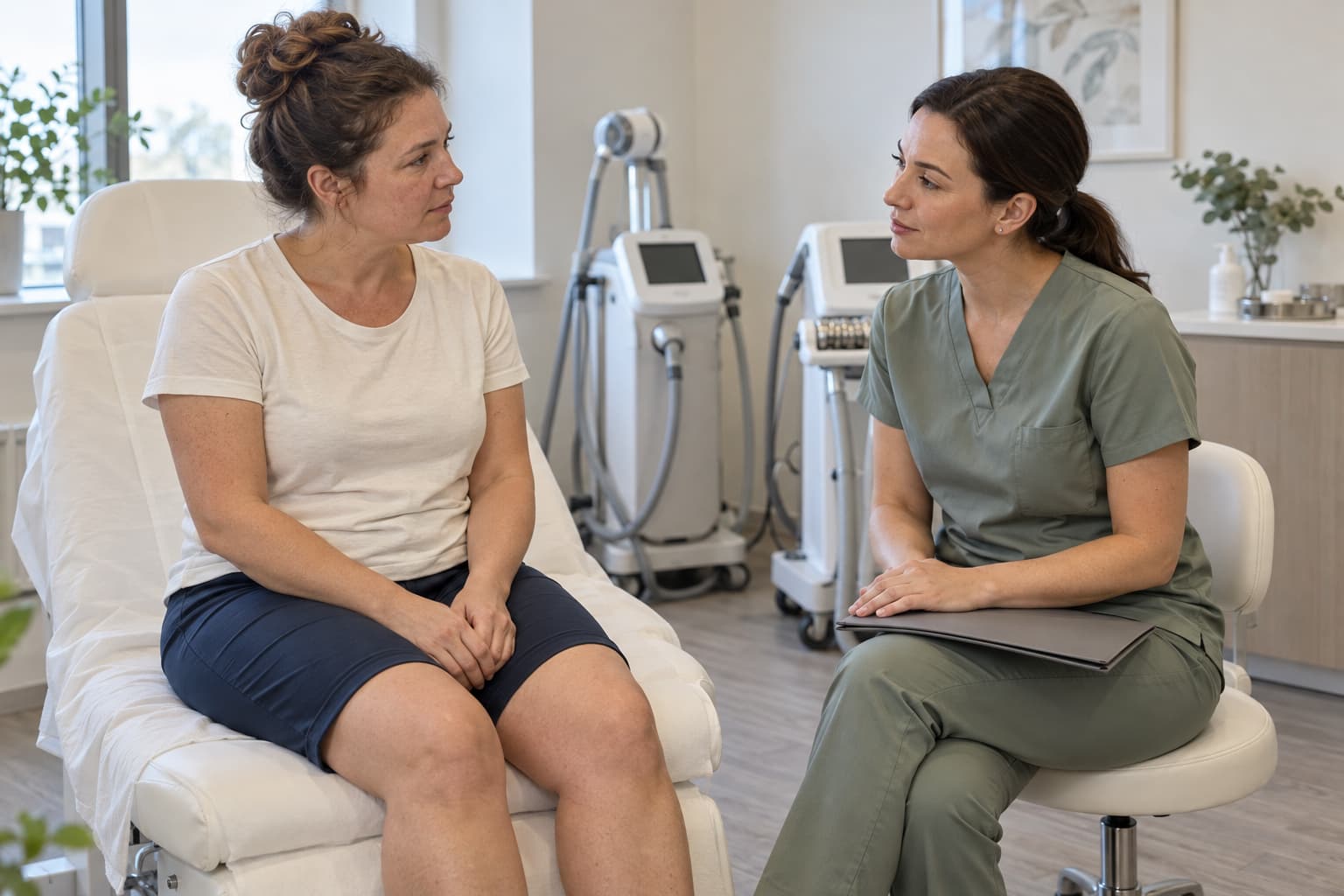
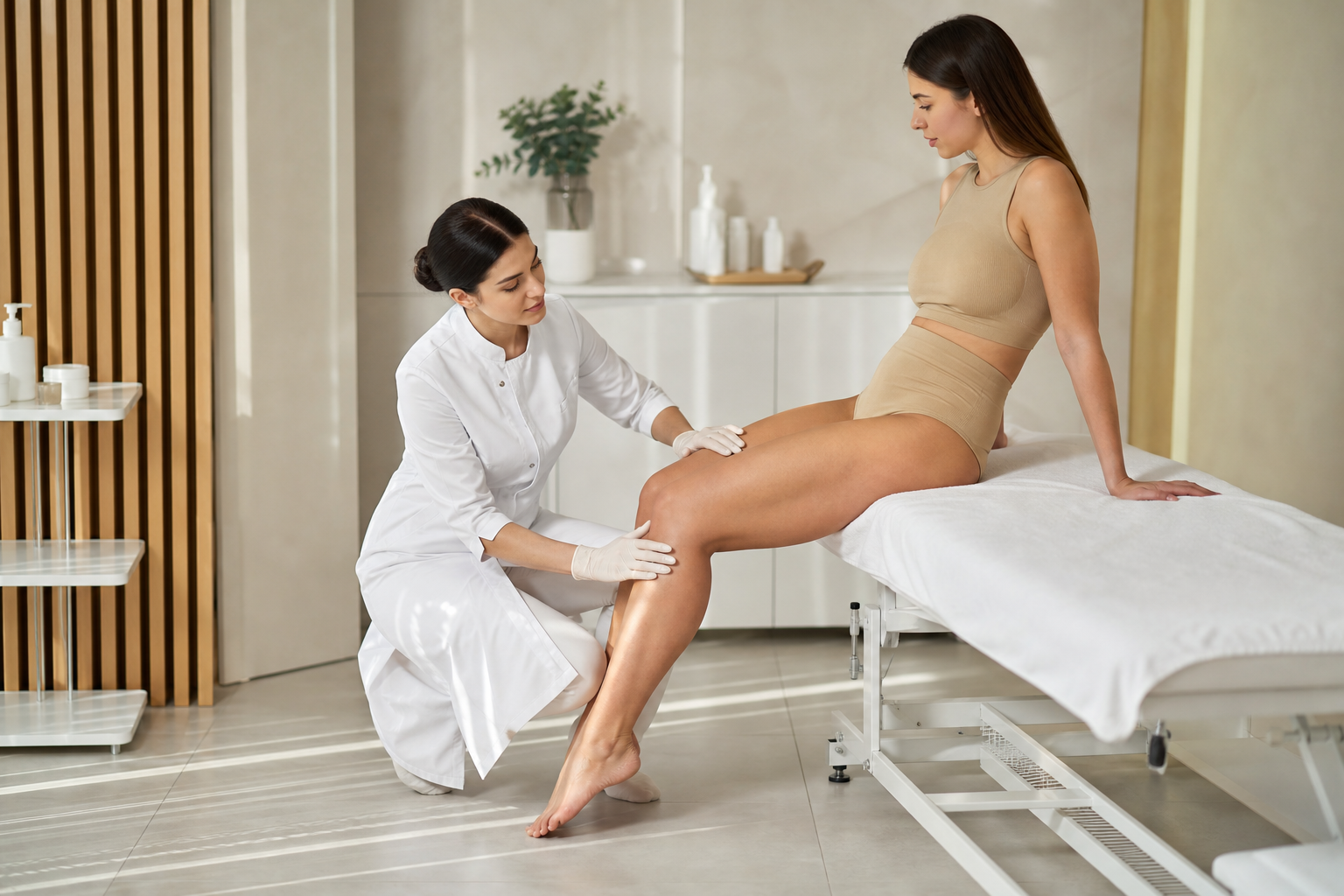
An expert consultation ensures proper diagnosis distinguishing cellulite from other mimic conditions such as lymphedema or loose skin, which necessitate alternative management. This assessment also evaluates patient history, skin type, and treatment goals, enabling a safe and effective individualized plan.
Enhancing Outcomes Through Combination Therapies
Emerging evidence and practice support multimodal approaches combining mechanical massage, radiofrequency, ultrasound, and laser treatments. Such strategies provide a layered benefit by simultaneously enhancing circulation, disrupting fat deposits, and promoting structural remodeling.
Personalizing these combinations based on the patient’s unique presentation and response patterns often delivers superior improvement in cellulite appearance compared to monotherapies. Collaboration between practitioners and patients fosters adherence and satisfaction with the treatment journey.