Cellulite is a common cosmetic concern that affects a significant number of individuals, predominantly women, across diverse age groups and body types. Characterized by the dimpled, uneven appearance of the skin, commonly described as "orange peel" or "cottage cheese," cellulite emerges due to complex interactions between subcutaneous fat, connective tissue, and the skin's microcirculation. While lifestyle factors such as diet, exercise, and hydration play a role in its presentation, the multifactorial origin of cellulite demands targeted interventions for effective management.
Among various therapeutic approaches, laser treatments have emerged as a prominent modality within the spectrum of advanced cellulite treatments, owing to their minimally invasive nature and promising clinical outcomes. This article delves into the mechanisms, efficacy, and safety profiles of laser therapies designed specifically for cellulite reduction. Geared towards individuals seeking a scientifically grounded understanding of their options, as well as clinicians aiming to offer evidence-based advice, the exploration herein synthesizes current knowledge to guide informed decisions.
Understanding how laser technology interacts with biological tissue to alter the appearance of cellulite is crucial for setting realistic expectations and selecting appropriate candidates. Our discussion will elucidate the physiological underpinnings of laser-assisted cellulite therapy, evaluate its benefits and limitations, and highlight safety considerations that ensure optimal results. Positioned within the broader context of advanced cellulite treatments—complemented by acoustic wave therapy and subcision—laser procedures represent a vital component of comprehensive body care strategies.
What are Laser Treatments for Cellulite and How Do They Work?
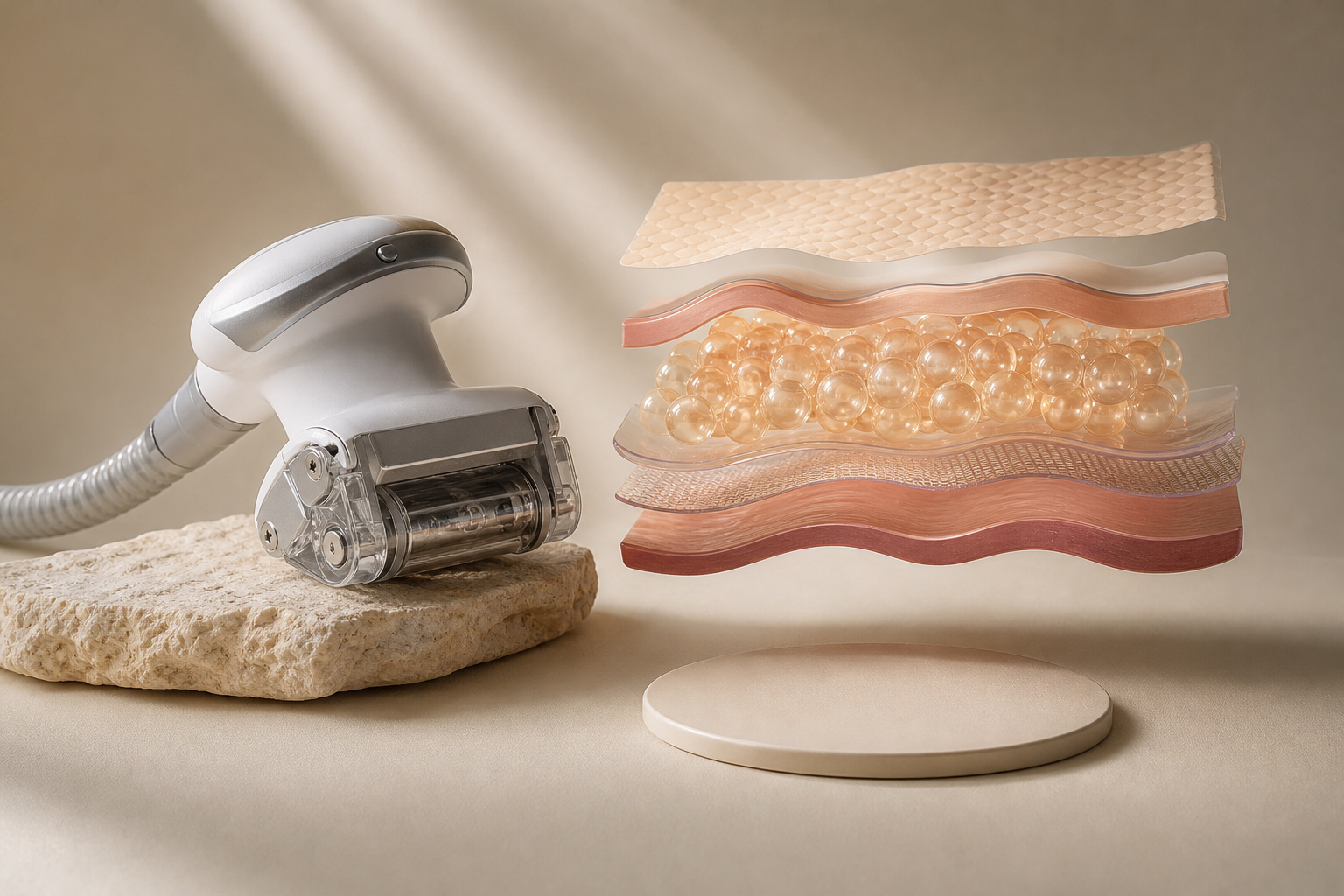
Laser treatments for cellulite employ specific wavelengths of light energy that penetrate the skin to target the underlying structures responsible for its dimpled texture. These procedures harness the photothermal and photomechanical properties of laser energy to stimulate collagen synthesis, enhance microvascular circulation, and modify fibrous septae that tether the skin downward, creating the characteristic depressions.
The laser's thermal effect elevates the temperature of targeted adipose and connective tissues, inducing controlled injury that triggers the skin's natural regenerative processes. Collagen remodeling leads to increased dermal thickness and elasticity, contributing to skin tightening and improved surface smoothness. Concurrently, enhanced lymphatic drainage catalyzed by laser therapy aids in the reduction of interstitial fluid accumulation, often implicated in the prominence of cellulite.
Different laser platforms operate at varied wavelengths optimized for depth of penetration and tissue interaction, facilitating an individualized approach based on the patient's specific cellulite type and anatomical location. For example, some devices emit near-infrared light, which efficiently reaches subcutaneous fat layers, while others integrate radiofrequency energy to complement the laser's effect. This diversity underlines the importance of professional assessment to match the technology to the clinical presentation.
Who Should Consider Laser Treatments for Cellulite?
Laser therapies are chiefly recommended for individuals presenting with mild to moderate cellulite who seek improvement in skin texture and contour without undergoing invasive surgery. Women comprise the majority of this demographic, owing to hormonal and structural factors that predispose them to cellulite formation, although men with similar indications can also benefit.
Candidates for laser cellulite treatment should possess realistic expectations, acknowledging that while lasers can significantly ameliorate skin appearance, complete eradication of cellulite is seldom achievable. Those with moderate skin laxity and localized adiposity respond most favorably. Patients should be free from active dermatologic conditions, infections, or open wounds in the target areas, and not be pregnant or have implanted medical devices that could be adversely affected by laser energy.
In cases where cellulite is extensive or recalcitrant, laser treatments may be integrated within a multifaceted regimen, including modalities such as acoustic wave therapy or subcision, to enhance efficacy. Thus, laser therapy is optimally suited as part of a tailored treatment plan devised by a skilled specialist following comprehensive evaluation.
What Are the Key Benefits of Laser Treatments in Addressing Cellulite?
One of the paramount advantages of laser treatment for cellulite is its minimally invasive nature, rendering it accessible to a broader patient population unwilling or unable to undergo surgical interventions. The procedures typically involve minimal discomfort, do not require general anesthesia, and are associated with minimal downtime, allowing patients to resume daily activities swiftly.
Laser therapy is recognized for promoting collagen neogenesis, which fortifies the dermal matrix, enhances skin firmness, and reduces the depth of depressions caused by cellulite. This collagen stimulation also imbues the skin with a rejuvenated texture and improved elasticity, contributing to overall dermal health.
Another significant benefit is the precision with which laser energy can be delivered, enabling selective targeting of affected regions while sparing adjacent tissues. This precision minimizes risks such as burns or scarring and allows for customizable treatment intensity based on individual patient characteristics.
Moreover, laser treatments may augment circulation and facilitate metabolic waste clearance in treated areas, contributing to the reduction of localized edema and improving the visual smoothness of the skin’s surface. This holistic effect underscores the laser’s utility not only as a cosmetic tool but also as a means to enhance tissue health.
How Are Laser Treatments for Cellulite Administered in Clinical Practice?
The clinical protocol for laser cellulite treatment begins with a thorough consultation, where a qualified dermatologist or aesthetic practitioner evaluates the patient's skin condition, cellulite severity, medical history, and treatment goals. This assessment informs the selection of the appropriate laser device, treatment parameters, and expected outcomes.
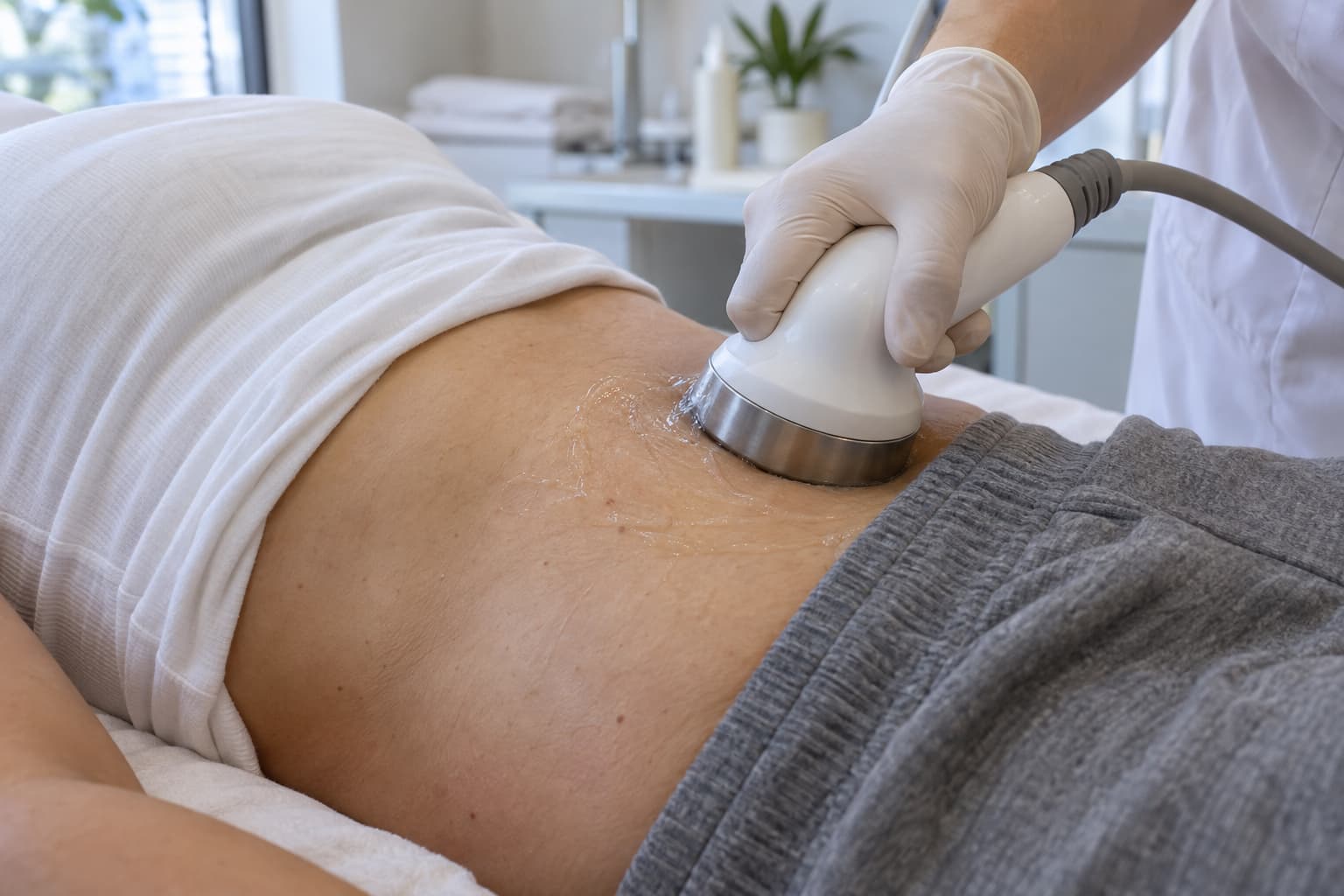
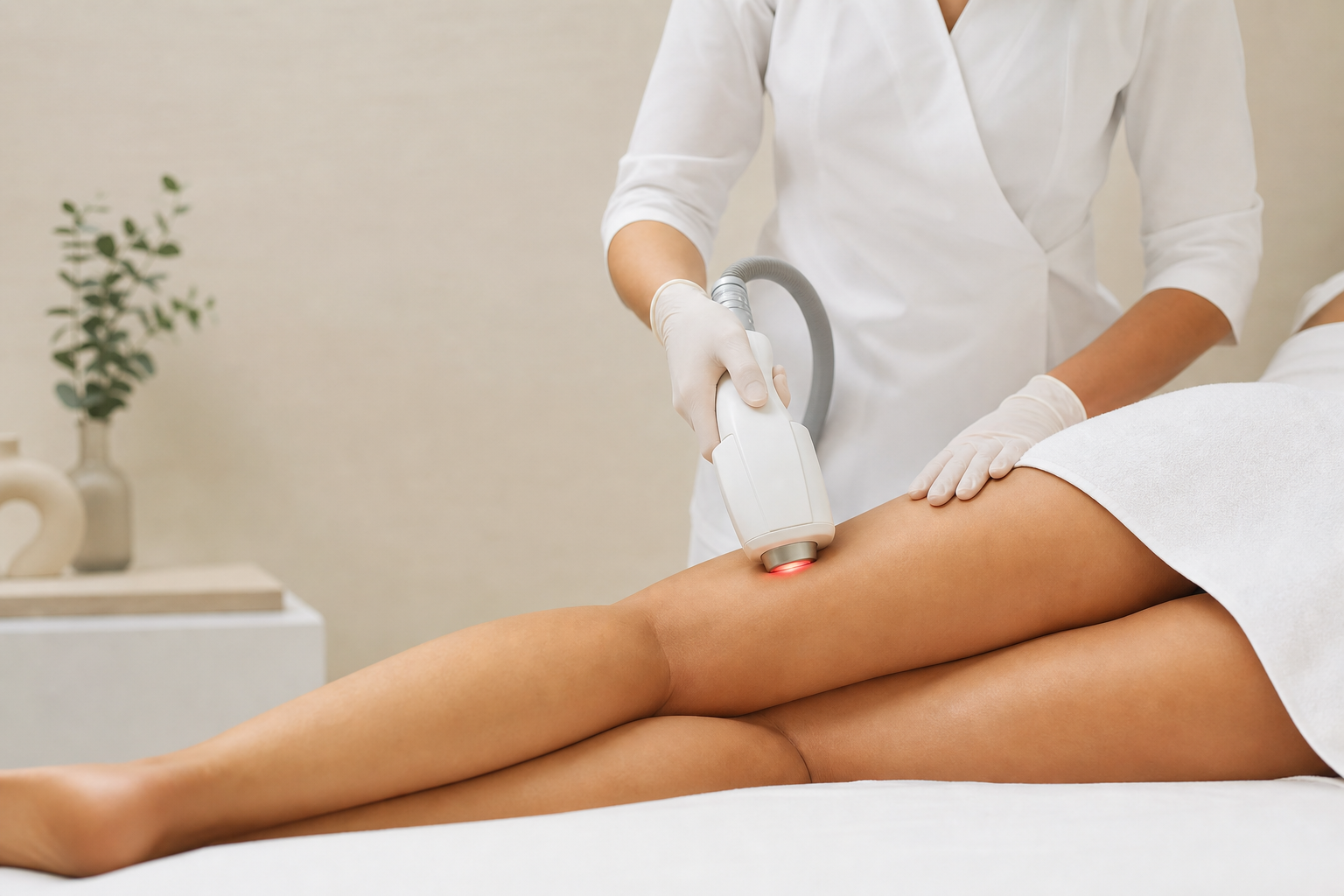
During the procedure, the patient assumes a comfortable position while the laser applicator is methodically moved across the targeted zones. Sessions typically last between 30 to 60 minutes, depending on the extent of the area to be treated. Some lasers incorporate cooling mechanisms to mitigate discomfort and protect the epidermis.
Patients may experience mild sensations akin to warmth or tingling during treatment. Post-procedure, transient erythema or edema can appear but generally resolves within hours to days without intervention. Clinicians commonly recommend avoidance of sun exposure and application of soothing, hydrating topical agents to facilitate recovery.
Effective protocols often involve multiple sessions spaced over several weeks, as cumulative collagen remodeling and tissue changes evolve gradually. The precise number of sessions varies according to individual response and treatment modality but usually ranges from 4 to 8 cycles.
What Are the Realistic Expectations and Limitations of Laser Therapy for Cellulite?
While laser treatments represent an advanced option for cellulite management, it is essential to approach them with informed realism. These therapies enhance skin quality and reduce the visual impact of cellulite but do not constitute a cure. The complexity of cellulite's pathophysiology—including genetic predispositions and hormonal influences—means residual dimpling may persist.
Moreover, laser penetration is generally limited to superficial and mid-dermal layers; entrenched fat deposits or severe fibrous septal bands might require complementary approaches such as subcision or liposuction to achieve substantive results. The heterogeneity in individual responses further underscores the need for customized treatment plans.
Patients should also recognize that maintenance sessions or lifestyle modifications—such as balanced nutrition, regular exercise, and adequate hydration—remain integral to sustaining improvements. Overly aggressive treatment or unqualified application of laser technologies may increase risks of adverse effects, including thermal injury and scarring, reinforcing the indispensability of experienced providers.
When Should One Consult a Specialist Before Undergoing Laser Cellulite Treatment?
Prior to initiating laser therapy for cellulite, consultation with a board-certified dermatologist or experienced aesthetic physician is imperative. Specialists conduct comprehensive evaluations to differentiate cellulite from other dermatological conditions and assess suitability for laser intervention.
Medical contraindications such as active infections, autoimmune diseases affecting the skin, photosensitivity disorders, pregnancy, or recent use of photosensitizing medications necessitate careful consideration or deferment of treatment. In such scenarios, alternative or adjunctive therapies might be recommended.
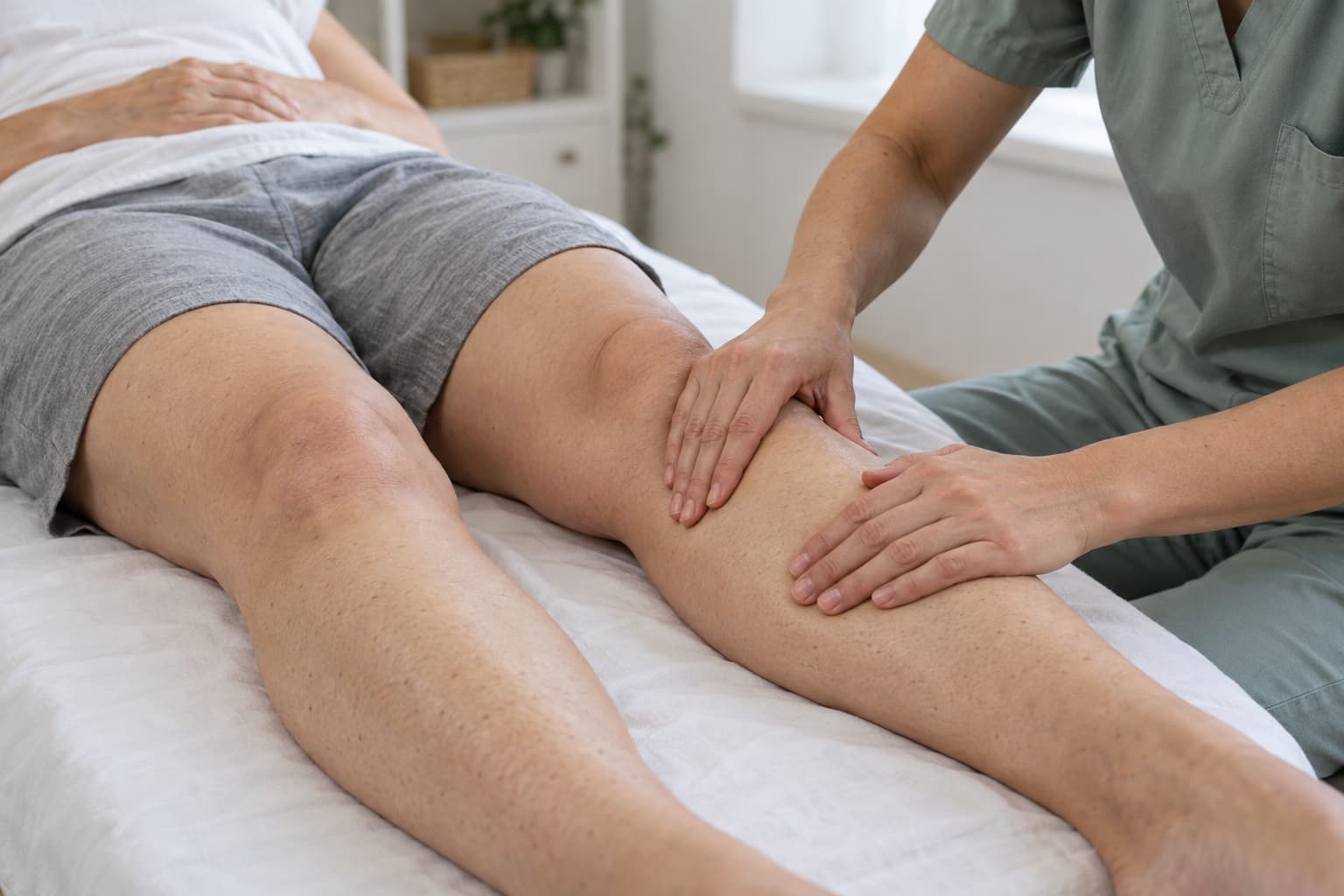
Additionally, consultation enables formulation of an individualized treatment program possibly combining laser with acoustic wave therapy, subcision, or manual interventions. This multidisciplinary approach maximizes therapeutic potential while safeguarding patient safety.
Engaging a specialist also facilitates informed consent, during which risks, benefits, post-treatment care, and expected outcomes are transparently communicated, empowering patients to make aligned and confident decisions regarding their body care.