Cellulite, a common yet often misunderstood skin condition, presents as a dimpled or uneven surface primarily across areas such as the thighs, buttocks, abdomen, and arms. It is a widespread concern influencing not only women but also men, shaping their perceptions of body image and wellness. Despite its prevalence, cellulite remains a complex issue involving changes in the underlying connective tissue and fat deposits. Over the years, the quest for effective remedies has driven investigations into various treatment modalities, among which diet modification stands out as a naturally accessible and potentially significant avenue.
This article is geared toward individuals seeking to understand whether dietary choices can genuinely influence the appearance of cellulite. It also addresses health professionals looking to expand their knowledge of diet’s role in skin health and cellulite management. The topic matters because diet is a modifiable factor that can be integrated easily into daily routines, offering a non-invasive, holistic approach to skin care that complements broader treatment strategies.
Understanding the mechanics of cellulite and how nutrition can intervene provides clarity for those eager to adopt informed, safe, and realistic approaches. Here, we explore the scientific basis linking diet with cellulite development, the nutrients and food types that play crucial roles, the expected outcomes with diet adjustments, limitations of dietary approaches alone, and the circumstances in which professional guidance becomes essential.
What is Cellulite, and Why Does It Develop?
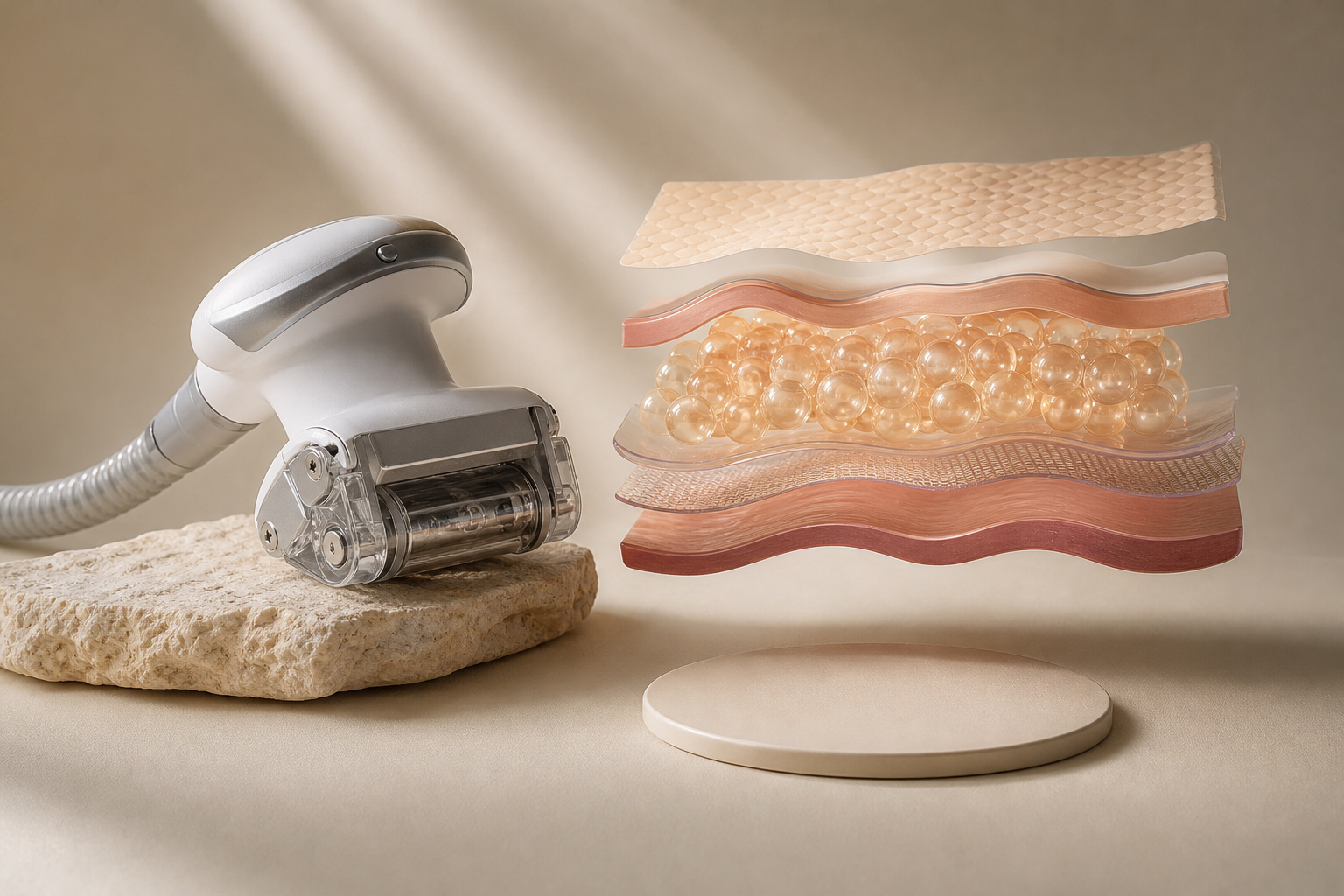
Cellulite is characterized by a visible alteration in skin texture, often likened to 'orange peel' or 'cottage cheese' due to its pitted appearance. This phenomenon results from an interplay of factors including fat cells pushing against weakened connective tissue, poor microcirculation, hormonal fluctuations, and structural changes in the skin. The condition arises beneath the epidermis within the hypodermis, where fat deposits press against the fibrous bands of connective tissue. Variability in the thickness and rigidity of these bands, alongside fat accumulation, contributes to the extent and visibility of cellulite.
While not pathological, cellulite reflects underlying physiological changes that resonate with health and metabolic processes. It manifests more frequently in women, likely due to differences in connective tissue structure and hormonal profiles, particularly estrogen's influence. Recognizing cellulite as an indicator of microvascular disturbances and connective tissue degradation reframes it from a mere cosmetic nuisance to a condition warranting comprehensive management strategies.
How Does Diet Conceptually Influence Cellulite?
Diet impacts cellulite through multiple pathways: modulation of inflammation, support of connective tissue integrity, regulation of fluid retention, and control over fat accumulation. Foods can affect the hormonal balance, oxidative stress levels, and blood circulation, all of which intersect with cellulite development.
Consumption patterns rich in sugars, salt, and unhealthy fats can exacerbate cellulite by fostering systemic inflammation and edema, impairing microcirculation, and weakening supportive collagen structures. Conversely, nutrient-dense diets abundant in antioxidants, vitamins, and proteins fortify tissue resilience and stimulate metabolic functions that may mitigate the visible signs of cellulite.
Hence, understanding diet's impact is not about quick fixes but about fostering an internal environment conducive to skin health maintenance and gradual improvements in connective tissue quality.
Which Dietary Components May Worsen Cellulite and Why?
Three primary dietary culprits commonly linked with cellulite exacerbation are excessive sodium, refined sugar, and alcohol.
Sodium: High salt intake encourages water retention and edema, particularly problematic in areas prone to cellulite. Edematous tissues swell, stretching the skin and connective structures, accentuating cellulite’s uneven appearance. Additionally, excessive sodium can impair lymphatic drainage, slowing the removal of cellular waste products and toxins.
Refined Sugar: Sugars contribute to inflammation and the formation of advanced glycation end products (AGEs), which damage collagen and elastin fibers. These proteins are crucial for skin elasticity and strength; their compromise leads to sagging and uneven tissue texture. Sugar also facilitates fat gain, particularly in subcutaneous depots, intensifying the pressure that fat cells exert beneath the skin.
Alcohol: Beyond dehydrating effects, alcohol disrupts fat metabolism and liver detoxification, leading to increased fat storage and systemic inflammation. It can impair nutrient absorption vital for skin repair and regenerate, compounding cellulite severity.
How Do Proteins and Collagen-Supporting Nutrients Assist in Combating Cellulite?
Proteins constitute the building blocks of muscles and connective tissue, thus playing a pivotal role in skin firmness and the reduction of cellulite’s visibility. Adequate protein intake supports muscle tonicity beneath the skin, providing a firmer underlying structure that counters the protrusion of fat lobules.
Moreover, specific nutrients such as vitamin C are integral to collagen synthesis. Collagen, a primary structural protein in the skin, maintains its elasticity and integrity. A diet rich in vitamin C, found in citrus fruits, berries, bell peppers, and leafy greens, ensures continual collagen production, which can replace damaged tissue and improve skin texture.
Other amino acids like proline and lysine, obtained from high-quality protein sources such as lean meats, fish, eggs, and legumes, also contribute to collagen formation. A well-rounded nutritional approach focusing on these components supports skin resilience and the connective framework underlying the skin.
What Realistic Expectations Should One Have When Using Diet to Reduce Cellulite?
Although diet plays a contributory role in managing cellulite, it is essential to maintain pragmatic expectations. Dietary changes can improve skin health, enhance microcirculation, and reduce systemic inflammation, which together may decrease the prominence of cellulite over time. However, cellulite’s multifactorial nature means that diet alone rarely offers a complete resolution.
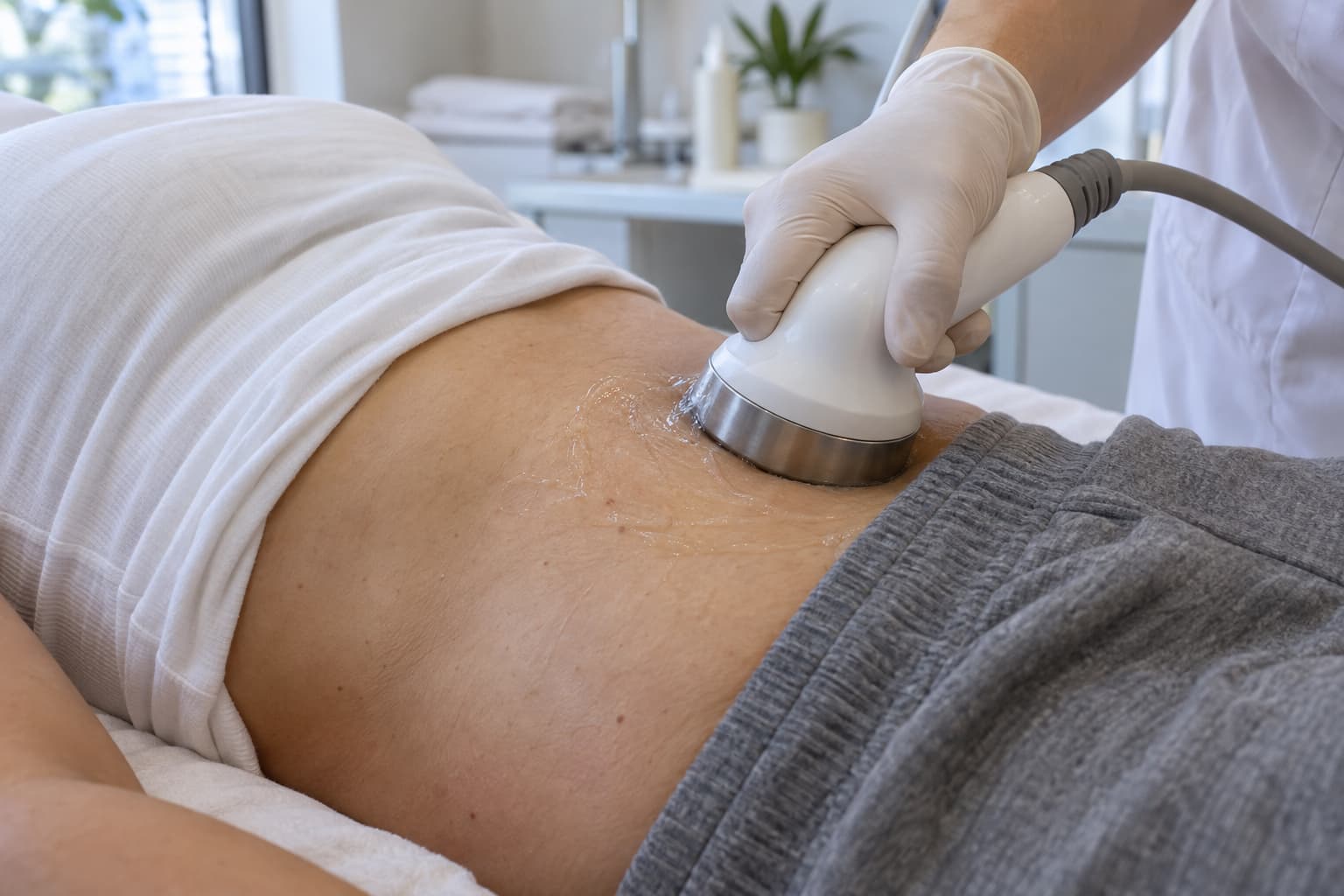
Enhancements in skin texture and firmness generally emerge gradually, often requiring consistent dietary adherence combined with lifestyle modifications such as regular physical activity, adequate hydration, and stress management. Significant reductions or near-elimination of cellulite may necessitate integration with other treatments like massage therapy, laser or radiofrequency procedures, and medically supervised interventions.
Who Should Consider Consulting a Specialist Regarding Diet and Cellulite?
While many people may benefit from general dietary guidance, consulting a qualified specialist becomes crucial under specific circumstances. Individuals experiencing severe or rapidly worsening cellulite, those with metabolic or hormonal imbalances, or persons struggling to achieve improvements through self-directed diet and lifestyle changes should seek professional input.
Registered dietitians or nutritionists can provide personalized nutritional assessments and plans tailored to one’s health status, body composition, and skin condition. Dermatologists or clinicians specializing in aesthetic medicine can synergize dietary strategies with other targeted treatments to optimize outcomes, monitor progress, and address safety considerations.
Furthermore, professional oversight ensures that dietary adjustments do not inadvertently lead to nutritional deficiencies or interact negatively with existing medical conditions.
How to Apply Practical Dietary Strategies Against Cellulite?
Adopting a holistic dietary pattern that prioritizes whole, unprocessed foods while limiting harmful substances constitutes a practical approach to cellulite management.
Focus on:
Anti-inflammatory Foods: Incorporate fruits and vegetables rich in antioxidants, such as berries, leafy greens, and colorful produce, to counteract oxidative stress.
Lean Proteins: Choose sources like poultry, fish rich in omega-3 fatty acids, legumes, and low-fat dairy to support muscle maintenance and collagen production.
Healthy Fats: Include nuts, seeds, and olive oil, which foster skin hydration and integrity.
Fiber-Rich Choices: Whole grains and vegetables aid in detoxification and may improve metabolism.
Hydration: Ample water intake enhances lymphatic function and skin moisture.
Simultaneously, reduce processed foods high in sodium, sugar, and trans fats. Prepare meals that emphasize freshness and balance, and consider individualized supplementation only under professional guidance.
How Does Diet Integration Enhance Other Cellulite Treatments?
Dietary optimization does not function in isolation; it augments the efficacy of various cellulite-targeted treatments. Improved nutrition enhances tissue repair capacity, supports anti-inflammatory states beneficial during treatment, and sustains long-term skin quality.
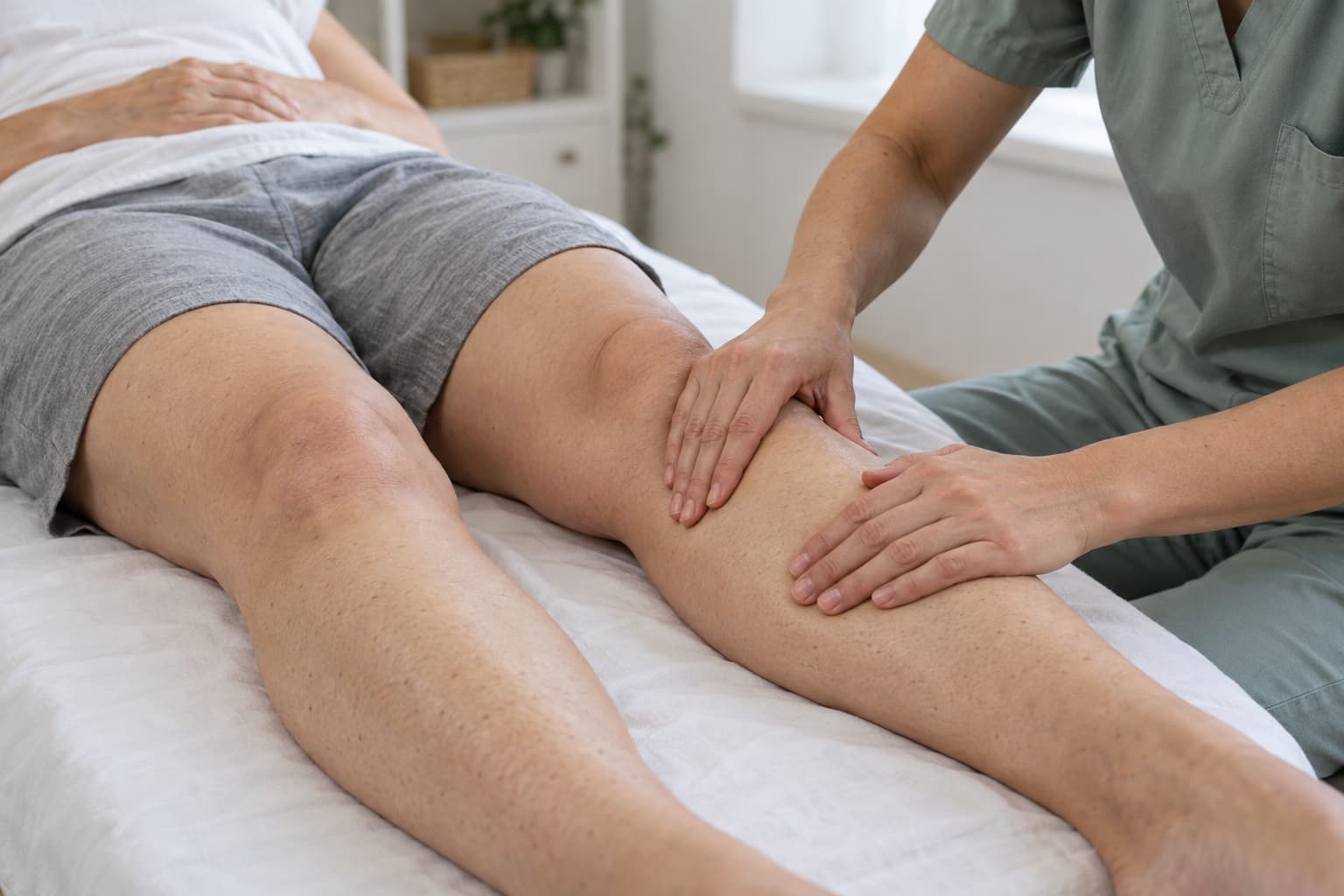
When combined with physical activities like strength training that enhance muscle tone, and procedural interventions such as manual lymphatic drainage or radiofrequency therapy, diet acts as the foundational element fortifying overall skin and body health. The synergy derived from this multimodal approach tends to yield more pronounced and durable results than isolated efforts.