Radiofrequency body treatments have steadily become a cornerstone in non-invasive aesthetic medicine, particularly valued for their ability to address concerns such as cellulite, skin laxity, and body contour irregularities. As a technology that applies controlled radiofrequency energy to the skin and underlying tissues, it stimulates collagen and elastin production, thereby enhancing skin texture and firmness without the need for surgery or significant downtime. This article explores who should consider radiofrequency (RF) body treatments, defining the ideal candidates, the therapy’s mechanisms, realistic outcomes, its inherent limitations, and key safety considerations.
Understanding the suitability of RF body treatments is essential due to the diversity of skin types, body compositions, and specific aesthetic goals that patients bring to clinics. Whether an individual seeks to reduce the dimpled appearance of cellulite, improve sagging skin following weight loss, or tighten loose areas caused by aging, RF treatments offer a compelling option. However, knowing when to opt for this therapy versus alternative modalities, and recognizing the realistic expectations one should have, helps ensure satisfaction and optimal results.
This discourse is particularly timely within the broader landscape of cellulite management—a complex and multifaceted condition affecting most post-adolescent women to varying degrees worldwide. Addressing cellulite effectively often requires a blend of lifestyle changes, topical agents, and professional interventions, among which radiofrequency holds a prominent role. By providing a detailed and evidence-informed overview, this article aims to equip readers with the knowledge necessary to make informed decisions regarding RF treatments and to understand their place in the comprehensive management of body contour and skin quality concerns.
What Exactly Is Radiofrequency Body Treatment and How Does It Impact Cellulite?
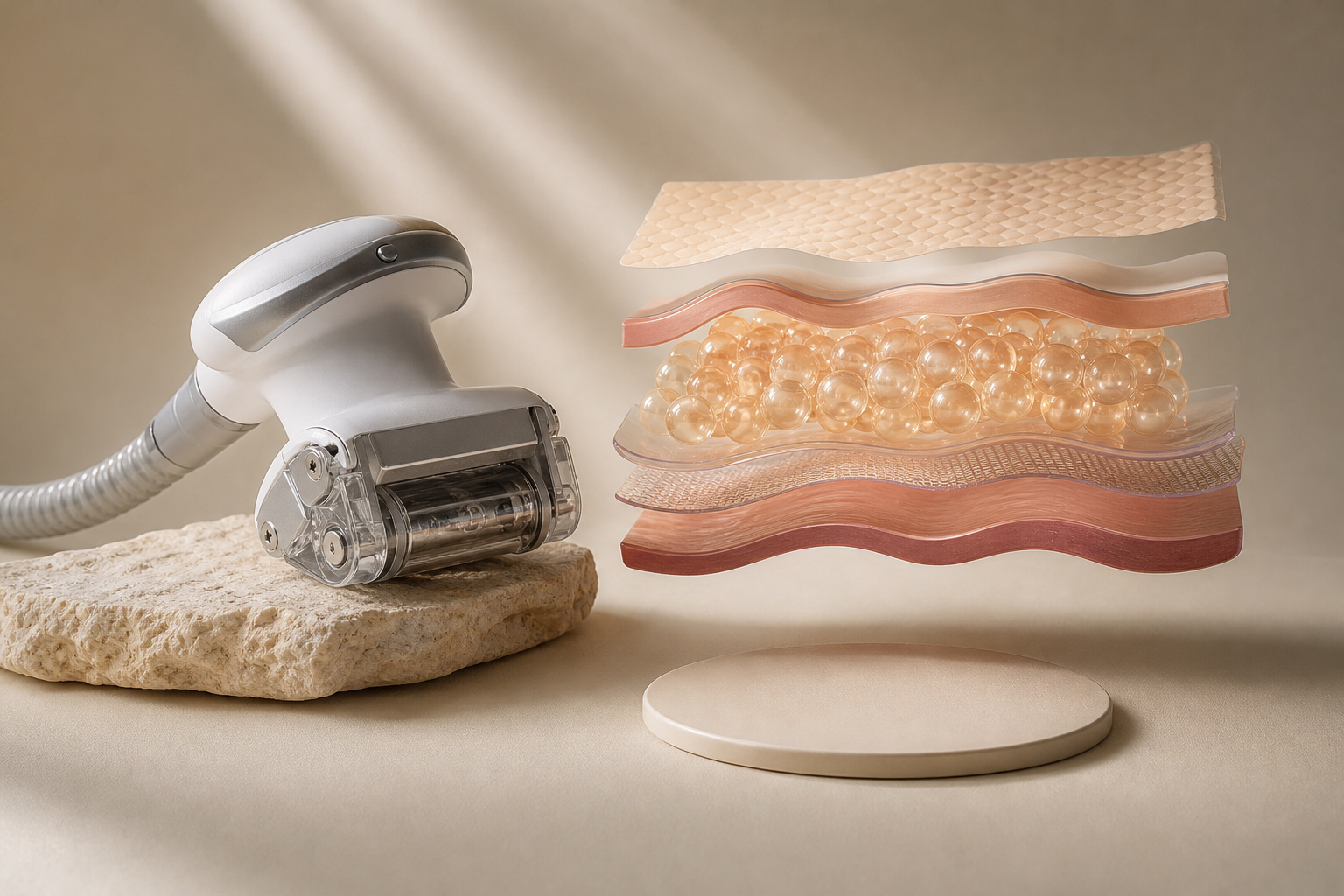
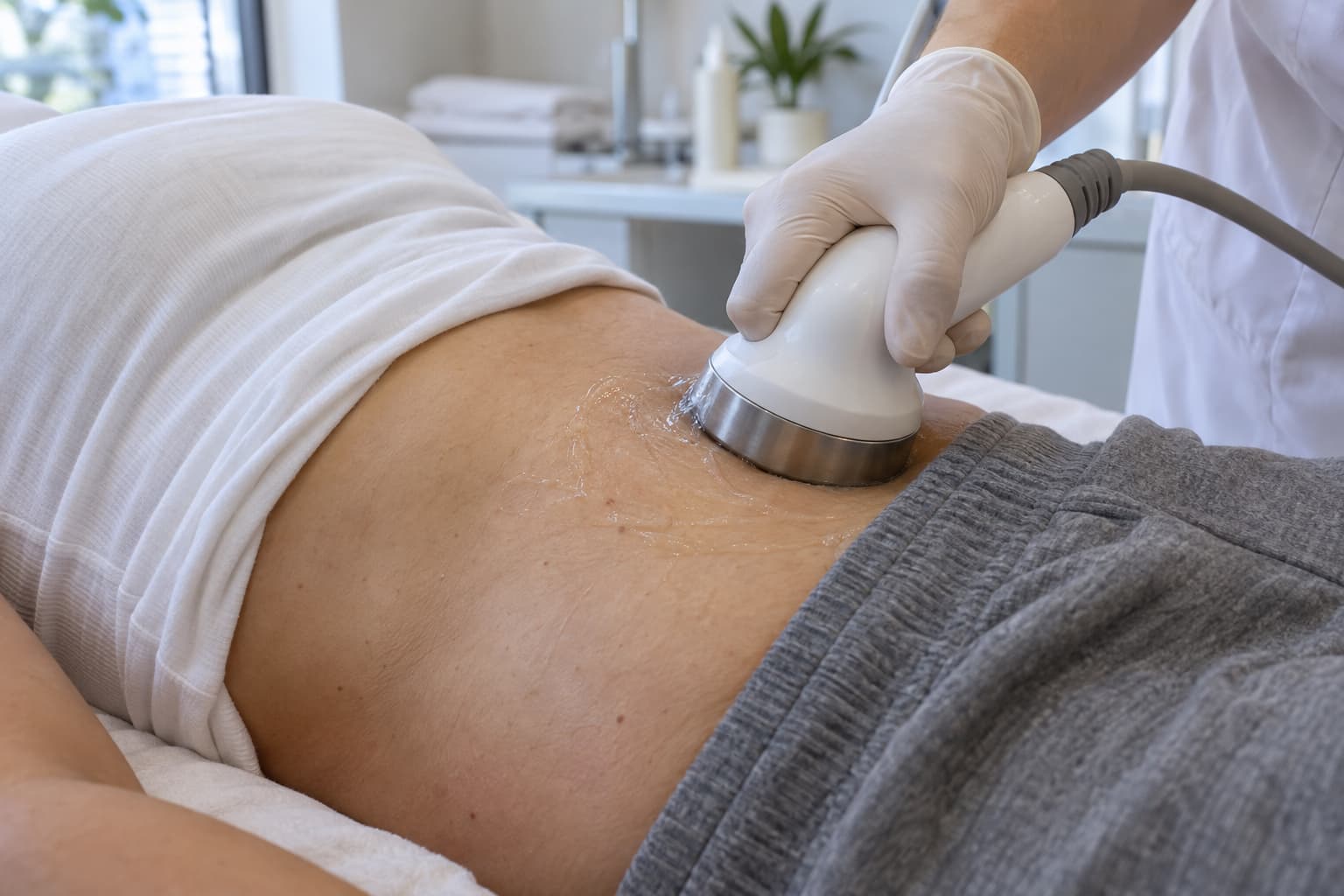
Radiofrequency body treatment involves the application of electromagnetic waves in the radiofrequency spectrum to heat targeted layers of the skin and subcutaneous tissue. This controlled heating leads to a cascade of physiological responses crucial to improving skin condition and diminishing cellulite appearance. Specifically, the heat generated penetrates the dermis and superficial fat layers, stimulating fibroblasts, the cells responsible for collagen and elastin synthesis. Collagen provides structural integrity and firmness, while elastin contributes to the skin’s elastic properties.
The presence of cellulite results from structural changes in the connective tissue and localized fat deposits that push against the skin’s surface, creating an uneven, dimpled texture commonly described as "orange peel" or "cottage cheese" skin. Radiofrequency treatment aims to address several aspects: it promotes the breakdown of subcutaneous fat aggregates, enhances microcirculation and lymphatic drainage to reduce fluid retention and toxins, and encourages skin tightening through collagen remodeling.
It is important to emphasize that radiofrequency treatment effects are gradual. They typically unfold across multiple sessions and continue evolving over weeks and months as new collagen forms and skin architecture improves. Although it does not eradicate cellulite completely, RF treatment often results in markedly smoother and firmer skin, reducing the perceptible roughness and improving body contours in treated areas.
Who Is the Ideal Candidate for Radiofrequency Body Treatments?
Radiofrequency body treatments are best suited for individuals who have mild to moderate cellulite or skin laxity and seek a non-invasive, low-risk approach to skin enhancement and body contouring. Ideal candidates generally include:
1. Individuals with Early to Mid-Stage Cellulite: Those experiencing mild to moderate cellulite—characterized by noticeable but not severe skin dimpling—can benefit from RF treatments as these therapies improve skin texture and strengthen the supporting connective tissue, mitigating cellulite visibility.
2. People with Skin Laxity from Weight Loss or Aging: Sudden weight reduction or natural aging processes often leave the skin less elastic and sagging, especially in areas like the abdomen, thighs, and arms. Radiofrequency treatments can aid in skin tightening by stimulating new collagen formation, restoring firmness and improving tone.
3. Patients Seeking Non-Surgical Body Contouring: For those hesitant to undergo invasive procedures such as liposuction or surgical skin lifts, RF offers a painless alternative that requires no anesthesia or significant downtime, making it suitable for a broad demographic.
Conversely, patients with severe cellulite or substantial fat deposits may require a multi-modal approach combining RF with other therapies, such as ultrasound, mechanical massage, or even surgical interventions. Additionally, individuals with certain medical conditions—like pacemakers, implanted electronic devices, active infections, or specific skin diseases—should avoid RF treatments or consult thoroughly with a qualified practitioner to assess risks.
What Are the Tangible Benefits of Radiofrequency Treatments Against Cellulite?
Radiofrequency treatments confer multiple benefits that make them an attractive option within the arsenal of cellulite management:
Improved Skin Microcirculation and Lymphatic Drainage: By heating the skin, RF therapy enhances blood flow and lymphatic drainage, crucial for removing metabolic waste and excess fluids. This reduction in fluid retention alleviates swelling and diminishes the puffiness that exacerbates cellulite's uneven appearance.
Stimulation of Collagen and Elastin Synthesis: Collagen and elastin are fundamental in maintaining skin structure and elasticity. RF energy activates fibroblasts, triggering new collagen production, strengthening the skin's framework, smoothing surface irregularities, and enhancing skin quality over time.
Noticeable Skin Tightening and Body Contouring: The heating effect induces immediate collagen fiber contraction and long-term neocollagenesis, contributing to firmer and tauter skin. This effect can improve problematic areas on the thighs, buttocks, abdomen, and arms.
Non-Invasive and Comfortable Treatment with Minimal Downtime: Unlike surgical procedures or harsh mechanical treatments, RF therapy is generally well-tolerated, painless, and allows patients to resume usual activities immediately post-treatment.
Customizable Application Across Multiple Body Regions: Depending on individual needs, RF treatments can be tailored to various sites affected by cellulite and laxity, enabling targeted improvements without systemic risks.
How Do Different Types of Radiofrequency Technologies Influence Treatment Outcomes?
The radiofrequency technology landscape includes several configurations, each with nuances affecting treatment depth, comfort, and efficacy:
Monopolar Radiofrequency: This modality delivers energy from a single electrode, creating a circuit through the body to a grounding pad. It penetrates deeply into the dermal and subdermal tissues, making it effective for deeper fat layer heating but may be less comfortable due to its intensity.
Bipolar Radiofrequency: Energy passes between two electrodes placed close together on the skin, providing more controlled and superficial heating. This is often preferred for sensitive or more superficial treatment areas, offering a balance between efficacy and comfort.
Multipolar Radiofrequency: Utilizing multiple electrodes, this technology allows for a more uniform and regulated energy distribution, promoting even heating over broader surfaces with enhanced patient comfort.
Choosing the appropriate RF modality depends on individual clinical goals, treatment area characteristics, and patient tolerability. A skilled practitioner will evaluate these factors to recommend the most suitable treatment type.
When Is It Essential to Consult a Qualified Specialist Before Undergoing RF Body Treatments?
While RF body treatments are widely accessible, professional assessment before proceeding is imperative for safety and optimal outcomes. Initial consultation with an experienced specialist should aim to:
Assess Skin and Health Status: Evaluating skin type, degree of cellulite, presence of skin conditions, or underlying medical issues guides treatment customization and identifies contraindications.
Set Realistic Expectations: Understanding what RF can and cannot achieve prevents dissatisfaction. The specialist will communicate the likely improvement range, treatment frequency, and maintenance requirements.
Design an Individualized Treatment Plan: Selecting the proper RF modality, session duration, energy settings, and complementary treatments ensures a tailored approach enhancing efficacy and comfort.
Review Contraindications and Risks: Screening for pacemakers, pregnancy, active infections, open wounds, or systemic diseases is essential to minimize complications.
Ultimately, partnering with a qualified practitioner who possesses thorough expertise in aesthetic body treatments is critical to maximize benefits and preserve safety during radiofrequency therapy.
What Are the Realistic Expectations and Limitations of Radiofrequency Treatments?
While RF body treatments hold promise, understanding their realistic capabilities and boundaries is key for patient satisfaction:
Gradual Improvement: Visible changes accrue progressively over several sessions, typically necessitating a series of treatments combined with home care and healthy lifestyle habits.
Not a Definitive Cure: Radiofrequency helps reduce the appearance of cellulite and tighten skin but does not completely eliminate underlying causes such as fat accumulation or deeply rooted connective tissue alterations.
Variable Results Based on Individual Factors: Age, genetics, hormonal milieu, and severity of cellulite impact treatment effectiveness, with younger individuals often responding more favorably.
Maintenance Sessions Often Required: To sustain improvements, periodic maintenance treatments may be necessary, especially in the context of ongoing aging or lifestyle changes.
Complementary Approaches Enhance Outcomes: Combining RF therapy with exercise, nutrition optimization, and other modalities such as massage or topical agents can magnify benefits.
How Should One Prepare for and Care for the Skin After Radiofrequency Sessions?
Proper preparation and aftercare augment the safety and effectiveness of RF treatments:
Pre-Treatment Considerations: Patients should avoid sun exposure, tanning beds, and harsh skin treatments in the days preceding therapy. Hydration is essential to support skin recovery and metabolic processes stimulated by RF energy.
Post-Treatment Skin Care: Immediately following sessions, skin may feel warm or appear slightly red, which typically resolves quickly. Gentle moisturizing and sun protection are advised to facilitate healing. Avoiding strenuous activities that cause excessive sweating for 24 to 48 hours is often recommended.
Follow-Up Routine: Compliance with the full treatment course and scheduled follow-up visits ensures monitoring and optimization of results.
When Should Radiofrequency Be Considered as Part of a Broader Cellulite Treatment Strategy?
Given cellulite’s multifactorial etiology involving connective tissue structure, microcirculation, fat distribution, and skin quality, a single treatment is rarely sufficient. Radiofrequency ideally fits into an integrated treatment paradigm, particularly when:
Mild to moderate cellulite predominates: Where skin texture and firmness are primary concerns, RF offers targeted improvement.
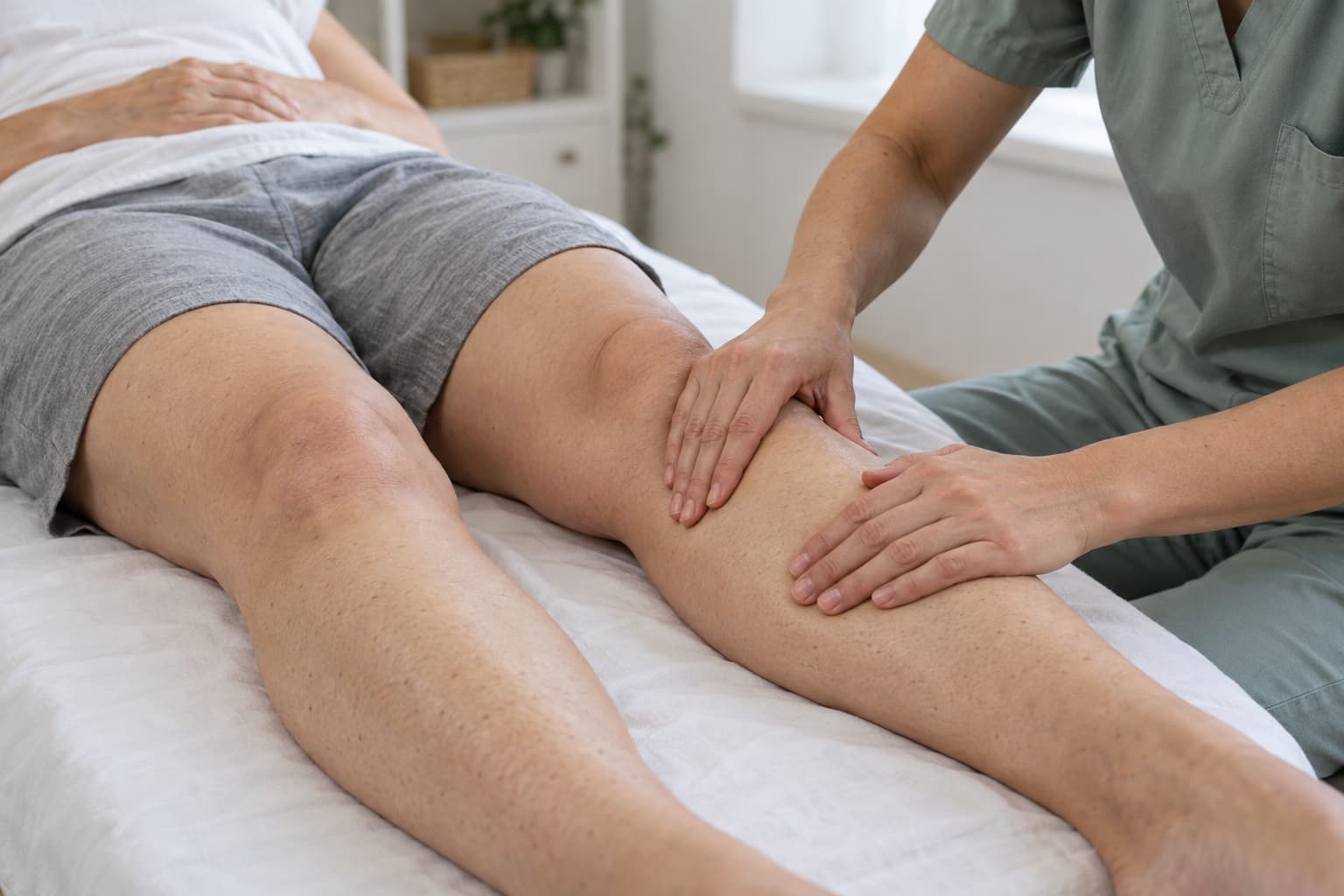
Combined with Manual or Mechanical Therapies: Such as lymphatic drainage massage or endermology, which enhance fluid removal and tissue remodeling.
After Addressing Lifestyle Factors: Including regular exercise, balanced nutrition, and hydration to support long-term skin health and weight management.
When Surgical Interventions Are Unwarranted or Undesired: RF can serve as a stand-alone approach or complement to other minimally invasive techniques.